Does Ash Stain Well? Unlocking the Secrets of Wood Finishing
Ash stains well, especially when using the right techniques and products. Its porous nature absorbs stain, enhancing its natural beauty.
Ash wood is known for its durability and appealing grain patterns. Many woodworkers and DIY enthusiasts choose ash for furniture and cabinetry due to its strength. Staining ash can elevate its aesthetic, showcasing intricate textures. The wood’s light color provides a perfect canvas for various stain hues.
Popular choices include dark walnut or classic oak stains, which bring out the grain. Proper preparation is essential for optimal results. Sanding and conditioning the wood can prevent uneven staining. Understanding the unique characteristics of ash helps in achieving a stunning finish. This guide will explore the best practices for staining ash effectively.
Ash Wood Characteristics
Ash wood features unique grain patterns and texture. These patterns vary from straight to wavy. The texture is generally smooth, making it easy to work with. This enhances its appeal in furniture making.
Color variations in ash wood range from light cream to dark brown. These colors can change based on the growing conditions. Hardness is another key aspect of ash. It is considered a hardwood, making it durable and resistant to wear.
| Characteristic | Description |
|---|---|
| Grain Patterns | Straight, wavy, or irregular |
| Texture | Generally smooth and easy to work with |
| Color Variations | Light cream to dark brown |
| Hardness | Durable and resistant to wear |
The Art Of Wood Staining
Understanding the basic principles of wood staining is essential for success. Ash wood is known for its beautiful grain and light color. Choosing the right stain can enhance its natural beauty.
Consider the type of stain: water-based or oil-based. Water-based stains dry quickly and are easy to clean. Oil-based stains penetrate deeper and provide a richer color.
| Stain Type | Drying Time | Color Depth |
|---|---|---|
| Water-Based | Fast | Light |
| Oil-Based | Slow | Rich |
Always test stains on a scrap piece of ash wood. This helps in choosing the perfect shade for your project. Remember to consider the environment where the wood will be placed.
Stain Compatibility With Ash
Ash wood has a unique porosity. This affects how it absorbs stains. Some stains may not penetrate deeply. Others can create a beautiful finish. Knowing the absorption rate is key for best results.
Different stain types react uniquely with ash. Water-based stains are often preferred. They dry quickly and show the wood grain well. Oil-based stains can give a richer color. Yet, they take longer to dry.
| Stain Type | Reaction with Ash |
|---|---|
| Water-based | Dries quickly, highlights grain |
| Oil-based | Richer color, longer drying time |
| Gel stains | Good for control, easy application |
Pre-stain Preparation
Proper sanding is essential for preparing ash wood for staining. Start with a coarse grit sandpaper. This helps remove rough spots and old finishes. Gradually move to finer grits for a smooth surface.
Always sand in the direction of the grain. This technique avoids scratches on the wood. After sanding, use a vacuum or a damp cloth to clean the dust. A clean surface ensures better stain absorption.
For best results, let the wood dry completely. This step is crucial before applying any stain. Properly prepared wood will show the true beauty of the ash grain.
Application Techniques
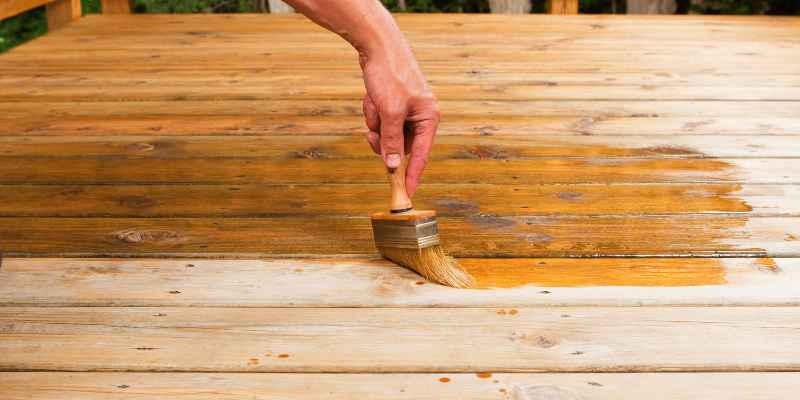
Choosing the right application technique is crucial for achieving the best results. Brush application allows for more control and precision. It is great for detailed work. Rag application provides a smoother finish and is faster. This method is ideal for larger surfaces.
Layering is important for adding depth to the stain. Start with a light coat and let it dry. Apply a second coat for a richer color. Always test on a scrap piece of wood first. This helps ensure the desired look.
Experiment with both methods to see what suits your project best. Each technique offers unique benefits that enhance the beauty of ash wood.
Common Staining Challenges
Blotching can be a big problem with ash wood. Uneven absorption of stain leads to dark and light spots. To avoid this, always test the stain on a small piece first.
Achieving even coverage requires proper techniques. Use a brush or cloth to apply the stain. Work in small sections to keep the wood wet. Wipe off any excess stain quickly.
Consider using a pre-stain conditioner. This helps the wood absorb the stain evenly. It reduces the risk of blotching. Always follow the manufacturer’s instructions for the best results.
Finishing Touches
Sealing and protecting ash wood is very important. Topcoat selection affects the final look. Choose a high-quality finish to enhance the wood’s beauty.
Different topcoats offer various levels of protection. Some common options include:
| Topcoat Type | Features |
|---|---|
| Polyurethane | Durable and water-resistant. |
| Lacquer | Fast-drying and glossy finish. |
| Oil Finish | Natural look, enhances grain. |
Always read the instructions before applying any finish. Proper application ensures lasting protection for your ash wood.
Maintenance And Care
Regular cleaning keeps ash surfaces looking great. Use a soft, damp cloth for dust. Avoid harsh cleaners that can damage the finish.
For tough stains, mix mild soap with water. Gently scrub the area with a soft brush. Rinse and dry immediately to prevent water damage.
| Restoration Tips | Action |
|---|---|
| Minor Scratches | Use a furniture polish or wax to fill in scratches. |
| Deep Scratches | Sand lightly with fine-grit paper, then apply a matching stain. |
| Water Damage | Allow the surface to dry, then use a wood conditioner. |
Frequently Asked Questions
Does Ash Wood Take Stain Well?
Ash wood generally accepts stain well due to its open grain. This feature allows the stain to penetrate evenly, resulting in a rich finish. However, the final appearance can vary based on the type of stain used. Testing on a small sample is always recommended.
What Is The Best Stain For Ash Wood?
The best stain for ash wood is an oil-based stain. Oil-based stains penetrate deeply and enhance the wood’s natural grain. They also provide a durable finish. Water-based stains can be used, but they may not highlight the grain as effectively.
Can Ash Wood Be Darkened With Stain?
Yes, ash wood can be darkened with stain. Dark stains often enhance the wood’s beautiful grain patterns. Choose a high-quality stain for optimal results. Remember to apply a pre-stain conditioner for even color distribution.
How Does Ash Compare To Other Woods In Staining?
Ash wood stains differently than softer woods like pine. Its dense grain allows for deeper color penetration. Compared to hardwoods like oak, ash provides a smoother finish. Each wood type has unique characteristics that affect the staining process.
Conclusion
Ash can indeed stain well, offering rich color and depth to various surfaces. Its unique properties make it an intriguing choice for artists and craftsmen alike. Proper preparation and application are key to achieving the best results. Experimenting with ash can yield stunning effects in your projects.
Give it a try!