Can You Put Oil Based Stain Over Water Based Stain? (Honest Answer)
Yes, you can put oil based stain over water based stain — but it is not straightforward. Water-based stains create a surface barrier that resists oil penetration, so oil applied directly over an uncured or glossy water-based layer will sit on top rather than soak in, resulting in peeling, blotchiness, or an uneven finish.
With the right preparation — full cure time, light sanding, thorough cleaning, and a small test patch — oil stain can adhere successfully over a water-based stain. This approach is most common on deck surfaces where homeowners want to switch stain types between seasons.
This guide explains when it is possible, what preparation is required, and how to avoid the most common mistakes when layering oil stain over a water-based product.
Yes, you can apply oil based stain over water based stain — provided the water-based stain has fully cured (at least 30 days), you sand with 80–120 grit to break the surface barrier, clean off all dust, and test on a small area first. Skipping these steps causes poor adhesion, peeling, and blotchy results.
Introduction To Staining Wood
Recommended Pick
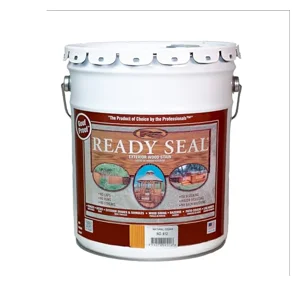 |
Ready Seal Exterior Wood Stain & Sealer, Natural Cedar, 5 Gallon – $179.98 The product this guide names by name for can you put oil based stain over water based stain? (honest answer) – matched here to a real, currently listed ASIN.
|
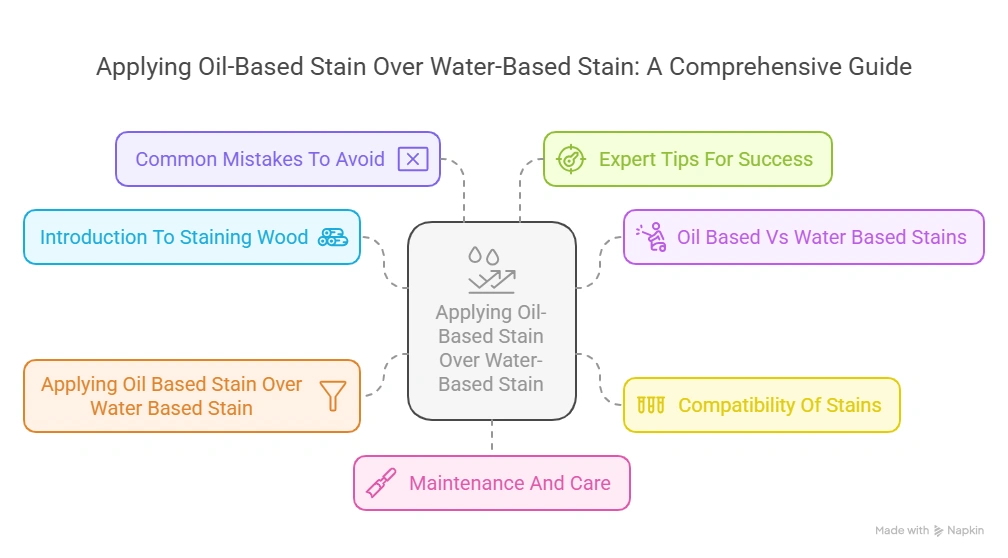
Wood stains come in two main types: oil-based and water-based. Oil-based stains are deep and rich. Water-based stains dry fast. Both have unique benefits. Choosing the right one is key.
The right stain makes wood look great. It also protects the wood. A good stain helps wood last longer. Picking the wrong stain can cause issues. It might not stick well. Or it could look bad. Make sure to pick wisely.

Credit: www.reddit.com
Oil Based Vs Water Based Stains
Oil based stains are durable. They penetrate wood deeply. Longer drying time allows for smooth application. It is resistant to water and moisture. Oil based stains often have a strong smell. They are easy to spread. They highlight the natural wood grain.
Water based stains dry quickly. They are low odor. Easy to clean with water. They are eco-friendly. They do not penetrate as deeply as oil based stains. Water based stains show vibrant colors. They are less durable than oil based stains. They do not yellow over time. Water based stains are safe for indoor use.
Compatibility Of Stains
Using oil-based stain over water-based stain can be tricky. These two types of stains do not mix well together. The oil-based stain may not stick to the water-based stain. This can cause peeling or uneven color. You need to prepare the surface properly. Sand the water-based stain first. Make it smooth. Then, clean the surface. Remove all dust. This helps the oil-based stain to stick better.
There are risks in mixing these stains. One issue is peeling. Another is uneven color. Poor adhesion can lead to these problems. Prepping the surface well is key. Sanding and cleaning help. It makes the oil-based stain adhere better. Take your time with these steps. This helps to avoid issues later. Always test on a small area first. This way, you can see if it works well.

Credit: www.sand-stain.com
Applying Oil Based Stain Over Water Based Stain
Start by cleaning the wood surface. Remove all dirt and dust. Sand the wood to create a smooth surface. Use fine-grit sandpaper for this task. After sanding, clean the surface again. Ensure there is no residue left behind. Apply a wood conditioner if needed. Wait for it to dry completely before moving on.
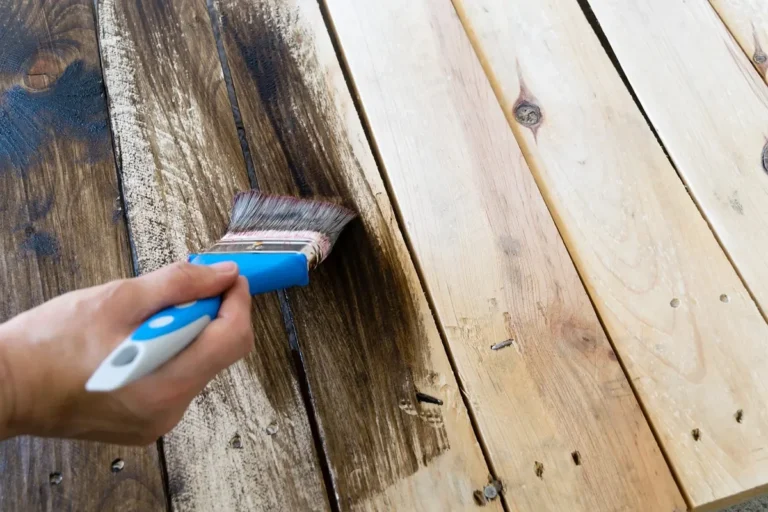
Apply the oil based stain with a brush or cloth. Work in small sections for even coverage. Wipe off excess stain with a clean cloth. Let the stain dry for the recommended time. Apply a second coat if a darker color is desired. Seal the wood with a clear finish for protection. Follow the instructions on the product label.
Recommended Product
Ready Seal 510 5-Gallon Exterior Wood Stain and Sealer — Dark Walnut
An oil-based penetrating stain that adheres well even over light water-based layers. No primer needed, self-sealing formula, and it is fade-resistant for outdoor wood and deck applications. Widely recommended for deck stain switches.
Check Price on Amazon →Common Mistakes To Avoid
Failing to prepare the surface is a common mistake. Clean the surface well. Remove any old stains or dirt. Sanding the surface helps. It makes the new stain stick better. Skipping this step can lead to problems. The new stain may not last long.
Apply the stain evenly. Use a brush or cloth. Avoid leaving thick spots. They will look bad when dry. Thin layers work best. Let each layer dry before adding more. This will give a smooth finish.
Expert Tips For Success
Use the correct brushes and applicators for the job. Choose synthetic brushes for water-based stains. Use natural bristle brushes for oil-based stains. This helps the stain go on smoothly. Don’t mix tools between different types of stains.
Allow adequate drying time for each layer. Water-based stains dry faster. Oil-based stains take longer. Check the manufacturer’s instructions. Ensure the surface is fully dry before applying another coat. This ensures the best finish.
Maintenance And Care
It’s important to protect your stained wood. Keep your wood dry and away from water. Use coasters under cups and glasses. Wipe spills immediately to avoid damage.
Dust your wood regularly using a soft cloth. Clean gently with a damp cloth. Avoid harsh chemicals that can harm the stain. Use mild soap if needed, and dry quickly.

Frequently Asked Questions
Can You Put Oil-based Finish On Top Of Water-based Finish?
Yes, you can apply oil-based finish over water-based finish. Ensure the water-based finish is fully cured and sand it lightly for better adhesion.
Can You Layer Oil And Water Based Stain?
Yes, you can layer oil-based stain over water-based stain. Ensure the water-based stain is fully dry first.
Can You Put Oil Stain Over Latex Stain?
You cannot put oil stain over latex stain. Latex stain forms a barrier that prevents oil-based stains from penetrating properly.
Can You Put Oil-based Products Over Water-based Products?
Yes, you can apply oil-based products over water-based ones. Ensure the water-based layer is completely dry first.
Conclusion
Applying oil-based stain over water-based stain can be tricky. Proper preparation is key. Sand the surface lightly to ensure adhesion. Clean it thoroughly to remove dust and residue. Testing on a small area first helps avoid mistakes. Patience and attention to detail lead to better results.
Always follow product instructions for the best outcome. This method can refresh and protect your wood surfaces. Take your time and enjoy the process.
Sponsored / affiliate links. As an Amazon Associate I earn from qualifying purchases. I may earn additional commission from eligible campaigns.
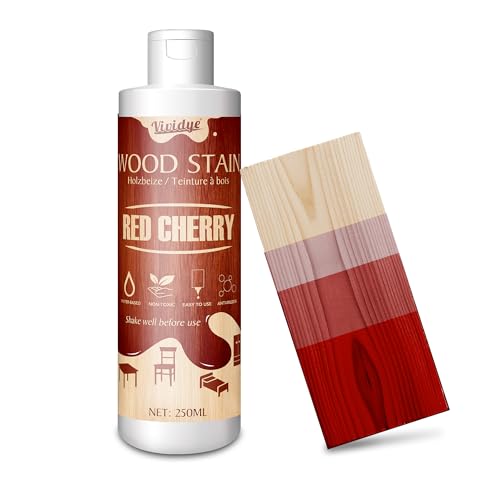 Wood Stain, 8.5oz/250ml Water Based Wood Stain for Indoor and Outdoor Furniture, Cabinet, Door, Trim and More - Fast Drying, Low Odor&Non-Toxic, Easy to Apply, Multiple Finishes (Red Cherry)
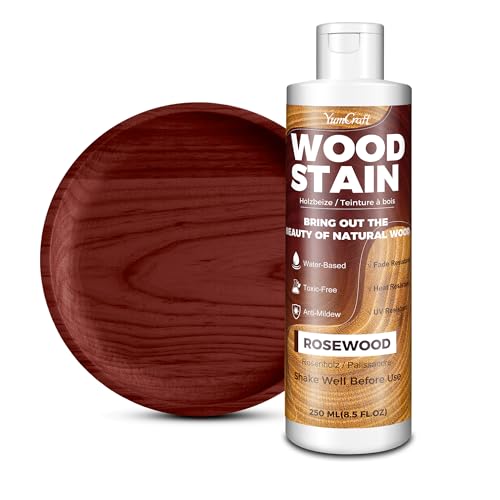 Water Based Wood Stain 8.5oz/250ml, Matte Fast Drying Stain & Varnish, Low Odor Non-Toxic Indoor Outdoor Wood Paint for Furniture, Cabinet, Door, Window, Wardrobe, Paneling, Trim & Multiple Finishes