Does Poplar Take Stain Well? Avoiding Blotchy Results
Yes, poplar takes stain well, but only with prep – its soft, porous grain absorbs oil-based stain unevenly and blotches without a pre-stain conditioner or gel stain first. Skip that step and you get the same dark, uneven patches poplar is notorious for, even with a premium stain. This guide covers why poplar blotches, how prep changes the result, and the specific product that fixes it fastest. (If you’re prepping poplar for a clear or painted top coat rather than a stain, see our full guide to sealing poplar wood instead.)
Introduction To Poplar Wood
Poplar wood is a popular choice among woodworkers. Its light color and smooth texture make it appealing. Many people like to use poplar for furniture and crafts.
One key feature of poplar is its ability to take stain. It absorbs color well, allowing for beautiful finishes. Different stains can enhance poplar’s natural beauty.
Woodworkers appreciate poplar for its versatility. It can mimic the look of more expensive woods. This quality makes it a favorite for budget-friendly projects.
Using poplar can save time and effort. It works easily with various tools and techniques. This ease of use attracts both beginners and experts alike.
Best Gel Stain for Poplar’s Blotching Problem
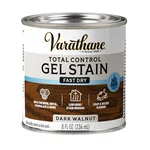 |
Varathane Total Control Dark Walnut Gel Stain, 8 fl oz – $10.59 A thick, no-drip gel sits on top of poplar’s open grain instead of soaking in unevenly, which is exactly the blotching problem this page covers – no separate pre-stain conditioner step needed.
|
Characteristics Of Poplar Wood
Poplar wood has several color variations. It can range from light cream to yellowish-brown. Some pieces may even show hints of green or gray. This variety makes it a popular choice for different projects.
The grain and texture of poplar wood are generally straight and fine. It has a smooth surface that takes stain well. Stains can enhance the wood’s natural beauty. This makes poplar suitable for furniture and cabinetry.
Keep in mind that poplar can absorb stains unevenly. Testing a small area before staining is wise. This helps achieve the desired look without surprises.
The Staining Challenge
Poplar is known for its light color and smooth texture. Staining poplar can be tricky. It often absorbs stains unevenly. This can lead to blotchy results. Using a wood conditioner before staining helps. It allows for a more even finish.
Common issues with poplar include dark spots and lighter areas. These occur because of the wood’s grain. Other woods, like oak and maple, usually take stains better. They have more consistent grain patterns. Staining poplar requires extra care and attention.
| Wood Type | Stain Absorption | Finish Quality |
|---|---|---|
| Poplar | Uneven | Blotchy |
| Oak | Even | Rich |
| Maple | Even | Smooth |
Prepping Poplar For Staining
Preparing poplar for staining is essential for great results. Start with sanding the wood properly. Use a fine-grit sandpaper, like 220-grit. This helps create a smooth surface. Always sand in the direction of the grain.
After sanding, remove any dust with a damp cloth. This ensures the stain adheres well. Consider using a wood conditioner before staining. It helps the wood absorb the stain evenly. Apply the conditioner with a brush and let it sit for about 15 minutes.
Wipe off any excess conditioner. Once dry, the wood is ready for staining. Follow these steps for the best outcome!
Choosing The Right Stain
Choosing the right stain for poplar wood is crucial for the best results. Oil-based stains are popular because they penetrate deeply. Water-based stains dry faster and are easier to clean up. Gel stains offer great control for uneven surfaces.
Color considerations play a big role in selection. Darker stains highlight the wood’s grain beautifully. Lighter stains can give a more modern look. Always test a small area first to see the final color.
Application Techniques
Using a brush for staining poplar gives a smooth finish. It allows for better control over the application. Rags can create a more textured look. They are great for wiping off excess stain.
Layering stain enhances the color. Start with a light coat and let it dry. Apply additional layers for a deeper shade. Always test on a small area first. This ensures the desired effect is achieved.
| Technique | Pros | Cons |
|---|---|---|
| Brush | Even application, better control | Can leave streaks if not careful |
| Rag | Textured finish, easy to use | Less control over coverage |
Sealing And Finishing
Choosing the right top coats for poplar wood is essential for protection. Popular options include polyurethane, lacquer, and oil-based finishes. Each of these provides a different level of durability and appearance.
Polyurethane offers excellent water resistance and durability. It comes in matte, satin, and gloss finishes. Lacquer dries quickly and gives a smooth, shiny look. Oil-based finishes penetrate the wood well, enhancing its natural grain.
| Top Coat | Durability | Finish Type |
|---|---|---|
| Polyurethane | High | Matte/Satin/Gloss |
| Lacquer | Medium | Glossy |
| Oil-Based Finishes | Medium | Natural |
Achieving a smooth finish requires careful preparation. Sand the wood surface thoroughly before applying any finish. Use fine-grit sandpaper for the best results. Clean the surface to remove dust and debris.
What Actually Changes the Result
Poplar takes stain well once absorption is controlled – the outcome depends far more on prep than on the stain brand you pick. Dark stains show poplar’s blotching more, since more pigment is pulled unevenly into the open grain. Lighter stains hide it better because there’s less color difference between the light and dark patches to begin with.
A pre-stain conditioner and a gel stain solve the same problem two different ways: the conditioner pre-fills the grain so liquid stain absorbs evenly, while gel stain sits on the surface instead of soaking in, so uneven absorption never gets the chance to happen. Either approach works – use whichever fits how you’re already planning to stain the piece.
| Stain Type | Result |
|---|---|
| Dark Stain | Rich and vibrant |
| Light Stain | Subtle, less depth |
| Gel Stain | Even application |
Frequently Asked Questions
Does Poplar Wood Absorb Stain Easily?
Yes, poplar wood absorbs stain relatively well. It has an open grain structure that allows for good penetration of stains. However, the final color may vary due to its natural light color. Pre-conditioning the wood can enhance the stain’s appearance, providing a more uniform finish.
What Type Of Stain Works Best On Poplar?
Oil-based stains generally work best on poplar wood. They penetrate deeply and enhance the wood’s natural beauty. Water-based stains can also be used, but they may raise the grain. Always test a small area first to see how the wood reacts to the stain.
How Can I Achieve A Darker Stain On Poplar?
To achieve a darker stain on poplar, consider using multiple coats. Start with a pre-stain conditioner to minimize blotching. Choose a darker oil-based stain for better results. Allow each coat to dry completely before applying the next to achieve a rich, even color.
Is Poplar Wood Prone To Blotching With Stain?
Yes, poplar wood can be prone to blotching. Its uneven grain structure may absorb stain inconsistently. Using a pre-stain conditioner can help minimize this issue. This product prepares the wood and allows for a more uniform stain application.
Conclusion
Poplar takes stain well when the prep matches its grain – a pre-stain conditioner or a gel stain is what separates an even, rich finish from the blotchy result poplar is known for. Test whichever product you choose on an offcut first, since color always looks a shade different once it’s soaked into poplar’s grain versus sitting on a paint stick.
Sponsored / affiliate links. As an Amazon Associate I earn from qualifying purchases. I may earn additional commission from eligible campaigns.