White Ash vs Green Ash: What’s the Difference?
White ash and green ash are both true ashes, but white ash is usually harder and denser, while green ash often shows a slightly more open grain and lower shock resistance. Pick the wrong species and you can misjudge strength, weight, and how a board will machine or hold up in use. This guide shows the wood traits you can still verify after the tree is cut, and how to choose lumber with more confidence.
This guide is part of our Ash lumber overview: workability, grain, and value series.
| Decision factor | White Ash | Green Ash | Winner |
|---|---|---|---|
| Field ID clues | Usually 7 leaflets, sometimes 5; samaras often narrower; bark forms firm diamond ridges with age | Usually 7 leaflets, sometimes about 5 to 9; samaras are often a little broader; bark also furrows with age | Tie |
| Typical hardness and density | Common Janka hardness is about 1,320 lbf, and it is generally described as denser and harder. | Common Janka hardness is about 1,200 lbf, and it is often described as slightly softer on average. | White Ash |
| Appearance after milling | Pale tan to light brown; straight, even grain is common | Pale tan to light brown; grain can look very similar once surfaced | Tie |
| Availability risk | Often scarcer and more source-sensitive because of emerald ash borer | Also affected by emerald ash borer, but often more available in salvage or regional stock | Green Ash |
| Best woodworking fit | Furniture, flooring, tool handles, bent parts where hardness matters more | Furniture, painted work, and general joinery where supply or value matters more | Depends on use |
White ash vs green ash at a glance
The practical difference is simple: white ash usually gives you a bit more hardness and density, while green ash is often slightly softer and can be easier to source in some markets. For a woodworker, the bigger issue is not color alone. It is whether the board came from a documented source, because milling can erase the visual clues that help separate the two.
Both are in the ash genus, Fraxinus, and both are deciduous hardwoods with similar workability and finish behavior. That is why lumber buyers can confuse them once the tree is cut and the boards are surfaced. Species matters most when you care about wear resistance, tool-handle performance, or whether you can trust the label on a stack of boards.
How can you tell them apart by the leaves?
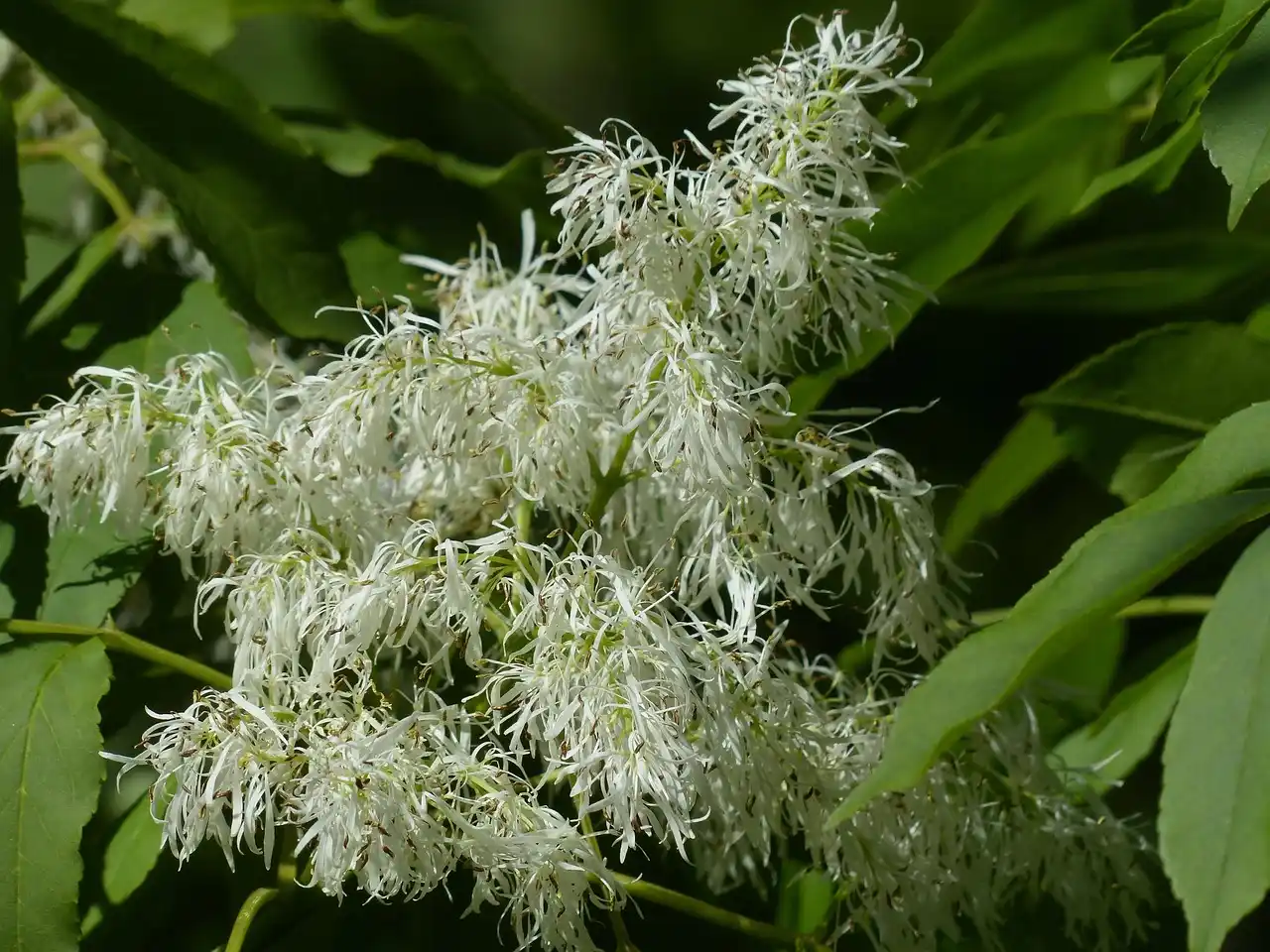
Leaf ID starts with the same basic pattern: ash leaves grow opposite each other and are compound, not simple. White ash usually has 7 leaflets, while green ash often has 7 as well but may range from 5 to 9, so leaflet count alone is not a safe separator. The leaves help most when you can compare several traits at once.
Leaves, bark, and samaras
White ash leaflets are often a little broader, with a darker green top surface and a paler underside. Green ash leaflets are often narrower and more variable. On bark, both species develop furrows and ridges as they age, but mature trees can be hard to separate visually because age changes the bark pattern on both.
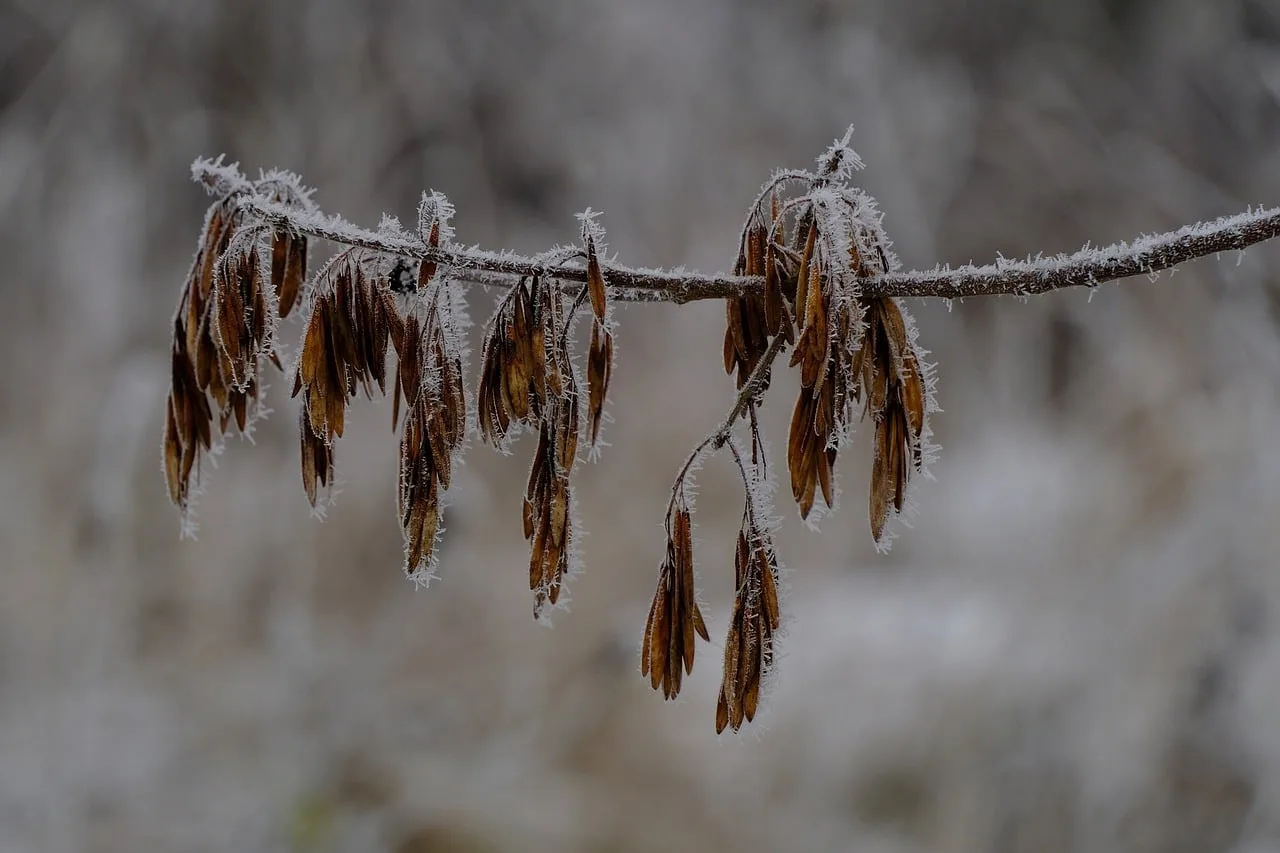
Samaras help during the season when seeds are present or recently fallen. White ash samaras are often longer and narrower, with a wing that can look more tapered; green ash samaras are usually a bit shorter and may appear broader. That is a clue, not proof, because site conditions and age can blur the difference.
Why post-milling ID gets unreliable
Once the log is sawn, planed, and dried, leaves and samaras are gone, and bark is usually gone too. That leaves color, grain, and pore pattern, which overlap heavily between the two species. Without end-grain context or source documentation, a clean board of ash can be difficult to name with confidence.
A common first-timer mistake is to sort boards by “lighter color” and call them white ash. Surface color is not dependable after sanding or finishing, and it can shift with UV exposure, stain, and lighting. If species matters, ask for the log source, a mill tag, or a supplier’s species statement.
- Check whether the leaves are opposite and compound.
- Count leaflet variation across several leaves, not one.
- Inspect bark on mature trees for ridge pattern, but treat it as a clue only.
- Use samaras when present to narrow the ID.
- For lumber, ask for source documentation instead of guessing from color.
Is white ash harder than green ash?
Yes, white ash is usually harder than green ash, but the gap is modest rather than dramatic. A common reference value for white ash is about 1,320 lbf on the Janka scale, while green ash is often listed around 1,200 lbf. That difference matters for dent resistance, edge wear, and impact use.
Janka hardness and density in woodworking terms
Janka hardness measures how much force it takes to embed a steel ball into wood, so it is a practical stand-in for surface dent resistance. White ash’s higher number usually tracks with slightly higher density, which can make it feel a bit stiffer and tougher under load. Green ash remains a strong hardwood, but it gives up a little wear resistance.
Say your project is a set of stair treads in a busy entryway. White ash gives you a little more margin against heel dents and edge bruising. If the same project will be painted and the boards are already sourced, green ash can still work well, because the species difference is smaller than the difference between ash and a softwood.
For tool handles, that hardness gap matters less than shock resistance and straight grain. Both species can work, but the straighter, clearer stock should win over species label alone. A handle blank with runout or knots is a worse choice than a slightly softer species with cleaner grain.
How do they look in lumber?
In lumber form, white ash and green ash can be frustratingly similar. Both usually read as pale tan to light brown, and both have an open grain that accepts finish well. White ash is often described as a little straighter and cleaner-grained, but that difference can disappear after surfacing and staining.
Color, grain, and pore pattern
Ash has a visible ring-porous structure, so the earlywood pores create a pronounced grain pattern. That gives both species the familiar cathedral figure on flatsawn boards and a straighter line on quartersawn stock. If a seller claims species based only on “light color,” that is too weak to trust.
Picture two 4/4 boards, both planed smooth and left unfinished under shop lights. One may be white ash and the other green ash, yet they can look almost interchangeable. The difference becomes easier to defend only if you can see end grain, know the log source, or compare the tree’s field traits before milling.
What to ask a supplier before buying
Ask for the species name, whether the lumber came from salvaged ash, and whether the claim is based on log ID or board appearance. If the supplier cannot separate white ash from green ash with confidence, treat the stock as generic ash and choose it by grade, moisture content, and board quality instead.
White ash vs green ash for woodworking
For furniture, both species can be excellent choices because they machine predictably and finish well. White ash has a slight edge when you want a harder wear surface, while green ash is often perfectly serviceable for painted furniture, casework, and general parts where the load is moderate. Either one can move into the “good wood” category when the grain is straight and the stock is clear.
Furniture and paint-grade work
For visible furniture, the two species are close enough that grain selection matters more than species alone. If the piece will be stained clear, choose boards with even grain and minimal color variation. If the piece will be painted, green ash can be a practical substitute because the surface will not need species-level visual separation.
Flooring and wear surfaces
Flooring favors the harder option. White ash’s higher Janka rating gives a bit more resistance to denting, which is useful in rooms that see shoes, chairs, or dropped objects. Green ash can still be used, but expect slightly more wear over time in the same conditions.
Tool handles, bending, and shock load
For tool handles, white ash is often the safer first choice because hardness and density support impact use. Green ash can work for handles too, especially when the grain is straight and the piece is thick enough, but it is less attractive when maximum resistance is the goal. For bent parts, the best stock in either species is clear, straight-grained, and free of reaction wood.
Can you use green ash instead of white ash for woodworking? Usually yes, if the project is not highly wear-sensitive and the board quality is good. The substitution is most comfortable for case parts, painted work, and many furniture components. It is less comfortable for high-abuse surfaces, where white ash’s extra hardness is worth seeking out.
Choose White Ash if… / Choose Green Ash if…
Choose White Ash if you want the harder, denser option for flooring, tool handles, stair treads, or other surfaces that need better dent resistance. Choose it when the lumber is clearly identified and the supplier can document the species, because that is where the extra performance matters most.
Choose Green Ash if availability, cost, or paint-grade use matters more than squeezing out the highest hardness number. Choose it for furniture parts, general joinery, and projects where clear grain and good stock selection matter more than a small performance gap. If the seller cannot verify species, buy on quality and accept generic ash only when the project allows it.
For many woodworkers, source documentation matters most when the project depends on predictable wear or resale value. If you need a specific species for a client spec, ask for the log or mill record before you commit. If you only need decent ash for painted parts, the species split matters less than grading and dryness.
Frequently asked questions
What is the difference between white ash and green ash?
White ash is usually a little harder and denser, while green ash is usually a little softer and can show slightly more variable grain. In the field, both have opposite, compound leaves and similar bark as they mature. In lumber, they can look very similar once planed and finished.
How can I tell white ash from green ash by the leaves?
Look for opposite, compound leaves and compare several leaflets from multiple leaves. White ash often has about 7 leaflets, and green ash often has 7 too but may range from 5 to 9. That variability makes leaf ID useful, but not definitive on its own.
Which ash species is better for furniture or tool handles?
White ash is usually the better choice for tool handles and other impact-prone parts because it is harder and a bit denser. For furniture, both can work well, and green ash is often a sensible choice when the stock is clear, straight, and easier to source.
Do white ash and green ash look different when milled?
Sometimes, but not reliably. Both usually mill to a pale tan or light brown color with a visible open grain, and surfaced boards can look nearly alike. Without end-grain context, source records, or other documentation, visual ID after milling is not dependable.
Are white ash and green ash both attacked by emerald ash borer?
Emerald ash borer is reported to attack ash species broadly, and that can affect standing trees, salvage timber, and lumber supply. The pest has made species-verified ash harder to find in many areas, which is why buyers often need to lean on supplier documentation instead of appearance alone.
Sponsored / affiliate links. As an Amazon Associate I earn from qualifying purchases. I may earn additional commission from eligible campaigns.