Does Cedar Wood Repel Insects? The Real Facts Explained
It’s a common belief: cedar wood keeps bugs away. You might see cedar chests for sweaters or cedar blocks in closets. Many people think this is a magic bullet for insect problems.
But does it really work? And how well? Let’s look at what science says about cedar and insects. For one specific pest, see our breakdown on whether cedar actually repels wasps.
If a full closet build-out is what you’re actually considering rather than just a few blocks, see the real cost breakdown and upkeep in are cedar closets worth it.
Cedar wood is known for its pleasant scent, and this aroma does have some insect-repelling qualities. However, it’s not a complete solution for all types of pests. Its effectiveness depends on the specific insect, the type of cedar, and how it’s used.
Understanding Cedar’s Natural Defenses
Cedar wood comes from trees in the Juniperus genus. These trees produce natural oils and aromatic compounds. These compounds give cedar its distinctive smell. They also serve as a defense mechanism for the tree. Insects dislike these smells. They can even be toxic to some small bugs. This chemistry is strongest in aromatic cedar (Eastern red cedar), the species most often used for closets and chests — see our full guide to aromatic cedar wood for its hardness, scent longevity, and best uses.
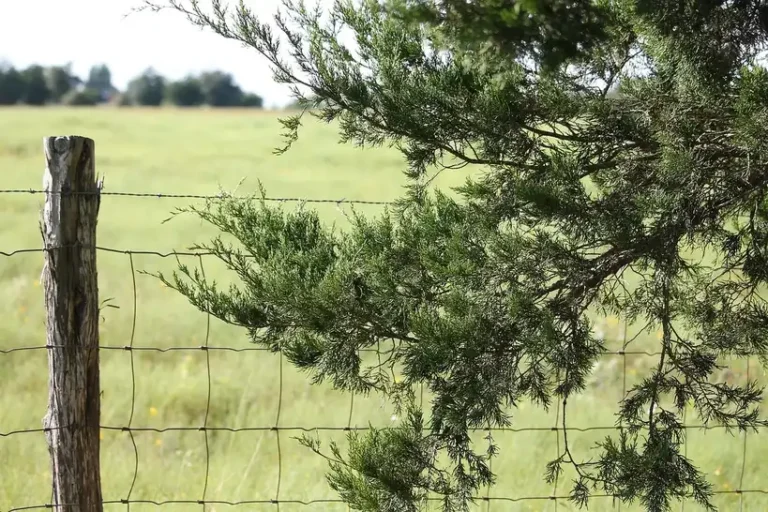
Think of it like plants having natural bug spray. Cedar has evolved to protect itself from boring insects and decay. This is why it’s often used in outdoor furniture and fencing. It can last longer outdoors because of these properties.
The main compounds in cedar that are insect-repellent are called terpenes. These are volatile organic compounds. They evaporate into the air, creating the scent. When insects smell these compounds, they often stay away. This is especially true for moths and some beetles. These same oils affect how cedar behaves as firewood too — see our guide on burning cedar safely for how they influence burn rate, smoke, and creosote buildup.
However, it’s important to know that not all cedar is the same. Different species of cedar have different levels of these aromatic oils. For example, Eastern Red Cedar (Juniperus virginiana) is often cited for its insect-repelling qualities. Western Red Cedar (Thuja plicata) also has some properties, but perhaps less potent for certain pests.
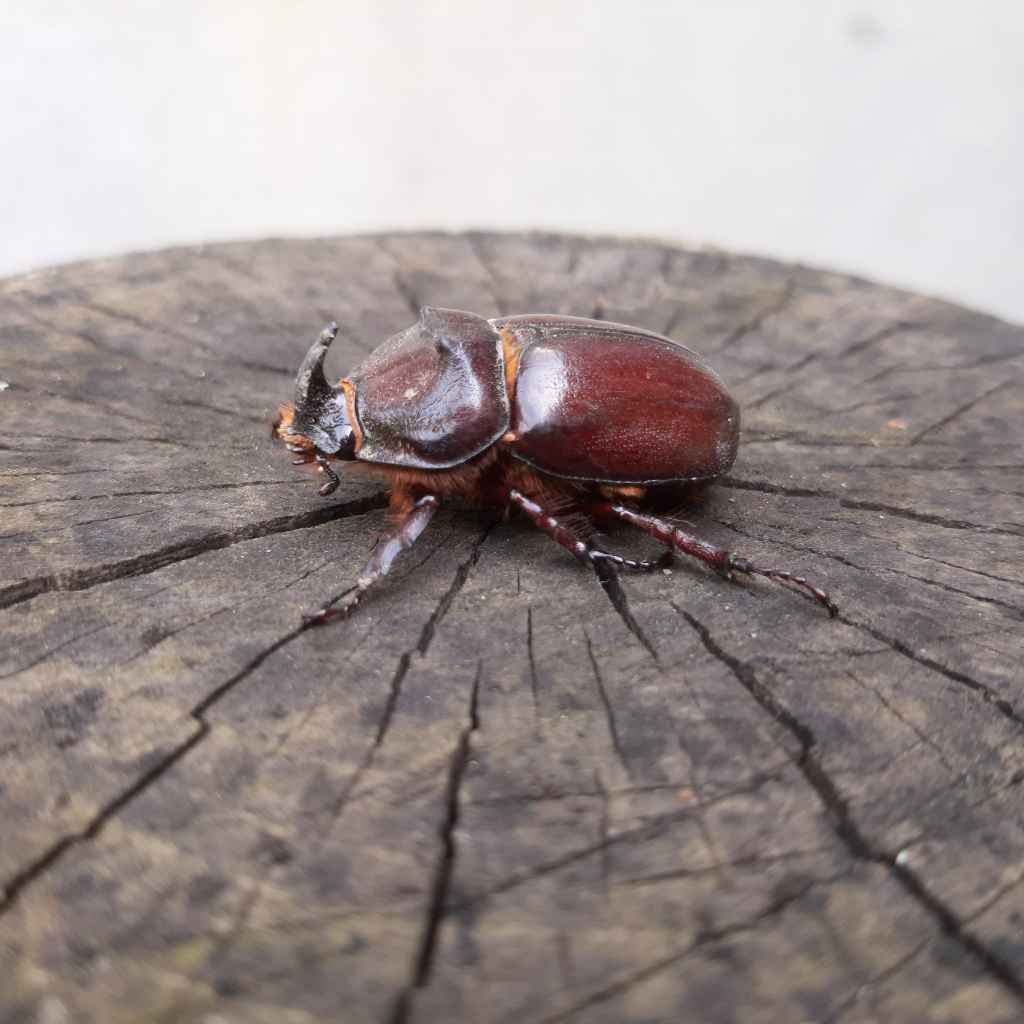
My Experience: The Moth and the Cedar Chest
I remember my grandmother’s cedar chest. It was a beautiful, old trunk filled with blankets and linens. She swore by it to keep moths away. For years, it seemed to work. The blankets smelled lovely and I never saw a moth hole. I was convinced cedar was the ultimate moth repellent.
Then, one summer, I inherited a lot of vintage clothing. I stored some delicate wool sweaters in a different closet, and some in my own cedar-lined hope chest. I thought I was being extra careful. About six months later, I opened the cedar chest. The wool sweaters inside were fine. But the ones in the other closet? Disaster. Moths had chewed through them.
I felt a surge of relief, then smugness. Cedar worked! But then I looked closer. The cedar chest itself had lost some of its scent. It felt a bit dry. And I realized a few things. The effectiveness wasn’t magic. It was tied to that strong, fresh cedar smell.
This experience taught me a valuable lesson. Cedar’s power isn’t permanent. The scent, and therefore the repellent quality, fades over time. That’s when I started digging deeper into the science behind it.
Cedar’s Insect-Repelling Powers: By the Numbers
Moth Larvae: Studies show cedar oil can be effective against moth larvae. They tend to avoid areas with high concentrations of cedar compounds.
Clothes Moths: Adult clothes moths are also sensitive to cedar’s scent. They may lay fewer eggs near cedar.
Wood-Boring Insects: Cedar is naturally resistant to many wood-boring beetles. This is why it’s used for outdoor structures.
Cockroaches & Ants: Some research suggests cedar might deter these pests, but results are mixed. It’s not a primary defense.
The Science Behind Cedar’s Scent and Insects
The key players in cedar’s insect defense are its essential oils. These oils contain compounds like thujaplicins and cedrol. These chemicals act as natural pesticides. They can disrupt insect nervous systems or deter them from landing and feeding.
For clothes moths, the smell is the primary deterrent. Moth larvae are the ones that eat fabric. The scent of cedar is thought to mask the odors from fabrics that attract moths. It also seems to irritate them. This makes them less likely to settle and lay eggs.
However, this effect is strongest when the cedar is fresh. As cedar ages, the volatile oils evaporate. The scent weakens. This is why cedar products need to be refreshed. Sanding cedar wood can release more of the scent. Cedar essential oils can also be reapplied.
It’s also important to consider the concentration of these compounds. A whole cedar closet will have a much stronger effect than a few cedar chips. For persistent or heavy infestations, cedar alone is often not enough.
Types of Cedar and Their Insect-Repelling Strength
Not all cedar trees are created equal when it comes to bug repellency. Here are some common types and what is known about them:
Eastern Red Cedar (Juniperus virginiana): This is one of the most effective types. It has a strong scent and is known for repelling moths, carpet beetles, and even silverfish. It’s often used for closet linings and chests.
Western Red Cedar (Thuja plicata): This is a popular wood for outdoor projects like decks and fences. It’s naturally resistant to decay and insects. Its insect-repelling properties are generally considered good, especially against wood-boring insects.
Aromatic Red Cedar: This term is often used to describe Eastern Red Cedar, highlighting its strong, pleasant smell and insect-repelling qualities.
The smell is the primary weapon. When the wood is new, the scent is strong. As it ages, the oils diminish. The wood becomes less effective. This is why many cedar products come with instructions for maintenance.
When Cedar’s Scent Fades: What Happens?
Scent Loss: Over time, the natural oils in cedar evaporate. This reduces its effectiveness.
Physical Damage: Exposure to air and light can also degrade the wood’s compounds.
Reactivation: Light sanding can expose fresh wood and release more scent. Reapplying cedarwood oil also helps, and a diluted spray extends coverage well beyond what raw wood alone can reach.
How Cedar Repels Specific Pests
Let’s break down how cedar works against common household pests.
Clothes Moths
Clothes moths are attracted to natural fibers like wool, silk, and fur. They lay eggs on these items. The larvae then hatch and eat the fibers, causing damage.
Cedar’s aromatic oils interfere with the moths’ sense of smell. They can’t easily find the fabrics to lay their eggs. The scent may also be irritating to the moths and their larvae. This makes them move away.
However, this is most effective in enclosed spaces like cedar chests or closets. The scent needs to be concentrated. If the cedar is old or has lost its smell, it won’t do much.
Carpet Beetles
Carpet beetles are another fabric pest. Their larvae feed on natural fibers. They can cause damage to carpets, upholstery, and clothing.
Similar to moths, cedar’s scent can deter carpet beetles. The compounds in cedar oils can be toxic to their larvae if they ingest them. But again, the freshness of the cedar is key.
Wood-Boring Insects
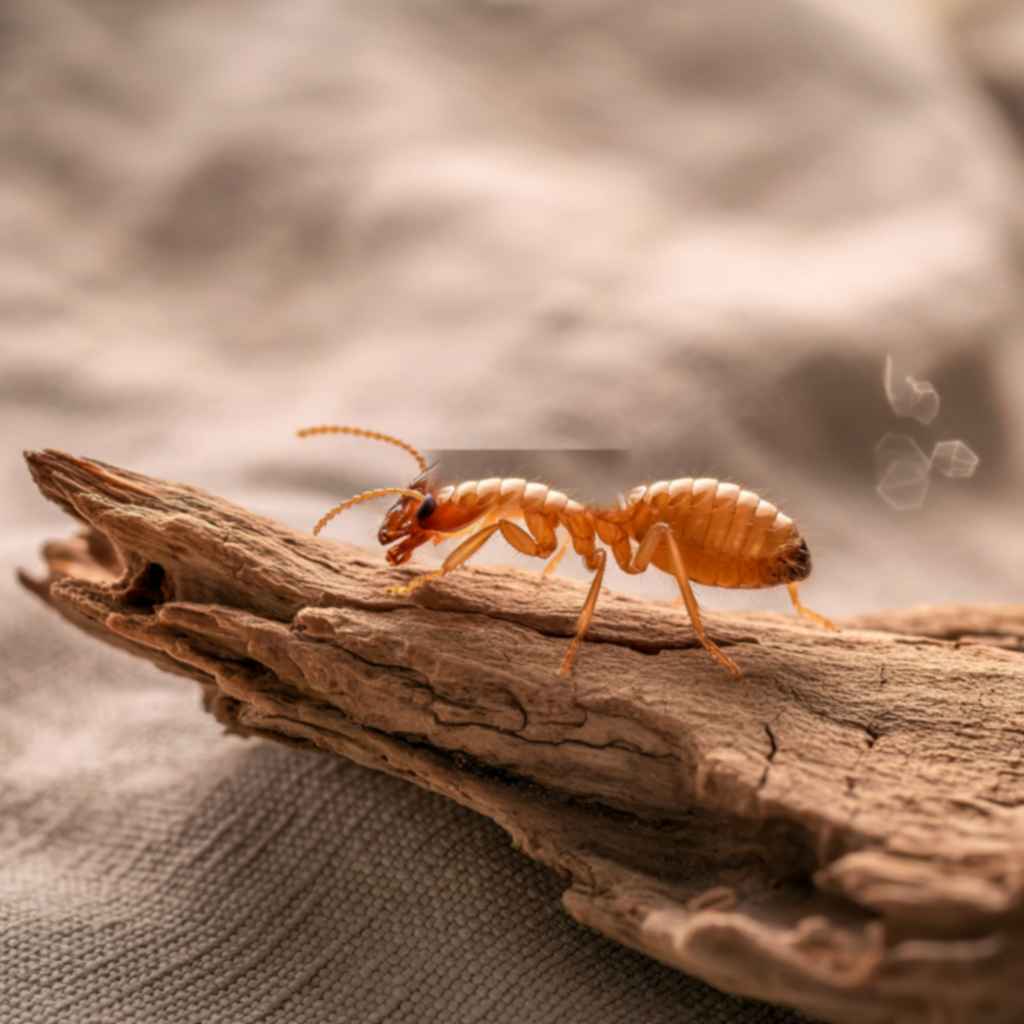
In outdoor settings, cedar is known for its resistance to termites and other wood-boring insects. This is due to the natural oils and resins in the wood. These compounds make the wood unpalatable or toxic to these pests.
This is why cedar is a good choice for decks, fences, and outdoor furniture. It stands up well to the elements and bugs. But even outdoor cedar can eventually be compromised.
Other Pests (Ants, Cockroaches, Spiders)
Some people use cedar to try and deter ants, cockroaches, or spiders. Against cockroaches specifically, that’s more than anecdotal — Auburn University confirmed aromatic cedar significantly repels German and brownbanded roaches in controlled testing, though it doesn’t kill them.
However, cedar is generally not considered a primary solution for these pests. For a serious infestation of ants or cockroaches, you would likely need more potent methods. Spiders might avoid areas with strong cedar smells, but they can often find ways around it.
Cedar vs. Other Natural Repellents
Peppermint Oil: Strong scent that deters spiders and ants. Needs frequent reapplication.
Lavender: Pleasant smell for humans, but moths dislike it. Often used in sachets.
Diatomaceous Earth: Physical killer of insects. Works by dehydrating them.
Cedar: Good for moths and wood borers, but scent fades. Relies on natural oils.
Real-World Context: Where Cedar Shines
Cedar wood is best used in specific situations where its properties are most effective.
Closets and Chests
This is the classic use for cedar. Lining closets or using cedar chests for storing woolens and other natural fiber items is a smart move. The enclosed space helps concentrate the scent. It provides a good first line of defense against clothes moths.
When buying cedar closet liners, look for solid cedar panels rather than just cedar-scented paint or veneer. The solid wood releases the natural oils.
Outdoor Structures
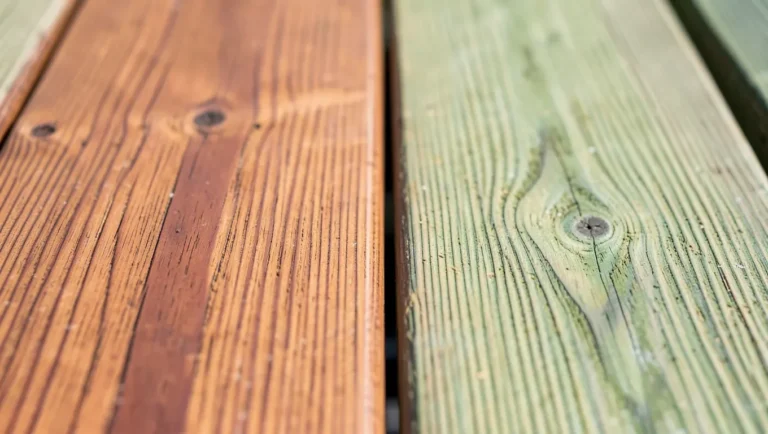
As mentioned, cedar is excellent for outdoor furniture, decks, and fences. Its natural resistance to decay and insects means it lasts longer than many other woods. This saves on replacement costs and maintenance.
Crafts and Storage
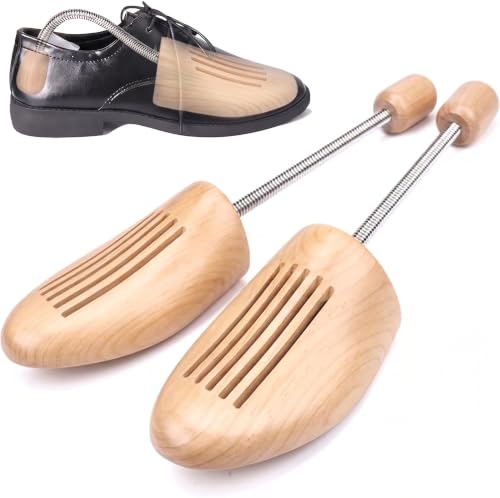
Small cedar blocks or shavings can be used in drawers or storage bins. They help keep things smelling fresh and can offer some protection against minor pests. Think about cedar sachets for drawers or shoe trees.
What This Means for You: Realistic Expectations
So, does cedar wood repel insects? Yes, it does. But it’s not a foolproof or permanent solution for every pest.
When Cedar Is Enough
Cedar is a great preventative measure. It’s excellent for protecting woolens in closets from moths when the cedar is fresh and the space is enclosed. It’s also a durable and naturally resistant material for outdoor use.
When You Need More
If you have a full-blown infestation of moths, carpet beetles, or other fabric pests, cedar alone might not be enough. You may need to:
Clean thoroughly: Vacuum carpets and upholstery. Wash or dry-clean infested items.
Use other methods: Consider natural deterrents like lavender or peppermint oil, or stronger options if necessary.
Refresh your cedar: If your cedar items have lost their scent, try sanding them lightly.
For pests like ants, cockroaches, or termites outdoors, cedar might help a bit, but it shouldn’t be your only strategy. And if pests are already inside outdoor lumber, a surface finish will not solve it either — see whether polyurethane can kill bugs already in wood before you coat over an active infestation. Integrated pest management is usually best.
Simple Checks for Your Cedar Items
Smell Test: Does your cedar chest or closet still have that distinct cedar aroma? If not, it’s time for maintenance.
Visual Inspection: Look for any signs of damage to the wood itself.
Fabric Check: If you’re using cedar for storage, check your items periodically for any signs of pest damage.
Quick Fixes & Tips for Cedar Users
Here are some easy ways to get the most out of your cedar products:
Sand It: Lightly sand the surface of cedar wood every 6-12 months. This will release more of the aromatic oils and refresh the scent. Use fine-grit sandpaper.
Reapply Cedar Oil: You can buy cedar essential oil or cedarwood oil. Apply a few drops to a cloth and wipe down cedar surfaces. This will boost the scent and its repellent qualities.
Use Solid Cedar: Opt for solid cedar products (chests, closet liners) rather than those with just a cedar veneer. The solid wood provides a more consistent and long-lasting scent.
Combine with Other Methods: For extra protection, especially in closets, you can use cedar alongside other natural deterrents like lavender sachets.
Proper Storage: Make sure items stored in cedar chests or closets are clean. Food stains or body oils can attract pests, even to cedar.
Cedar Maintenance Guide
Frequency: Sand or reapply oil every 6-12 months.
Method for Sanding: Use fine-grit sandpaper (120-220 grit). Sand gently in the direction of the wood grain.
Method for Oil: Apply a few drops of cedarwood oil to a soft cloth. Wipe evenly onto the cedar surface. Let it dry.
Ventilation: After sanding or oiling, allow the area to air out for a day or two before storing items.
Frequently Asked Questions About Cedar and Insects
Does cedar repel all insects?
No, cedar wood is most effective against certain types of insects, particularly clothes moths, carpet beetles, and some wood-boring insects. It may have some effect on others like ants or spiders, but it’s not a guaranteed solution for all pests.
How long does cedar’s insect-repelling power last?
The effectiveness of cedar depends on its natural oils. These oils evaporate over time, and their scent fades. The power can last for several years, but it needs refreshing through sanding or reapplying cedar oil to maintain its strength.
Can I use cedar chips or shavings as insect repellent?
Yes, cedar chips and shavings can provide some repellent qualities, especially in small, enclosed spaces like drawers or closets. However, their effectiveness is lower than solid cedar products because they have less surface area and their scent may dissipate more quickly.
Is cedar wood safe for pets?
Cedar wood, especially the shavings and dust, can be irritating to the respiratory systems of some pets, particularly birds and small mammals like hamsters or rabbits. It’s generally recommended to avoid using cedar bedding for these animals. For larger pets like dogs, small amounts of cedar in furniture or flooring are usually not a problem, but be aware of potential sensitivities.
What is the difference between cedar planks and cedar-scented products?
Cedar planks are made from solid cedar wood and contain natural aromatic oils that repel insects. Cedar-scented products, on the other hand, may only have a coating or fragrance added. They might smell like cedar but won’t offer the same natural insect-repellent benefits.
How often should I sand my cedar closet or chest?
You should sand your cedar closet or chest about once every 6 to 12 months, or whenever you notice the cedar scent has faded significantly. Lightly sanding the surface will expose fresh wood and release more of the natural oils.
Conclusion: A Natural Helper, Not a Miracle Cure
Cedar wood is a wonderful natural resource with real insect-repelling properties. Its pleasant scent comes from compounds that deter pests like moths and beetles. It’s a great choice for protecting your woolens in closets and for durable outdoor projects.
However, it’s important to remember that cedar’s power comes from its scent, which fades over time. Regular maintenance like sanding or reapplying cedar oil is key to keeping it effective. Think of cedar as a valuable ally in pest prevention, rather than a stand-alone miracle cure for all insect problems. Used wisely, it offers a natural and effective way to keep certain pests at bay.
Sponsored / affiliate links. As an Amazon Associate I earn from qualifying purchases. I may earn additional commission from eligible campaigns.