Are Cedar Closets Worth It? Real Cost vs. Moth Protection
Cedar closets are worth it for most people who store wool, silk, or other moth-vulnerable fabrics long-term, because aromatic cedar oils genuinely repel clothes moths and the wood naturally resists mildew in a humid closet. Where the marketing oversells it: that protection isn’t permanent. The oils that do the actual work fade within 6 to 12 months of installation, and a cedar closet that’s never refreshed is really just an expensive, nice-smelling storage room within a couple of years. Here’s the real cost, what maintenance it actually needs, and when a cedar closet doesn’t make sense at all.
What Cedar Closets Actually Do
Best Budget Alternative to a Full Cedar Closet
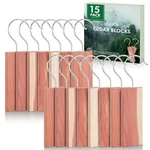 |
ESRICH Cedar Blocks for Clothes Storage (15-Pack) – $9.99 A lighter-weight way to get cedar’s moth-repelling oils in a standard closet without a construction project.
|
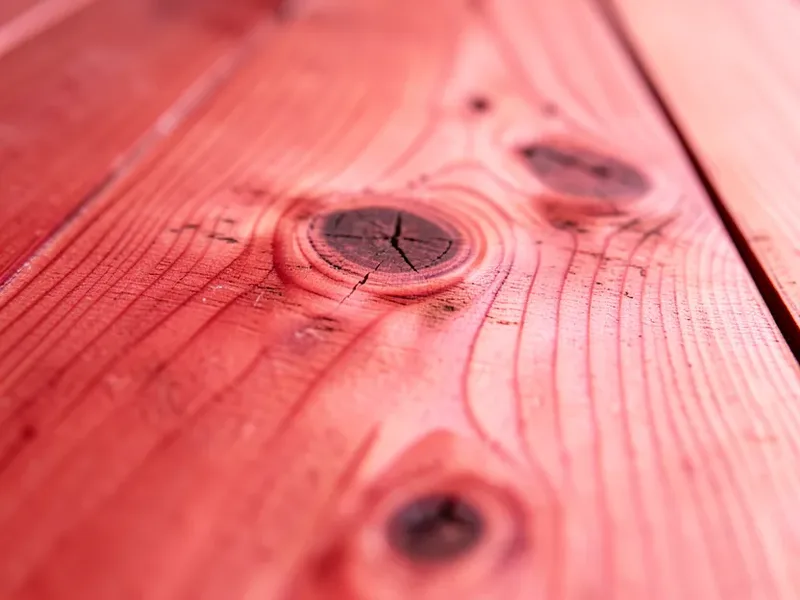
- Repels clothes moths. The aromatic oils in aromatic red cedar (Juniperus virginiana, the species almost always used for closet lining) are genuinely unpleasant to moth larvae, which is what actually damages wool and other natural fibers – this isn’t folk wisdom, it’s a documented insect deterrent.
- Resists moisture and mildew. Cedar’s natural resistance to rot means it tolerates the humidity swings of a closet better than most woods, which helps protect stored fabric from mustiness and mold.
- Adds a pleasant scent, at least while the oils are fresh – this is cosmetic, not protective, but it’s the reason most people notice cedar closets at all.
What cedar closets don’t do: eliminate odors already trapped in fabric (that’s absorption and airflow, not a cedar-specific property), or repel moths indefinitely without any maintenance. Both of those claims show up constantly in cedar-closet marketing and neither is fully accurate.
Real Cost: DIY vs. Professional
| Approach | Typical Cost | Notes |
|---|---|---|
| DIY cedar plank lining, small closet | $300 – $800 | Tongue-and-groove cedar planks, basic tools (measuring tape, saw, nail gun or adhesive) |
| DIY cedar plank lining, walk-in closet | $800 – $2,000 | More material and more cutting/fitting time around shelving and corners |
| Professional installation | $1,500 – $3,500+ | Includes labor, often better fitted around existing shelving and trim |
| Cedar closet liner panels (thin, glue-up) | $150 – $400 | Cheaper alternative to solid tongue-and-groove planks, thinner oil reserve so scent fades faster |
The cost swing between a basic liner-panel job and a full professional tongue-and-groove installation is significant, and it’s not just labor – solid cedar planks hold more aromatic oil in the wood itself and last longer between refreshes than the thin liner panels sold as a budget option, so the cheaper material genuinely underperforms over time, not just on installation cost.
Maintenance: The Part Most Guides Leave Out
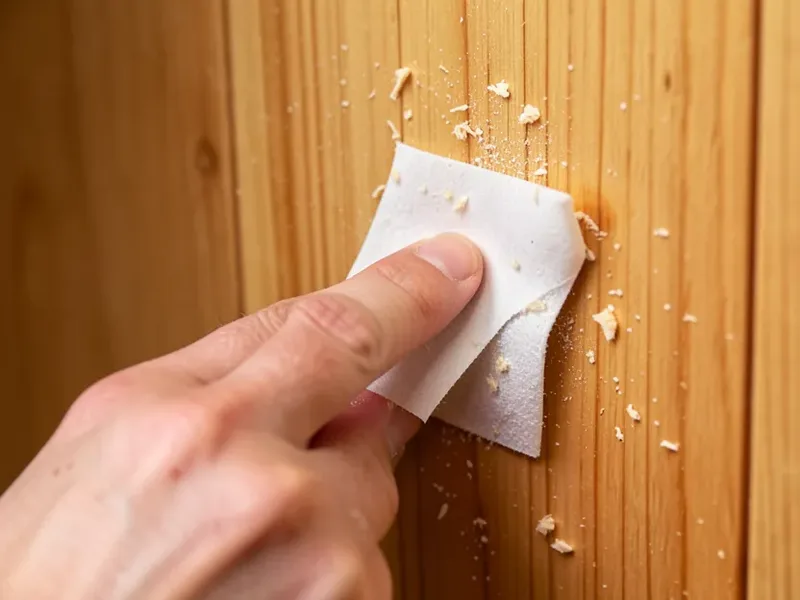
Cedar’s scent (and the moth-repelling oil that comes with it) fades as the exposed wood surface oxidizes, typically within 6 to 12 months depending on humidity and how often the closet door is opened. Light sanding with fine-grit sandpaper, going with the wood grain, removes that oxidized layer and exposes fresh oil underneath – this is genuinely effective and takes maybe 15-20 minutes for an average closet, but it does need to happen roughly once or twice a year to keep the moth protection meaningful. Skip this step and you have a nice-looking wood-paneled closet with a fading scent and declining pest protection, not the “install it once and forget it” product it’s often sold as.
Cedar vs. Other Closet Materials
Pine and oak are both viable closet lining alternatives, but neither offers cedar’s insect-repelling oils – they’re chosen for looks and durability, not pest protection. If moth protection is the actual goal and a full cedar-lined closet is out of budget, cedar balls, blocks, or hanging sachets placed inside a standard closet provide a lighter-weight version of the same oil-based protection, refreshed by light sanding the same way, for a fraction of the installation cost. It’s a real trade-off: less complete coverage and a shorter effective range per piece, but no construction project required.
Who Should Skip a Cedar Closet
Cedar wood can trigger allergic reactions in some people and pets – sneezing, coughing, or skin irritation from prolonged close contact with the oils, particularly in a small, enclosed space like a closet. If anyone in the household has a known cedar or juniper sensitivity, cedar balls or sachets in a ventilated area are a safer bet than a fully cedar-lined closet. It’s also not worth the investment for someone who mostly stores synthetic fabrics, since moths target natural fibers like wool, silk, and some cottons – a closet full of polyester and cotton blends gets little practical benefit from the moth-repelling side of cedar at all, even though the moisture resistance still helps.
Frequently Asked Questions
What are the benefits of cedar closets?
Cedar closets repel clothes moths through natural aromatic oils, resist moisture and mildew better than most woods, and add a pleasant scent while the oils are fresh. The moth protection is real but fades as the wood surface oxidizes.
Do cedar closets eliminate odors?
Not entirely. Cedar adds its own pleasant scent and helps keep a closet smelling fresh, but it doesn’t chemically neutralize odors already trapped deep in fabric the way the marketing sometimes implies – good airflow and clean clothing matter too.
Are cedar closets expensive?
A basic DIY cedar-lined closet runs roughly $300 to $800, while a professionally installed walk-in can run $1,500 to $3,500 or more. Thin cedar liner panels cost less upfront but hold less oil and need refreshing sooner than solid tongue-and-groove planks.
How long do cedar closets last?
The wood itself can last decades structurally, but its moth-repelling effectiveness fades within 6 to 12 months unless you lightly sand the surface to expose fresh oil. Without that periodic refresh, the pest-repelling benefit declines well before the wood itself wears out.
Bottom Line
Cedar closets are worth it if you actually store wool, silk, or other natural fibers long-term and you’re willing to sand the surface once or twice a year to keep the oils working. If you want the scent without the upkeep or the construction cost, cedar blocks and sachets deliver a smaller version of the same benefit for a lot less money and effort.
Sponsored / affiliate links. As an Amazon Associate I earn from qualifying purchases. I may earn additional commission from eligible campaigns.