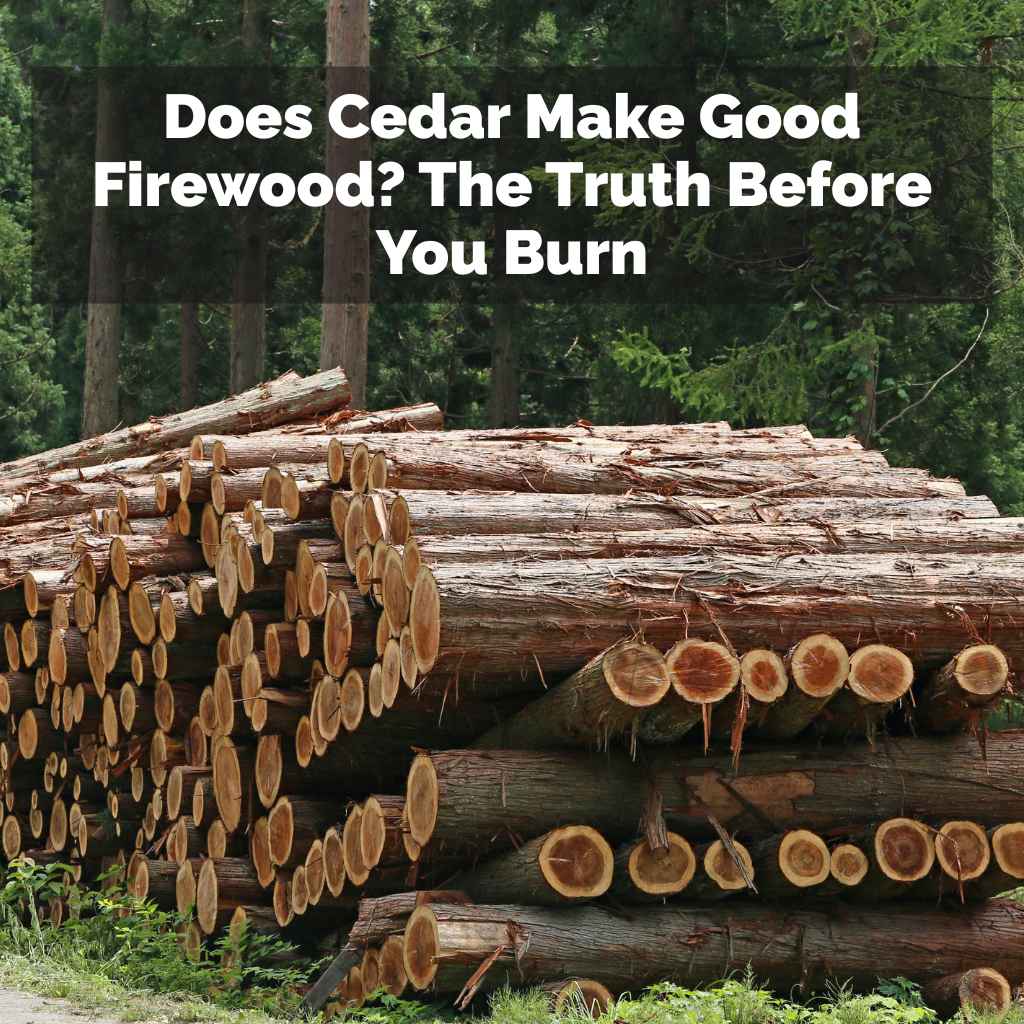
Does Cedar Make Good Firewood? The Truth Before You Burn
You’ve got a pile of cedar logs, maybe from a recent project or clearing. Now you’re wondering, “Can I burn this wood for heat?” It’s a common question, especially with cedar’s distinct smell. Many people think it’s a great option.
But before you toss that log in the fire, let’s explore what really makes a good firewood. We’ll look at the benefits and the real drawbacks of burning cedar. You’ll learn how it stacks up against other woods and what you need to know to stay safe and warm.
Let’s get to the bottom of this fragrant, yet tricky, firewood choice.
Burning cedar as firewood can be done, but it’s not ideal for primary heating. It burns fast and hot, producing a lot of smoke and sparks. While it offers a pleasant aroma, it can damage your chimney over time due to creosote buildup. Cedar is better suited for quick fires or adding scent to an existing burn. Always ensure wood is seasoned properly for any type of firewood.
What Makes Cedar Wood Different for Fires?
Cedar wood is known for its beautiful color and wonderful smell. Many people love it for outdoor furniture or small projects. But when it comes to burning it for heat, things get a bit more complicated. Cedar has a lower density than hardwoods like oak or maple. This means it doesn’t hold onto heat for as long.
Think about it this way: Hardwoods are like big, slow-burning logs that give you steady heat. Softwoods, like cedar, are more like quick bursts of energy. They catch fire easily and burn very hot, very fast. This is because they have more resins and sap inside them. These sticky, oily substances help them ignite quickly. But they also contribute to the smoke and sparks you get from burning cedar.
So, while that lovely cedar scent fills the air, it’s a sign of the wood’s makeup. It’s this very makeup that makes it less than perfect for keeping your house warm all night. It can even cause problems if you use it too much. We’ll dive into those specific issues next.
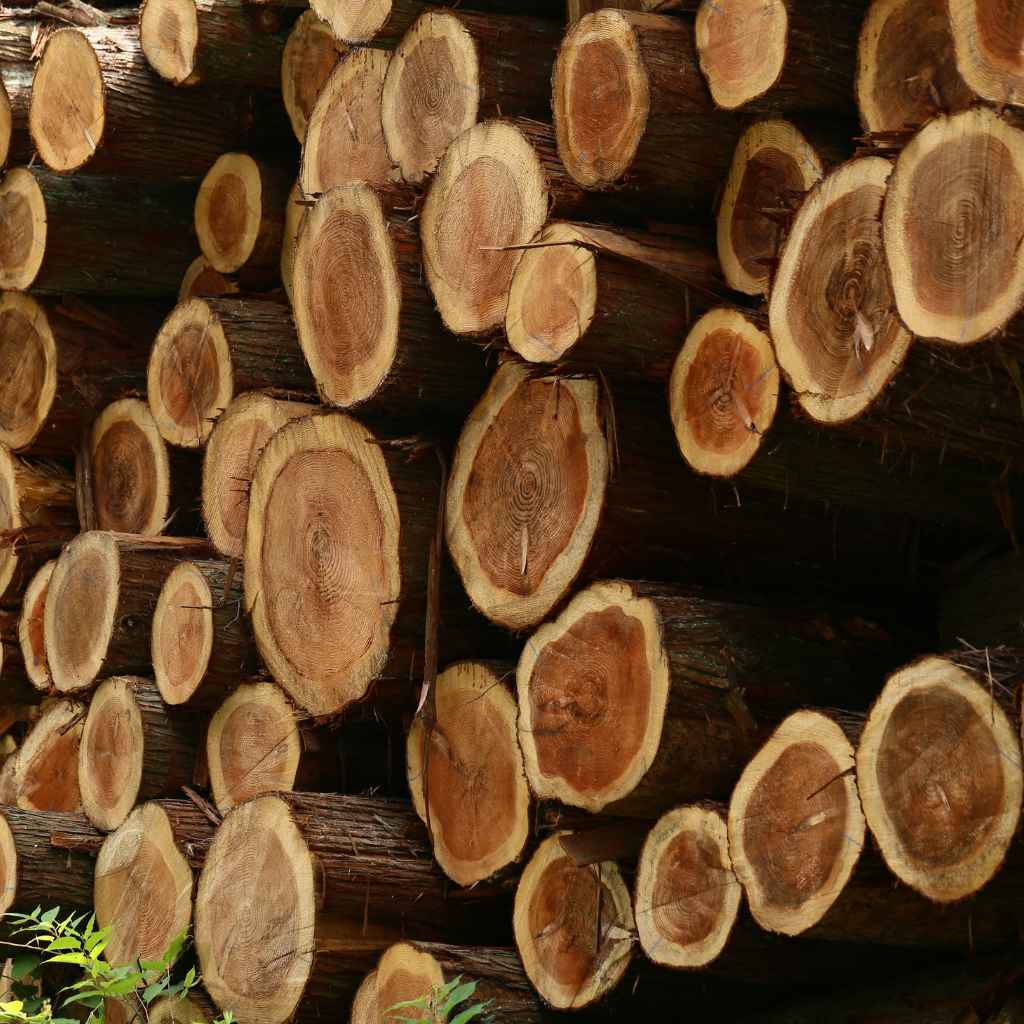
My First Cedar Fire Fiasco
I remember my first time trying to use some leftover cedar fence posts. I’d heard cedar smelled nice when burned. It was a cool fall evening, and I wanted to get a fire going quickly on our back patio. I tossed a few of the smaller cedar pieces into the fire pit.
Wow, did it light up fast! The flames leaped high, and that strong, clean cedar smell filled the air. It was quite pleasant. But then came the popping and snapping. Little embers were flying out of the pit. I quickly grabbed the fire poker, a bit nervous.
Then, the smoke became thicker than I expected. It wasn’t just the nice scent anymore; it was a bit more acrid. I realized pretty fast that this wasn’t going to be a long, cozy burn. It was more of a show. I had to keep adding more wood much sooner than I thought I would. That’s when I started to understand that cedar is very different from the seasoned oak I usually burned. It was an eye-opener.
Cedar: The Quick Burner
What it is: Cedar is a softwood. It has low density.
How it burns:
- Lights up very fast.
- Burns very hot, but for a short time.
- Produces many sparks and pops.
- Gives off a lot of smoke.
Why it’s like this: High sap and resin content.
The Science Behind Cedar’s Burn
Let’s talk a little bit about why cedar acts the way it does in a fire. It all comes down to what’s inside the wood. Cedar, like other softwoods such as pine or fir, has a lot of volatile organic compounds. These are basically chemicals that turn into gas when heated.
These gases are highly flammable. That’s why cedar lights up so easily and burns so brightly. The sap and resins are full of these compounds. When the wood heats up, the sap melts and then vaporizes rapidly. This causes the wood to ignite with gusto.
However, these same volatile compounds are also responsible for creosote. Creosote is a black, tar-like substance that coats the inside of your chimney. When cedar burns, it releases more of these compounds. This means it creates more creosote than hardwoods do.
Creosote is not just messy; it’s dangerous. It’s highly flammable and is the main cause of chimney fires. The more creosote you have, the higher the risk. So, while cedar offers a quick, hot flame, it comes with a significant risk if not managed carefully.
Real-World Cedar Burning Scenarios
Imagine you’re camping in the Pacific Northwest. You find some fallen cedar branches. They are dry and seasoned. You need to start a quick fire to boil some water for hot cocoa. Cedar is perfect for this. It will light easily with minimal effort, even with damp kindling. The warmth it provides is fast.
Now, picture a cold winter night in Minnesota. Your furnace is struggling, and you rely on your wood stove to keep your home warm. You look at your woodpile. You have a lot of cedar. If you fill your stove with only cedar, you’ll find yourself constantly feeding the fire. The heat will be intense for a short while, then drop off. You’ll be up every hour or two to add more wood. Plus, you’ll have a lot more smoke coming into your house if the draft isn’t perfect. This can make the air unhealthy.
In another scenario, you might use cedar for a specific purpose. Perhaps you’re roasting marshmallows over an outdoor fire pit. You want a quick, hot flame for a few minutes. Cedar is great for this. It gives you that intense heat right away. Just be ready for the sparks.
Consider a different situation. You have a fireplace in your living room. You want a roaring fire to create ambiance for a party. You might use cedar for the first 10-15 minutes to get a nice, bright display. But then, you’d switch to denser hardwoods to maintain a steady, long-lasting warmth and reduce the risk of excessive creosote.
What Does Burning Cedar Mean for Your Home?
So, what are the practical takeaways for you and your home? Burning cedar wood has a few key implications.
When Cedar Burning is Okay
Cedar can be used for short, quick fires. Think campfires, fire pits on a mild evening, or getting a main fire started before adding slower-burning wood. It’s good for a quick burst of heat or light. The smell can be a nice bonus for short periods. It’s also often used as kindling because it ignites so easily.
If you live in a very dry climate where wood burns quickly anyway, a small amount of cedar might fit into your routine. However, seasoned cedar is crucial. Unseasoned wood, regardless of type, causes more smoke and creosote.
When to Be Concerned About Cedar
The main concern with cedar is creosote buildup. If you rely on cedar as your primary heating fuel, especially in a wood stove or fireplace that isn’t designed for fast-burning woods, you risk serious chimney problems. This includes chimney fires.
Cedar also burns out quickly. This means you’ll use more wood overall to get the same amount of heat as hardwoods. This can be more costly and time-consuming. The increased smoke production can also be an issue, leading to a messier firebox and potentially smoky rooms.
Simple Checks to Make
Before burning any wood, always check that it’s seasoned. Seasoned wood is dry wood. It should have been cut, split, and stacked for at least six months, preferably a year. It will feel lighter and have cracks on the ends.
Listen to your chimney. If you hear crackling or popping sounds that seem excessive, it might be a sign of creosote. If you see a lot of black soot building up in your firebox, that’s also a clue.
Most importantly, schedule regular chimney cleanings. This is non-negotiable, especially if you burn wood frequently. A professional chimney sweep can remove dangerous creosote buildup. They can also inspect your chimney for any damage.
Cedar vs. Hardwoods: A Quick Look
| Feature | Cedar (Softwood) | Oak (Hardwood) |
|---|---|---|
| Burn Time | Short | Long |
| Heat Output | High, quick bursts | Steady, sustained |
| Ease of Lighting | Very easy | Harder, needs good kindling |
| Sparks/Pop | High | Low |
| Smoke/Creosote | High | Low |
| Density | Low | High |
Understanding Cedar’s Moisture Content
The moisture content of any firewood is a critical factor. This is true for cedar and all other wood types. When wood is cut, it’s full of water. This water needs to escape for the wood to burn efficiently and safely. This process is called seasoning.
Green wood, or unseasoned wood, is wood that has not been dried properly. When you try to burn green cedar, it’s like trying to burn a wet sponge. A lot of the energy from the fire is used just to boil off the water inside. This results in very little heat being produced.
More importantly, burning green wood creates a lot more smoke. This smoke contains unburned particles and moisture. These combine to form creosote much faster. So, even if cedar is a fast burner, burning it green makes it even worse for your chimney.
Seasoned cedar, on the other hand, has had most of its moisture removed. It will be lighter and easier to split. It will crackle and pop less than green wood. It will also produce more heat. The ideal moisture content for firewood is typically between 15% and 20%.
How can you tell if cedar is seasoned? If you bought it, ask the supplier. If you cut it yourself, it needs to be stacked off the ground, ideally covered on top, and allowed to air dry for at least six months to a year. You might see cracks on the ends of the logs, and the wood will feel lighter. You can also buy a wood moisture meter for a very accurate reading.
The Scent Factor: Cedar’s Aromatic Appeal
One of the main reasons people are drawn to burning cedar is its smell. Cedar trees produce natural oils and compounds that give them their distinctive, pleasant aroma. When burned, these compounds are released into the air, creating a wonderful fragrance.
For many, this scent evokes feelings of nature, the outdoors, and a cozy atmosphere. It’s a strong smell, often described as clean, fresh, or even slightly sweet. This makes it appealing for short fires where you want to enjoy the sensory experience.
However, this strong scent is also an indicator of the volatile nature of cedar. The same compounds that create the smell are the ones that contribute to creosote. So, while you enjoy the beautiful aroma, remember that it’s a sign of what’s happening inside your chimney.
Some people use cedar for smudging or aromatherapy. Burning small amounts for a short time for the scent might be acceptable. But relying on it for heat means accepting a higher risk of creosote. The smell is a double-edged sword: pleasant, but a warning sign.
Cedar Burning: Quick Tips
- Use as Kindling: Great for starting fires quickly.
- Short Bursts Only: Ideal for quick campfires or fire pits.
- Mix with Hardwoods: Combine with oak or maple for longer burns.
- Always Season: Ensure wood is dry (15-20% moisture).
- Chimney Safety First: Clean chimneys regularly.
- Watch for Sparks: Use a screen for fire pits.
Cedar vs. Other Common Firewood Types
To truly understand if cedar is a good firewood, it helps to compare it to other common types. This helps you make informed choices for your home.
Hardwoods
Oak: Very dense, burns slowly and steadily. Provides excellent, long-lasting heat. Produces minimal sparks and creosote when seasoned. This is often considered a top-tier firewood.
Maple: Similar to oak in density and burn time. Offers great heat. Some varieties can be a bit smokier than oak.
Ash: Burns well and produces good heat. It’s a bit less dense than oak but still a solid choice. Ash can be burned even when slightly less seasoned than other hardwoods.
Hickory: Very dense and burns hot and long. Known for its pleasant aroma. Can be harder to split and season.
Softwoods (Besides Cedar)
Pine: Also a softwood, burns fast and hot. Produces a lot of sparks and creosote due to high resin content. Smells good but needs careful burning. Often used as kindling or for quick fires.
Fir: Similar to pine, but often a bit less resinous. Burns quickly and produces decent heat for its type. Still a softwood with moderate creosote risk.
Compared to these, cedar falls firmly into the fast-burning, high-resin, high-creosote category. It’s not a bad wood, but it has specific uses. It’s not the workhorse for consistent winter heating that hardwoods are.
Fireplace and Wood Stove Considerations
The type of heating appliance you have matters a lot when deciding on firewood. Modern wood stoves are designed to burn wood very efficiently. They often have excellent draft systems and secondary combustion features that help burn off gases and reduce creosote.
However, even the best wood stove can have issues with constant use of high-resin woods like cedar. The high heat output of cedar can be hard on some stove components over time. Also, if the stove’s draft isn’t perfect, you’ll get more smoke.
Traditional open fireplaces are less efficient. They often have a weaker draft. This means smoke and unburned particles are more likely to enter your room. They also tend to accumulate creosote faster because the combustion isn’t as complete. Burning cedar in an open fireplace requires extra caution due to the increased sparks and creosote potential.
If you have an outdoor fireplace or a fire pit, cedar is often a more suitable choice. These are generally used for shorter periods, and the risk of indoor air quality issues or severe chimney damage is lower. Plus, the sparks are less of a concern in an open outdoor setting.
Safety First: When Burning Cedar
Safety should always be your top priority when burning any wood. With cedar, there are a few specific things to keep in mind.
Spark and Ember Management
Cedar pops and sparks a lot. This is due to the rapid release of gases and the resins. In a fire pit, use a sturdy spark screen. This is essential to prevent stray embers from igniting nearby dry leaves, grass, or outdoor furniture. Keep a bucket of water or sand nearby, just in case.
Inside your home, in a fireplace, make sure your fireplace screen is in good condition. Ensure it’s closed when the fire is burning. Never leave a fire unattended, especially when burning wood that produces a lot of sparks.
Creosote and Chimney Fires
As we’ve discussed, the biggest danger with cedar is creosote buildup. Regular chimney inspections and cleanings are vital. If you burn a lot of cedar, you might need more frequent cleanings than someone who burns only hardwoods. A professional chimney sweep can tell you how often you should have your chimney serviced based on your burning habits.
What are the signs of a chimney fire? You might hear a roaring or rumbling sound coming from the chimney. You might see flames or sparks coming out of the top. Smoke might back up into your house. If you suspect a chimney fire, get everyone out of the house immediately and call the fire department. Do not try to put it out yourself.
Air Quality Indoors and Outdoors
Burning wood releases pollutants into the air. Cedar, being a smokier wood, contributes more to this. If you have respiratory issues like asthma, or if you live in an area with strict air quality regulations, be mindful of how much wood you burn and what type.
On days with poor air quality, it’s often recommended to avoid burning wood altogether. Even a small amount of smoke can make conditions worse. If you notice smoke consistently coming into your home when you burn cedar, it’s a sign that your chimney draft might need adjustment or your appliance needs maintenance.
Cedar Burning Checklist
- Is it seasoned? YES/NO
- Where are you burning? (Fire pit, Stove, Fireplace)
- Do you have a spark screen? YES/NO
- Is your chimney clean and inspected? YES/NO
- Do you have water/sand nearby? YES/NO
- Are you prepared for frequent refueling? YES/NO
Quick Fixes and Best Practices
While cedar isn’t the best choice for primary heating, you can still use it safely and effectively if you understand its properties. Here are some best practices.
Use Cedar as Kindling
Cedar’s ability to light easily makes it excellent kindling. Break up smaller cedar pieces into manageable sizes. They will catch fire quickly and help you get your larger hardwood logs burning. This is probably the most common and sensible use for cedar firewood.
Mix Cedar with Hardwoods
Don’t use cedar exclusively for your fire. Instead, mix it in with denser hardwoods like oak, maple, or ash. Use cedar to get the fire going, then add hardwoods for sustained heat. You can also add a piece of cedar to an established hardwood fire for a quick burst of heat or to reignite embers.
Burn Only Seasoned Cedar
This cannot be stressed enough. Always make sure your cedar is properly seasoned. Dry wood burns hotter, cleaner, and produces less creosote. If your cedar is green or wet, it’s better to let it dry out further or use it for something else entirely.
Keep Your Firebox Clean
Regularly clean out the ash from your firebox. Ash can reduce airflow and affect how well your fire burns. It can also make it harder to see if creosote is building up on the walls.
Know When to Stop
If you’re burning cedar and notice excessive smoke, popping, or sparks, it’s time to stop adding more. Either let the fire die down or switch to a different type of wood if you have it. It’s better to have a less intense fire than a dangerous one.
Frequently Asked Questions About Burning Cedar
Here are some common questions people have about using cedar as firewood.
Is cedar firewood safe to burn?
Cedar firewood can be safe to burn if it is properly seasoned and used cautiously. Its main dangers come from excessive sparks and rapid creosote buildup, which can increase the risk of chimney fires. It’s best used as kindling or for short, quick fires, rather than for primary heating.
Does cedar make a lot of smoke?
Yes, cedar tends to produce more smoke than dense hardwoods. This is due to its high resin content and lower density, which causes it to burn rapidly and incompletely if not seasoned very well. The smoke carries unburned particles that contribute to creosote.
How often should I clean my chimney if I burn cedar?
If you burn a significant amount of cedar, you should have your chimney inspected and cleaned more frequently. A general recommendation is once a year, but for high-resin woods, you might need it done every 50-75 fires, or at least twice a year. Consult with a certified chimney sweep for personalized advice.
Can I use cedar in my indoor fireplace?
You can use cedar in an indoor fireplace, but it’s not recommended as the primary fuel source. Use it sparingly for starting the fire or for short periods when you want a bright, fast flame. Always use a fireplace screen to catch sparks and ensure good ventilation.
What is seasoned cedar firewood?
Seasoned cedar firewood is wood that has been cut, split, and allowed to dry for at least six months to a year. It has a moisture content of around 15-20%. Seasoned wood burns hotter, produces less smoke, and creates significantly less creosote than green or unseasoned wood.
Why does cedar pop and spark so much?
Cedar pops and sparks because of its high concentration of volatile oils and resins. When heated, these substances vaporize rapidly, creating pockets of gas that ignite quickly. This rapid expansion and ignition cause the wood to break apart and send sparks flying.
Is cedar firewood more expensive than other types?
The price of firewood varies greatly by region and supplier. However, cedar is often less expensive than hardwoods because it is more abundant in some areas and is a softwood. Its lower density and faster burn time mean you’ll need to buy more of it to get the same amount of heat as hardwoods, potentially making it less cost-effective for heating.
Final Thoughts on Cedar Firewood
So, can you burn cedar? Yes, you absolutely can. It’s not a wood to be feared, but one to be understood. Cedar is like that friend who’s super energetic and fun for a short while. It gets the party started quickly with its bright flames and lovely scent.
But for long, steady evenings, you need a different kind of friend, like a reliable hardwood. Cedar’s fast burn, high spark factor, and creosote production mean it’s not the best choice for keeping your home warm all winter. Treat it as a special guest for quick fires or as the initial spark that gets your main event going. Always prioritize safety, proper seasoning, and regular chimney maintenance, and you can enjoy cedar’s unique qualities without the risk.