How to Keep Roaches Out of Wood Kitchen Cabinets (What Really Works)
Roaches don’t actually want your cabinet wood – they want the food, moisture, and dark crevices your cabinets happen to provide. That distinction matters, because it changes what actually works. Cedar has a real, documented mild repellent effect from its natural oils, but it will not clear out an existing infestation on its own. Boric acid, applied correctly in cracks and crevices (never on surfaces that touch food), is one of the most effective low-toxicity options available. And sealing the gaps roaches use to get in and out addresses the root cause better than any repellent alone. Below is what genuinely works, what’s overstated, and how to use each method the right way.
Why Roaches Are Really in Your Cabinets (It’s Not the Wood)
Wood itself holds no nutritional value for roaches and isn’t what draws them in. What they’re after is what your cabinets typically offer: crumbs and food residue, a nearby water source (a sink, a dishwasher line, a slow leak under the counter), and dark, undisturbed crevices to hide in during the day. Roaches are nocturnal and thigmotropic, meaning they prefer tight spaces where their bodies touch a surface on multiple sides – the gap behind a cabinet toe-kick or the seam where two cabinet boxes meet is exactly that kind of space. Fix those three conditions (food, moisture, hiding spots) and you remove most of the reason roaches were ever interested in that cabinet in the first place.
Best Low-Toxicity Roach Treatment
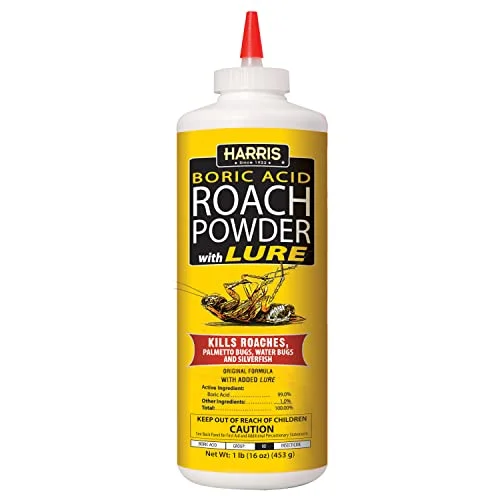 |
Harris Boric Acid Roach and Silverfish Killer Powder – $6.46 A puffer-bottle boric acid powder made for exactly the cracks and crevices where cabinet roaches hide – EPA-registered and safe for use in homes with kids and pets when kept out of reach and off food-contact surfaces.
|
Signs You Have Roaches In Your Cabinet Wood
Before treating anything, confirm what you’re dealing with. Droppings that look like coarse black pepper or coffee grounds along shelf edges are usually the first sign. Egg cases (oothecae) are small, dark brown, and capsule-shaped, often tucked into the back corner of a shelf or the hinge-side gap of a cabinet door. A persistent musty, oily odor is another indicator – it comes from pheromones roaches use to mark trails, and it tends to get stronger as an infestation grows. If you see roaches moving around cabinets in daylight rather than only at night, that’s usually a sign the population has outgrown its hiding spots, not a one-off sighting.
Does Cedar Actually Repel Roaches? The Honest Answer
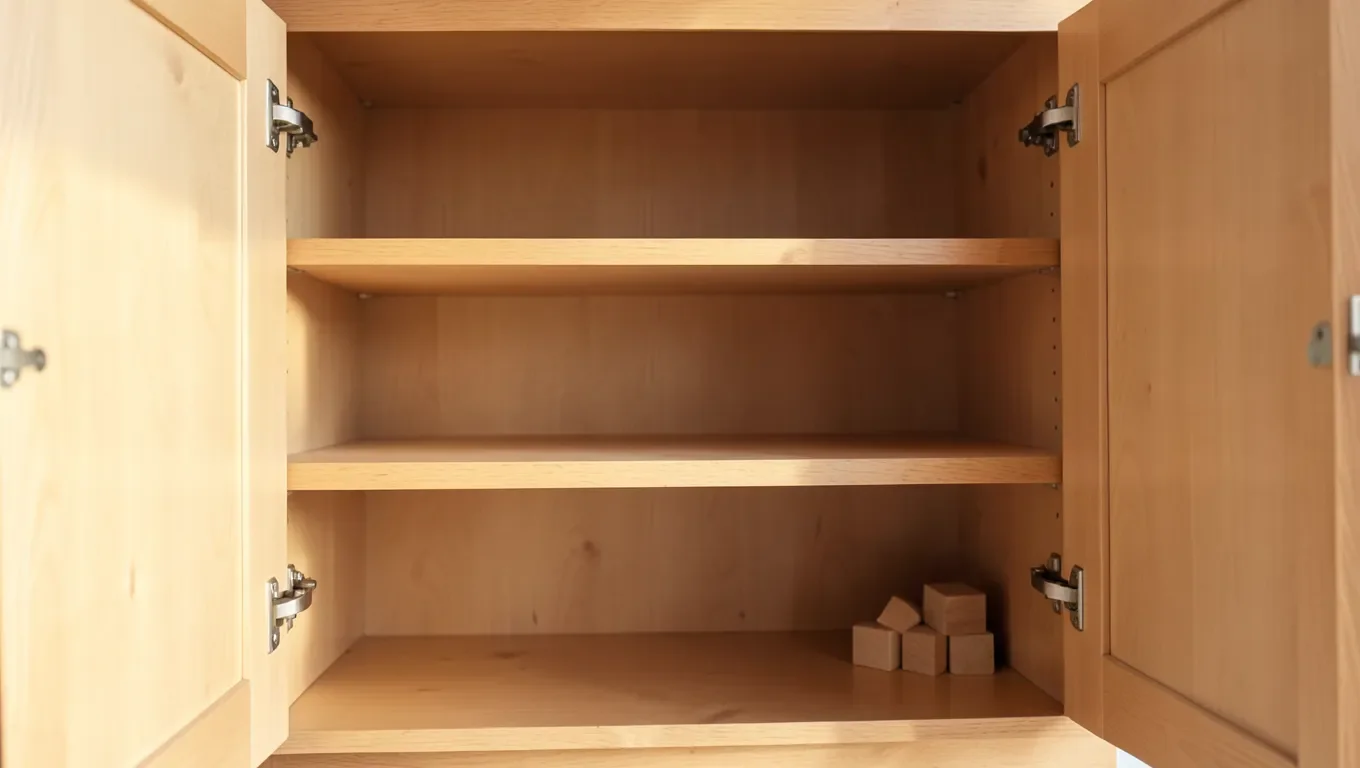
Cedar’s reputation as a bug deterrent isn’t a myth, but it’s also weaker than most product listings make it sound. Aromatic cedar (typically Eastern red cedar) contains natural oils – largely thujone and cedrol – that a number of insects find unpleasant enough to avoid. That’s the same property that makes cedar closets popular for moths. Some people line cabinet corners or drawer bottoms with cedar blocks or thin cedar shims for exactly this reason, and it’s a reasonable, low-effort layer of prevention.
What cedar will not do is eliminate an active infestation. It’s a mild deterrent that can make a cabinet a slightly less appealing hiding spot – it is not a pesticide, and it will not kill roaches or drive out an established colony. The scent also fades over time as the wood’s surface oxidizes; a light sanding restores it temporarily, but that upkeep is easy to skip. Treat cedar as one small piece of a prevention plan, never as the whole plan.
Using Boric Acid The Right Way
Boric acid is one of the more genuinely effective low-toxicity options for roaches, which is why it shows up in so many EPA-registered products like the one above. It works two ways: the fine powder abrades the roach’s waxy outer coating on contact, and roaches ingest it while grooming, which disrupts their digestive system. Most die within 24 to 72 hours, and because they carry the powder back to shared hiding spots, it can affect the rest of the colony, not just the roach that made contact.
The application matters. Puff a thin, barely-visible layer into cracks, hinge gaps, along the back seam of shelves, and behind the toe-kick – a thick pile is actually less effective, since roaches will avoid walking through it rather than crossing it. Never apply it directly to shelves where dishes, food, or food packaging sit, and keep it away from areas pets or kids can reach. Reapply after cleaning, since boric acid loses effectiveness once it gets wet.
Seal The Entry Points (This Fixes The Root Cause)
Repellents and treatments only manage the symptom. The gaps roaches actually use to move between the wall cavity, under-sink plumbing, and the inside of your cabinets are the real problem, and caulking them is the closest thing to a permanent fix. Check the seam where the cabinet box meets the wall, the cutout around sink supply and drain lines, and the toe-kick gap along the floor – these are the most common entry routes. A paintable silicone or acrylic latex caulk works for most of these; run a thin, continuous bead and smooth it before it sets.
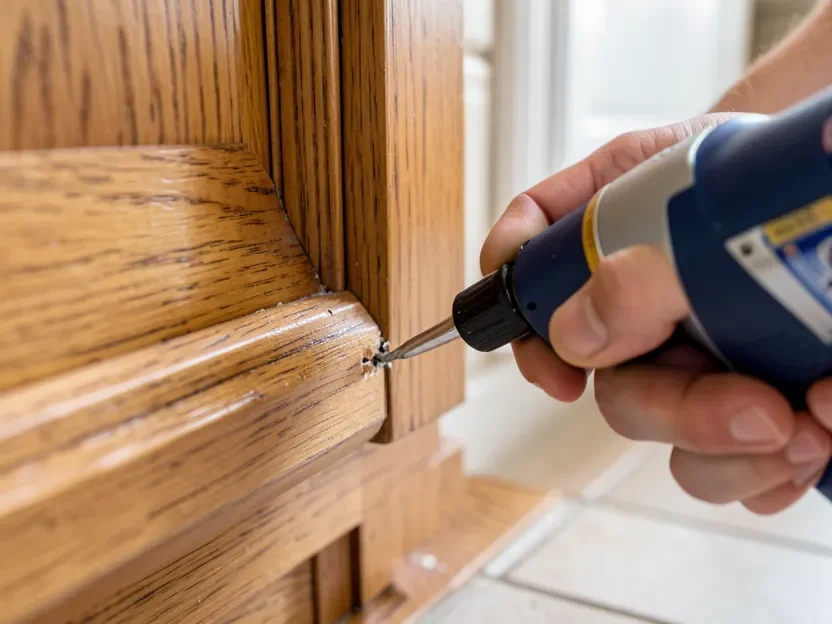
While you’re at it, fix any leaks. Roaches need access to water more urgently than food – most species can only survive about a week without it, compared to a month or more without food. A slow drip under the sink or a leaking dishwasher supply line will keep drawing roaches back no matter how much boric acid or caulk you’ve used elsewhere.
Cleaning Habits That Remove What’s Actually Attracting Them
Store food in airtight glass or hard plastic containers rather than the original cardboard or thin plastic packaging – roaches can chew through both. Wipe down shelves regularly to remove crumbs and residue, especially around anything sticky like syrup, honey, or pet food. Keep the area under the sink dry and check it periodically for condensation on pipes. None of this is glamorous, but a clean, dry cabinet with no accessible food is genuinely one of the strongest deterrents available, and it costs nothing.
When To Call A Professional
If you’re seeing roaches during the day, finding multiple egg cases, or the droppings and odor persist after a week or two of cleaning and treating cracks with boric acid, it’s worth bringing in a licensed pest control technician. A larger infestation often means roaches have established nests inside wall voids or under the cabinet base that aren’t reachable with over-the-counter products alone. A professional can use targeted gel baits and inspect areas – like inside a dishwasher cutout or behind a built-in oven – that are difficult to check yourself.
Frequently Asked Questions
Does Cedar Wood Really Keep Roaches Out Of Cabinets?
Cedar’s natural oils are a genuine mild deterrent, not a myth, but they won’t eliminate an existing infestation. Use cedar blocks or shims as one small layer of prevention alongside cleaning, sealing gaps, and boric acid where needed.
Is Boric Acid Safe To Use Inside Kitchen Cabinets?
Yes, when applied correctly. Puff a thin layer into cracks, hinges, and corners – never directly onto shelves where food or dishes sit – and keep it out of reach of children and pets. Reapply if it gets wet.
Why Do Roaches Keep Coming Back After I Clean The Cabinet?
Cleaning removes food residue but doesn’t close off the entry points or fix nearby moisture sources. If the gaps where the cabinet meets the wall or the plumbing cutout aren’t sealed, and there’s still a water source like a slow leak nearby, roaches will keep returning even to a spotless cabinet.
How Long Does It Take Boric Acid To Kill Roaches?
Most roaches die within 24 to 72 hours of contact or ingestion. Because they carry the powder back to shared hiding spots on their bodies, it can also affect other roaches in the same nest over the following days.
Conclusion
Roaches show up in cabinet wood because of food, moisture, and hiding spots, not because of the wood itself. Cedar blocks are a legitimate but limited deterrent, boric acid applied correctly in cracks and crevices is one of the more effective low-toxicity treatments available, and sealing the actual entry points is what stops the cycle for good. Combine cleaning, sealing, and targeted treatment, and a wood cabinet stops being an attractive place for roaches to be.
Sponsored / affiliate links. As an Amazon Associate I earn from qualifying purchases. I may earn additional commission from eligible campaigns.