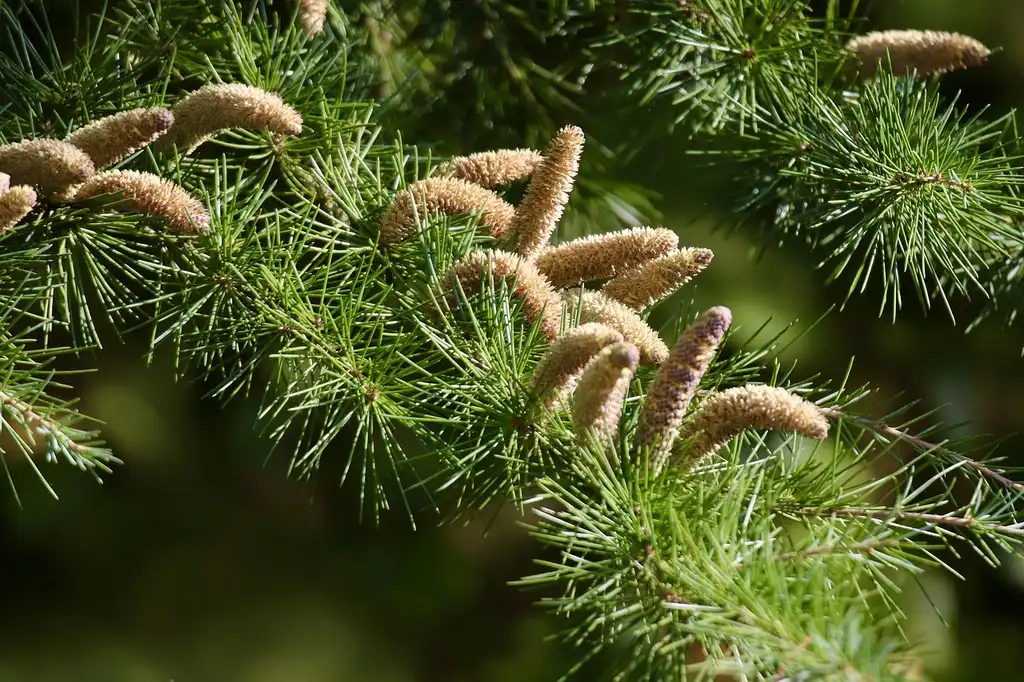
Redwood vs Cedar vs Pine Hardness and Durability Chart
For outdoor projects, redwood and cedar are the natural-fit choices for decay resistance, while pine usually needs pressure treatment outdoors. Pine can run from about 380 to about 870 depending on species. Pick the wrong board and you get dents, quicker rot, more upkeep, and a shorter fence or deck life. This guide compares Janka hardness, outdoor durability, and the best fit for fencing, decking, furniture, and other weather-exposed builds.
| Decision factor | Redwood | Cedar | Pine | Winner |
|---|---|---|---|---|
| Janka hardness | About 450 lbf | About 350 lbf for western red cedar | About 380 lbf for eastern white pine; pressure-treated pine varies by species | Redwood |
| Relative outdoor durability | Good for exposed outdoor use; grade and growth type can change performance | Good natural outdoor durability, especially in above-ground exposure | Best only when pressure treated; untreated pine is the weakest outdoor choice here | Pine for wet/ground contact; redwood or cedar for dry exposed work |
| Workability | Easy to work compared with many hardwoods, but harder than cedar | Very easy to saw, plane, and sand | Usually easy to work, especially in softer grades | Cedar |
| Best-fit uses | Decking, fencing, outdoor furniture where appearance and durability both matter | Fence pickets, trim, lightweight furniture, decorative outdoor parts | Ground-contact posts, wet locations, budget fencing, framing under treatment | Depends on exposure |
What Janka hardness measures
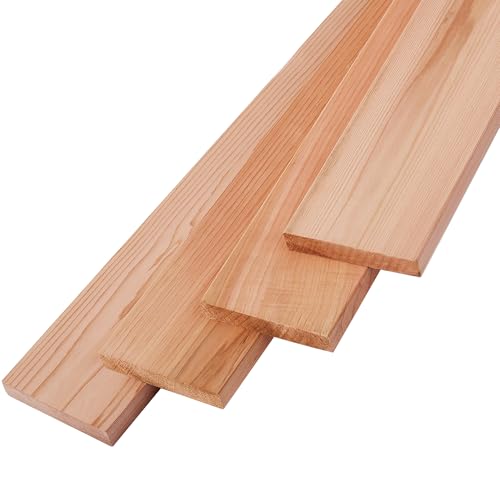


Janka is the standard way woodworkers compare hardness. The test measures the force in pounds needed to embed a 0.444-inch steel ball halfway into wood, and the scale lists species from hardest to softest. Higher Janka values mean harder, more dent-resistant wood, which matters where feet, tools, or chair legs hit the surface often.
How the test works
The number does not measure rot resistance or weather performance. It measures resistance to denting and normal wear, which is why it helps when you compare decking boards, chair parts, or fence caps that take repeated contact.
Why hardness is not the same as outdoor durability
A harder board can still fail outdoors if it moves too much, checks badly, or decays faster in a given exposure. Outdoor durability depends on species, grade, moisture exposure, end-grain sealing, treatment retention, use class, and installation, not on hardness alone. Pressure-treated pine can be a strong choice for wet or ground-contact service, but only when the treatment rating and installation match the exposure.
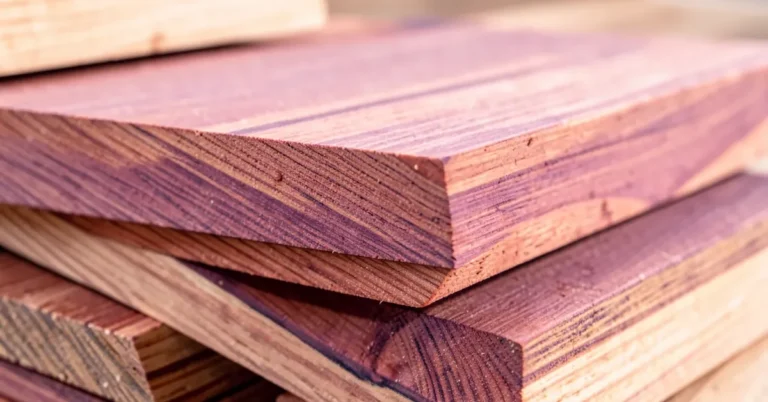
Redwood cedar pine
This comparison puts hardness, outdoor durability, and workability in the same view so you can match the wood to the job. Redwood usually sits above western red cedar in hardness, while pressure-treated pine can lead on durability when the board faces wet soil or splashback.
How to read the chart
Use the hardness column for dent resistance, the durability column for exposure, and the workability column for how much effort the board will take with saws, planes, and sandpaper. If the project is decorative and dry, the softest option may still be the smarter buy.
Table-based decision key
- Wet: choose pressure-treated pine for wet or ground-contact conditions only when the treatment rating and installation are appropriate.
- Shaded: choose redwood or cedar if the site stays damp but is not in direct soil contact, with redwood ahead on dent resistance.
- Coastal: choose redwood or cedar for exposed above-ground parts, then seal cut ends and plan for maintenance. Use pressure-treated pine where moisture and splash are severe.
How hard is redwood compared with cedar and pine?
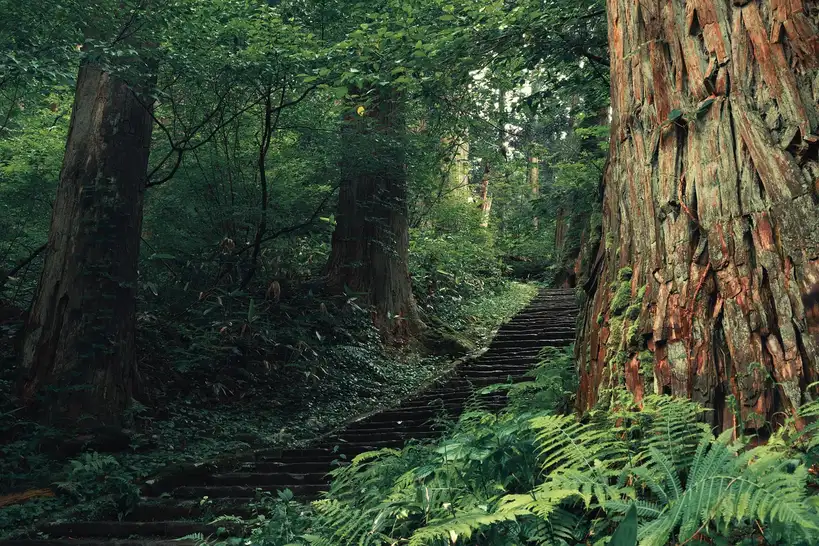
Redwood is harder than western red cedar and harder than eastern white pine, using the common comparison values on woodworking charts. Redwood is about 450 Janka, western red cedar is about 350 lbf, and eastern white pine is about 380 lbf. That puts redwood ahead on dent resistance, but only by a modest margin.
Redwood in context
That extra hardness helps on decking and furniture surfaces that see shoes, dropped tools, or chair legs. It does not make redwood a substitute for treated lumber in wet ground contact, and it does not erase the fact that availability can vary by grade and growth type.
Western red cedar at about 350 lbf
Western red cedar is a softwood benchmark in wood comparison charts. At about 350 lbf, it dents more easily than redwood, but it remains popular outdoors because it is light, easy to work, and naturally suited to many above-ground exterior uses.
Eastern white pine at about 380 lbf
Eastern white pine is another softwood benchmark, shown at about 380 lbf. It is a useful comparison species because it helps separate hardness from durability: pine can be reasonably easy to work, yet untreated pine usually needs more help outdoors than redwood or cedar.
Which lasts longer outdoors, redwood, cedar, or pine?
For outdoor exposure, pressure-treated pine can be a long-lasting choice in wet or ground-contact conditions when the treatment rating and installation match the use. Redwood and western red cedar are often better choices for above-ground projects where you want natural decay resistance and lower maintenance than untreated pine, especially in dry to moderately wet settings.
Wet exposure
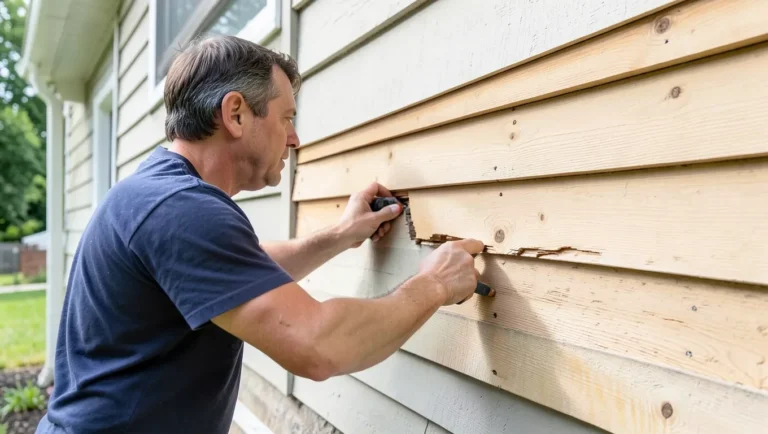
In wet exposure, treated pine is designed for decay resistance in tougher conditions. A common first-timer mistake is choosing a naturally attractive softwood for a post or bottom rail that stays wet; the surface may look fine at first, then decay starts where water sits longest.
Shaded exposure
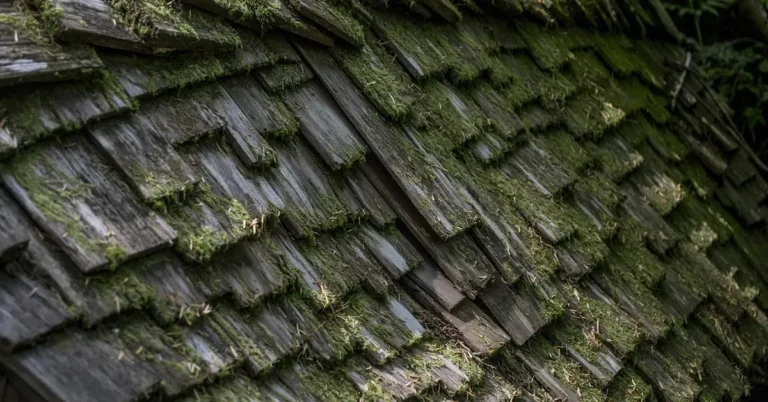
Shade slows drying, which raises maintenance demands for any wood. Redwood and cedar usually handle this better than untreated pine, but performance still depends on detailing. Keep boards off soil, allow air movement, and seal end grain to reduce moisture pickup.
Coastal exposure
Coastal settings add wind-driven moisture and salt spray. Redwood and cedar are common choices for exposed trim, fencing, and furniture, but neither should be treated as maintenance-free. If the design places lumber close to splash, soil, or trapped water, pressure-treated pine is often the safer structural pick.
Is redwood stronger than cedar for decking or fencing?

Yes, redwood is harder and more dent-resistant than western red cedar, and that difference matters on decking and fence rails that take repeated contact. But in this article, stronger means more dent-resistant, not structurally stronger. Exposure, maintenance, and whether the piece sits near the ground matter just as much.
Decking
For decking, redwood has the edge over cedar when you want a slightly harder surface that still remains relatively workable. Cedar still makes sense when easy cutting and a lighter board matter more than extra dent resistance. For wet, shaded decks with poor drainage, pressure-treated pine often wins on durability.
Fencing
For fencing, cedar is often chosen for pickets and decorative runs because it cuts easily and looks good with less effort. Redwood is a stronger pick where rails and caps need a bit more dent resistance. Pressure-treated pine is the practical choice for posts, bottom rails, and damp sites.
Furniture
For outdoor furniture, redwood is the best balance of the three when you want a surface that resists dents better than cedar but still sands and fastens with less resistance than many harder woods. Cedar is better when lightweight parts and easy shaping matter most.
If you are building a 6-foot backyard privacy fence along a shaded line where the lower boards stay damp after rain, cedar or redwood works better for the visible parts, but pressure-treated pine is the safer choice for posts and any piece that will sit closest to the soil.
Which wood is easiest to work?
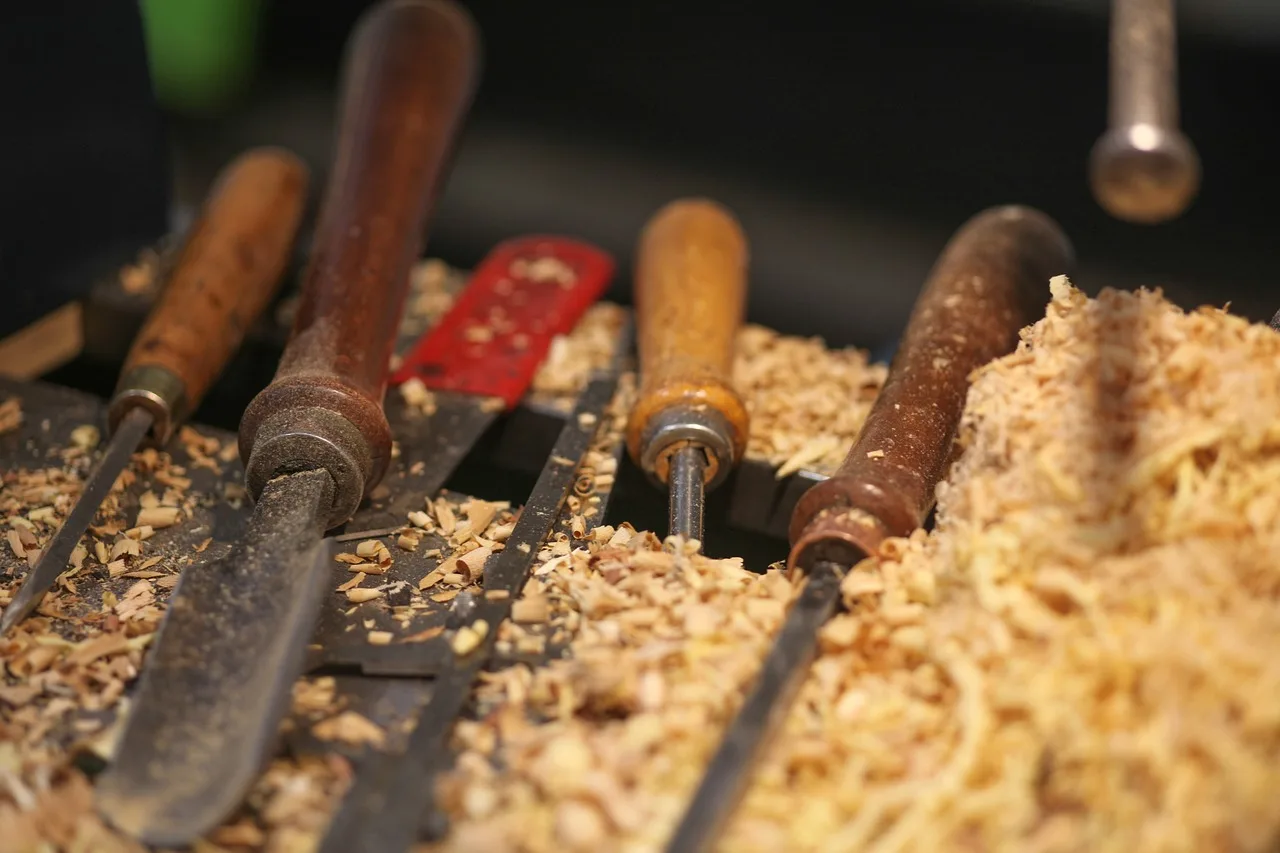
Western red cedar is the easiest of the three to work in most DIY settings. It is lighter and softer than redwood, so it is generally easier to saw, plane, and sand. Pine is also easy to work, but pressure-treated pine can feel wetter, heavier, and rougher depending on the stock.
Sawing and planing
Harder woods are typically tougher to cut, so they often take more effort with tools. That matters when you need a lot of trim cuts, bevels, or clean edges. Cedar usually gives the least resistance, with redwood close behind, and pine varying by species and treatment.
Sanding and fastening
For sanding and fastening, softer woods are friendlier for shelving, trim, and learning, and that same trait helps in outdoor furniture and decorative fence parts. Cedar screws easily but dents more. Redwood offers a middle ground. Pressure-treated pine can be practical, but you may need to handle grain raise and drying differences.
When easier workability matters more than hardness
If the project has curved parts, lots of hand-tool work, or a tight DIY timeline, choose the wood that saves time at the bench rather than the hardest board on the rack. A slightly softer species can be the better buy when the piece will not take heavy abuse.
Picture a small patio bench under a roof overhang. Cedar can be the smartest option because it is easy to shape, light to move, and durable enough for that sheltered location. The same board would be a weaker choice for a stair tread or a post that holds wet soil.
Choose redwood if…
Choose redwood if you want a good balance of appearance, outdoor durability, and a little more dent resistance than cedar for decking, fence rails, or furniture. It is the middle ground in this comparison, especially when the project is exposed but not buried in wet soil.
Choose cedar if…
Choose cedar if easy workability matters most and the project is above ground, lightly loaded, or decorative. Western red cedar is the softest of the three on this chart at about 350 lbf, which makes it friendly for sawing, sanding, and detailed outdoor trim.
Choose pine if…
Choose pine if the project faces wet exposure, ground contact, or the need for the most durability per dollar, provided you use pressure-treated stock that matches the job. Pine is the practical winner where rot resistance matters more than appearance or easy machining, especially for posts, framing, and damp fence parts.
Frequently asked questions
What Janka hardness is western red cedar?
Western red cedar is shown at about 350 lbf. That puts it near the softer end of outdoor softwoods, which is why it is easy to saw, plane, and sand. The tradeoff is that it dents more easily than redwood, so surface wear shows sooner.
What Janka hardness is eastern white pine?
Eastern white pine is shown at about 380 lbf. It is a useful comparison species because it sits close to cedar on the hardness scale while remaining easy to work. As with other pines, outdoor durability depends heavily on whether the lumber is pressure treated.
Does a harder wood always mean a more durable outdoor board?
No. Hardness measures dent resistance and normal wear, not rot resistance. A harder board can still fail outdoors if it traps water, checks badly, or lacks treatment. For wet or shaded locations, the species and exposure matter more than hardness alone.
Which of redwood, cedar, or pine is easiest to work with?
Western red cedar is usually the easiest to work with because it is soft, light, and friendly to cutting and sanding. Pine is also workable, but pressure-treated stock can be rougher and heavier. Redwood sits in between, offering a bit more hardness without moving into difficult territory.
Sponsored / affiliate links. As an Amazon Associate I earn from qualifying purchases. I may earn additional commission from eligible campaigns.