Why Does Cedar Wood Pop When Burning? Resin & Moisture Facts
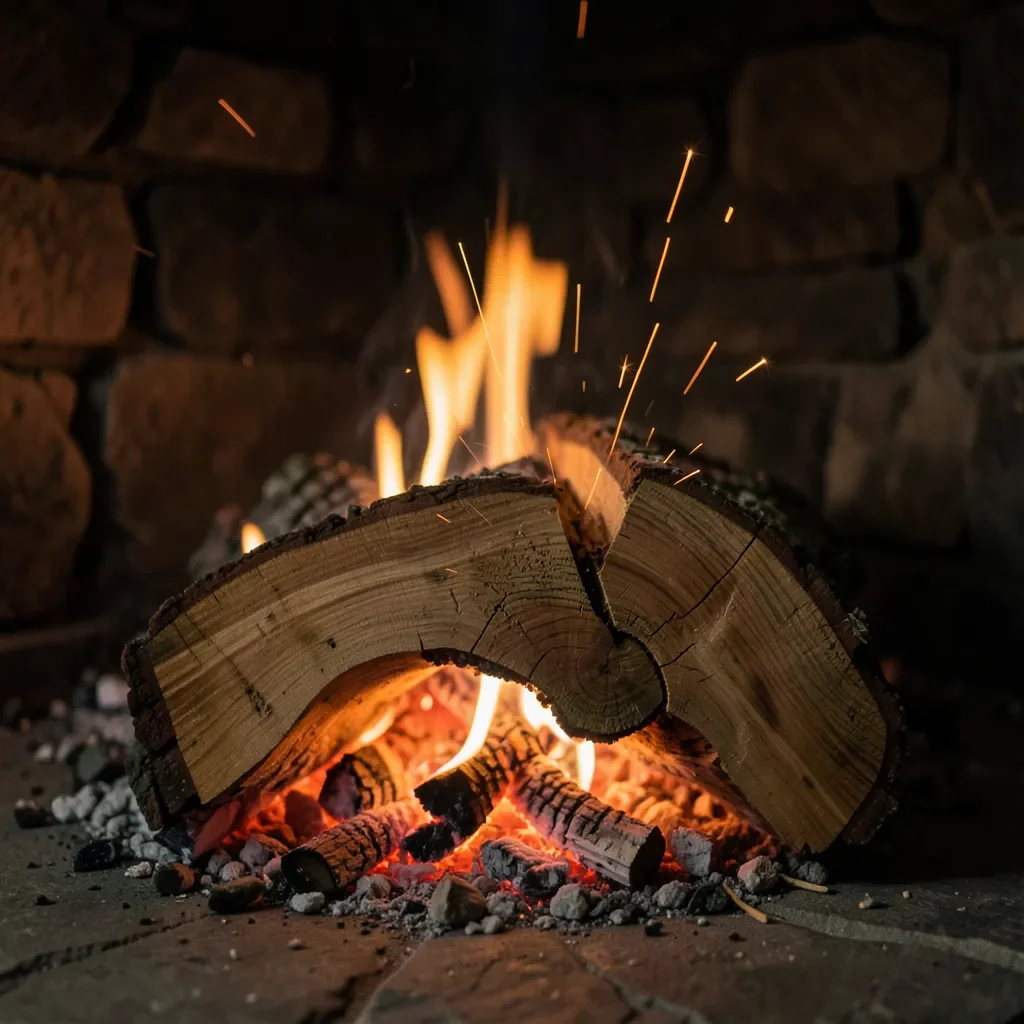
Cedar pops when heat flash-boils trapped moisture and vaporizes resin sealed inside the wood’s cells, and it still happens in wood seasoned below the recommended 20% moisture level because resin ignites on its own. The pressure release can eject embers several feet from an open firebox, making an unscreened cedar fire a real spark hazard. This guide covers the physics, how cedar compares to oak and pine, and the gear that stops ejected embers.
What Actually Makes Cedar Pop
Best Fireplace Spark Screen Pick
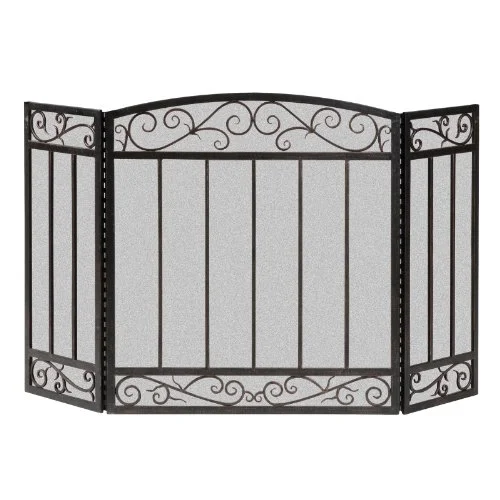 |
Panacea 3-Panel Scroll Fireplace Spark Screen – $129.99 Since the resin-pocket pops explained above can eject embers several feet, a 0.125-inch metal gridwork screen stops those embers from reaching a rug, wood floor, or furniture.
|
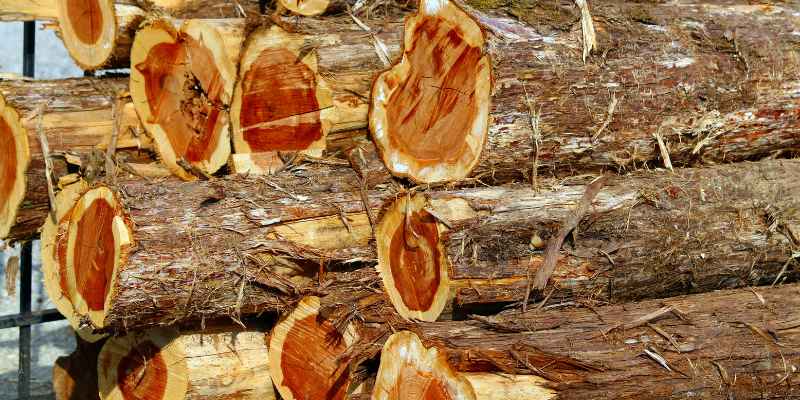
Cedar’s pop is two overlapping physical reactions, not one. Cedar wood is a resinous softwood with pockets of natural oil sealed inside the grain. When the surrounding wood hits roughly 300-400°F, resin trapped in those pockets vaporizes faster than it can escape through the grain, and the built-up vapor pressure ruptures the wood fiber with an audible crack. This happens even in properly seasoned cedar, because resin doesn’t dry out the way water does.
The second mechanism is steam. Any residual moisture in the wood’s cell structure turns to steam well before the wood itself ignites, and that steam needs somewhere to go. In green or poorly seasoned cedar, this is the dominant cause of popping, and it’s louder and more frequent than the resin-pocket pops, because there’s simply more trapped liquid converting to gas at once.
Resin pockets aren’t just a cedar quirk — they occur in most softwoods, but cedar’s pockets tend to be larger and more concentrated near knots and the heartwood/sapwood boundary, which is why cedar pops noticeably more than kiln-dried pine cut from the same forest.
Cedar vs. Oak, Pine, and Birch: Why Some Woods Stay Quiet
Wood grain structure decides how much a species pops. Cedar has an open, loose grain with visible resin canals, which is exactly what lets pressure build in isolated pockets instead of venting gradually. Tight-grained hardwoods like oak and hard maple burn slower and pop far less under the same seasoning conditions, because they don’t have resin canals at all and their moisture is more evenly distributed through denser fiber.
| Wood Type | Grain | Resin/Sap Level | Typical Burning Behavior |
|---|---|---|---|
| Cedar | Open, loose | High | Fast-burning, frequent pops and sparks |
| Pine | Open, loose | Medium-high | Some popping, heavy smoke if unseasoned |
| Birch | Moderately tight | Low | Steady flame, occasional crackle from bark |
| Oak | Tight, dense | Very low | Slow, steady burn, minimal popping |
Curious whether cedar is worth burning at all given the extra sparks? Can You Burn Cedar and Can Cedar Be Used for Firewood both cover the heat output and creosote trade-offs in more depth.
Is a Popping Cedar Fire Actually Dangerous?
Yes, in an open or unscreened fireplace, the risk is ejected embers, not the sound itself. The same pressure that causes the pop can throw small glowing embers a few feet outside the firebox. On carpet, a wood floor with a finish, or near curtains, that’s a real ignition risk, not just a startling noise. Cedar’s resin also means a smoldering, low-oxygen cedar fire contributes more to chimney creosote buildup than a well-seasoned hardwood fire burned hot, so keep cedar fires burning hot and bright rather than banked low overnight, and have the chimney swept on the same schedule you’d use for any wood-burning fireplace.
How to Cut Down the Popping
- Season it fully: stack split cedar off the ground in a ventilated, covered spot for 6-12 months before burning — this won’t eliminate resin-pocket pops, but it removes the steam-driven popping entirely.
- Split it smaller: smaller splits have shorter paths for vapor to escape, which means less pressure builds before it vents.
- Mix with a dense hardwood: pairing cedar with oak or maple cuts down the ratio of resin-heavy wood in the firebox while keeping cedar’s fast light and aroma.
- Never burn wet or green cedar indoors: the moisture content compounds the resin-pocket effect and throws far more sparks.
For a full breakdown of stacking methods that actually speed up seasoning, see Best Way to Stack Firewood. If you’re deciding between species for a wood-burning project or fireplace, the Types of Wood Guide breaks down grain, resin, and hardness across the common options.
Frequently Asked Questions
Why does cedar wood pop when burned?
Cedar pops because heat vaporizes resin sealed in pockets inside the grain and flashes any residual moisture to steam. Both gases build pressure faster than they can escape, and the wood fiber ruptures with an audible crack. This happens even in well-seasoned cedar because resin doesn’t season out the way water does.
Is it safe to burn cedar in an indoor fireplace?
Yes, with a spark screen. Cedar’s popping can eject embers several feet, which is a real risk near carpet, wood flooring, or furniture. A closed screen or glass doors contain the sparks; burning fully seasoned wood also reduces how often it pops.
Why is cedar not considered great firewood?
Cedar burns fast and hot but doesn’t produce long-lasting coals like dense hardwoods, so you feed the fire more often. Its resin also means more spark risk and, in smoldering low-oxygen burns, more creosote buildup in the chimney over time.
How do you stop firewood from popping so much?
Season it fully (6-12 months stacked off the ground, covered on top, open on the sides), split it into smaller pieces, and mix it with a dense hardwood like oak. This won’t stop resin-pocket pops entirely, but it removes the steam-driven popping caused by residual moisture.
Conclusion
Cedar’s pop comes down to resin and moisture flashing to gas faster than the wood grain can vent it, a real physical reaction, not a flaw in the wood. Season it well, keep the pieces reasonably sized, and put a spark screen up, and the same crackle that makes cedar fires distinctive stops being a hazard.
Sponsored / affiliate links. As an Amazon Associate I earn from qualifying purchases. I may earn additional commission from eligible campaigns.