Does Citristrip Work on Metal? Yes – Here’s the Real Performance
Yes, Citristrip works on metal — it’s labeled for wood, metal, and masonry, and it strips old paint and varnish from steel, aluminum, and brass without the fumes of a methylene-chloride stripper. What it won’t do is remove rust; that needs a separate rust remover or mechanical abrasion.
It’s slower than the harshest strippers, which is actually the point — that’s the tradeoff for a citrus-based gel you can use indoors without a respirator. Here’s how it performs across different metals, how to apply it correctly, and one real safety fact worth knowing about the alternatives it’s often compared to.
How It Performs on Different Metals
The Product This Article Is About
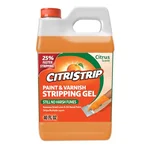 |
Citristrip Stripping Gel, 40 oz – $16.85 The actual product covered in this guide — a citrus-based gel that strips paint and varnish from wood, metal, and masonry without the fumes or the fatality risk of a banned methylene-chloride stripper.
|
| Metal | Performance | Notes |
|---|---|---|
| Steel / Iron | Very good | Tolerates a stiff brush; strips multiple paint layers reliably |
| Aluminum | Good, with care | Soft metal — use a plastic scraper, not a wire brush, to avoid scratching |
| Brass | Good, with care | Can tarnish if left wet too long; rinse and dry promptly |
| Copper | Good | Similar caution to brass — don’t let it sit soaking longer than needed |
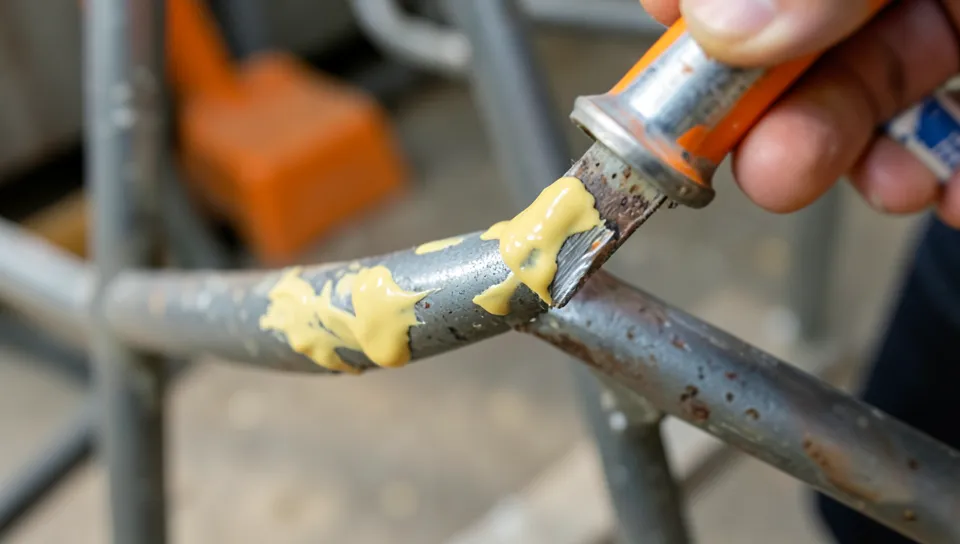
Across all of these, the real variable isn’t the metal — it’s the coating. A single thin layer of old paint comes off in one application; powder-coat or multiple built-up layers may need a second coat and a longer dwell time.
How to Apply It
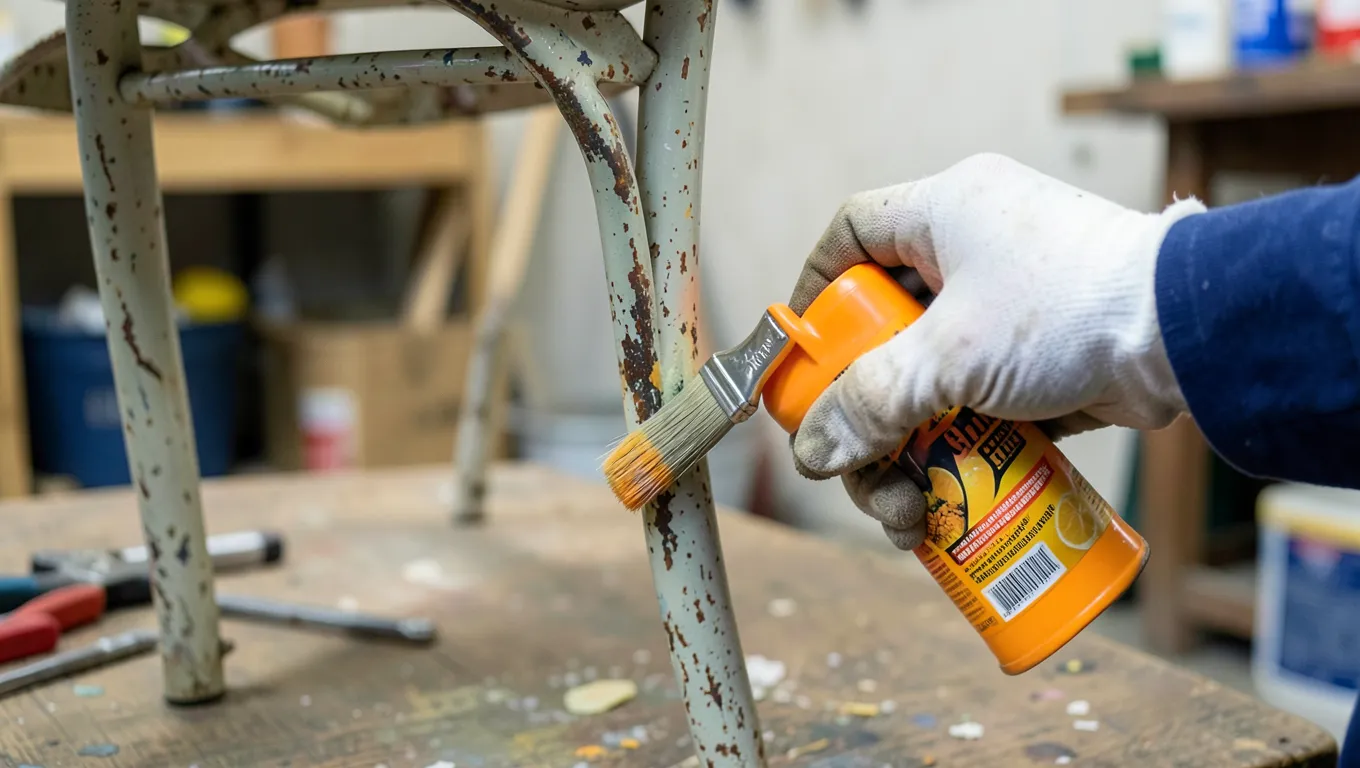
- Clean the metal with a mild detergent to remove grease and dirt, then rinse and let it dry fully — grease left on the surface blocks the gel from contacting the coating underneath.
- Put on gloves and eye protection, and work in a ventilated area — Citristrip is far less toxic than a methylene-chloride stripper, but the gel can still irritate skin and eyes on contact.
- Apply a thick, even layer with a natural-bristle brush (some plastic brushes can be softened by the gel). Don’t spread it thin — a thick coat is what keeps it from drying out before it finishes working.
- Let it sit — 30 minutes for a single thin layer, up to several hours or overnight for multiple built-up coats. Check periodically; you’re looking for the finish to bubble and lift.
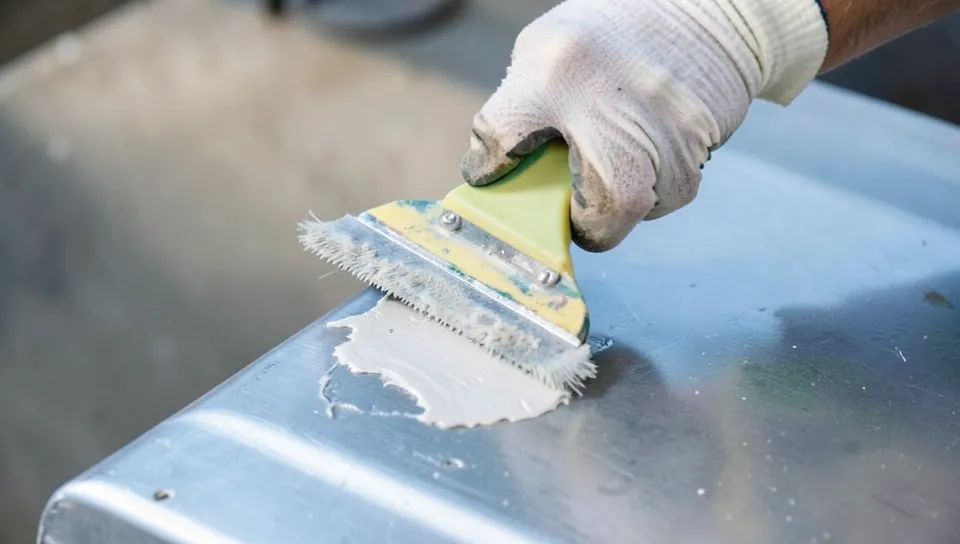
- Scrape off the softened coating with a plastic scraper (metal scrapers can gouge softer metals like aluminum and brass), then wipe with a damp cloth. Repeat on any spots that didn’t fully lift.
A Real Safety Note on the Alternatives
Citristrip is often compared to faster, harsher strippers like acetone or methylene chloride. What a lot of older comparisons leave out: methylene chloride paint strippers have been banned from consumer sale in the US since 2019 (and restricted even for most commercial use since 2024) after being linked to numerous fatalities from vapor exposure in poorly ventilated spaces — it’s not just “toxic,” it’s been the subject of an active federal ban, not a product you should be sourcing as a DIY alternative today. Acetone is legal and effective for fast paint removal but is highly flammable and still requires real ventilation and skin protection. Citristrip’s slower working time is the direct tradeoff for being safe enough to use without that level of risk.
Pros and Cons
- Pros: works on wood, metal, and masonry; low odor and low toxicity compared to solvent-based strippers; can be left on for hours without drying out, which forgives a slow work pace; safe for indoor use with normal ventilation.
- Cons: slower than solvent strippers, especially on thick or multiple paint layers; doesn’t remove rust; can soften some plastics, so mask off any plastic hardware or trim before applying; brass and copper need prompt rinsing to avoid tarnish.
Frequently Asked Questions
Does Citristrip Work Effectively On Metal?
Yes. It removes paint, varnish, and similar coatings from steel, iron, aluminum, brass, and copper. It works more slowly than solvent-based strippers, which is the tradeoff for lower toxicity.
How Long To Leave Citristrip On Metal?
30 minutes for a single thin coat, up to several hours or overnight for thick or multiple layers. Check periodically for bubbling or lifting rather than guessing a fixed time.
Is Citristrip Safe For All Metal Types?
It’s safe for steel, iron, aluminum, brass, and copper with normal precautions. Softer metals like aluminum and brass need a plastic scraper instead of a wire brush, and should be rinsed and dried promptly rather than left wet.
Can Citristrip Remove Rust From Metal?
No. Citristrip removes paint, varnish, and similar coatings, not rust. For rust, use a dedicated rust remover or mechanical abrasion (wire wheel, sandpaper, or a rust-dissolving soak) after the old finish is stripped.
Conclusion
Citristrip does work on metal, and it’s a genuinely safer choice than the solvent strippers it gets compared to — one of which is now banned from consumer sale for good reason. The tradeoff is time: plan for a longer dwell time and possibly a second application on heavy coatings, and follow up with a real rust remover if rust is part of the problem.
Sponsored / affiliate links. As an Amazon Associate I earn from qualifying purchases. I may earn additional commission from eligible campaigns.