Does MDF Have to Be Primed? Essential Guide
When you’re tackling a DIY project or a home renovation, details matter, and choosing the right materials can make all the difference. If you’ve ever worked with MDF (Medium Density Fiberboard), you might have wondered, “Does MDF have to be primed?”
This question might seem small, but the answer can impact the quality and durability of your work. Imagine spending time and effort on a beautiful piece only to see it wear out too soon because you skipped a crucial step.
No one wants that, right? Understanding whether priming MDF is necessary can save you from future headaches and ensure your project stands the test of time. We’ll dive into why priming MDF might be more important than you think, how it affects the final outcome, and what it means for your next project. Keep reading to discover expert tips and tricks that could elevate your craftsmanship and protect your investment.
What Is MDF?
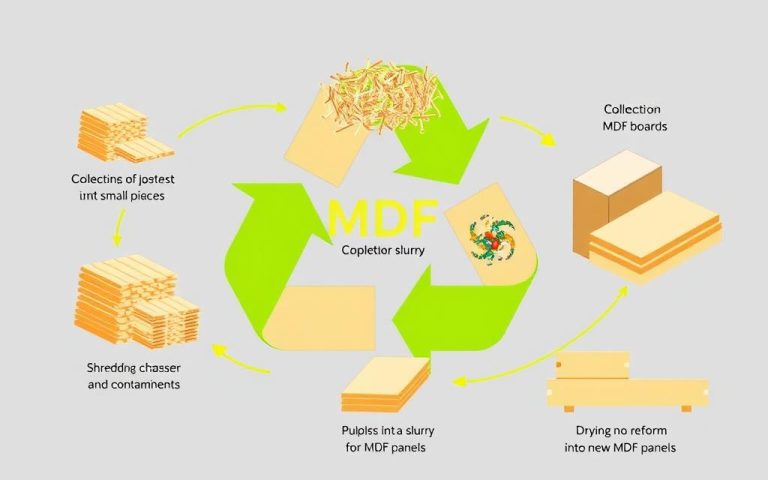
MDF stands for Medium Density Fiberboard. It’s a type of wood product. Made from broken-down wood fibers. These fibers are mixed with glue. Then, they are pressed together. This creates a strong board. MDF is smoother than regular wood. It has no knots or grain. This makes it easy to cut and shape.
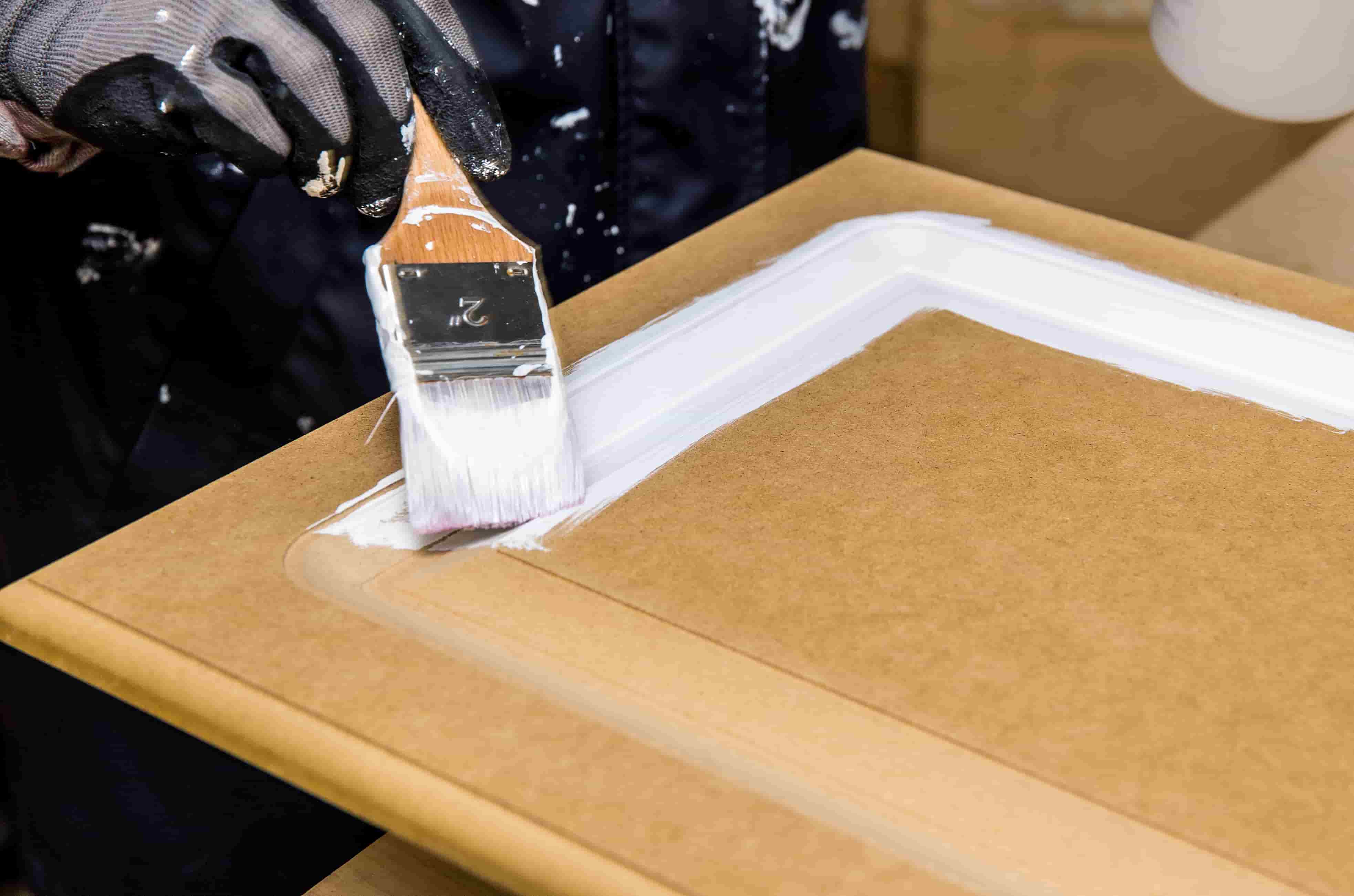
MDF is often used for making furniture. Also popular for cabinets and moldings. It’s cheaper than real wood. But, it can swell with water. So, it needs special care. Many people use MDF for projects. It is easy to paint. But, it might need to be primed. This helps the paint stick better. MDF is a popular choice for many tasks.
Credit: mdfskirtingworld.co.uk
Benefits Of Priming MDF
Priming MDF makes it last longer. It helps stop moisture damage. Painted surfaces look better with primer. It gives a smooth finish. Primer also helps paint stick well. Without primer, paint may peel. MDF absorbs paint fast. This wastes paint and costs more. Primer saves money in the long run. It helps MDF stay strong and firm.
Primer also helps stop stains. It creates a barrier on MDF. This keeps it clean and neat. Primer makes MDF ready for any color. Bright colors shine with primer. Dark colors look deep and rich. Priming MDF is a smart choice for good results.
Potential Risks Of Skipping Primer
MDF can absorb a lot of paint. Skipping primer might make it uneven. Paint could look patchy or blotchy. Primer makes paint stick better. Without primer, paint can peel off easily. MDF might swell with moisture. This could change its shape. Primer helps seal it from wetness. Protects against water damage. MDF edges can be rough. Primer smooths them out. Finishing becomes easier. Primer hides small flaws. Paint goes on smoothly.
Credit: www.cbjltd.co.uk
Types Of Primers For MDF
Oil-based primers are strong. They seal MDF very well. These primers make surfaces smooth. Use them for tough projects. They dry slow but last long. Oil-based primers block stains. They stop water from harming the MDF. Good for outdoor use. They work well under many paints. Easy to clean with mineral spirits.
Water-based primers dry fast. They are easy to use. These primers are less smelly. Clean with soap and water. They are good for inside projects. Water-based primers are not as strong. They are eco-friendly. Better for small projects indoors. These primers help paint stick well. They are easy on the wallet.
Steps To Prime MDF
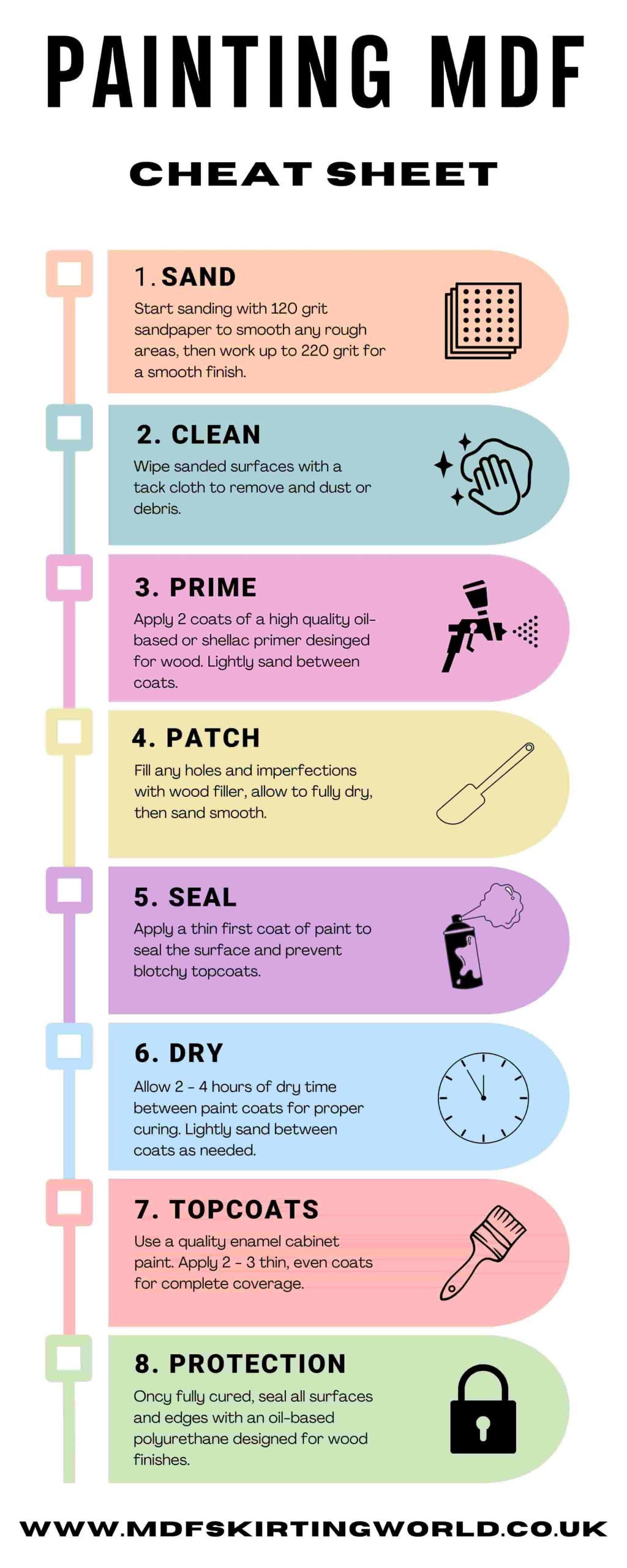
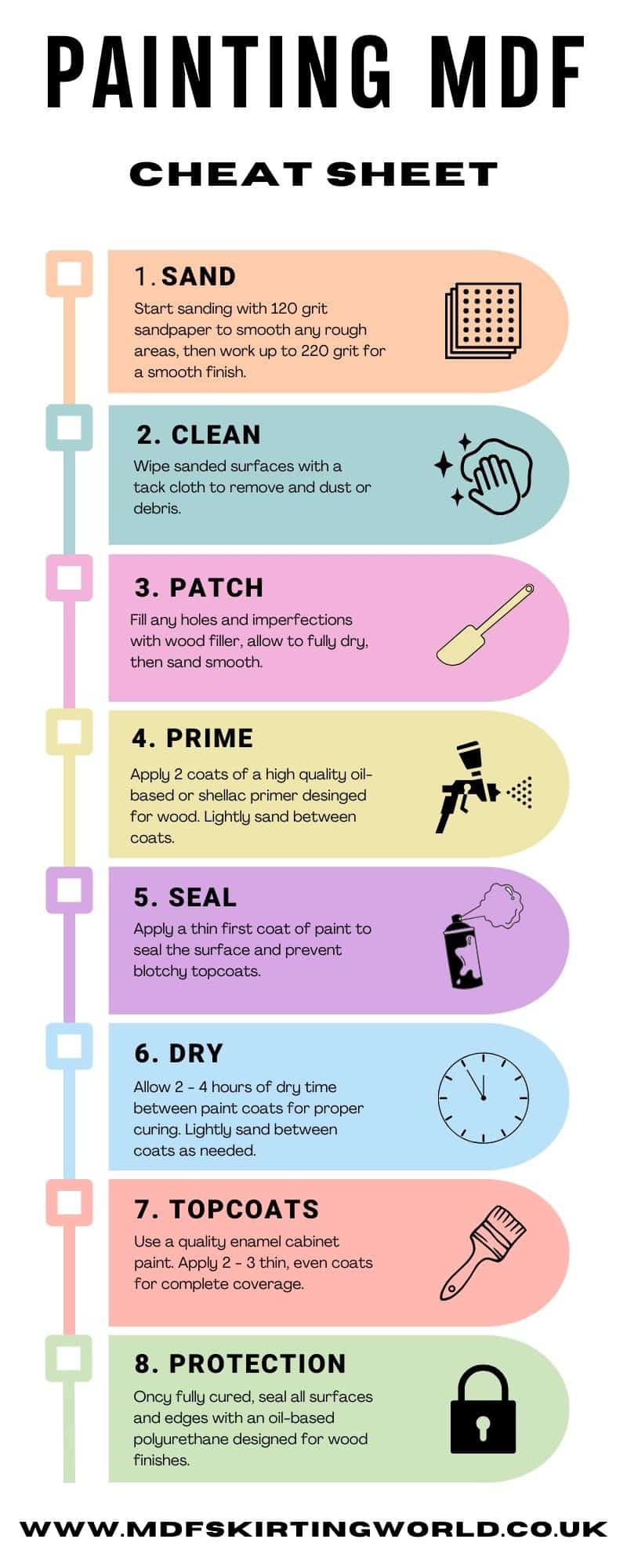
Start by cleaning the MDF surface. Dust and dirt must be removed. Use a damp cloth for cleaning. Let the MDF dry completely. Sand the surface to make it smooth. Use fine sandpaper for the best results. Check for any rough spots. Sand these areas again if needed. Smooth surfaces help primer stick better.
Choose a suitable primer for MDF. Acrylic primer works well. Use a paintbrush or roller to apply. Coat the surface evenly. Avoid thick layers. They take longer to dry. Ensure all edges are covered. This prevents moisture damage.
Let the primer dry fully. Follow the instructions on the primer. Drying times can vary. It usually takes a few hours. Check if it’s dry by touching lightly. It should not be sticky. Wait longer if needed. Dry primer is ready for paint.
Common Mistakes To Avoid
Skipping primer can cause paint to peel. MDF absorbs moisture quickly. Without primer, paint won’t stick well. This leads to a rough finish.
Using water-based paint directly is another mistake. MDF swells with water. A good primer seals the surface. This keeps the MDF smooth.
Some people use too much primer. This wastes material. It can also cause a sticky surface. Apply primer lightly for the best result.
Not sanding the edges is common. Rough edges can ruin the final look. Sanding makes edges smooth. A smooth edge helps paint adhere better.
Ignoring safety measures like masks is risky. MDF dust is harmful. Always wear a mask. Protect your lungs from dust.
Alternative Finishing Options
MDF, or Medium Density Fiberboard, can be finished in many ways. Painting is a popular choice. Some prefer to use a sealer first. This helps the paint stick better. Another option is to use veneer. Veneer gives MDF a wood-like look. Laminate is also used. It’s durable and comes in many designs.
Staining is not common with MDF. The material does not absorb stain well. Waxing is another choice. It gives a soft shine. Oil finishes are also available. They can protect the MDF surface. Clear coat can be used for extra protection. It keeps the surface safe from scratches.
FAQs On MDF Priming
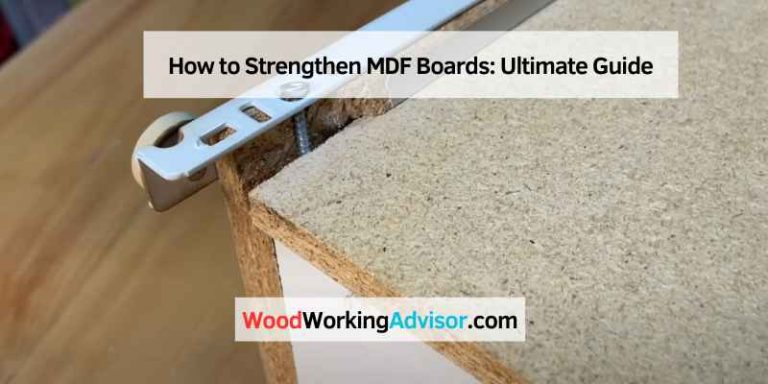
Priming MDF is essential for a smooth finish, as it prevents moisture absorption and enhances paint adhesion. Without priming, MDF can absorb paint unevenly, leading to a blotchy appearance. Proper priming ensures durability and an even surface, making it a crucial step in any MDF project.
Do You Need To Prime MDF?
MDF often needs priming. It absorbs paint quickly. Without primer, paint may not stick well. Primer gives a smooth finish. It helps paint last longer. Always use a good-quality primer.
What Type Of Primer Is Best For MDF?
A water-based primer is a good choice. It works well with MDF. Oil-based primers also work. They seal the surface effectively. Choose one that suits your needs. Make sure it dries quickly.
How Many Coats Of Primer Does MDF Need?
Usually, one to two coats are enough. The first coat seals the surface. The second coat makes it smooth. Let the first coat dry well. Then apply the second coat.
Can I Paint MDF Without Priming?
Painting without primer is risky. The paint may not last. It can peel off easily. Primer makes the paint stick better. It also saves money in the long run.
Credit: mdfskirtingworld.co.uk
Frequently Asked Questions
What Happens If I Don’t Prime MDF?
Skipping primer on MDF can lead to uneven paint absorption, causing blotchy finishes. MDF may swell or warp due to moisture. Priming ensures durability and smooth paint application. Protect MDF by priming to maintain a professional look and prevent damage over time.
Can You Paint Directly On MDF?
Yes, you can paint directly on MDF, but priming is essential. MDF absorbs paint quickly, risking uneven finish. Apply a primer first to seal the surface. Use acrylic or oil-based paint for best results. Sand and clean MDF before painting for smooth application.
Proper preparation ensures long-lasting, professional-looking results.
Can MDF Be Left Unpainted?
MDF can be left unpainted, but it absorbs moisture easily. It may warp or swell over time. Sealing with a primer is recommended to protect against damage. Unpainted MDF can release harmful chemicals, so it should be used in well-ventilated areas.
Painting enhances durability and aesthetics.
Why Is Paint Not Sticking To MDF?
Paint often doesn’t stick to MDF because it’s porous and absorbs moisture. Seal MDF with primer before painting. Ensure the surface is clean and smooth for better adhesion. Using high-quality paint and tools helps achieve optimal results. Proper preparation is key for paint to stick well on MDF.
Conclusion
Priming MDF ensures a smooth, long-lasting finish. It seals the surface, preventing moisture damage. Primed MDF accepts paint better, giving a clean look. Skipping primer can lead to uneven paint and wear. For best results, always prime before painting. It saves time and effort in the long run.
Priming is a simple step that makes a big difference. Whether for furniture or walls, primed MDF looks professional. So, take a moment to prime. Your projects deserve the best finish possible. Happy painting!