Does Plywood Have a Grain? Unraveling Wood Mysteries
Plywood does have a grain, but it is less pronounced than solid wood. The grain pattern in plywood comes from the arrangement of its layers.
Plywood is a versatile building material made from thin layers of wood veneer. Each layer, or ply, is glued together with the grains oriented in different directions. This cross-graining technique enhances strength and reduces the risk of warping. Plywood is widely used in construction, furniture making, and various DIY projects.
Its durability and resistance to splitting make it an ideal choice for many applications. Understanding the grain in plywood can help you choose the right type for your project, ensuring both aesthetic appeal and structural integrity. Whether you’re a professional contractor or a weekend DIYer, knowing about plywood grain is essential.
Introduction To Plywood
Plywood is made from thin layers of wood called veneers. These layers are glued together. The grain of plywood can vary. It depends on the type of wood used. Some plywood has a visible grain pattern. Others may look smooth and plain.
Plywood is popular for many reasons. It is strong and lightweight. Builders use plywood for walls and roofs. It is also great for furniture like tables and chairs. Many people choose plywood for its cost-effectiveness. It often costs less than solid wood.
Here are some common uses:
- Flooring and wall panels
- Cabinets and furniture
- Crafts and DIY projects
- Packaging and shipping crates
The Anatomy Of Wood
Plywood does have a grain. This grain comes from the wood fibers. Wood fibers are the tiny strands found in trees. These fibers are strong and provide structure.
Different types of wood create unique grain patterns. These patterns vary in color and texture. Some woods have straight grains, while others have curly or wavy grains. The grain affects how wood looks and feels.
Plywood is made by layering thin sheets of wood. Each layer is glued together. This process enhances the strength of the plywood. The grain in each layer can create interesting designs.
Plywood Composition
Plywood is made of thin layers called veneers. Each veneer is glued together. The layers are placed in different orientations. This method helps create strength and stability.
There are various types of plywood. They include hardwood, softwood, and marine plywood. Hardwood plywood uses hardwood layers, making it strong and durable. Softwood plywood is lighter and cheaper. Marine plywood is designed for moisture resistance.
| Type of Plywood | Features |
|---|---|
| Hardwood | Strong and durable, made from hardwood trees |
| Softwood | Lighter and cheaper, made from softwood trees |
| Marine | Moisture-resistant, used for water exposure |
Grain Direction In Plywood
Plywood does have a grain, which affects its properties. The grain comes from the wood layers. Each layer has its own direction. This direction is important for strength and design.
Grain direction can impact how the plywood bends. It also influences how well it holds screws. Using the right grain direction can improve strength in applications.
Choosing the correct grain is vital for projects. It helps in achieving durability and stability. Knowing the grain direction ensures better results in construction and furniture making.
Identifying Plywood Grain
Plywood does have a grain, just like solid wood. This grain can be seen by looking closely at the surface. Different types of wood have unique patterns. The grain direction can affect how plywood is cut and shaped.
Visual inspection is key to identifying grain. Look for lines or patterns on the surface. Check for any knots or irregularities. These features can show the wood’s quality and strength.
Grain direction impacts cutting. Cutting along the grain is smoother. Cutting against the grain can cause splintering. Understanding the grain helps in shaping projects.
Working With Plywood
Plywood does have a grain. Understanding it helps in cutting techniques. Cut along the grain for optimal strength. This prevents splitting and creates a smooth edge.
Using the right tools is essential. A sharp circular saw or table saw works best. Always wear safety gear like goggles and gloves.
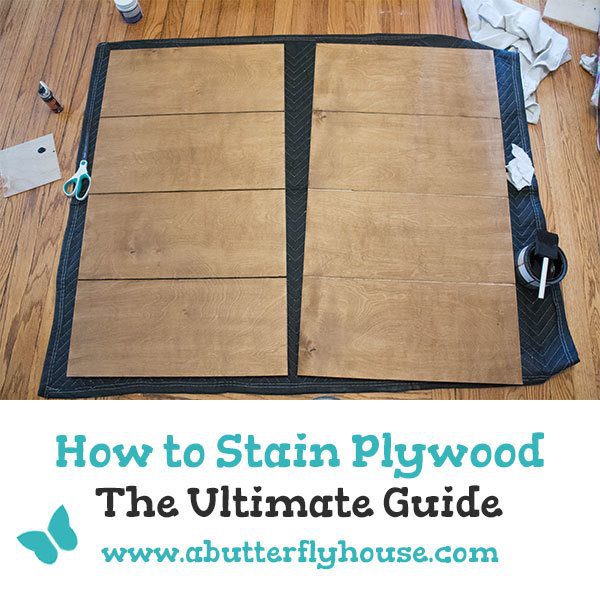
Staining and finishing plywood can enhance its appearance. Start with a sander to create a smooth surface. Apply a stain with a brush or cloth. Let it dry completely.
For a protective finish, use a clear coat. This helps resist moisture and damage. Always follow the manufacturer’s instructions for best results.
Plywood In Design
Plywood does have a grain, which is important in design. The grain pattern affects the overall look of the project. Some styles require a specific grain to match their aesthetic.
For modern designs, a straight grain often works best. It creates a clean and simple appearance. Rustic styles benefit from a more varied grain, adding warmth and character.
Choosing the right grain can enhance the beauty of furniture or decor. Use plywood with a grain that complements your project style. This choice can make a significant difference in the final result.
Troubleshooting Common Issues
Plywood can warp due to moisture and temperature changes. To prevent warping, store plywood flat. Keep it in a dry area with good air circulation. Use weights to keep sheets flat during storage.
Delamination occurs when layers of plywood separate. This often happens with moisture exposure. To prevent this, seal edges with waterproof paint. Always use plywood suitable for wet conditions.
Regularly check for signs of warping and delamination. Early detection helps avoid bigger issues later. Keep your plywood in optimal conditions for longer-lasting use.
Advanced Plywood Applications
Plywood is known for its versatility in various applications. One exciting use is bending plywood. This process allows plywood to take on curved shapes. It is often used in furniture and architectural designs. Special techniques help achieve this bending without damaging the wood.
Recent innovations in plywood manufacturing focus on enhancing strength and flexibility. New adhesives and techniques improve durability. Sustainable practices are also becoming more popular. Manufacturers aim to reduce waste and use eco-friendly materials. This leads to a more environmentally friendly product.
Frequently Asked Questions
Does Plywood Have A Visible Grain Pattern?
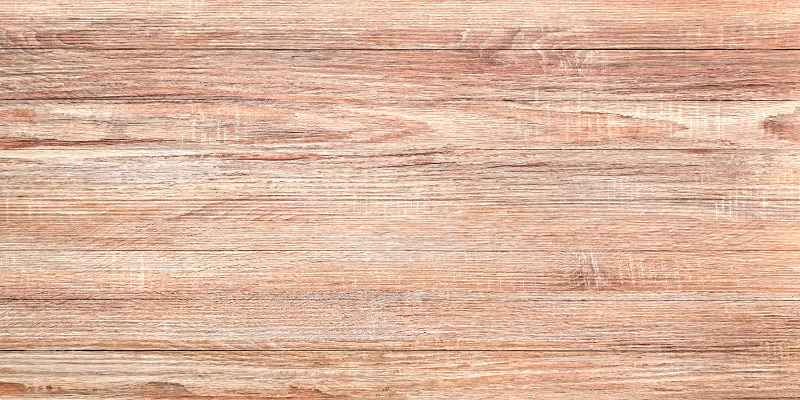
Yes, plywood does have a visible grain pattern. The grain comes from the wood veneers used in its construction. Different types of wood produce varied grain appearances. This characteristic adds to plywood’s aesthetic appeal and can influence design choices in furniture and cabinetry.
How Is Plywood’s Grain Different From Solid Wood?
Plywood’s grain differs from solid wood due to its layered structure. While solid wood features a continuous grain, plywood has a cross-grain pattern. This design enhances strength and stability. However, the grain can still be attractive, offering diverse options for various projects.
Can Plywood’s Grain Be Stained Or Painted?
Yes, plywood’s grain can be stained or painted effectively. Staining enhances the natural wood look, highlighting the grain pattern. Painting provides a uniform finish, concealing the grain if desired. Proper preparation is essential for the best results, ensuring paint or stain adheres well.
What Types Of Wood Are Commonly Used In Plywood?
Common woods used in plywood include oak, birch, pine, and maple. Each type offers unique grain patterns and colors. The choice of wood affects the plywood’s strength and appearance. Selecting the right wood is crucial for achieving desired aesthetics and functionality.
Conclusion
Plywood does exhibit a grain, though it differs from solid wood. The grain pattern is influenced by the veneer layers used in its construction. Understanding this can help you choose the right plywood for your project. Whether for aesthetics or functionality, knowing the grain enhances your woodworking experience.
Choose wisely!