Does Restor-A-Finish Come in Different Colors? All 9 Shades
Yes, Restor-A-Finish (often searched as “Restofinisher” or “resto finisher”) comes in nine different colors. Howard Products, the company that makes it, offers shades from a nearly clear Neutral up through Golden Oak, Cherry, Walnut, Mahogany, Dark Walnut, Dark Oak, Maple-Pine, and Ebony Brown, so you can match almost any existing wood tone without buying anything else.
That’s a different situation than picking a wood stain, though. Restor-A-Finish isn’t laying down fresh color on bare wood – it’s reviving the finish that’s already on your furniture. Below is the full color lineup, how to pick the right one, whether you can mix shades, and why the “color” here works a bit differently than a can of stain.
The 9 Restor-A-Finish Colors
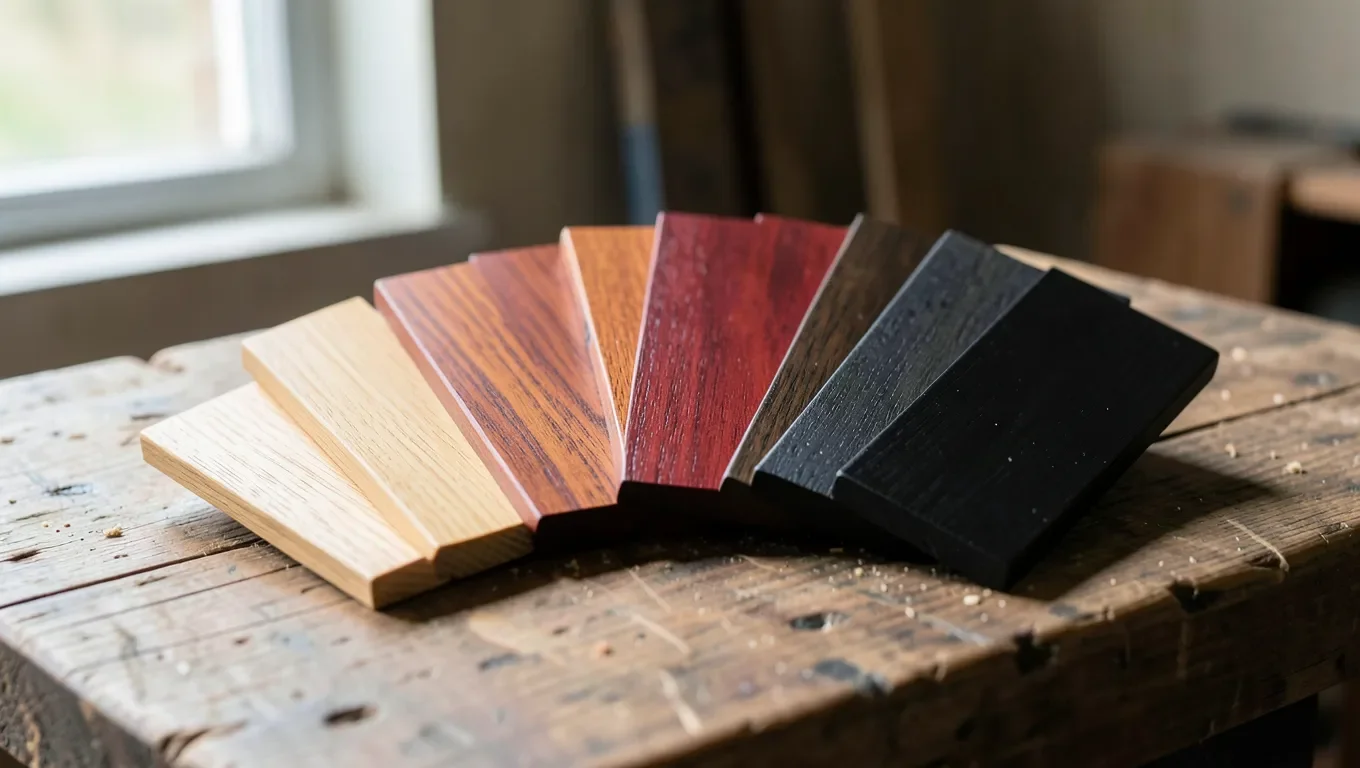
Here’s the full lineup, from lightest to darkest: Neutral, Maple-Pine, Golden Oak, Cherry, Walnut, Mahogany, Dark Walnut, Dark Oak, and Ebony Brown. Each one is sold in 8 oz and 16 oz bottles. If you’re not sure which shade your piece needs, Neutral is the safe starting point below.
Best Shade If You’re Not Sure Which To Pick
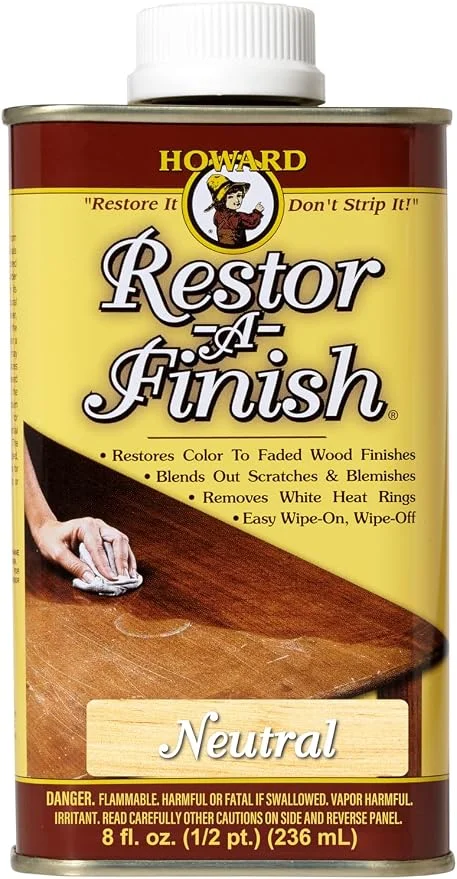 |
Howard Restor-A-Finish, Neutral, 8 oz – $16.48 Since this page is about picking the right color, Neutral is the one shade in the lineup made to work on every wood tone – no guessing required.
|
Here’s what each of the other shades in the lineup is actually meant for:
- Maple-Pine – the lightest tinted option, for pale, honey-colored wood like maple or pine trim.
- Golden Oak – a warm medium-yellow tone, the most common match for older oak furniture and cabinets.
- Cherry – a warm reddish-brown, one of Howard’s most popular shades for dining tables and cherry-finished pieces.
- Walnut – a mid-to-dark brown with a slightly cool cast, made for walnut-stained furniture.
- Mahogany – a deep red-brown, closer to Cherry but noticeably darker.
- Dark Walnut – darker and less red than standard Walnut, for aged or heavily-toned walnut pieces.
- Dark Oak – a deep brown with less red than Mahogany, for oak that’s darkened with age.
- Ebony Brown – the darkest shade in the lineup, for near-black finishes and ebonized wood.
How to Choose the Right Shade
Restor-A-Finish isn’t stripping the wood down first, so the shade you pick is layered on top of whatever finish is already there. A few rules of thumb make this easier:
- Match the shade to your current finish color, not the color you wish it were – this product revives, it doesn’t repaint.
- If your wood tone falls between two shades, start with the lighter one. It’s much easier to go one shade darker on a second pass than to lighten an overly dark result.
- Always test on a hidden spot first – the underside of a table leaf or the back of a drawer – and let it sit a few minutes before judging the color.
- When genuinely unsure, use Neutral. It’s formulated to blend into any existing tone rather than adding its own.
Can You Mix Restor-A-Finish Colors?
Yes. Howard’s own guidance is that you can combine two shades to custom-match a tone that falls between the nine standard colors – for example, blending Golden Oak with a little Walnut to land on something closer to a medium honey-brown. This is worth knowing because older listings and forum posts sometimes claim the colors can’t be blended; that’s not accurate. Test any custom blend on scrap wood or a hidden spot first, since the ratio you land on won’t be an exact, repeatable formula the way a pre-mixed stain would be.
Why Restor-A-Finish Colors Work Differently Than Wood Stain
This is the part most color guides skip. Restor-A-Finish is a solvent blended with a small amount of stain and mineral oil. It penetrates the existing finish layer just enough to blend out light scratches, sun fade, and cloudy white rings – without stripping or sanding anything off first. Regular wood stain does the opposite: it’s made to soak into bare, sanded wood and needs the old finish removed before it can work at all.
That difference also affects which of the nine colors will actually show up well. Restor-A-Finish penetrates older, softer finishes like shellac and lacquer easily, so the color blends in smoothly. On harder modern finishes like polyurethane, it often can’t penetrate as deeply, so the color sits closer to the surface and may look less convincing or wear off faster. If your piece has a polyurethane topcoat and looks dull, a color-matched Restor-A-Finish pass may not be the fix – that’s usually a sign the finish needs an actual refinish instead.
Applying Restor-A-Finish for a Clean Color Match
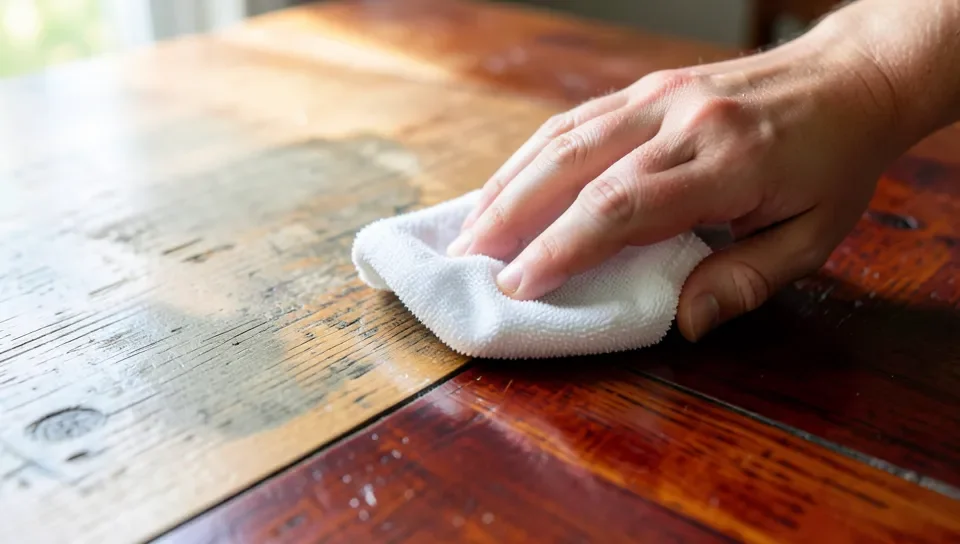
Once you’ve picked a shade, application is simple: wipe on with a soft cloth (or fine steel wool for stubborn white rings or scratches), work with the grain, and let it sit before buffing off the excess. For the full step-by-step process, including how long to let it sit and how to handle deeper scratches, see our complete guide to using Restor-A-Finish.
Frequently Asked Questions
Does Restor-A-Finish come in multiple colors?
Yes. Howard Restor-A-Finish comes in nine shades: Neutral, Maple-Pine, Golden Oak, Cherry, Walnut, Mahogany, Dark Walnut, Dark Oak, and Ebony Brown.
What’s the most versatile Restor-A-Finish color?
Neutral. It’s formulated to work across wood tones instead of matching one specific shade, which makes it the safest pick when you’re unsure.
Can I mix two Restor-A-Finish colors together?
Yes, Howard’s own guidance allows blending two shades to custom-match a tone that falls between the nine standard colors. Test the blend on a hidden spot first.
Does Restor-A-Finish work on any wood finish?
It works best on older, softer finishes like shellac and lacquer. On harder modern finishes like polyurethane it may not penetrate as deeply, so the color and results can be less reliable.
Conclusion
Restor-A-Finish comes in nine colors, covering nearly every common wood tone from pale Maple-Pine to near-black Ebony Brown, plus a Neutral option that works across the board. Match it to your existing finish color rather than the color you want, test it first, and remember that it’s reviving a finish, not replacing one – which is also why it performs best on older shellac or lacquer finishes rather than modern polyurethane.
Sponsored / affiliate links. As an Amazon Associate I earn from qualifying purchases. I may earn additional commission from eligible campaigns.