Is Cottonwood a Good Firewood? Real BTU Numbers vs Oak
Cottonwood is usable firewood, but it is a low-heat, fast-burning one. It splits easily and is often cheap or free, yet a cord of it holds about half the heat of a cord of white oak, and it only burns cleanly once it is properly dried.
The numbers below come from university extension data, and they show something most cottonwood articles get wrong: the wood itself is not weak fuel, there is just less of it in every stack. Once you see that, it is easy to decide when cottonwood is worth burning and how much you should pay for it.
Is Cottonwood Good Firewood? The Short Verdict
Best Way To Check Cottonwood Is Dry
 |
General Tools MMD4E Moisture Meter, $39.98 Cottonwood only burns well when it is properly dry, and a pin meter tells you the real number instead of leaving you to guess by weight or color.
|
Cottonwood earns a “fair, with conditions” rating. It is good for shoulder-season fires, kindling-sized starter wood, and stretching a hardwood supply. It is a poor choice as the only fuel for a stove that has to heat a home through January.
- Pros: easy to split, light to carry and stack, quick to light, usually inexpensive, and it dries faster than dense hardwoods.
- Cons: low heat per cord, short burn times, more refills, and a smoky, sour smell if it is burned wet.
One common mix-up is worth clearing up. Cottonwood is a hardwood in the botanical sense, because it is a broadleaf tree in the Populus (poplar) genus. It just happens to be among the lightest and softest hardwoods, which is why it acts like a softwood in the stove. If you are also weighing its close cousin, our page on whether poplar is good for burning covers the same trade-offs.
Cottonwood BTU Values Compared With Other Firewoods
Utah State University Extension publishes a firewood table for air-dried wood, measured per cord. Here are the species that matter most when you compare cottonwood with what else is on offer:
| Wood | Dry weight per cord (lb) | Heat per cord (million BTU) | Heat per pound (BTU) |
|---|---|---|---|
| Cottonwood | 2,272 | 15.8 | about 6,950 |
| Ponderosa pine | 2,336 | 16.2 | about 6,930 |
| Green ash | 2,880 | 20.0 | about 6,940 |
| Red oak | 3,528 | 24.6 | about 6,970 |
| White oak | 4,200 | 29.1 | about 6,930 |
Source: USU Extension wood heating table. The last column is our own division of heat by weight.
The per-pound surprise
Look at the last column. Per pound of dry wood, cottonwood, ash, and oak all release almost the same heat, roughly 6,900 to 7,000 BTU. Cottonwood is not a chemically weak fuel. It is just so light that a cord of it contains 2,272 pounds of wood while a cord of white oak contains 4,200. You are stacking about half the fuel in the same space.
That changes how you should think about price and effort. To match the heat of one cord of white oak you need about 1.8 cords of cottonwood (29.1 divided by 15.8). Against red oak it is about 1.6 cords. In money terms, cottonwood is only a fair deal if a cord costs less than roughly 54 percent of the white oak price, or about 64 percent of the red oak price. If someone charges you the same for both, buy the oak.
The flip side is that cottonwood is worth taking when it is free. A downed tree costs you a saw, a splitter, and some time, and the wood dries fast enough that it can be burning within a year. Compare that with a walnut or oak pile, as in our guide on whether walnut makes good firewood, where the heat is better but the drying and the price are both bigger commitments.
Smoke, Smell and Creosote: The Safety Side
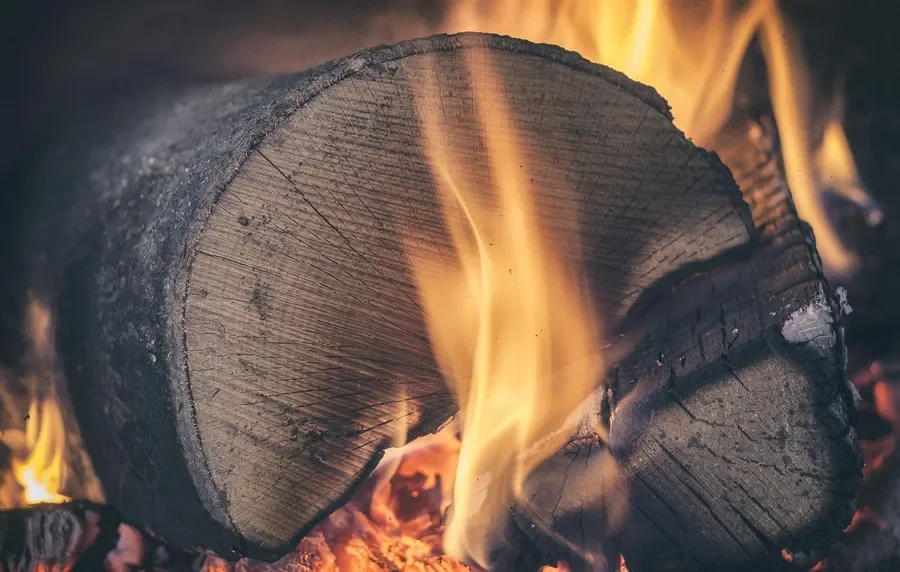
Wet cottonwood is where the bad reputation comes from. Green firewood can be 50 percent water or more by weight, according to USU Extension, and a fire has to boil that water off before it can heat your room. The result is a cool, smoldering fire, a lot of smoke, and the sour smell people complain about. Seasoned cottonwood smells far milder.
The bigger issue is safety. Smoldering, wet wood leaves creosote in the flue, and creosote is what feeds chimney fires. Because cottonwood burns at a lower temperature than dense hardwood even when it is dry, it is a good idea to follow a few habits:
- Burn only wood that reads 20 percent moisture or less, which is the level the EPA Burn Wise program recommends for cleaner burning.
- Mix cottonwood with denser hardwood instead of running an entire load of it in a stove, so the firebox stays hot enough to burn off smoke.
- Do not damp the air supply down to make short-burning wood last longer, because that is exactly how creosote builds up.
- Have the chimney inspected at least once a year, as NFPA 211 recommends, and sweep it if the inspector finds buildup.
Cottonwood also makes a lot of fluff in spring, but that cotton comes from the female tree and is not something you burn. If you have trees dropping it on your yard, see how to stop cottonwood trees from producing cotton. And never toss painted or preserved lumber into the same fire, a risk we explain in can burning treated wood be dangerous.
How to Season Cottonwood Properly
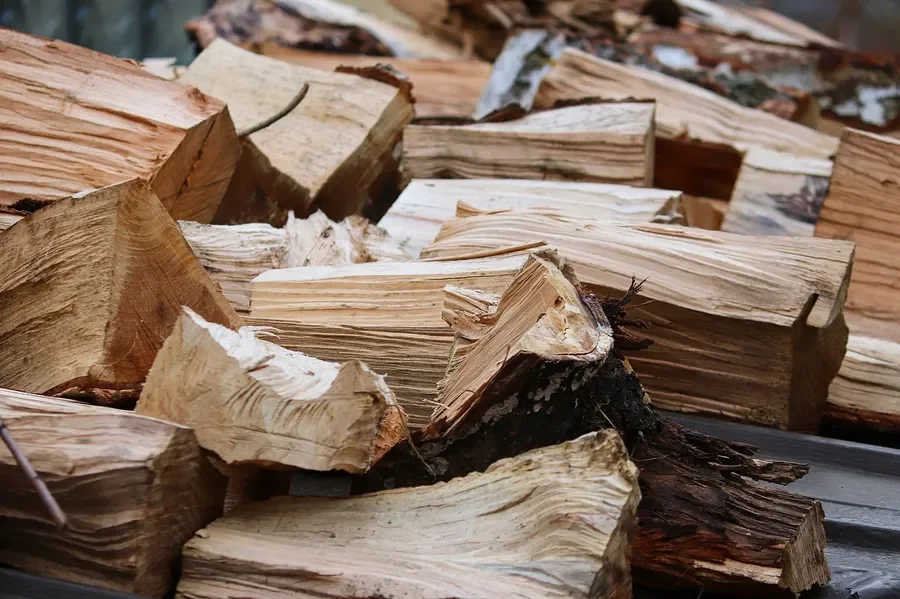
A myth worth dropping is that cottonwood takes longer to dry than other woods. Its low density and open structure let moisture escape sooner than in oak, which is often left for one to two years. In a good stack, split cottonwood is commonly ready in about 6 to 12 months, and a moisture meter is the reliable way to know instead of guessing.
- Split it small. Green cottonwood is stringy and easier to split right after felling, and smaller pieces dry faster.
- Stack in a single row. Keep the pieces off the ground on pallets or rails with gaps for airflow. Our guide to stacking firewood so it actually seasons shows the layouts that work.
- Cover only the top. A tarp or roof over the stack keeps rain out, while open sides let wind carry moisture away.
- Test before you burn. Split a piece, press the meter pins into the fresh face across the grain, and look for 20 percent or lower.
If you are used to the timing for denser species, our page on how long oak takes to season is a useful comparison point: the same stacking rules apply, but cottonwood usually finishes sooner.
The Best Ways to Use Cottonwood
- Shoulder-season fires. In fall and spring you want quick warmth, not an all-night burn, so cottonwood does the job.
- Starter wood. Dry, split cottonwood lights fast and gets a stack of denser logs going.
- Mixed loads. Pair a few cottonwood pieces with oak or ash for a hotter firebox and fewer smoky stretches.
- Outdoor fire pits. Where heat per cord and chimney creosote do not matter, seasoned cottonwood is an easy, cheap fuel.
For a wood stove that is your main heat, buy dense hardwood for the overnight burns and treat cottonwood as a supplement. Our page on whether a wood burner can get too hot covers how to manage stove temperature safely with any fuel.
Frequently Asked Questions
Is it better to burn cottonwood or pine?
Per cord they are close: USU Extension lists cottonwood at 15.8 million BTU and ponderosa pine at 16.2 million. Cottonwood is the calmer choice in a stove because it has less resin, but both are fast, low-heat fuels best mixed with dense hardwood.
How long to season cottonwood for firewood?
Plan on roughly 6 to 12 months in a single-row, off-the-ground stack with sun and wind, and confirm with a moisture meter that a freshly split face reads 20 percent or lower before you burn it.
Is cottonwood a hardwood or softwood?
Botanically it is a hardwood, because cottonwood is a broadleaf tree. In practice it is one of the lightest and softest hardwoods, which is why it burns more like a softwood.
Does cottonwood smell bad when it burns?
Green or wet cottonwood commonly gives off a sour, unpleasant smell and heavy smoke. Fully seasoned cottonwood smells mild, so a bad smell usually means the wood is still too wet.
Conclusion
Cottonwood is good firewood when it is free or very cheap, when it is properly seasoned, and when you use it for quick fires or mixed with hardwood. Its real weakness is density: about 15.8 million BTU per cord against 29.1 for white oak, even though each pound burns about the same. Measure the moisture, watch the creosote, and price it at roughly half of what you would pay for oak.
Sponsored / affiliate links. As an Amazon Associate I earn from qualifying purchases. I may earn additional commission from eligible campaigns.