Why a Drill Reciprocating Saw Combo Is a Game-Changer for Woodworking
Why I Love My Drill Reciprocating Saw Combo. Let me tell you something exciting. If you’re into woodworking or tackling DIY projects around the house, a drill reciprocating saw combo is like having a trusty sidekick. I’ve been woodworking for years, and this combo has saved me time, effort, and space in my workshop. Imagine having two power tools that work together seamlessly—one for precision drilling and another for quick, versatile cutting. In this article, I’ll share why this combo is a must-have, how it works, and tips to make the most of it. Whether you’re a beginner or a seasoned woodworker, let’s explore why this toolset is a game-changer.
What Is a Drill Reciprocating Saw Combo?
Picture this: you’re in your garage, ready to build a bookshelf. You need to drill holes for screws and cut wood to size. Instead of juggling multiple tools, a drill reciprocating saw combo gives you both in one package. It’s a bundle that includes a cordless drill and a reciprocating saw, often sharing the same battery system. These kits are designed for convenience, saving you money compared to buying each tool separately.
The cordless drill is your go-to for drilling holes and driving screws. It’s perfect for tasks like assembling furniture or installing shelves. The reciprocating saw, on the other hand, is a beast for cutting through wood, metal, or even drywall. It moves back and forth, like a hand saw but powered up. Together, they’re a powerhouse for woodworking tools that make projects faster and easier.
Why Choose a Combo Kit Over Individual Tools?
I used to buy tools one by one, but I learned my lesson. A combo kit is a smarter choice for a few reasons. First, it’s cost-effective. You get two tools for less than the price of buying them separately. Second, they share the same battery and charger, which means less clutter in your workshop. I can’t tell you how much I love not tripping over extra cords!
Another perk is compatibility. Since both tools are from the same brand, they work together flawlessly. I’ve used my combo for everything from building a deck to pruning tree branches. Plus, these kits often come with a sturdy carrying case, keeping your tools safe and organized.
Here’s a quick comparison to show why combos win:
| Feature | Combo Kit | Individual Tools |
|---|---|---|
| Cost | More affordable (bundled discount) | More expensive (full price per tool) |
| Battery Compatibility | Shared battery and charger | May need separate batteries/chargers |
| Storage | Comes with a carrying case | No case, requires separate storage |
| Brand Consistency | Same brand, seamless performance | Mixed brands may vary in quality |
The Cordless Drill: Your Precision Partner
Let’s talk about the cordless drill first. It’s like the Swiss Army knife of power tools. I use mine for drilling pilot holes, driving screws, and even mixing paint with the right attachment. What I love most is the freedom of no cords. I can take it anywhere—my workshop, the backyard, or even a friend’s house for a quick repair.
Most drills in these combos have adjustable torque settings. This means you can control the power for delicate tasks, like screwing into soft pine, or crank it up for tougher jobs, like drilling into hardwood. Look for a drill with a ½-inch chuck size for versatility—it handles larger bits better. My 18-volt drill has been a lifesaver for heavy-duty tasks, and the battery lasts long enough to get through a full day’s work.
The Reciprocating Saw: A Cutting Powerhouse
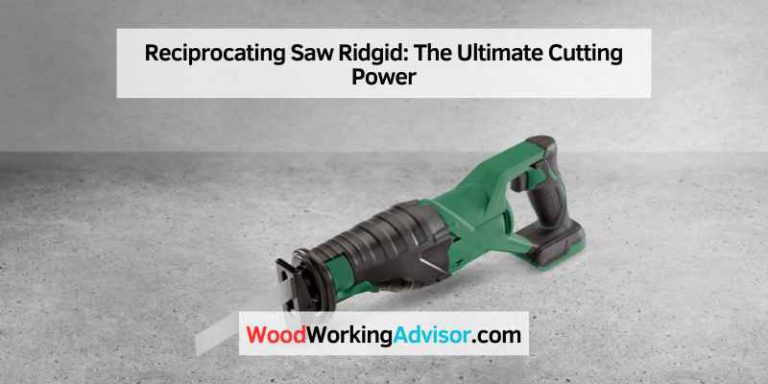
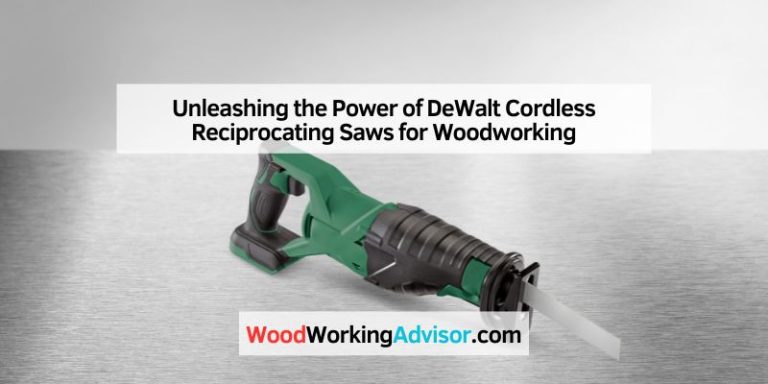
Now, the reciprocating saw is where the fun begins. I call it my “demo buddy” because it tears through materials like nobody’s business. Whether I’m cutting lumber for a project or slicing through old nails in a pallet, this tool doesn’t flinch. Its blade moves back and forth rapidly, making it ideal for rough cuts.
What makes it special is its versatility. With the right blade, you can cut wood, metal, plastic, or even masonry. I once used mine to trim overgrown branches in my yard—way easier than dragging out a chainsaw. Some models have orbital action, which adds an up-and-down motion for faster wood cutting. But I turn it off for metal or PVC to keep the cuts clean.
How These Tools Shine in Woodworking
As a woodworker, I’m always juggling tasks. The drill reciprocating saw combo handles so many of them. Let’s break it down:
- Building Furniture: I use the drill to create pilot holes and drive screws for sturdy joints. The reciprocating saw cuts wood to size, even if it’s thick or has knots.
- Demolition Projects: When I’m refurbishing old furniture, the reciprocating saw makes quick work of removing nails or cutting apart pieces.
- Outdoor Projects: From building a pergola to pruning trees, these tools cover it all. I’ve used the saw to shape beams and the drill to secure them.
- Pallet Upcycling: I love turning old pallets into rustic decor. The saw cuts through nails and wood, while the drill helps assemble the final piece.
One time, I built a coffee table from reclaimed wood. The reciprocating saw sliced through the rough boards like butter, and the drill made assembly a breeze. The combo saved me hours compared to using hand tools.
Choosing the Right Combo for You
Picking the right drill reciprocating saw combo can feel overwhelming with so many brands out there. I’ve tried a few, and here’s what I recommend focusing on:
- Battery Life: Look for a kit with lithium-ion batteries. They hold a charge longer and recharge faster. I prefer 18-volt or 20-volt systems for power.
- Brand Reliability: Stick with trusted names like DeWalt, Milwaukee, or Ryobi. I’ve had great luck with my Ryobi combo—it’s affordable and durable.
- Blade and Bit Options: Ensure the saw has a quick-change blade system for convenience. For the drill, check if it comes with a variety of bits.
- Ergonomics: You’ll be holding these tools for hours, so pick ones with comfortable grips. My cordless saw is lightweight, which saves my arms during long projects.
If you’re on a budget, brands like Ryobi offer great value. For heavy-duty work, Milwaukee or DeWalt are worth the splurge. Check the amp-hour (Ah) rating on the battery—higher numbers mean longer runtime.
Tips for Using Your Combo Safely and Effectively
I’ve learned a few tricks to get the most out of my woodworking tools. Here’s what works for me:
- Choose the Right Blade: For the reciprocating saw, match the blade to the material. Use a 6 TPI (teeth per inch) blade for fast wood cuts and a 24 TPI blade for metal.
- Secure Your Workpiece: Always clamp your wood before cutting or drilling. It prevents slips and keeps your cuts accurate.
- Wear Safety Gear: Goggles, gloves, and ear protection are non-negotiable. The reciprocating saw can kick up dust and debris.
- Practice Control: Let the saw do the work—don’t force it. For the drill, start with a low torque setting to avoid stripping screws.
- Maintain Your Tools: Clean the drill’s chuck and the saw’s blade clamp regularly. I also charge my batteries fully before starting a project.
One mistake I made early on was using a dull blade. It slowed me down and made messy cuts. Now, I keep a stash of spare blades and swap them out when they wear down.
Real-Life Applications in DIY Projects
Let me share a story. Last summer, I helped my neighbor build a treehouse for his kids. The drill reciprocating saw combo was our MVP. We used the saw to cut 2x4s for the frame and trim branches that were in the way. The drill handled all the screws and bolts, making the structure rock-solid. What could’ve taken days with hand tools was done in a weekend.
Another time, I tackled a bathroom remodel. The reciprocating saw cut through old drywall and pipes like a hot knife through butter. The drill helped me install new fixtures and cabinetry. The combo made me feel like a pro, even though I’m just a hobbyist.
Why Cordless Is the Way to Go
I used to have corded tools, but switching to cordless power tools changed everything. No cords mean no tripping hazards or searching for outlets. My cordless drill and saw let me work in tight spaces, like attics or crawlspaces, without hassle. Plus, modern batteries last long enough for most projects. I usually carry an extra battery just in case, but I rarely need it.
Cordless combos are also portable. I toss mine in the car for projects at friends’ houses or community builds. The only downside? If you’re cutting thick materials all day, a corded saw might have more consistent power. But for most DIY projects, cordless is plenty.
Maximizing Value with Your Combo
Here’s a tip: think of your drill reciprocating saw combo as an investment. These tools grow with you. As you take on bigger projects, you can add accessories like specialty blades or drill bits. I recently bought a hole saw bit for my drill to make perfect circles for a speaker project. The saw’s versatility means I can tackle new materials as my skills improve.
Also, look for combo kits with extras, like additional batteries or a flashlight. My Ryobi kit came with a free work light, which I use all the time in dim corners of my workshop. Check online reviews or ask friends for recommendations to find deals.
Troubleshooting Common Issues
Even the best tools can hit snags. Here’s how I handle common problems:
- Drill Slipping: If the bit slips, check the chuck—it might be loose. Tighten it or clean out any sawdust.
- Saw Vibrating Too Much: Use a lower speed setting or switch to a blade with more TPI for smoother cuts.
- Battery Draining Fast: Avoid overworking the tools. Let them cool down between heavy tasks, and store batteries in a cool, dry place.
- Dull Blades: Replace them immediately. Dull blades make your saw work harder and can cause kickback.
I once had my saw kick back while cutting a pallet. Scary moment! Now, I always double-check my grip and blade condition before starting.
Conclusion: Your Next Step in Woodworking
After years of using my drill reciprocating saw combo, I can’t imagine my workshop without it. It’s like having a best friend who’s always ready to help, whether I’m building a bookshelf, tearing down old drywall, or crafting a gift for a friend. These power tools are versatile, efficient, and perfect for anyone who loves DIY projects. If you’re ready to take your woodworking to the next level, grab a combo kit that fits your budget and needs. You’ll wonder how you ever worked without it. So, what’s your next project? Get out there, start creating, and let these tools make your ideas come to life!
FAQs
What Is a Drill Reciprocating Saw Combo?
It’s a bundle that includes a cordless drill and a reciprocating saw, usually with shared batteries. It’s designed for convenience and cost savings, perfect for woodworking and DIY projects.
Can I Use a Reciprocating Saw for Fine Woodworking?
Not really. A reciprocating saw is great for rough cuts and demolition, but for precise woodworking, a jigsaw or circular saw is better. Use the drill for detailed tasks.
Are Cordless Combos as Powerful as Corded Ones?
For most DIY projects, cordless power tools are plenty powerful. Corded tools might have an edge for heavy, continuous use, but modern batteries are close.
How Do I Choose the Right Blade for My Reciprocating Saw?
Match the blade to the material. Use low TPI (6–10) for wood and high TPI (18–24) for metal. Always check the blade’s condition before cutting.
Is a Drill Reciprocating Saw Combo Worth It for Beginners?
Absolutely! It’s a versatile, cost-effective way to start. You get two essential woodworking tools in one package, perfect for learning and growing.
Can I Use the Same Battery for Both Tools?
Yes, most combo kits use the same battery for both the drill and saw. This saves space and makes switching between tools easy.
How Do I Maintain My Combo Tools?
Clean the drill chuck and saw blade clamp regularly. Store batteries in a cool, dry place, and replace dull blades or bits to keep performance high.