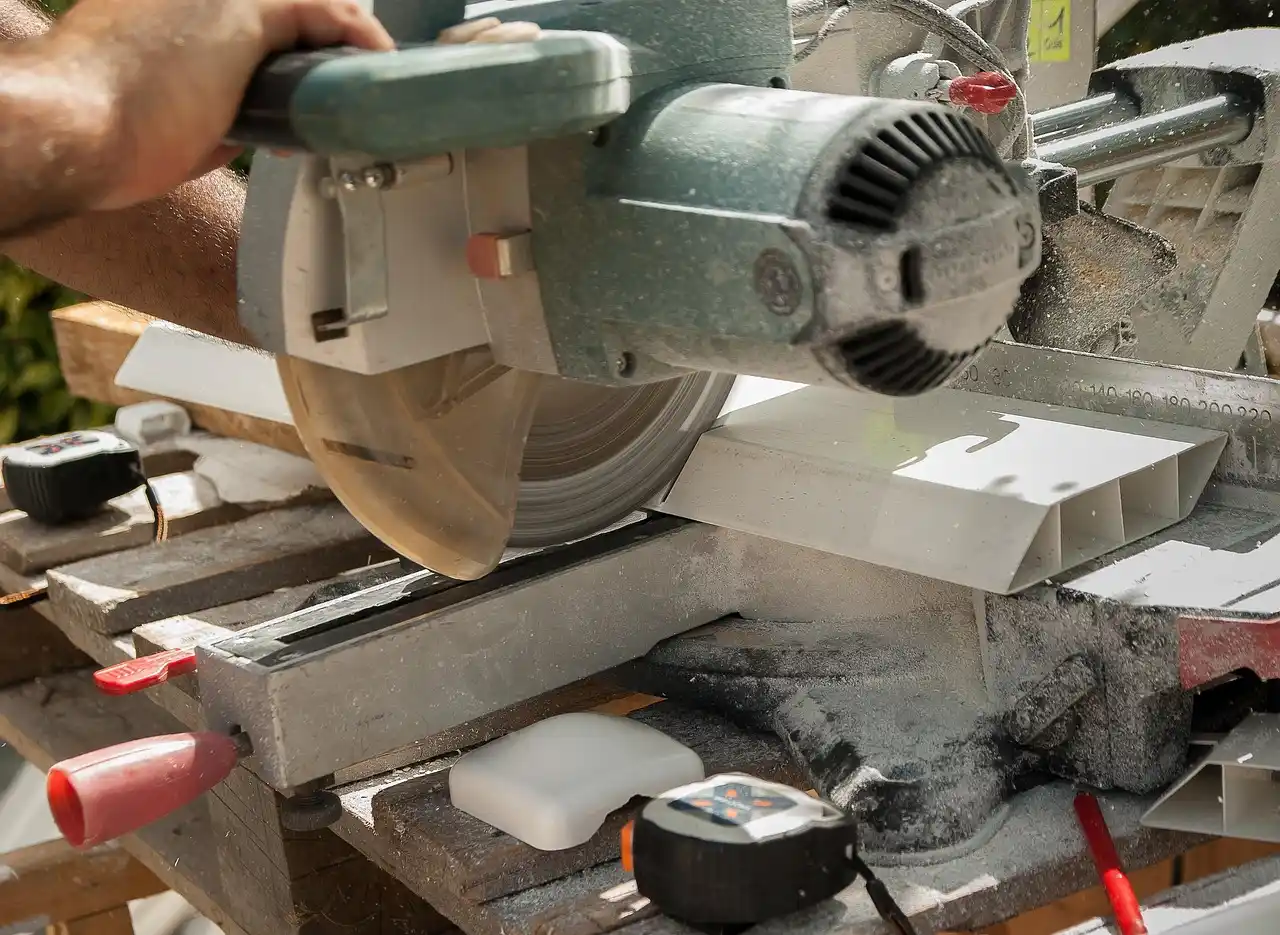
Miter Saw vs Table Saw for Cross Cuts
Choose a miter saw if most of your work is trim, framing lumber, or repeated crosscuts and you want the fastest setup; choose a table saw with a crosscut sled if you need repeatable, square cuts on wider stock. Get this wrong, and you lose time on setup, fight support issues, and make more off-square cuts. This guide compares both saws for cross-cut workflow, dust, accuracy, stock support, and beginner-friendly buying priorities.
Miter saw vs table saw: the core trade-off
Miter saw vs table saw: the core trade-off
Choose a Miter Saw if most of your work is trim, framing lumber, or repeated crosscuts and you want the fastest setup; choose a Table Saw with a crosscut sled if you need repeatable, square cuts on wider stock. Pick the wrong one, and you spend more time setting up, wrestling support, and fixing cuts that drift off square. This guide compares both saws for cross-cut workflow, dust, accuracy, stock support, and beginner-friendly buying priorities.
| Decision factor | Miter Saw | Table Saw | Winner |
|---|---|---|---|
| Main strength | Fast, accurate crosscuts and bevel or miter cuts | Rip cuts first; crosscuts with the right setup | Miter Saw |
| Support for long or wide stock | Best when the board can be supported safely on the saw and outfeed side | Better for wider material and sheet goods with proper support | Table Saw |
| Setup time for a simple crosscut | Usually faster for direct stop-and-cut workflows | Slower when you need a sled, gauge, or careful fence setup | Miter Saw |
| Repeatability | Very good with a stop block and fixed fence | Very good with a crosscut sled and stop system | Tie |
| Dust control | Varies by saw and collector, but chips are often thrown toward the operator area unless capture is strong | Varies by blade shroud and collection; can be very good with enclosed collection | Tie |
| Footprint and portability | Smaller and easier to move | Larger footprint, especially cabinet and hybrid models | Miter Saw |
| Beginner safety for crosscuts | Simple for direct crosscuts, but small pieces still need careful clamping | Safer when used with a sled or miter gauge; less friendly if you improvise stops | Miter Saw |
Main strength
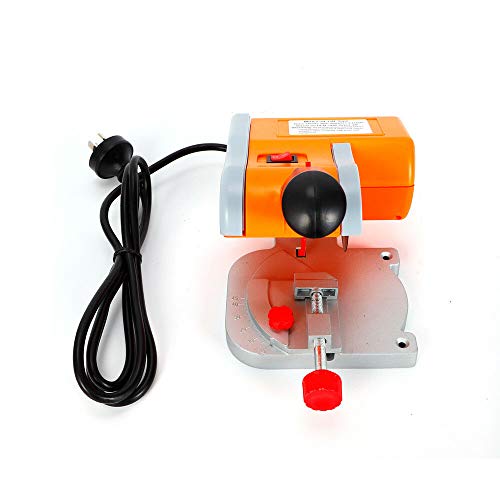
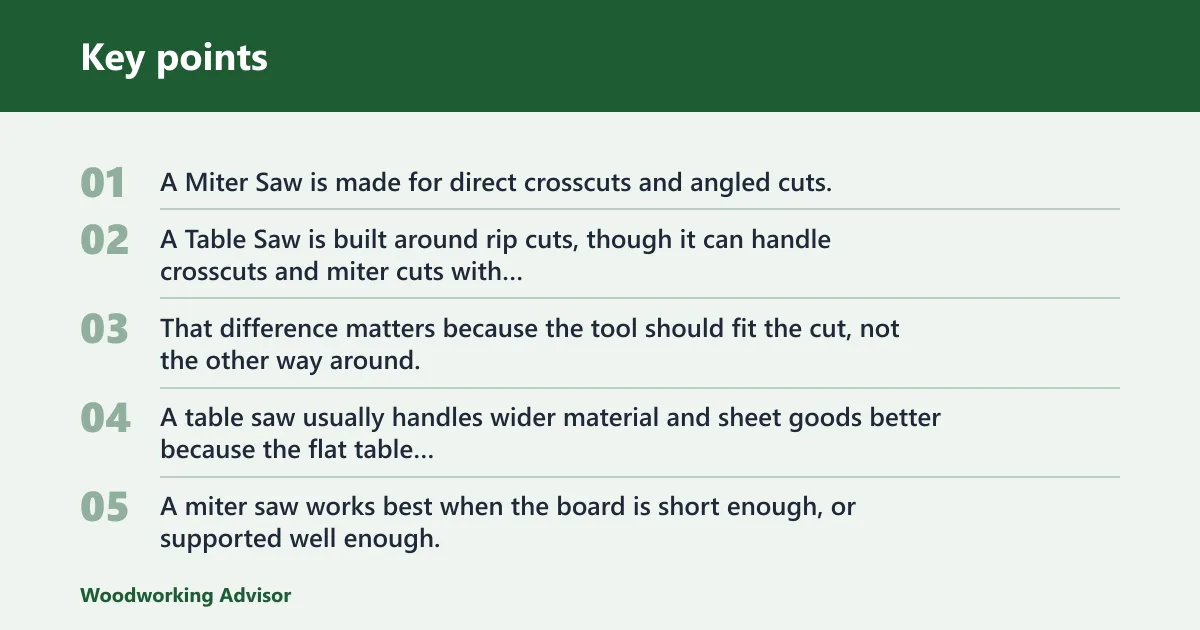
A Miter Saw is made for direct crosscuts and angled cuts. A Table Saw is built around rip cuts, though it can handle crosscuts and miter cuts with the right setup. That difference matters because the tool should fit the cut, not the other way around.
Support for long or wide stock
A table saw usually handles wider material and sheet goods better because the flat table supports the workpiece. A miter saw works best when the board is short enough, or supported well enough, to stay stable through the cut; the real question is not whether it fits the base, but whether the full workpiece can be supported safely.
Setup time for a simple crosscut
For a plain crosscut, a miter saw is usually quicker to set up. A table saw often needs a miter gauge, a crosscut sled, or a carefully tuned stop system before it becomes efficient for repeat work.
Repeatability
Both tools can repeat cuts well when you add the right stop block or sled. A crosscut sled improves squareness and repeatability on a table saw, while a miter saw with a solid fence and stop block works well for production-style trim cuts. The better choice is the one whose accessory stays set up and accurate.
Dust control
Dust capture is not a fixed advantage for either saw. It depends on saw design, blade shroud, and collection setup, and the main takeaway is that collection geometry changes the result more than the label on the saw. A well-sealed table saw cabinet with a tuned dust port can collect chips very effectively, while a miter saw may throw more debris forward unless the hood and vacuum connection are dialed in.
Footprint and portability
A miter saw is easier to move and transport, which is why it is common for jobsite work. Table saws range from bench-top to contractor, cabinet, and hybrid versions, and the larger styles take more space and more setup time.
Beginner safety for crosscuts
A miter saw is often easier for a beginner to understand because the cut path is direct and the stock stays against the fence. A table saw can be very accurate, but crosscutting needs more care with support, sled alignment, and offcut control. Never use the rip fence as a stop during a through crosscut; that can trap the cutoff and cause kickback.
Which saw is better for trim, framing, and furniture parts?
Miter Saw is usually better for trim, baseboards, crown molding, and 2x framing crosscuts. Table Saw becomes more useful when the parts are wider, when you need rip cuts too, or when you want one machine to handle both board breakdown and crosscut jigs. For furniture parts, the better answer depends on long stock, wide stock, or a batch of identical short pieces.
Trim, baseboards, and crown molding
Trim carpentry is the miter saw’s home turf. The tool’s angle control makes it the natural choice for baseboards and crown molding, and a compound or dual-bevel model helps when bevel cuts are part of the job. For trim cuts, a 60-tooth blade is a good fit because it leaves a cleaner edge on painted or stained molding.
2x framing and jobsite crosscuts
For 2x framing, a miter saw is usually the faster jobsite tool because it is portable and quick to reset. A sliding compound miter saw increases cutting width, which helps with larger stock that would otherwise exceed the cut capacity of a fixed-head saw. Check the manufacturer’s listing for your model when capacity matters.
Long boards, wide panels, and repeat cuts
Long boards are where workflow matters more than headline versatility. If you can support the full length safely, a miter saw is fast; if the stock is wider or you need repeatable squareness across many pieces, a table saw with a crosscut sled is often better. Say your project is a stack of 24-inch cabinet parts cut from maple boards: a sled and stop block can beat repeated freehand measuring on a miter saw because each part rides the same path.
Can you cross cut on a table saw?
Yes. A Table Saw can crosscut with a miter gauge or a crosscut sled, and it can also make miter cuts with the right setup. The trade-off is that the setup has to be square, stable, and suited to the stock; otherwise, the saw’s strength in rip cuts does not translate into efficient crosscut work.
Miter gauge vs crosscut sled
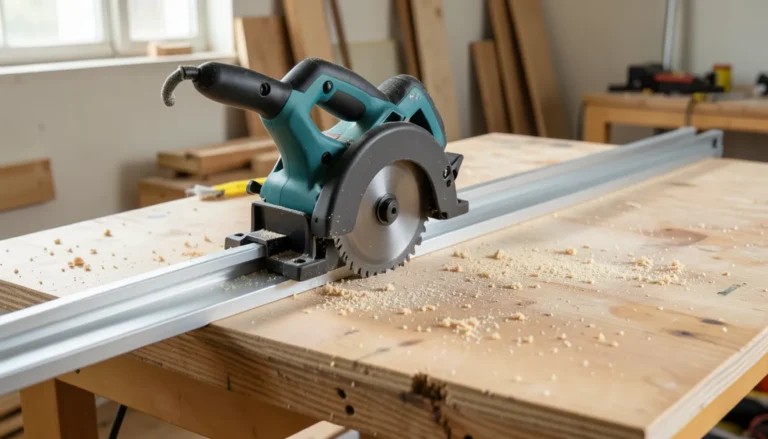
A miter gauge is the simpler accessory, but it requires careful alignment and is less supportive for larger or awkward parts. A crosscut sled improves squareness and repeatability because the workpiece rides in a guided platform. For small parts, the sled also gives you more control than a bare miter gauge.
Why the rip fence is not a stop for through crosscuts
Do not use the rip fence as a stop during a through crosscut. That setup can pinch the cutoff between the blade and fence, which raises kickback risk. If you need repeat length, use a proper stop block positioned so the offcut clears the blade safely.
When a table saw makes sense for crosscuts
A table saw makes sense when your real need is rip cuts plus some repeatable crosscuts. It is especially useful for sheet goods, narrow parts, and furniture components that need both square edges and exact length control. It is less convenient when the day’s work is mostly trim or angled moldings.
Comparison matrix
This matrix focuses on real shop scenarios, not just whether the cut is possible. In each row, the best tool is the one that gives you the least setup, the least support hassle, and the cleanest repeatable result for that exact task.
| Scenario | Best tool | Reason | Setup note |
|---|---|---|---|
| Trim | Miter Saw | Fast, direct crosscuts and angled cuts suit baseboard and casing work | Use a sharp finish blade and a solid fence |
| 2x framing | Miter Saw | Quick batch cuts and easy angle changes fit framing layouts | Support long stock on both sides of the blade |
| Long boards | Miter Saw | Better when you need one-off crosscuts and can support the board safely | Add extension support or a stand if the board is unwieldy |
| Wide panels | Table Saw | Flat support helps with wider stock and panel breakdown | Break down full sheets safely before final sizing |
| Repeat cuts | Table Saw | A sled and stop block can hold squareness across many parts | Tune the sled once, then leave the stop set |
| Crown molding | Miter Saw | Bevel and angle cuts are the saw’s core job | Confirm compound or dual-bevel setup before cutting |
| Jobsite portability | Miter Saw | Easy to move and faster to deploy on site | Choose a stand if you move it often |
| Dust control | Table Saw | Often easier to capture chips with enclosed collection | Results vary by blade shroud and dust collection |
| Small-shop footprint | Miter Saw | Usually takes less floor space than a full table saw setup | Wall-mount or fold the stand when not in use |
| Beginner safety | Miter Saw | More direct workflow for simple crosscuts and angles | Clamp small parts; keep hands out of the blade path |
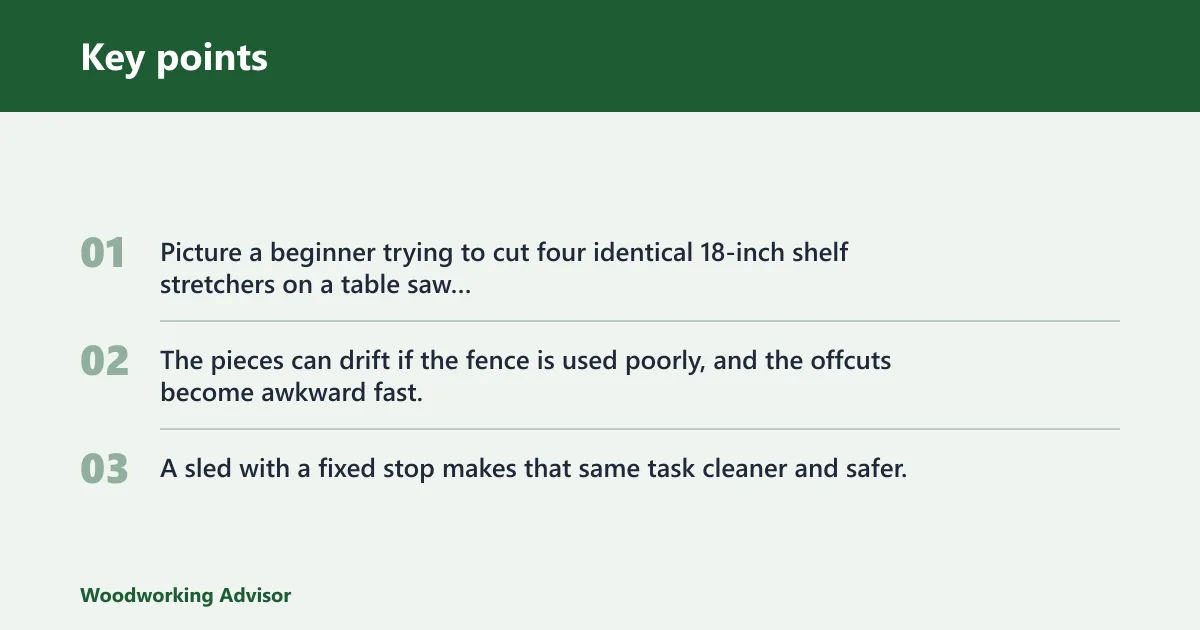
Picture a beginner trying to cut four identical 18-inch shelf stretchers on a table saw without a sled. The pieces can drift if the fence is used poorly, and the offcuts become awkward fast. A sled with a fixed stop makes that same task cleaner and safer.
Choose Miter Saw if… / Choose Table Saw if…
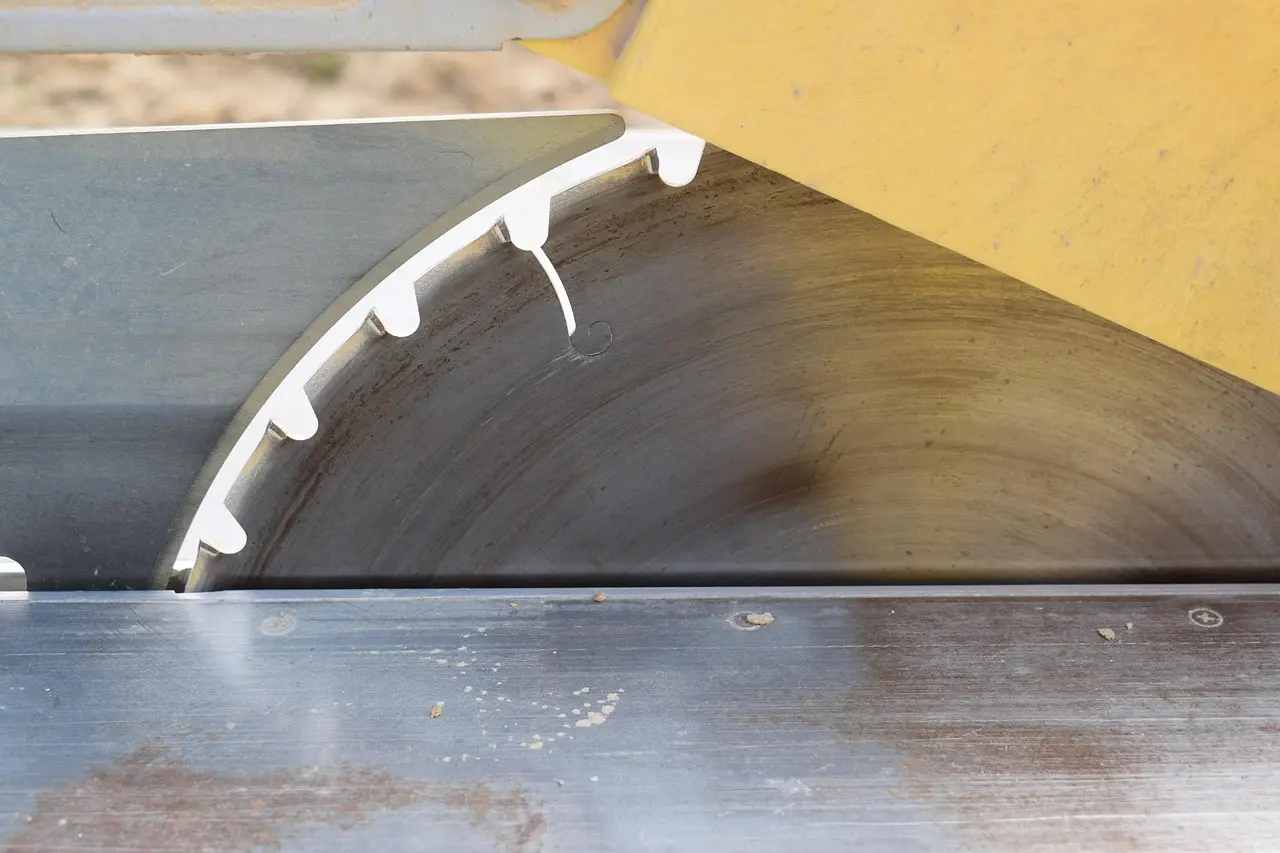
Choose Miter Saw if your work is mostly trim, molding, framing lumber, or portable crosscuts and you want the least setup. It is the better first buy when your cuts are usually short enough to support safely, your angles change often, and you want a saw that is quick to move from one task to the next.
Choose Table Saw if you need rip cuts, wider material support, and one machine that can also handle some crosscuts with a miter gauge or crosscut sled. It is the better first buy for general woodworking when your parts are wider, your workflow leans toward repeatability, and you do not mind tuning accessories before cutting.
- A miter saw is often a good first buy if you are mostly installing trim, baseboards, casing, crown, or framing lumber.
- A table saw is often a good first buy if you are breaking down boards, sizing furniture parts, or working with wider stock and need rip cuts too.
- Buy both when your work splits evenly between trim-style crosscuts and shop work that depends on rip cuts, sleds, and repeated square parts.
- Add a crosscut sled before expecting a table saw to replace a miter saw for batch crosscuts.
- Add a sliding compound miter saw if your crosscut work regularly exceeds a fixed saw’s width.

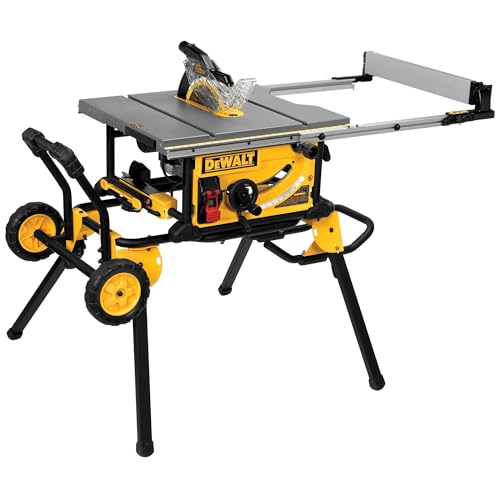
Frequently asked questions
Is a miter saw or table saw better?
Neither is universally better. A miter saw is better for fast crosscuts and angled cuts, while a table saw is better when you also need rip cuts, wider stock support, and jig-based repeatability. For most beginners, the right answer depends on trim-style work or shop-style work first.
Is a miter saw the same as a table saw?
No. A miter saw has a circular blade on a swinging arm, while a table saw has the blade mounted beneath a flat table. They overlap on some cuts, but they do not work the same way and they do not solve the same workflow problems.
Which saw is better for trim and baseboards?
Miter Saw is the better choice for trim and baseboards. Its main strength is fast, accurate crosscuts and angle changes, which is exactly what casing, crown, and baseboard work needs. A compound model is especially useful when bevel cuts are part of the job.
Which saw is better for plywood and wider boards?
Table Saw is usually better for wider material because the flat table supports the workpiece. It is also the better fit for rip cuts and board breakdown, though full sheets often start safer with a rough breakdown method before final sizing on the saw.
Which saw is safer and easier for beginners?
A miter saw is often easier for beginners because the cut is direct and the stock is held against a fence. A table saw can be very accurate, but crosscuts typically need a sled or miter gauge, careful alignment, and more attention to offcut control. Small pieces need clamping on either saw.
What cuts can a table saw do that a miter saw cannot?
A table saw’s core strength is rip cuts along the grain, which a miter saw is not built to do. It can also handle wider stock and sheet goods more effectively, and it can make crosscuts with jigs. That versatility is why it often becomes the main shop saw.
What size boards can a miter saw cut?
That depends on the model, blade size, and whether it is a sliding compound miter saw. Miter saw blades are commonly 8 to 12 inches in diameter, and sliding versions increase cutting width. For a specific board size, check the manufacturer’s listing or owner’s manual and confirm that you can support the full workpiece safely.
Sponsored / affiliate links. As an Amazon Associate I earn from qualifying purchases. I may earn additional commission from eligible campaigns.