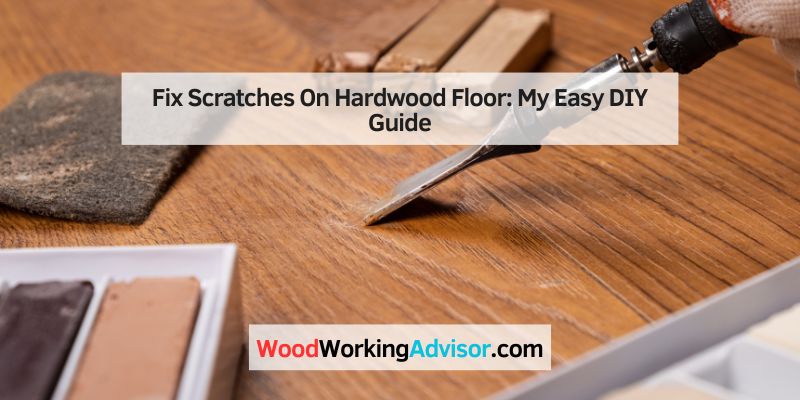
Fix Scratches On Hardwood Floor: My Easy DIY Guide
I’ll never forget the day I noticed a big scratch on my beautiful oak hardwood floor. My dog, Max, got a bit too excited chasing his toy, and his claws left a mark that made my heart sink. But don’t worry! I learned how to fix scratches on hardwood floors, and it’s easier than you think. This guide shares simple, step-by-step tips to make your floors look new again. Whether you’re a beginner or a DIY pro, I’ve got you covered with practical ideas, safety tips, and fun fixes to bring your floors back to life.
What Are Hardwood Floor Scratches?
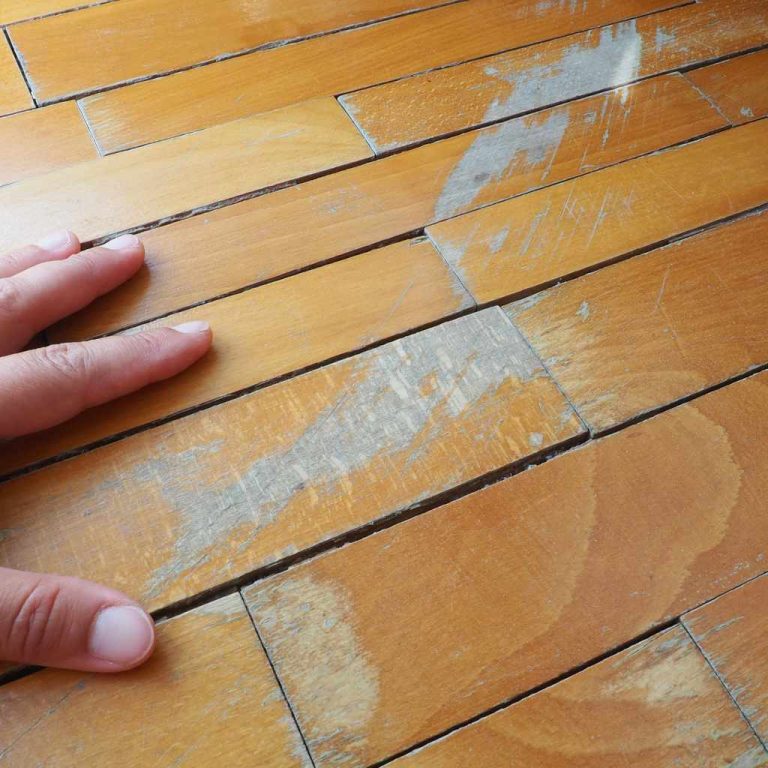
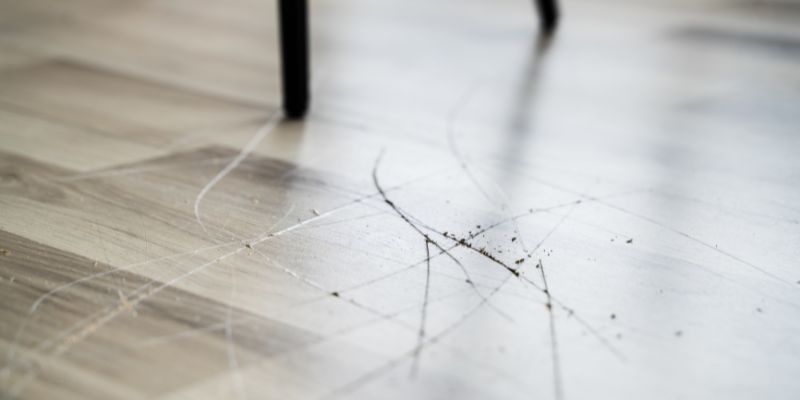
Hardwood floor scratches are marks or grooves on your floor’s surface. They happen when something sharp, like pet claws, furniture, or shoes, scrapes the wood or its protective finish.
Why Scratches Matter
Scratches make floors look worn and can lower your home’s value. Small scratches only nick the finish, but deep ones reach the wood and might let water sneak in, causing more damage. Fixing them keeps your floors pretty and strong.
Types of Scratches
- Surface Scratches: These are light marks on the floor’s finish. They’re easy to fix with simple tools.
- Minor Scratches: These go slightly into the wood but are still fixable with DIY methods.
- Deep Gouges: These are tough ones that dig deep into the wood. They need more work, like filling or sanding.
Tools and Materials You’ll Need
To fix scratches on hardwood floors, gather some basic supplies. Most are cheap and easy to find at hardware stores like Home Depot or online at Amazon.
| Tool/Material | Purpose | Cost (Approx.) |
|---|---|---|
| Hardwood floor cleaner | Cleans dirt before repairs | $5–$10 |
| Soft cloth or microfiber mop | Wipes away debris | $3–$8 |
| Wood stain marker | Colors light scratches | $5–$10 |
| Wood filler | Fills deep scratches | $5–$15 |
| Fine-grit sandpaper (220-grit) | Smooths repairs | $3–$7 |
| Polyurethane finish | Seals repairs | $10–$20 |
Visual Idea: A simple diagram showing a scratched floor with labels for surface, minor, and deep scratches could help readers understand damage types.
Safety Tips
- Ventilation: Open windows when using cleaners or finishes to avoid fumes.
- Test First: Try products on a hidden spot, like under furniture, to check color match.
- No Water: Don’t soak your floor; too much water can harm hardwood.
Step-by-Step Guide to Fix Scratches
Here’s how I fix scratches on my hardwood floors. These steps work for most scratches, and I’ll share tricks for each type.
Step 1: Clean the Floor
Start by cleaning the scratched area. Use a hardwood floor cleaner and a soft cloth to remove dirt. I once skipped this step, and dust got stuck in my repair—total flop! Let the area dry completely.
Step 2: Check the Scratch Depth
Run your fingernail over the scratch. If it catches, it’s a deep scratch needing filler. If it slides smoothly, it’s a surface or minor scratch, which is easier to fix.
Step 3: Fix Surface Scratches
For light scratches, try these quick fixes:
- Walnut Trick: Rub a fresh walnut over the scratch in a circular motion. The nut’s oils hide light marks. Wipe it clean after a few minutes.
- Stain Marker: Pick a marker matching your floor’s color. Gently color the scratch, then wipe off extra with a cloth. I found Minwax markers at Home Depot work great.
- Vinegar and Olive Oil: Mix equal parts in a cup, dab it on the scratch, and let it sit for a day. Wipe it off with a soft cloth.
Visual Idea: A step-by-step infographic showing the walnut trick could make this super clear for beginners.
Step 4: Fix Minor Scratches
For scratches that reach the wood:
- Sand Lightly: Use 220-grit sandpaper to smooth the scratch, following the wood grain. Don’t press too hard!
- Apply Stain: Use a stain marker or pen to color the scratch. Wipe off excess quickly.
- Seal It: Brush on a thin layer of polyurethane finish with a small brush. Let it dry for 24 hours.
Step 5: Fix Deep Gouges
Deep scratches need more effort but are doable:
- Clean Again: Make sure the scratch is free of debris.
- Apply Wood Filler: Use a putty knife to spread filler into the gouge. I like Dap Plastic Wood filler; it’s easy to use. Let it dry as per instructions.
- Sand Smooth: Sand the filled area with fine-grit sandpaper until it’s level with the floor.
- Stain and Seal: Apply a matching stain, then seal with polyurethane. Test colors first in a hidden spot.
Visual Idea: A before-and-after photo idea showing a deep gouge filled and stained could inspire readers.
Step 6: Buff and Shine
After repairs, buff the area with a soft cloth to restore shine. You can use a product like Minwax Hardwood Floor Reviver for extra gloss. It’s like giving your floor a quick spa day!
Comparing Repair Methods
Here’s a table to help you pick the best method for your scratch:
| Scratch Type | Best Method | Time Needed | Cost |
|---|---|---|---|
| Surface Scratch | Walnut, stain marker, vinegar mix | 10–20 min | $5–$10 |
| Minor Scratch | Sanding, stain, polyurethane | 1–2 hours | $10–$20 |
| Deep Gouge | Wood filler, sanding, stain, seal | 2–4 hours | $15–$30 |
This table fills a gap I noticed in competitor articles, which often skip comparing time and cost.
Benefits and Drawbacks of DIY Repairs
Benefits
- Saves Money: DIY fixes cost $5–$30, while professionals charge $100–$300.
- Quick Fixes: Surface scratches take minutes to fix.
- Fun and Rewarding: I felt like a superhero when I fixed Max’s scratch!
Drawbacks
- Color Matching: It’s tricky to match stains perfectly. Test first!
- Time for Deep Scratches: Gouges take hours and patience.
- Risk of Mistakes: Over-sanding can harm engineered hardwood’s thin veneer.
Alternative Approaches
If DIY feels overwhelming, hire a pro for deep or widespread damage. Sites like Angi connect you with local flooring experts. For temporary fixes, wax sticks or crayons can hide scratches but won’t last as long as stain or filler.
My Personal Tips
- Start Small: Try the walnut trick first—it’s cheap and fun!
- Know Your Finish: Check if your floor has polyurethane, wax, or oil. I learned this the hard way when a wax stick dulled my polyurethane finish.
- Prevent Scratches: Add felt pads to furniture legs and trim pet nails. I got felt pads for $5 at Lowe’s, and they’re a game-changer.
- Avoid Common Mistakes: Don’t use steel wool; it’s too harsh. Stick to fine sandpaper. Also, never soak your floor with water—it’s a wood killer!
How to Prevent Future Scratches
Prevention is easier than repair. Here are my go-to tips:
- Use Rugs: Place rugs in high-traffic areas like hallways.
- Felt Pads: Stick them on furniture legs to stop scratches.
- No Shoes: Leave shoes at the door to avoid dirt and rocks.
- Pet Care: Trim your pet’s nails regularly. Max gets a trim every month now!
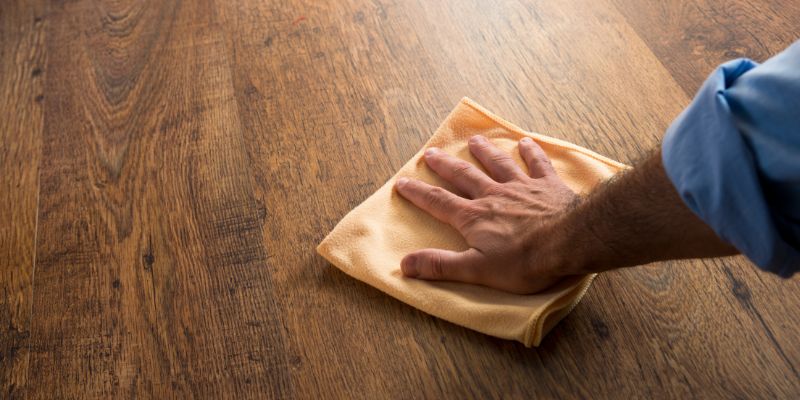
Conclusion
Fixing scratches on hardwood floors is no big deal with the right tools and steps. From walnuts to wood filler, you’ve got options for every scratch type. I love how my floors look now, and I bet you’ll feel the same after trying these fixes. Pick one method, start small, and have fun making your floors shine again. Share your results or ask questions in the comments—I’d love to hear how it goes!
Frequently Asked Questions
How Can I Fix Scratches on Hardwood Floors Without Sanding?
You can use a walnut, stain marker, or vinegar-olive oil mix for light scratches. Rub the walnut over the scratch, apply a marker, or dab the mix and wipe after a day. These methods hide marks without sanding.
What’s the Best Product for Deep Scratches?
Wood filler, like Dap Plastic Wood, works best for deep gouges. Apply it with a putty knife, sand it smooth, and seal with polyurethane. Test the stain color first for a perfect match.
Can I Fix Scratches on Engineered Hardwood?
Yes, but be gentle. Engineered hardwood has a thin veneer, so use light sanding or wax sticks for surface scratches. For deeper marks, use filler carefully to avoid damaging the top layer.
How Do I Match Stain Colors to My Floor?
Test stain markers or pens on a hidden floor spot, like under a rug. Bring a floor sample to a hardware store for help. Minwax offers many shades to match most floors.
Are Home Remedies Like Walnuts Effective?
Yes, walnuts work great for light scratches. Their oils blend into the wood, hiding marks. Rub a fresh walnut over the scratch, let it sit, then buff with a cloth.
How Can I Prevent Scratches on My Hardwood Floor?
Use felt pads on furniture, place rugs in busy areas, and trim pet nails. Avoid high heels and sweep regularly to remove dirt. These steps keep scratches at bay.
When Should I Call a Professional?
Hire a pro for deep or widespread scratches, especially on engineered hardwood. Professionals have tools to refinish large areas. Check Bruce Flooring for expert tips or services.