Portable Sawmill For Rent Near You: What You Need To Know
Finding the right tools for a big project can feel overwhelming. Especially when you need something as specific as a portable sawmill. You’ve got lumber dreams, maybe a whole stand of trees to mill, or a vision for custom furniture.
But buying a sawmill outright? That’s a huge investment, both in money and space.
So, you start looking into renting. It seems like the smart, budget-friendly choice. But then questions pop up.
Where do I even find one? How much does it cost? What do I need to be ready for?
You’re not alone in wondering this. It’s a common step for many DIYers, small builders, and woodworkers.
This guide is here to clear all that up. We’ll walk through everything you need to know about renting a portable sawmill. We’ll cover how to find one, what to expect with costs, the practical stuff you’ll need, and how to decide if renting is truly your best bet.
Let’s get your lumber-making plans rolling.
Renting a portable sawmill involves locating rental companies or individuals who offer them, understanding hourly or daily rates, ensuring you meet operational requirements, and confirming it fits your project scope. This option is ideal for short-term, specific lumber needs without the commitment of ownership.
What is a Portable Sawmill?
Essential Log-Handling Tool for Mill Day
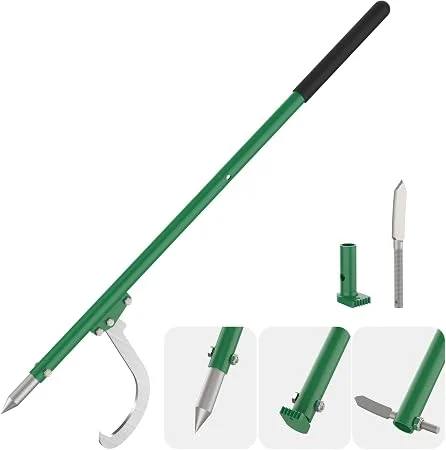 |
HOTYELL 60in Steel Cant Hook, 3-in-1 Log Peavey & Pickaroon – $79.99 Positioning logs on the mill by hand is exactly the kind of task rental companies expect you to already have covered – a cant hook is the standard tool for it.
|
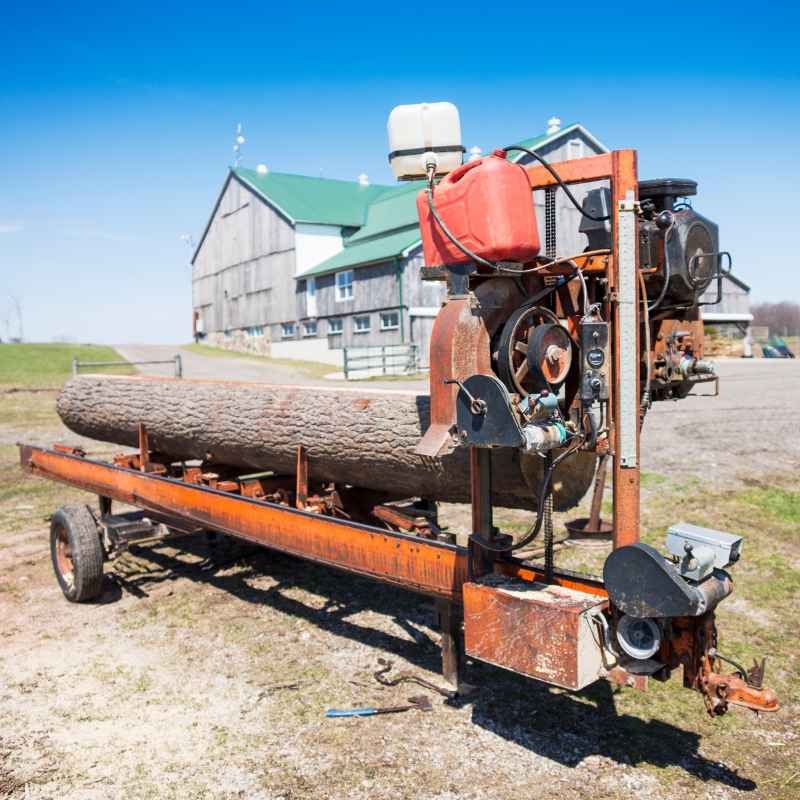
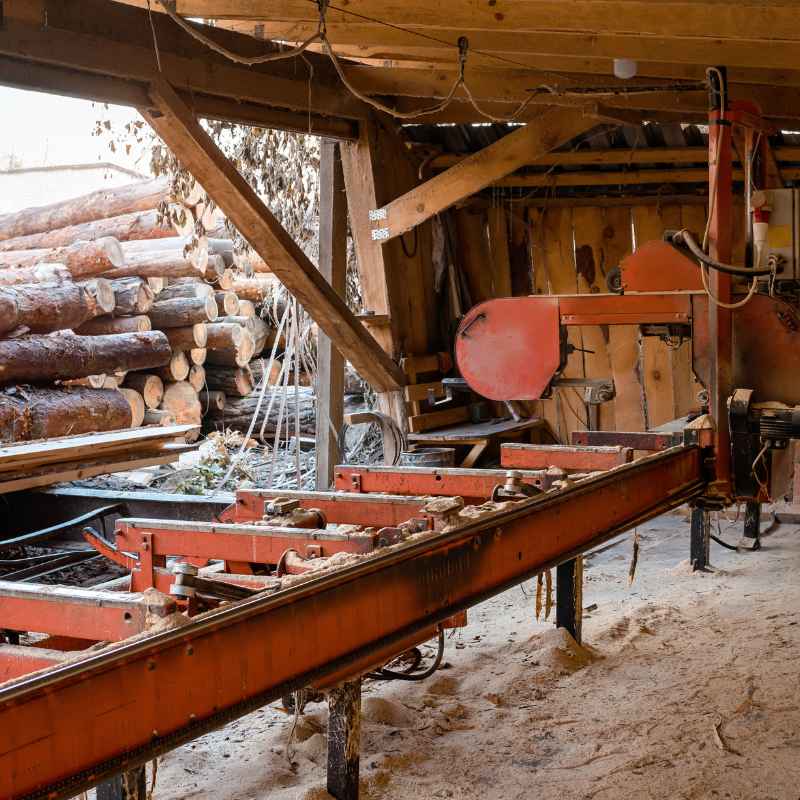
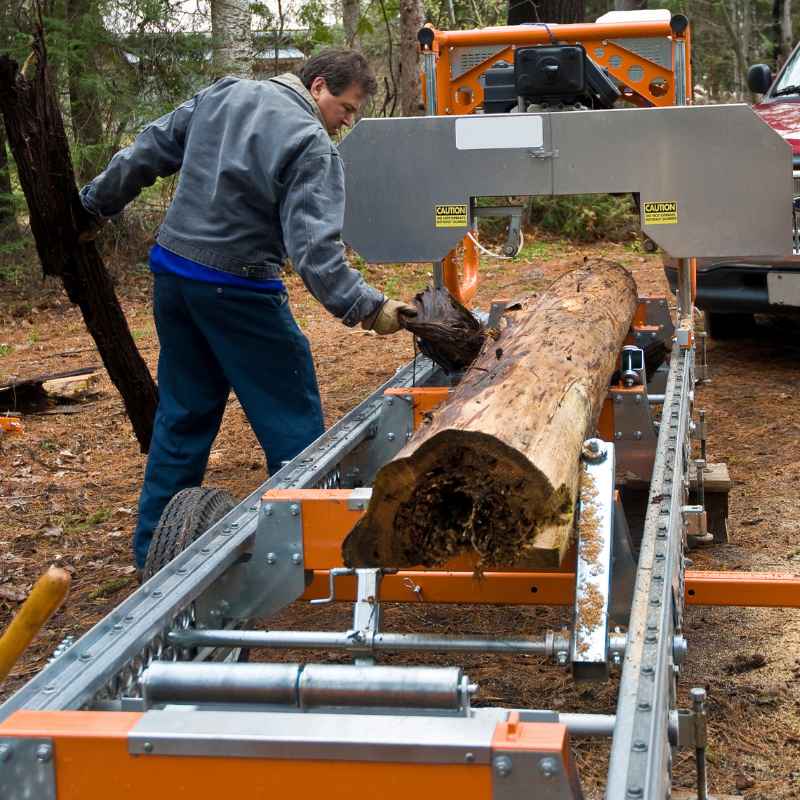
At its heart, a portable sawmill is a machine designed to cut logs into lumber. Think of it as a mobile lumber mill. It lets you turn raw tree trunks into usable planks, beams, and boards right where the tree fell.
This is a big deal for anyone who needs custom-sized wood.
These machines come in various sizes. Some are small, hand-operated band saws. Others are larger, more powerful circular saw mills.
Many popular models use a long, thin saw blade, called a band. This blade moves up and down on wheels, slicing through the wood. Other types use a spinning blade, like a giant, flat saw.
The “portable” part is key. They are built to be moved. Some can be towed on a trailer.
Others can be disassembled and transported more easily. This mobility is what makes them so useful for projects outside a fixed mill location. You don’t need to haul all your logs to a mill; the mill comes to your logs.
Why Would Someone Rent a Portable Sawmill?
The biggest reason is cost. Buying a new portable sawmill can easily run from $5,000 to $20,000 or more. That’s a lot for a tool you might use only once or twice a year.
Renting cuts down this massive upfront cost significantly. You pay for the time you use it, which is often a small fraction of the purchase price. For just a log or two, it can also be worth comparing against making planks by hand with a froe, axe, or a much cheaper chainsaw mill attachment.
Projects often dictate the need. Maybe you’re building a deck, a barn, or a special piece of furniture. You might have a specific type of wood in mind, like oak from a tree in your backyard.
Or perhaps you need lumber dimensions that aren’t common at regular lumber yards. A portable sawmill lets you get exactly what you need.
Another factor is convenience. If you’ve had trees removed from your property, renting a sawmill means you can use that wood. Instead of paying to have the logs hauled away and then paying again for new lumber, you get free raw material.
You just need to process it.
Sometimes, people want to try out a sawmill before committing to buying one. Renting is the perfect way to do this. You get hands-on experience.
You can see if operating a sawmill is something you enjoy and are good at. It’s a low-risk way to test the waters of wood milling.
How to Find a Portable Sawmill for Rent
Finding a portable sawmill for rent takes a little digging. It’s not like renting a car or a lawnmower. These are specialized pieces of equipment.
So, you need to look in the right places.
One of the best places to start is with local sawmills and lumber yards. Even if they don’t rent out portable mills, they often know people who do. They are deeply involved in the wood industry.
They can point you towards individuals or smaller companies that offer this service. This is often your most reliable bet.
Search online for “portable sawmill rental” in your state or region. You might find dedicated rental companies. These companies specialize in equipment for construction, agriculture, or forestry.
Look for businesses that rent heavy machinery. Sometimes, they will have portable sawmills in their inventory.
Community forums and social media groups can also be a goldmine. Search for local woodworking, logging, or farming groups on Facebook or other platforms. People in these communities often share resources.
Someone might have a portable sawmill they rent out privately. You might even find someone who offers milling services with their own sawmill.
Think about equipment rental stores, but focus on those that serve professional contractors or farmers. Standard tool rental places might not have something this large. Try places that rent out tractors, excavators, or other heavy-duty equipment.
They are more likely to have specialized items like portable sawmills.
Don’t forget about word-of-mouth. Ask friends, neighbors, or colleagues who work in construction, logging, or farming. Personal recommendations are invaluable.
Someone you know might have a connection or even own a mill they’d consider renting.
Tips for Finding a Rental
- Start Local: Connect with existing sawmills first.
- Online Search: Use specific terms like “portable sawmill rental “.
- Specialty Rental Shops: Look for heavy equipment or forestry suppliers.
- Community Groups: Join local online forums for woodworkers or farmers.
- Ask Around: Leverage your network in related industries.
What to Expect with Rental Costs
The cost of renting a portable sawmill can vary a lot. It depends on several factors. The type of sawmill, how long you need it, and where you are located all play a role.
Most companies charge by the hour or by the day. Hourly rates might range from $75 to $150. Daily rates could be $200 to $400 or more.
Some places offer weekly or monthly rates, which can be a good deal if your project is longer.
You might also have to pay a security deposit. This is common for expensive equipment. It’s usually a few hundred dollars.
The deposit is returned when you bring the sawmill back in good condition.
Don’t forget about other potential costs. Some rentals might include a certain amount of fuel. If you use more, you’ll have to pay for it.
There might be delivery and pickup fees, especially if the company has to transport the sawmill to your site.
Some rental agreements might include an operator for a certain period. If you want an operator for the whole time, that will add to the cost. Often, the rental price is just for the machine itself.
You are expected to run it yourself or hire your own help.
Always ask for a detailed quote. Make sure you understand exactly what is included in the price. Ask about fuel, insurance, delivery, and any hidden fees.
This way, you won’t have any surprises when the bill comes.
Rental Cost Breakdown
- Hourly Rate: $75 – $150 (typical)
- Daily Rate: $200 – $400+ (typical)
- Security Deposit: $300 – $1000+ (refunded)
- Additional Costs: Fuel, delivery/pickup, operator fees.
What You Need to Operate a Portable Sawmill
Running a portable sawmill isn’t just about turning a key. You need the right setup and knowledge. The rental company will likely go over this with you.
But it’s good to know beforehand.
First, you need a suitable site. The ground must be level and firm. A portable sawmill is heavy.
It needs stable ground so it doesn’t sink or shift while you’re using it. You’ll also need enough space to maneuver logs and the cut lumber.
Power is usually required. Many portable sawmills run on gasoline engines. You’ll need to make sure you have enough fuel.
Some electric models might require a generator or a strong power source on-site. Check with the rental company about the specific power needs.
Safety gear is a must. This includes sturdy work gloves, safety glasses or goggles, and hearing protection. Long pants and closed-toe shoes are also essential.
You’ll be working with sharp blades and heavy wood. Protect yourself at all times.
You’ll also need tools for moving and handling logs. This could mean a tractor with a front-end loader, an ATV with a winch, or even a robust cant hook and peavey if you’re working with smaller logs or by hand. You need a way to get the logs onto the sawmill and position them correctly.
Basic maintenance knowledge is helpful. You might need to adjust the blade tension, sharpen the blade if it gets dull, or clean sawdust from the machine. The rental company should provide instructions.
But understanding these things can save you time and frustration.
And most importantly, you need to understand how to operate the specific model you are renting. Don’t just jump in. Ask for a thorough demonstration.
Read the manual. If you’re unsure about anything, ask for clarification. Safety and proper operation are paramount.
Essential Operational Needs
- Stable, Level Ground: Crucial for safety and operation.
- Power Source: Usually gasoline engine, check fuel needs.
- Personal Protective Equipment (PPE): Gloves, eye/ear protection, sturdy clothing.
- Log Handling Equipment: Tractor, winch, cant hook, or similar.
- Basic Mechanical Understanding: For minor adjustments and maintenance.
- Operational Training: Full demonstration and manual review.
Common First-Timer Mistakes
Most rental-day problems trace back to a handful of avoidable mistakes rather than the equipment itself. A wavy, uneven cut almost always means a dull or misaligned blade – it doesn’t fix itself by pushing harder, and continuing to cut usually makes the wander worse. Ask the rental company directly about blade sharpness before you start, and request a demonstration of how to check and retension it.
Ground that looks level by eye can still shift under a machine this heavy, so it’s worth checking with an actual level rather than a visual guess. Sawdust buildup along the track is another common, easy-to-miss cause of a crooked cut – clearing it regularly keeps the carriage running true. If you’re running a generator, make sure the cord run and amperage are enough for the mill’s full draw; an underpowered or overloaded setup that keeps cutting out will cost far more time than checking it up front.
Real-World Context: Where and Why This Happens
Portable sawmills are most commonly found in rural settings. They are perfect for homeowners with large properties. They are also used by small logging operations.
Farmers might use them to mill their own fence posts or barn wood. Custom furniture makers also find them invaluable.
The environment is usually a backyard, a field, or a logging site. The key is space and access. You need room to move logs.
You also need a way to get the sawmill to the logs. This often means a trailer or a truck with a good winch.
Habits of users vary. Some are experienced woodworkers who know exactly what they’re doing. Others are new to milling and are learning as they go.
This is why clear instructions and safety protocols from the rental company are so important. A mistake can be costly or dangerous.
The design of the sawmill itself matters. Band sawmills are popular for their ability to cut thin boards with minimal waste. Circular sawmills are often faster but can create more sawdust.
The choice depends on the user’s needs and preferences.
User behavior is critical. Rushing the process leads to mistakes. Not following safety procedures can lead to injury.
Properly handling logs, keeping the machine clean, and paying attention to the cut are all part of good user behavior. The goal is to produce quality lumber efficiently and safely.
Common Scenarios for Portable Sawmills
- Backyard Projects: Milling trees from your own property.
- Farm Use: Creating custom lumber for repairs or new structures.
- Small Logging Operations: Processing logs on-site.
- Artisan Woodworking: For unique projects requiring specific wood types/sizes.
- Disaster Recovery: Using fallen trees after storms.
What This Means For You: When It’s Normal and When to Worry
So, when is renting a portable sawmill a great idea, and when should you think twice?
When It’s Normal:
- You have a specific, short-term lumber need.
- You have logs from your own property that you want to use.
- You need custom lumber sizes not readily available.
- You want to try milling without buying a machine.
- You have the space, time, and basic skills to operate it safely.
When to Worry:
- Your project is very large or ongoing. The rental costs can add up.
- You have absolutely no experience with heavy machinery or power tools.
- You don’t have a suitable, level site for the sawmill.
- You lack the necessary log-handling equipment.
- You are not comfortable with safety risks involved.
Simple Checks Before Renting:
- Site Assessment: Is the ground truly level and firm? Is there enough space?
- Log Inventory: Do you have enough logs for your project? Are they manageable sizes?
- Logistics: How will you transport logs to the mill and lumber away from it?
- Time Commitment: Do you have enough time to mill and handle the lumber?
- Skills Check: Are you confident you can learn to operate it safely?
If you have more than a few “worry” points, consider hiring a mobile milling service instead. They bring the sawmill and the operator to you. It’s more expensive per hour than renting, but they are much faster and more efficient.
It can be cheaper overall for certain projects.
Portable Sawmill Rental: Decision Checklist
Is Renting Right?
| Project Size: Small to Medium | Log Source: Available on-site |
| Wood Type: Specific, custom needs | Budget: Limited upfront capital |
| Skills: Basic mechanical aptitude, willing to learn | Site: Level, spacious, accessible |
| Time: Sufficient allocated for milling | Risk Tolerance: Comfortable with machinery risks |
Quick Tips for a Smoother Milling Experience
If you decide renting is the way to go, here are some tips to make the process smoother:
- Talk to the Rental Company: Ask every question you have. Get their advice on the best mill for your logs and project.
- Inspect the Mill: Before you take it, check for any obvious damage. Make sure all safety guards are in place.
- Watch a Video: Many portable sawmill models have operation videos online. Watch a few before you start.
- Prepare Your Logs: Clean off dirt, rocks, and nails from your logs. These can damage the blade and be dangerous.
- Start with a Test Cut: On your first log, make a shallow cut to test the alignment and blade.
- Keep it Clean: Regularly clear sawdust from the track and blade. This helps ensure a straight cut.
- Work Safely: Never operate the mill alone. Always wear your safety gear. Be aware of your surroundings.
- Understand Blade Maintenance: Ask the rental company about blade care. A dull blade makes the job harder and produces poor results.
A portable sawmill is a powerful tool. With the right preparation and careful operation, you can transform logs into beautiful lumber. It’s a rewarding process that connects you directly to the raw material.
Frequently Asked Questions About Renting a Portable Sawmill
What is the difference between a portable sawmill and a stationary sawmill?
A portable sawmill is designed to be moved. It can be taken to where the logs are. A stationary sawmill is fixed in one location, and logs must be brought to it.
Portables are great for on-site milling, while stationary mills are for larger operations.
Do I need a special license to operate a portable sawmill?
Generally, no specific license is required to operate a portable sawmill for personal use. However, you must be legally allowed to use heavy equipment on your property. Always check local regulations regarding machinery operation.
How much lumber can I expect to get from a typical log?
This depends heavily on the log’s diameter, length, and the sawmill’s efficiency. A good estimate is that you can recover about 50% to 70% of the log’s volume as usable lumber. Factors like the saw kerf (width of the cut) and log defects play a role.
Can I mill logs that are not perfectly straight?
Yes, portable sawmills can often handle slightly curved logs. You’ll need to secure them well. However, very twisted or irregular logs can be challenging and may result in less usable lumber.
You might need to make multiple passes or adjust your cutting strategy.
What is the average lifespan of a portable sawmill blade?
The lifespan of a sawmill blade varies greatly. It depends on the type of wood, how sharp the blade is, and if it hits any dirt or debris. A sharp band saw blade might mill anywhere from 500 to 2000 board feet before needing sharpening or replacement.
For hard, dirty wood, this number can be much lower.
Is it cheaper to rent a sawmill or hire a mobile milling service?
Renting a sawmill is usually cheaper if you plan to mill a lot of lumber over several days. You pay a fixed rental fee. Hiring a mobile milling service is often more expensive per hour, but they are much faster and require less of your time.
For small or quick jobs, the service might be more cost-effective overall.
What are the safety concerns I should be aware of?
Safety concerns include blade contact, moving parts, heavy lifting, noise, and flying debris. Always wear personal protective equipment. Ensure the mill is stable.
Never work alone. Keep bystanders away. Understand how to shut off the mill quickly in an emergency.
Conclusion
Renting a portable sawmill can be a fantastic way to get the lumber you need for a specific project. It offers a cost-effective solution without the commitment of ownership. By understanding how to find a rental, what to expect with costs, and what you’ll need to operate it safely and effectively, you can make an informed decision.
Remember to prioritize safety, ask plenty of questions, and be prepared. With the right approach, you can turn those logs into the custom lumber of your dreams. Happy milling!
Sponsored / affiliate links. As an Amazon Associate I earn from qualifying purchases. I may earn additional commission from eligible campaigns.