Mexican Wood Burning Stove: Rustic Styles & Where To Buy
Mexican wood-burning stoves are known for their rustic beauty and functional design. They offer authentic cooking methods, efficient heating, and a charming aesthetic that brings warmth and character to any home. This guide explores their styles, history, and where to find them.
Understanding the Mexican Wood Burning Stove
These stoves are more than just metal boxes. They are often handcrafted pieces. They carry a rich history and cultural significance.
Many are made from cast iron or thick steel. Their designs are usually simple yet elegant. They reflect a traditional way of life.
Think of warmth, hearty meals, and gathering around a central point. That’s the feeling these stoves bring.
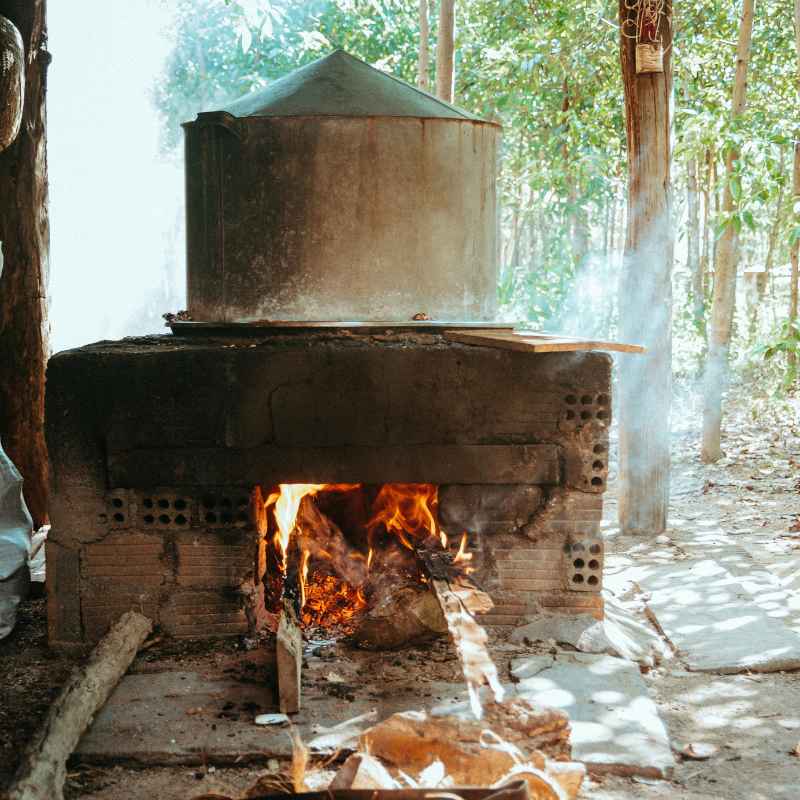
The core idea behind them is simple. They use wood fuel. This wood burns inside a firebox.
The heat then transfers. It heats up cooking surfaces. It also warms the air in a room.
This has been done for centuries. It’s a very practical method. It works even without electricity.
This makes them great for off-grid living. It also makes them a charming choice for traditional homes.
What makes them distinct is their style. Many feature decorative elements. These can include carvings or patterns.
They often have a sturdy, old-world look. This look fits perfectly in rustic kitchens. It also suits country-style decor.
Some are quite large. Others are smaller and more compact. The size depends on their intended use.
Some are primarily for cooking. Others are built for heating a space.
The fuel is wood. You can use various types of wood. Hardwoods are best.
They burn longer and hotter. Examples include oak or maple. Softwoods like pine burn faster.
They can create more creosote. Creosote is a sticky buildup. It can be a fire hazard.
So, choosing the right wood is important. Keeping the stove clean is also key.
A Glimpse into Their History
The history of wood-burning stoves in Mexico is long. It’s tied to the country’s heritage. For generations, wood was the main fuel.
It was used for cooking and heating. Before modern stoves, people cooked over open fires. Then came simple metal stoves.
These were much safer. They also let people control the heat better.
These stoves evolved over time. Artisans and craftspeople played a big role. They experimented with designs.
They added decorative touches. They made them more efficient. The goal was to create a reliable heat source.
They also wanted a tool for delicious cooking. Many of these traditional designs are still in use today. They are a testament to good craftsmanship.
In rural Mexico, these stoves are still vital. They are often the heart of the home. Families gather around them.
They cook meals together. They share stories. They provide essential warmth during cooler months.
This communal aspect is powerful. It’s more than just a utility. It’s a cultural icon.
The styles you see today often draw from this past. They might have elements inspired by colonial architecture. They could feature patterns seen in traditional Mexican pottery.
This connection to history makes them so appealing. They bring a sense of place and tradition into your home. They tell a story of generations past.
Exploring Rustic Mexican Wood Burning Stove Styles
Mexican wood burning stoves come in a few distinct styles. Each has its own charm. They are designed for different needs.
But they all share that rustic, authentic feel.
The Classic Cooking Stove
This is perhaps the most common type. It’s built for the kitchen. It usually has a flat top.
This top is for pots and pans. It’s made of thick metal. It gets very hot.
You can boil, simmer, or fry. There’s often a firebox below. You load wood into it.
An oven might be included too. This is perfect for baking bread. Or roasting meats.
These stoves are often quite large.
They have a solid, sturdy build. Their appearance is usually simple. But some have decorative legs or handles.
The metal is often black. It looks very traditional. This style is very practical.
It’s a workhorse for any kitchen. It creates amazing flavors. Food cooked this way tastes different.
It has a special smoky depth. Many people swear by it.
Key Features of Cooking Stoves
Surface: Flat, heavy-duty top for cookware.
Firebox: Compartment for burning wood fuel.
Oven (Optional): For baking and roasting.
Material: Usually cast iron or heavy steel.
Aesthetic: Rustic, traditional, often black finish.
The Heating Stove
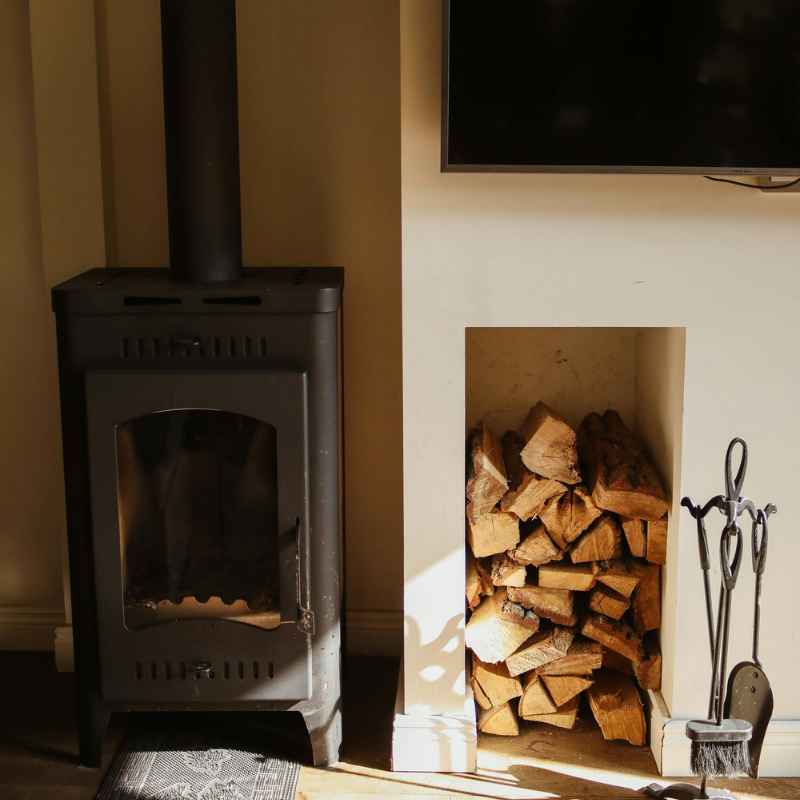
These stoves focus more on warming a room. They might have a simpler cooking surface. Or none at all.
Their main goal is heat output. They often have a larger firebox. This lets you load more wood.
It burns for longer. They are designed to radiate heat efficiently. They can be quite effective.
You might see them in living rooms. Or in larger gathering spaces. They can be a beautiful focal point.
Some have glass doors. This lets you see the fire. It adds to the ambiance.
Others are solid. They have a more robust look. Decorative elements are common here too.
Like intricate metalwork or patterns.
These are great for places that get cold. They provide a consistent warmth. They are a charming alternative.
To modern heaters. They bring a special coziness. The crackling sound of the fire is soothing.
It’s a natural and comforting heat source.
The Multi-Purpose Stove
Some stoves aim to do it all. They combine cooking and heating features. You can cook on the top.
And they are also designed to warm a space. They might have a good cooking surface. Plus a capacity for a larger fire.
This makes them versatile. They are a good choice for smaller homes. Or for people who want one unit for everything.
These are often very robust. They are built to last. They might have extra features.
Like a warming shelf. Or a flue that can be directed. Their design balances both functions.
They are a practical choice. For those who want a single solution. They offer both utility and style.
Comparing Stove Types
Cooking Stove: Best for kitchen use, high heat surface, often with oven.
Heating Stove: Best for room warmth, larger firebox, efficient heat radiation.
Multi-Purpose Stove: Balances cooking and heating, versatile.
Materials and Craftsmanship
The materials used are important. They determine durability. They affect how the stove works.
Cast iron is a classic choice. It holds heat very well. It distributes it evenly.
It’s also very durable. Stoves made of cast iron can last for decades. Or even centuries.
They often have a beautiful, smooth finish. Or sometimes a textured one.
Heavy gauge steel is also common. It’s strong and resilient. Steel stoves can be lighter than cast iron.
They also heat up quickly. Both materials are excellent. They are chosen for their ability to withstand high temperatures.
And for their longevity. The craftsmanship is often exceptional. Many are still made by hand.
Look for good welding. Check the fit of doors and lids. Are they snug?
This helps with efficiency. It also prevents smoke leaks. Decorative elements are often hand-cast.
Or hand-hammered. This adds to their unique charm. The attention to detail is often impressive.
It’s a sign of quality. And pride in the work.
The finish is usually a high-temperature paint. Often matte black. This is practical.
It protects the metal. It also gives that classic look. Sometimes you might find enamelled versions.
These are very pretty. But they can be more fragile. The underlying material is still key.
For performance and longevity.
Where to Buy a Mexican Wood Burning Stove
Finding these stoves can be a bit of a quest. They aren’t always in every local hardware store. But there are several avenues to explore.
You just need to know where to look.
Specialty Stove Shops
Some shops specialize in wood-burning stoves. They might carry imported models. Or stoves inspired by traditional designs.
It’s worth calling around. Ask about rustic, old-world styles. Or stoves from Mexico or Latin America.
Tips for Finding a Shop:
- Search online for “wood burning stove dealers” in your area.
- Add terms like “rustic,” “traditional,” or “farmhouse style.”
- Call and ask specifically about Mexican or Latin American imports.
- Check reviews for shops that seem knowledgeable about diverse stove types.
Online Marketplaces
The internet is a vast resource. Websites like eBay or Etsy can be goldmines. People sell all sorts of unique items there.
You might find antique stoves. Or new ones made by smaller workshops. Be sure to check seller reviews.
And look at detailed photos.
Some larger online retailers might also carry them. You might need to use specific search terms. Try “rustic wood stove,” “Mexican cocina economica” (this is a common term for traditional stoves).
Or “hearth stove traditional.” Shipping can be a factor here. These stoves are heavy. So factor that into the cost.
Direct from Mexico or Latin America
This is for the adventurous buyer. You can sometimes arrange to buy directly. From manufacturers or artisans in Mexico.
This often involves more complex logistics. You’ll need to handle international shipping. And potentially customs.
It can be more challenging. But it might give you the best selection.
Look for exporters. Or companies that specialize in this. Research their reputation thoroughly.
Get quotes for shipping to your location. Understand all the costs involved. This route can offer authentic pieces.
Directly from their origin. It’s a rewarding path for some.
Antique and Reclaimed Markets
Sometimes, you can find amazing stoves. At architectural salvage yards. Or antique fairs.
These are often older pieces. They may need some restoration. But they can be beautiful.
And full of history. It’s a treasure hunt. You might find a real gem.
Restoration might involve cleaning. Or replacing minor parts. Like gaskets or a firebrick.
A local metalworker could help. If repairs are needed. This approach guarantees uniqueness.
It also gives an old piece new life. It’s a sustainable option too.
Maintenance and Care
Owning a wood-burning stove means caring for it. This keeps it running well. It ensures safety.
And it makes it last longer. Regular maintenance is key.
Cleaning the Stove
You’ll need to clean the ash. This should be done regularly. When the stove is cool.
Use a metal ash shovel. Put the ash in a metal container. Store it away from anything flammable.
Ash can still hold embers. For quite some time.
The exterior of the stove also needs care. You can wipe it down with a damp cloth. For cast iron, you might use a special cleaner.
Or a light oil. This prevents rust. And keeps it looking good.
For painted surfaces, follow the manufacturer’s advice.
Checking the Chimney and Flue
This is very important for safety. The chimney and flue must be clear. They carry smoke away from your home.
If they get blocked, smoke can back up. This is dangerous. And it fills your home with smoke.
Creosote can build up. Especially if you burn wet wood. Or if the fire is too low.
You’ll need to have the chimney swept. This is usually done once a year. Or more often if you use the stove a lot.
A professional chimney sweep can do this. They can also check for damage.
Annual Safety Check-list:
- Clean out all ash.
- Inspect stove body for cracks or damage.
- Check door seals for wear and tear.
- Have the chimney and flue professionally swept.
- Ensure the damper is working correctly.
Using the Stove Safely
Always use dry, seasoned wood. Wet wood creates more smoke. And more creosote.
Never use accelerants like gasoline. To start the fire. Use kindling and newspaper.
Start small fires. And gradually build them up.
Keep flammable materials away from the stove. This includes curtains. Or rugs.
Or furniture. Install a carbon monoxide detector. And a smoke alarm.
Make sure they are working. Never leave a fire burning unattended. Especially when you are sleeping.
Understand how your specific stove works. Each one can be a little different. Learn how to control the airflow.
This helps regulate the temperature. And the burn rate. It takes practice.
But it’s worth it for efficient and safe use.
Benefits of a Mexican Wood Burning Stove
Beyond the aesthetic appeal, these stoves offer real advantages.
Authentic Cooking Experience
Food cooked on a wood-fired stove has a unique taste. The smoky flavor is unmatched. Baking in a wood oven produces incredible crusts.
Roasting meats becomes an art. It connects you to a timeless culinary tradition. It’s a way to cook that engages all your senses.
Efficient Heating
These stoves can heat a space very effectively. They radiate warmth. This creates a cozy atmosphere.
They are a renewable energy source. When wood is harvested responsibly. In areas without reliable electricity.
They are an essential source of heat.
Rustic Charm and Ambiance
The visual appeal is undeniable. These stoves add character. They create a focal point.
The sight and sound of a real fire are comforting. They bring a sense of warmth and home. That modern appliances can’t replicate.
They make a house feel like a home.
Independence and Resilience
In times of power outages. Or other disruptions. A wood-burning stove keeps you warm.
And lets you cook. It offers a level of self-sufficiency. This can be very reassuring.
It’s a practical tool. With a deep historical connection.
Real-World Context and Scenarios
Imagine a crisp autumn morning in a farmhouse kitchen. The air is cool. You walk into the kitchen.
The wood stove is gently burning. It’s already radiating a comforting warmth. You can smell the faint scent of wood smoke.
And the promise of coffee brewing on its surface.
Or picture a cozy cabin. Snow is falling softly outside. Inside, a sturdy heating stove glows.
Its warmth fills the room. People are gathered around. Sharing stories.
The crackling fire is the soundtrack. It’s a scene of perfect comfort and peace. This is the magic of these stoves.
In many traditional Mexican homes, these stoves are central. They are used daily. For preparing tortillas.
For simmering beans. For making rich stews. The heat from the stove also warms the kitchen.
It becomes the heart of the home. Where the family gathers. And meals are shared.
It’s a functional piece of art.
Consider a weekend cookout. Instead of a grill, you have a larger cooking stove. You prepare a paella over the open fire.
The flavors infuse the dish. The experience is lively. And connected to nature.
It’s an outdoor cooking dream.
What This Means for You
If you’re drawn to rustic style. Or seeking a more traditional way to cook. Or heat your home, a Mexican wood-burning stove is worth considering.
They offer beauty and function.
When It’s Normal
It’s perfectly normal to be captivated by their charm. To want to bring that warmth into your life. It’s normal to seek a more hands-on cooking experience.
Or to desire a reliable heat source. Especially if you live in a colder climate.
When to Worry
Worry if you skip maintenance. Or if you use wet wood. Safety is paramount.
Always follow proper installation and operating guidelines. If you see excessive smoke. Or notice strange smells.
It’s time to investigate. Or call a professional. A properly installed and maintained stove is safe.
Simple Checks You Can Do
Before each use, check the firebox. Make sure it’s clear of excess ash. Look at the door seals.
Are they intact? Are they creating a good seal? Check the flue damper.
Is it open when the fire is lit? Does it close properly when needed?
Listen for any unusual noises. Like rattling or grinding. These could indicate a problem.
Feel the heat distribution. Is it even? If you have any doubts about safety or function, stop using it.
And consult an expert.
Quick Tips for Owners
If you’re considering or have just acquired one of these stoves:
- Season your wood: Let it dry for at least 6-12 months. Store it off the ground. Cover the top but leave the sides open for air.
- Start slow: Build small fires at first. Gradually increase the wood size. This helps the stove heat up evenly. It prevents thermal shock.
- Control airflow: Learn how your stove’s dampers work. This is the key to controlling the burn rate and heat output.
- Use the right tools: Invest in good quality ash shovels, tongs, and a fireplace poker. A good quality oven thermometer is also helpful if your stove has one.
- Protect your floor: Place a heat-resistant hearth pad in front of the stove. This is often required by building codes. It protects your flooring from heat and sparks.
- Ventilation is key: Ensure your chimney is properly sized and installed. A good draft is essential for safe operation.
- Embrace the ritual: Owning and operating a wood stove is a process. It requires attention. But it also brings a deep sense of satisfaction. Enjoy the connection to fire and food.
Frequently Asked Questions
What kind of wood should I burn in a Mexican wood burning stove?
It’s best to burn dry, seasoned hardwoods like oak, maple, or ash. These woods burn longer and hotter. They produce less creosote.
Avoid using green or wet wood. It burns poorly and creates more smoke and dangerous creosote buildup.
Are Mexican wood burning stoves safe to use indoors?
Yes, when properly installed and maintained, they are very safe. Key factors include correct chimney installation for proper ventilation. Also, keeping flammable materials away from the stove.
And regular cleaning. Always have working carbon monoxide and smoke detectors.
How often do I need to clean my wood burning stove?
You should remove ash from the firebox regularly. This is usually after each use or every few uses. The chimney and flue should be professionally cleaned at least once a year.
More frequent cleaning may be needed if you use the stove heavily.
Can I cook anything on these stoves?
Absolutely! They are designed for cooking. You can boil, simmer, fry, bake, and roast.
The flat top surface is ideal for pots and pans. Many models also have ovens for baking bread, cakes, or roasting meats. Food cooked on them often has a delicious smoky flavor.
What is creosote and why is it a problem?
Creosote is a tar-like residue that forms inside your chimney from burning wood. It builds up over time. It’s highly flammable.
If a fire gets hot enough, creosote can ignite. This causes a dangerous chimney fire. Regular cleaning prevents dangerous buildup.
Where can I find replacement parts for an older stove?
Finding parts for older or antique stoves can be tricky. Start by contacting specialty stove shops. They may have access to parts or be able to source them.
Online marketplaces like eBay or Etsy can also be good places to look for vintage parts. Sometimes, local metal fabricators can custom-make parts like grates or door seals.
Conclusion
Mexican wood burning stoves are more than just heating or cooking appliances. They are pieces of history. They bring warmth, character, and a unique cooking experience.
Their rustic charm can transform a space. While they require care and attention, the rewards are great. Embrace the tradition.
Enjoy the authentic flavors. And savor the cozy ambiance they bring to your home.