Can You Glue Wood to Foam Board? Best Adhesives Guide
Yes, wood can be glued to foam board, but the safe choice is usually a foam-safe construction adhesive or another low-solvent adhesive; solvent-heavy tube adhesives and contact cements can melt foam. I have seen bad glue choices warp panels, crush foam, slip joints, and leave weak cures that fail under light load. This guide shows which adhesive to use for EPS, XPS, and foamcore, plus how to avoid melt, starve-out, and long-term peel failure.
This guide is part of our Wood glue essentials: types, uses, and cure times series.
Can you glue wood to foam board?



Yes, wood can be glued to foam board when the adhesive is foam-safe and the joint is built for the load. The first problems are usually solvent attack, slip on a vertical panel, or crush damage from too much pressure. A clean, lightly pressed bond holds better than a heavy, squeezed-out one.
Why the wrong adhesive fails first
Foam board reacts badly to solvents. Some adhesives soften the face, pit the core, or leave the panel wavy before the glue even sets. A tube can feel strong in the hand and still ruin the workpiece in minutes.
Thin foam also telegraphs pressure. If the bead is too large or the clamp force is too high, the wood can sink into the foam, leaving a ridge, a hollow, or a visible print-through on the finished face.
Why vertical assemblies fail differently
Flat panels usually fail from poor surface prep or crush. Vertical assemblies fail from gravity. If the adhesive does not grab quickly, the wood slides down, smears the bead, and opens gaps that never fully close again.
That is why initial grab matters so much on wall panels, display backs, and insulated facings. Fast grab cuts down on heavy clamping, but it does not remove the need for brace support on large parts.
What is the best adhesive for wood to foam board?
The best adhesive depends on the job. For light interior work, I start with a foam-safe adhesive that has moderate grab. For vertical panels, a fast-grab product is better. For heavier assemblies, a gap-filling polyurethane can work if the foam is protected from crush and the joint is braced.
When PL300 is the safer default
Loctite PL300 Foamboard Adhesive is made for foamboard jobs. It sets in about 20 minutes and cures in about 7 days, so it works well when the panel needs some open time for alignment. The white finish is paintable, which helps on exposed interior work.
When Power Grab Express is the better pick
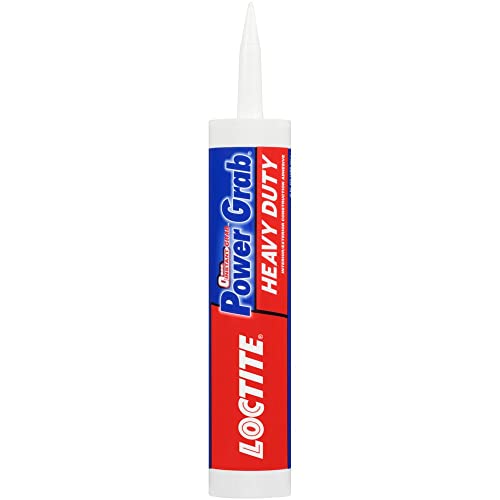
Loctite Power Grab Express Heavy Duty is described as having zero-second instant grab. It dries white and is paintable, which makes it useful when a vertical wood-to-foam panel must stay put with minimal clamping. It is the better choice when slip is the main failure risk.
When PL Premium fits the job
Loctite PL Premium Polyurethane Construction Adhesive is a one-component polyurethane adhesive marketed as three times stronger than ordinary construction adhesives. It bonds to foam insulation and wood, and it fills gaps well. That makes it useful for heavier backing pieces, but the joint still needs careful control to avoid foam crush.
When Liquid Nails Latex Projects is the safer interior choice
This adhesive is described as low odor and water-based, and it is intended to be foam-safe. It is the gentle choice for interior assemblies where solvent attack is a real concern. It is less suited to jobs that need very fast vertical grab or outdoor exposure.
When Akfix 310 makes sense
This adhesive is often described as gap-filling, low-odor, and paintable, with use indoors and sometimes outdoors depending on conditions. It fits projects that need fast positioning, moderate filling, and a finished surface that can be painted. I use it for light construction and display work when those traits line up.

Decision table: choose the adhesive by foam, wood, load, and orientation
| Foam type | Wood type | Vertical or horizontal | Expected load | Indoor or outdoor | Recommended adhesive family | Clamp or brace need | Likely failure mode |
|---|---|---|---|---|---|---|---|
| EPS foam board | Thin plywood backer | Horizontal | Light | Indoor | Liquid Nails Latex Projects | Light weight only; brace if oversized | Starved joint if pressed too hard |
| XPS foam board | Framing strip | Vertical | Light to medium | Indoor | Loctite PL300 | Brace during initial set | Slip before set or crush from heavy clamps |
| Foamcore | Light craft wood | Horizontal | Very light | Indoor | Liquid Nails Latex Projects | Minimal pressure only | Telegraphing through thin foam |
| EPS or XPS | Cabinet backer or sheathing strip | Vertical | Medium | Indoor or outdoor | Akfix 310 | Brace required; clamp only enough to hold | Slip if the bead is too sparse |
| Foam insulation board | Heavier framing member | Horizontal | Medium to heavy | Indoor or outdoor | Loctite PL Premium | Brace and control pressure carefully | Foam crush or squeeze-out loss of bond area |
| Foam board with coated face | Decorative trim | Vertical | Light | Indoor | Loctite Power Grab Express Heavy Duty | Minimal clamping; temporary support still helps | Paintable skin hides slip, but the joint may still creep |
How to read the table
Foam type matters because foamcore, EPS, and XPS do not fail the same way. Wood type matters because a thin trim strip needs less support than a wide framing member. Load and orientation decide whether the adhesive needs instant grab, gap filling, or only gentle tack.
The biggest mistake is choosing by brand name alone. A stronger adhesive can still be wrong if it attacks the foam, prints through the face, or needs more clamping force than the board can tolerate.
How should you prep wood and foam board before gluing?
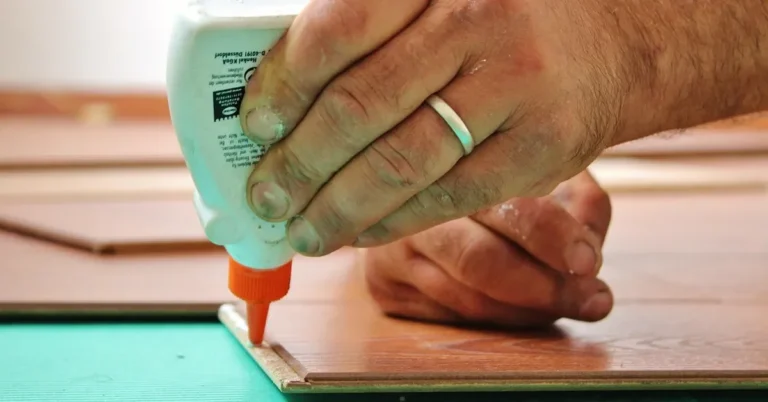
Clean, dry, dust-free surfaces are the baseline for both wood and foam board. Light pressure during placement is better than a hard squeeze, because it preserves bond thickness and avoids foam crush. A small amount of surface prep does more than a heavy bead on a dirty panel.
What to do before the bead goes on
- Brush or vacuum dust from the wood and foam face.
- Wipe the wood if it has grease, wax, or loose residue.
- Let both parts dry fully before bonding.
- Dry-fit the parts and mark alignment points.
- Apply a continuous bead or spaced beads, depending on panel size.
- Press the pieces together with light pressure.
When a light scuff helps
A light scuff on bare wood can improve grip because it removes sheen and loose fibers. It does not help if the surface is already clean and rough, and it should not be used aggressively on foam faces. Foam is easy to damage, so the goal is clean contact, not sanding away material.
How bead size affects the joint
A continuous bead is useful when the whole surface needs support. Spaced beads can work on larger panels where air release and alignment matter. Too much adhesive can float the wood and create slip; too little can starve the joint and leave dry areas with weak peel resistance.
Do you need to clamp wood to foam board while the glue cures?
Usually yes, at least with temporary bracing or light clamping during the initial set. Large panels, vertical assemblies, and heavier wood pieces need support until the adhesive bites. The goal is alignment and anti-slip support, not high clamp pressure that crushes the foam or squeezes the bead dry.
When bracing is enough
Bracing is often enough for lightweight mockups, display panels, and low-load interior work. A flat panel can be set on a table, weighted gently, or supported at the edges while the adhesive begins to grab. This avoids the denting that comes from overtight clamps on soft foam.
When clamps still help
Clamps help when the wood wants to bow, the foam is thick and soft, or the panel is tall enough to creep. Use clamp pads or a caul so the pressure spreads out. Direct clamp jaws can leave witness marks, especially on thin foam or foamcore.
How long to wait
Working time is not the same as cure time. Some products can hold almost immediately, yet still need hours or days before the joint should take load or be finished. PL300 sets in about 20 minutes and cures in about 7 days, so early handling and full use are different milestones.
Will construction adhesive melt foam board?
Some construction adhesives may melt foam board, especially if they contain strong solvents. Foam-safe products are the safer path because they avoid that chemical attack. The bad result is often visible fast: soft spots, pitting, curled edges, or a face that never lies flat again.
Solvent attack versus foam-safe chemistry
Solvent attack is a chemical failure. The adhesive softens or dissolves the foam surface instead of bonding to it. Water-based or foamboard-specific products are less risky, which is why Liquid Nails Latex Projects is formulated to avoid attacking foam insulation and why PL300 is made for foamboard applications.
Where polyurethane fits
Can you use polyurethane adhesive on foam board? Yes, if the adhesive is intended for foam and the panel is supported correctly. PL Premium bonds to foam insulation and wood and is useful for stronger assemblies, but polyurethane still needs controlled pressure because an aggressive clamp can crush the foam or squeeze the joint thin.
How long does foam board adhesive take to cure?
Cure time depends on the product, the bead size, the foam type, and room conditions. Some adhesives grab quickly enough for handling, but full strength takes longer. PL300 sets in about 20 minutes and cures in about 7 days, while instant-grab products still need time before finish work or loading.
Working time, set time, and cure time
Working time is the period for positioning the parts. Set time is when the bond stops sliding. Cure time is when the adhesive reaches full strength. That distinction matters because a panel may feel firm long before it is ready for stress, sanding, or outdoor exposure.
Product timing in practical use
Power Grab Express is described as having zero-second instant grab, so it is useful when the joint needs to stay put immediately. PL300 gives more alignment time. Liquid Nails Latex Projects tends to suit calm interior work where low odor matters more than speed. Akfix 310 sits between those needs with gap filling and paintability.
Frequently asked questions
What is the best adhesive for foam board to wood?
There is no single answer for every job. PL300 is a safe default for foamboard work, Power Grab Express is better for immediate hold, PL Premium fits stronger gap-filling assemblies, and Liquid Nails Latex Projects is a low-odor interior option. Match the glue to the panel, not the label.
Is PL300 good for wood to foam board?
Yes. PL300 is made for foamboard applications, sets in about 20 minutes, and cures in about 7 days. It is a good fit when the panel needs controlled alignment and a paintable finish. It is less useful when instant hold is the top priority.
What adhesive is safest for foam insulation and wood?
For safety, look for foam-safe chemistry first. Liquid Nails Latex Projects is formulated to avoid attacking foam insulation, and PL300 is made for foamboard. PL Premium also bonds to foam insulation and wood, but the safer choice depends on load, panel size, and whether the foam can tolerate clamp pressure.
Sponsored / affiliate links. As an Amazon Associate I earn from qualifying purchases. I may earn additional commission from eligible campaigns.