Unfinished Hardwood Flooring: Real Cost & Best Species (2026)
Unfinished hardwood flooring is raw solid wood milled with tongue-and-groove edges but shipped with no stain or sealant — it gets sanded, stained, and coated on site after installation, unlike prefinished flooring that arrives factory-finished. The tradeoff is real: unfinished boards cost less per square foot ($6–$10 vs $8–$14 for prefinished), but on-site sanding and finishing labor can triple the total project cost. This guide covers real installed pricing, Janka hardness by species, NWFA acclimation rules, and how many times each floor type can actually be refinished.
What Is Unfinished Hardwood Flooring?
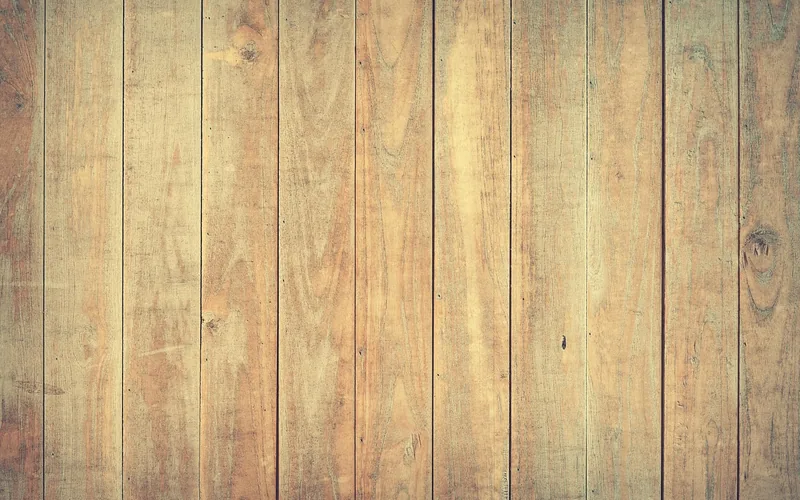
Unfinished hardwood flooring is solid wood flooring that is sanded, stained, and sealed after it has already been nailed or glued to the subfloor, rather than being finished at the factory before it ships. This produces a flat, seamless surface with no micro-bevels between boards — the main reason woodworkers and homeowners still choose it over prefinished hardwood despite the extra labor and dry time it requires.
Retailers like Floor & Decor, LL Flooring, Lowe’s, and Home Depot stock unfinished red oak, white oak, maple, hickory, and walnut in the standard 2 1/4-inch strip width, along with wider plank options. If you’re still comparing where to source it, see our breakdown of where to buy unfinished hardwood flooring. For the full category overview — solid vs. engineered, species, and general costs — start with our wood flooring guide.
Unfinished vs. Prefinished: Real Installed Cost
Unfinished hardwood material typically runs $6–$10 per square foot, while factory-prefinished material runs $8–$14 per square foot. Unfinished looks cheaper on the shelf — but once you add sanding, staining, and multi-coat sealing labor at $3–$8 per square foot, the total installed cost often lands close to, or even above, prefinished. Use a project calculator like our flooring & decking cost calculator to run the numbers for your own square footage before you commit to either option.
| Cost Factor | Unfinished | Prefinished |
|---|---|---|
| Material (per sq ft) | $6 – $10 | $8 – $14 |
| Finishing labor (per sq ft) | $3 – $8 (sanding, stain, seal) | None — pre-applied |
| Time to walk on floor | Several days (dry/cure time) | Same day as install |
| Total installed (typical) | $9 – $18 / sq ft | $8 – $14 / sq ft |
📊 Unfinished flooring labor alone can run up to triple the cost of the material itself once sanding, staining, and sealing are factored in — Source: Bruce Hardwood Floors, 2026
Acclimating Unfinished Hardwood: NWFA Moisture Rules
Skipping acclimation is the single most common reason unfinished hardwood floors cup, gap, or buckle within the first year. The National Wood Flooring Association (NWFA) sets the actual numbers: flooring moisture content should land within 6%–9% depending on climate, and the difference between the wood and the subfloor must stay under 4% for strip flooring narrower than 3 inches, or under 2% for wide-plank flooring 3 inches or wider. Room conditions during acclimation should hold at 60–80°F and 30–50% relative humidity, and installers typically let the floor stabilize 5–7 days after installation before sanding begins.
You cannot eyeball moisture content. A pin or pinless moisture meter reads both the flooring and the subfloor directly, which is the only way to confirm you’re inside NWFA’s tolerance before nailing a single board down.
Best Moisture Meter Pick
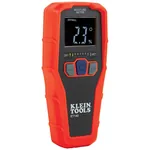 |
Klein Tools ET140 Pinless Moisture Meter – $49.20 Checks flooring and subfloor moisture non-destructively before you nail down unfinished hardwood — the exact test the NWFA tolerances above require.
|
Best Wood Species for Unfinished Hardwood Floors
Hardness matters more for unfinished floors than prefinished ones, since the wood itself — not a factory aluminum-oxide coating — is what takes the daily wear. The Janka hardness test measures the force needed to embed a steel ball halfway into a wood sample; higher numbers mean better dent and scratch resistance.
| Species | Janka Hardness (lbf) | Best For |
|---|---|---|
| Hickory | 1,820 | High-traffic homes, dogs, heavy furniture |
| Hard Maple | 1,450 | Light, contemporary color palettes |
| White Oak | 1,360 | Moisture-prone rooms — more rot-resistant than red oak |
| Red Oak | 1,220 | Classic look, widest availability, easiest to match/repair |
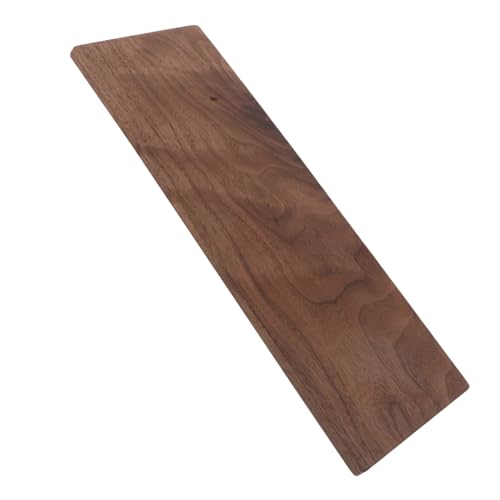
| American Black Walnut | 1,010 | Low-traffic formal rooms, dark tones without staining |
Red oak remains the most common choice because nearly every flooring contractor stocks matching material for future repairs. Walnut is the softest of the five, so it’s a poor match for an entryway or a kitchen with dropped cast-iron pans, but its natural dark tone means less stain (and fewer VOCs) to achieve a rich color.
How to Install Unfinished Hardwood Flooring
Once the flooring has acclimated and moisture readings fall inside NWFA tolerance, installation follows the same sequence for any solid strip or plank product:
- Prep the subfloor: Remove old flooring, level any high or low spots, and roll out moisture barrier paper.
- Set plank direction: Run boards parallel to the longest wall or perpendicular to floor joists for the strongest deck.
- Lay the first row: Face the tongue toward the room and nail or staple close to the wall, leaving a 1/2-inch expansion gap.
- Blind-nail each row: Fasten through the tongue at a 45-degree angle with a flooring nailer, keeping boards tight and level.
- Stagger every row: Cut the first board of each new row to a different length so end joints never line up within 6 inches of the row above.
- Rip the last row to fit: Rip-cut the final row lengthwise, leaving the same 1/2-inch expansion gap at the wall.
- Fill, then sand: Fill nail holes and gaps with wood filler, then sand the entire floor flush and smooth.
- Stain and seal: Apply your chosen stain (optional) followed by two or more coats of finish, sanding lightly between coats.
Finishing Options: Oil-Based, Water-Based & Hardwax-Oil
The finish you choose changes both the smell during the job and how the floor looks for the next decade. Oil-based polyurethane gives a warm amber tone and the most abuse resistance, but it takes 8–24 hours to dry between coats and emits strong solvent fumes. Water-based polyurethane dries in 2–4 hours between coats, keeps its clear color, and off-gasses far less — the tradeoff is a slightly shorter service life before it needs a recoat. Hardwax-oil finishes (such as Rubio Monocoat) penetrate the wood instead of sitting on top of it, carry very low VOCs, and let you walk on the floor sooner, but they typically need reapplication in high-wear areas more often than a full polyurethane coat.
None of the major flooring retailers’ buying guides put VOC output side-by-side with dry time the way this comparison does — if fumes or a new baby in the house are a real concern, water-based or hardwax-oil finishes are the practical answer, not just “crack a window.”
How Many Times Can You Refinish an Unfinished Hardwood Floor?
Solid 3/4-inch unfinished hardwood can typically be sanded and refinished 3 to 5 times over its life, which can stretch a single installation past 50 years with proper care. This is the real long-term argument for unfinished over prefinished: a factory-finished floor with a thin wear layer (common on engineered products under roughly 3mm) may only tolerate one light screen-and-recoat, or none at all, before you hit the veneer. Solid prefinished at 3/4-inch thickness can be sanded about as many times as unfinished — the factory bevels between boards just disappear the first time it’s refinished, which is the one visible difference once both floor types have been sanded once.
Maintenance and Care
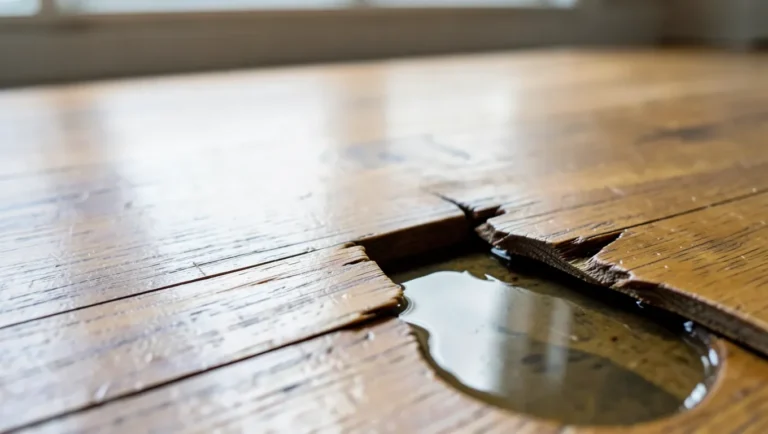
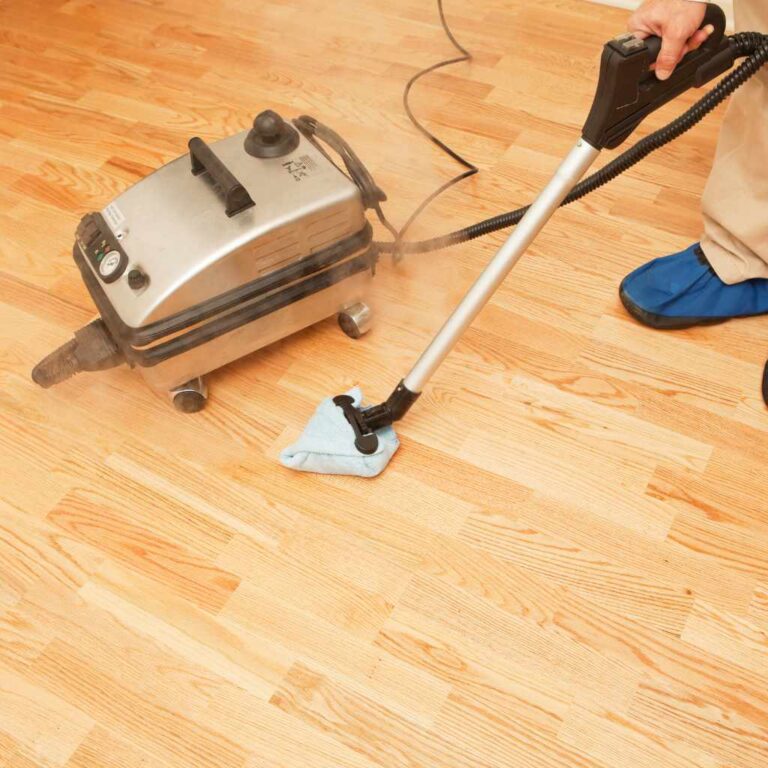
Sweep or dust-mop unfinished hardwood floors daily to keep grit from scratching the finish, and damp-mop only with a pH-neutral wood floor cleaner — standing water is the fastest way to damage the seams a finished-on-site floor is prized for avoiding. See our guide to electric mops for hardwood floors if you want a low-effort daily routine. Felt pads under furniture legs and area rugs in high-traffic zones prevent the majority of scratches that eventually force an early refinish.
Frequently Asked Questions
Is it OK to leave hardwood floors unfinished?
No — leaving hardwood floors without any finish is not recommended long-term. Raw wood absorbs moisture, stains, and dirt directly into open grain, which leads to warping and permanent discoloration. Even a single coat of penetrating oil or water-based sealer dramatically improves durability and is considered the minimum acceptable finish.
Is it cheaper to buy unfinished hardwood floors?
The material itself is cheaper — typically $6–$10 per square foot versus $8–$14 for prefinished. But once you add $3–$8 per square foot for on-site sanding, staining, and sealing labor, total installed cost is usually comparable to prefinished, and sometimes higher.
How long before I can walk on a newly finished unfinished hardwood floor?
Plan on 24 hours minimum after the final coat before light foot traffic, and about 7 days before moving furniture back or laying down rugs. Oil-based finishes need the longer end of that range; water-based finishes cure faster.
Do unfinished hardwood floors really have no seams?
Yes. Sanding the entire floor after installation removes the small eased bevels that factory-prefinished boards have along their edges, producing one continuous flat, glass-smooth surface with no grooves where the boards meet.
How much moisture content should unfinished hardwood have before installation?
The NWFA recommends flooring moisture content between 6% and 9%, depending on your climate, and the gap between flooring and subfloor moisture should stay under 4% for strip flooring or under 2% for plank flooring 3 inches or wider. A pinless moisture meter is the only reliable way to confirm this before nailing the floor down.
Conclusion
Unfinished hardwood flooring is the right call when you want a seamless, fully customizable floor and you’re willing to cover the extra sanding, staining, and dry time it requires — the material savings alone rarely justify the choice once labor is factored in. Confirm your subfloor and flooring moisture readings against NWFA tolerances before installation, pick a species that matches your traffic level, and choose a finish based on how much dry time and VOC exposure you can tolerate. If you’d rather skip the on-site finishing step entirely, see our prefinished vs. unfinished comparison, and if you already have a prefinished floor that needs new life, our guide to refinishing prefinished hardwood floors covers that process instead.
Sponsored / affiliate links. As an Amazon Associate I earn from qualifying purchases. I may earn additional commission from eligible campaigns.