Where to Find Real Hardwood Flooring Clearance & Closeout Deals
Real hardwood flooring clearance and closeout deals come from national liquidators like Hurst Hardwoods, Floor & Decor, and Lumber Liquidators — not random local storefronts. Buying blind can backfire: a closeout lot with inconsistent dye lots or moisture readings above 12% can cup or gap within a year, even at half price. This guide covers where legitimate closeout inventory actually comes from, how to read the grade you’re buying, and the moisture check most clearance buyers skip.
Where Legitimate Clearance & Closeout Hardwood Actually Comes From
Best Moisture Meter Pick
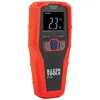
Klein Tools ET140 Pinless Moisture Meter – $49.97
Confirms the subfloor-under-12%, planks-within-2%-4% rule covered below before you commit to a closeout lot — pinless, so it won’t leave test marks in flooring you haven’t paid for yet.
- Best for: Checking moisture before buying or installing closeout hardwood
- Why we picked it: Trusted brand, pinless design won’t mark boards still in the box
- Main drawback: Reads relative moisture only, not an exact percentage
Compare more closeout-flooring buying tools
 Option 1 General Tools MMD4E Moisture Meter – $37.70
|
 Option 2 Bona Hardwood Floor Polish – $20.98
|
 Option 3 Self-Adhesive Transition Strip – $15.99
|
As an Amazon Associate we earn from qualifying purchases.
“Clearance” and “closeout” hardwood comes from a small set of sources: big-box retailers rotating out discontinued styles, and specialist liquidators that buy up manufacturer overstock and discontinued runs by the pallet. Both are legitimate — the difference is how the inventory is sold and what’s left when you find it.
| Source | What You’ll Find | Best For |
|---|---|---|
| Floor & Decor clearance section | Discontinued in-line styles, full quantities | Matching an exact style before it’s gone |
| Lumber Liquidators clearance | Discontinued lines, limited overstock | Name-brand solid hardwood at a discount |
| Hurst Hardwoods “Take All” lots | Full-lot overstock, sold as a single quantity | Contractors and large single-room jobs |
| Flooring Liquidators / Hardwood Bargains / GoHardwood | Warehouse overstock from multiple brands | Comparing several discounted brands at once |
The catch with every source above: quantities are fixed and non-repeatable. Once a specific dye lot or run sells out, the retailer isn’t reordering it — that’s what makes it a closeout in the first place. Measure your space and confirm the full quantity is in stock before you fall in love with a style.
What “Clearance” and “Closeout” Actually Mean for Grade
Closeout hardwood is discontinued or overstocked inventory a retailer needs to move — it is not automatically lower quality. But closeout lots are frequently sold at cabin or utility grade, the two lowest official grading tiers, because mixed-grade pallets are what’s left after higher grades sell through first. Knowing the grade tells you what you’re actually paying for.
Cabin Grade vs. Utility Grade
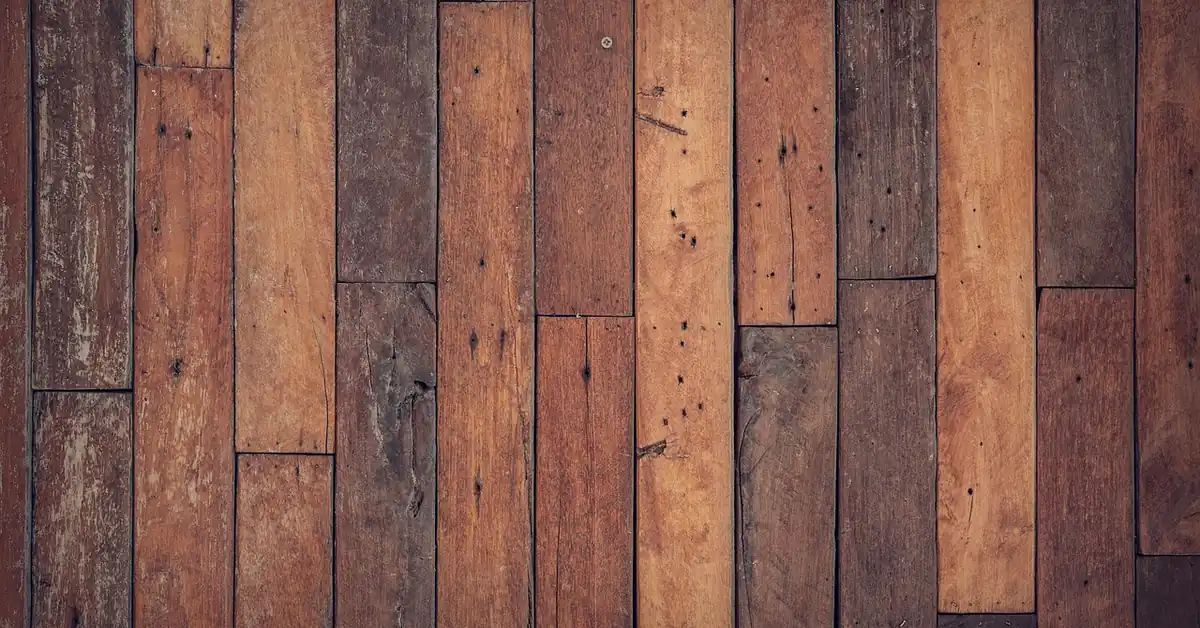
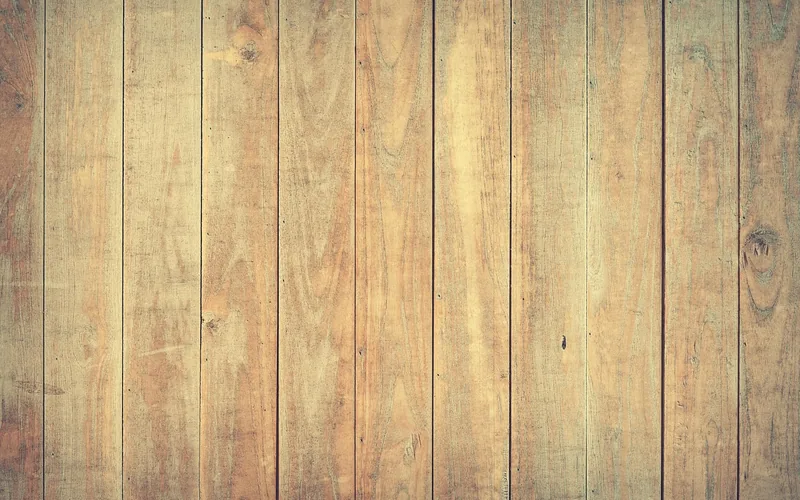
According to NWFA/NOFMA grading standards, cabin grade allows visible knot holes, checking, and heavy color variation but no splits or loose knots. Utility grade — sometimes called builder or rustic grade — is one step below: it permits open worm holes, broken tongues, and more pronounced milling irregularities. Neither grade measures strength or structural quality; both describe cosmetic character only, which is why cabin and utility grade boards install and wear identically to clear-grade boards of the same species.
Expect to pay 20–40% less for cabin or utility grade versus clear/select grade in the same species — a real discount, not a quality compromise, as long as you actually want the rustic look.
The Moisture Check Most Closeout Buyers Skip
A discounted lot is only a good deal if the wood is stable enough to install. Closeout inventory sits in warehouses longer than fresh stock, which makes moisture content the one thing worth checking before you buy — not after.
📊 Your subfloor should read under 12% moisture, and the hardwood planks should be within 2%–4% of that subfloor reading — Source: National Wood Flooring Association Installation Guidelines
“We treat 12% subfloor moisture as a hard cutoff in the shop, not a suggestion. A closeout stack of red oak we didn’t test once cupped along the edges within four months in a slab-on-grade room — the flooring wasn’t defective, it just never should have gone down without acclimating first.”
If your readings fall outside that 2–4% window, acclimate the flooring on-site for several days before installing — don’t install straight out of the closeout pallet. Solid hardwood is more sensitive to this than engineered hardwood, which is more dimensionally stable and a common closeout substitute for basements and other higher-humidity rooms.
How to Avoid a “Deal” That Isn’t One
Closeout pricing hides a few real risks that a clean per-square-foot number won’t show you. Check these before checkout, not after delivery.
- Dye lot mismatch: Closeout stock is often the tail end of several production runs. Ask whether all boxes share one dye lot — mixed lots can show visible color banding once installed.
- Not enough overage: Buy at least 10% more than your measured square footage for a straight-lay install, and 15–20% more for diagonal patterns or rooms with heavy cutting. Closeout runs don’t get restocked if you come up short.
- No return policy: Clearance and closeout sales are commonly final-sale. Confirm this before ordering a species or grade you haven’t seen in person.
- Missing species/grade documentation: A legitimate closeout listing states species, grade, and finish. If a “deal” only says “hardwood flooring” with no species or grade, treat that as a red flag, not a bargain.
Preparing for Installation
Installing hardwood flooring can significantly enhance the aesthetic appeal and value of your home. A few preparation steps matter even more on closeout material, since you’re less likely to get an exact-match replacement board later.
- Clear the installation area of all furniture and obstructions.
- Confirm the subfloor is level, clean, and dry — re-check the under-12% moisture reading here specifically.
- Acclimate the hardwood planks to the room for 3–5 days before installing, longer if your moisture readings were borderline.
- Inspect every plank for defects before installing — a closeout lot has no reorder option if you find damage mid-install.
- Hire an installer experienced with cabin/utility grade material if that’s what you bought; irregular boards need more careful layout planning.
Maintenance Tips for Longevity
- Sweep or vacuum regularly to remove grit that scratches the finish.
- Clean with a damp mop and a wood-safe cleaner — avoid soaking the boards.
- Place mats at entryways to reduce tracked-in moisture and grit.
- Use felt pads under furniture legs to prevent dents.
- Inspect periodically for gaps or wear and address them early, since closeout material may not have an exact-match replacement board available later.
Frequently Asked Questions
Is It Cheaper To Buy Unfinished Hardwood Floors?
Yes — unfinished hardwood typically costs 10–20% less than prefinished because you’re paying for raw material, not factory sanding and coating. The tradeoff is extra time and cost for on-site sanding, staining, and sealing, plus a longer wait before the floor can be walked on.
What Is The Most Durable Hardwood Floor Available?
Solid oak is generally the most durable common hardwood floor, with a Janka hardness rating around 1,290 (red oak) to 1,360 (white oak) that resists dents in high-traffic rooms. Harder species like hickory (about 1,820) rate even tougher, though they’re less common in closeout lots and cost more.
Should You Remove Old Hardwood Floors Before Installing New Ones?
Not always. If the existing floor is flat, dry, and structurally sound, many installers nail or float new hardwood directly over it to save labor cost. Remove the old floor first if it’s cupped, water-damaged, already close to 3/4 inch thick, or the added height would block doors or transitions.
What Is The Next Best Thing To Hardwood Floors?
Engineered hardwood is the closest alternative — it uses a real hardwood wear layer over a plywood core, so it looks and can be refinished similarly, but resists humidity-driven warping better. That makes it a common closeout substitute for basements and kitchens.
What Does “Cabin Grade” or “Utility Grade” Mean on a Closeout Floor?
These are NWFA/NOFMA terms for the lowest official hardwood grades — boards with visible knots, mineral streaks, and color variation that don’t meet higher-grade cosmetic standards but are structurally identical to premium grades. They’re common in closeout lots because retailers sell down mixed-grade pallets, and they typically cost 20–40% less than clear or select grade.
How Much Extra Flooring Should You Buy From a Clearance Lot?
Buy at least 10% more than your measured square footage for a standard straight-lay install, and 15–20% more for diagonal patterns or rooms with a lot of cuts. Closeout lots are limited-run, so if you come up short, the exact dye lot and grade may already be sold out by the time you reorder.
Conclusion
Real hardwood flooring clearance and closeout deals are out there — Floor & Decor, Lumber Liquidators, Hurst Hardwoods, and similar liquidators move genuine overstock at real discounts. The savings are legitimate as long as you check the grade, confirm the dye lot, buy enough overage, and test moisture before installing. Skip that last step and even a great price on paper can end up costing more in a warped floor within the first year.
Sponsored / affiliate links. As an Amazon Associate I earn from qualifying purchases. I may earn additional commission from eligible campaigns.