Hardwood Floors vs Laminate: Pros, Cons, Costs
Choosing new flooring can feel overwhelming especially when you see terms like Hardwood Floors vs Laminate: Pros, Cons, Costs popping up everywhere. It’s easy to get lost in the details and wonder where to start. But don’t worry, we’re going to break it all down for you in a way that makes perfect sense.
We’ll guide you step by step so you can feel confident about your decision. Think of this as your simple guide to figuring out which flooring is right for your home.
Understanding Hardwood Floors Versus Laminate
This section is all about getting a clear picture of what makes hardwood and laminate flooring different. We’ll look at their basic makeup, how they’re made, and what they generally feel like underfoot. This foundational knowledge is key to appreciating their unique strengths and weaknesses when we talk about Hardwood Floors vs Laminate: Pros, Cons, Costs.
Knowing the core differences helps you see why one might be better for your specific needs than the other.
What is Hardwood Flooring
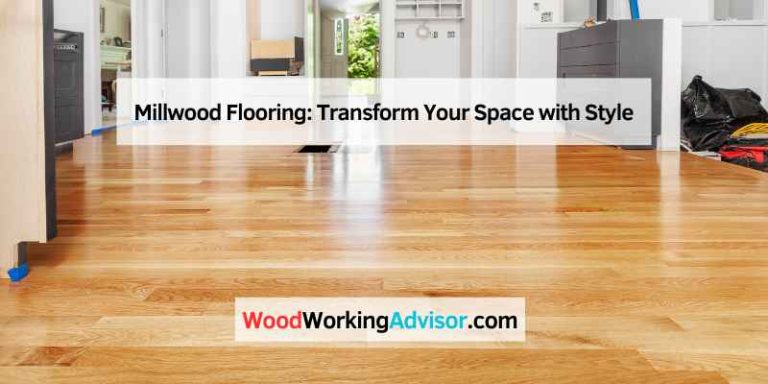
Hardwood flooring is made from solid pieces of wood that come directly from trees. Think oak, maple, cherry, or walnut. Each plank is typically cut from a single piece of lumber, giving it a natural beauty and unique grain pattern.
This natural origin is a big part of its appeal.
When you install hardwood floors, you’re bringing a piece of nature right into your home. The variations in color and grain are not flaws; they are part of its charm. No two hardwood floors will ever look exactly alike, making your space truly one of a kind.
This natural variation contributes to its timeless elegance.
The construction of solid hardwood planks is straightforward. They are usually a few inches wide and a few feet long, with tongue-and-groove edges that lock together during installation. The thickness can vary, but most are around 3/4 inch thick.
This solid construction is what gives hardwood its durability and the ability to be refinished multiple times.
The feeling of hardwood underfoot is often described as warm and solid. It doesn’t creak or feel hollow like some other flooring types might. This sense of substance adds to the perceived value and luxury of a home.
It’s a material that ages gracefully, developing a patina over time.
A key advantage of hardwood is its repairability. If a plank gets scratched or damaged, it can often be sanded down and refinished. This means you can maintain its beautiful appearance for decades, sometimes even a lifetime, with proper care.
This long-term value is a significant factor for many homeowners.
Hardwood’s natural material also contributes to its aesthetic. It can be stained in a wide variety of colors to match any decor, from light and airy to dark and dramatic. The natural luster of the wood can be enhanced with different finishes, offering a level of customization that synthetic materials struggle to match.
What is Laminate Flooring
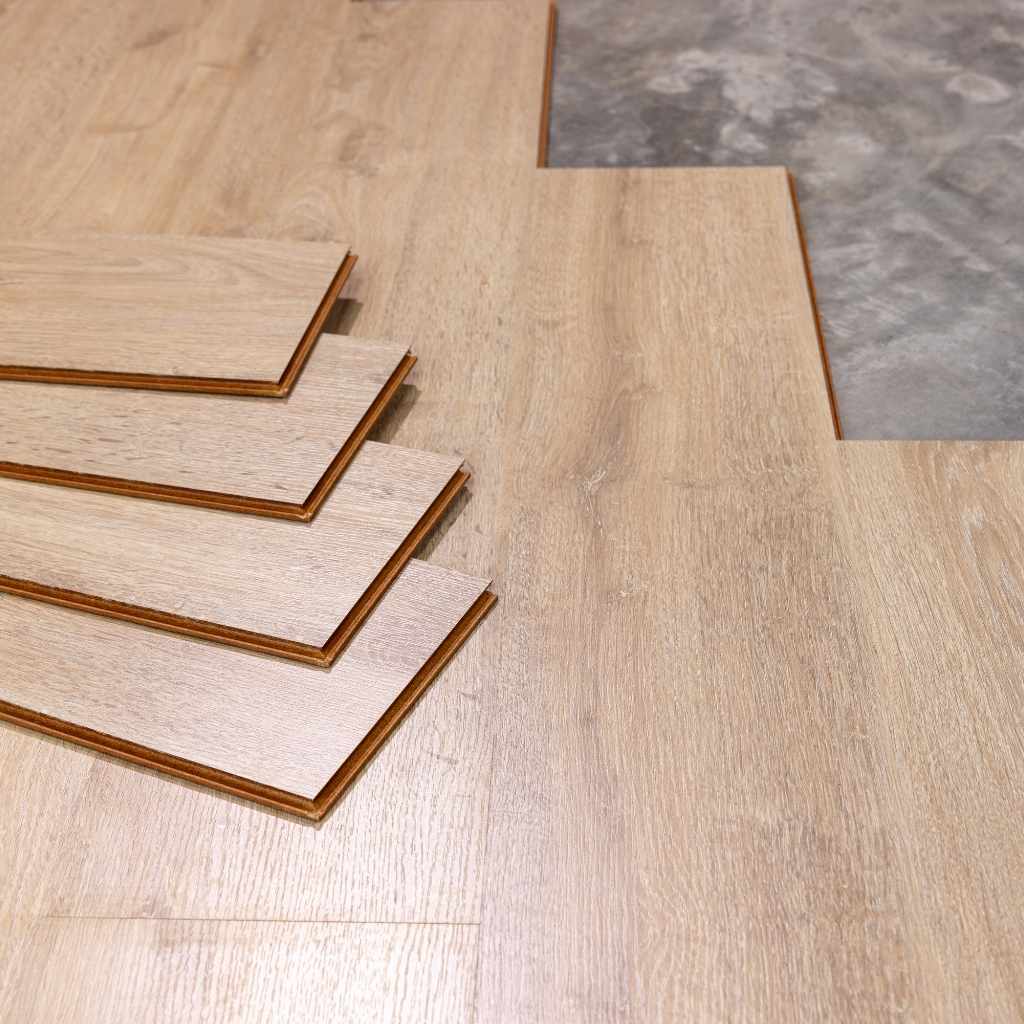
Laminate flooring is a layered product that mimics the look of wood, stone, or tile. It’s made from composite wood pressed together at high temperatures. This creates a very stable and durable core layer.
The top layer of laminate is a high-resolution image, usually of wood grain. This image is protected by a clear, hard wear layer. This wear layer is designed to resist scratches, stains, and fading, making laminate a practical choice for busy households.
Beneath the image layer is the core, typically made from high-density fiberboard (HDF). This core provides strength and stability to the plank. It’s this layered construction that makes laminate a cost-effective alternative to real wood.
The installation of laminate is often simpler than hardwood. Many types use a click-lock system, where planks snap together without the need for glue or nails. This makes it a popular choice for DIY enthusiasts.
The planks float over the subfloor, meaning they aren’t attached to it directly.
Laminate flooring is known for its durability and resistance to everyday wear and tear. The protective wear layer can withstand heavy foot traffic, pet claws, and even spills if cleaned up promptly. This makes it a good option for areas prone to damage.
The variety of designs available in laminate is extensive. You can find patterns that look like almost any type of wood, from popular oaks and maples to exotic hardwoods. The printing technology is so advanced that it can be hard to tell the difference from real wood at first glance.
This visual appeal is a major draw.
However, a significant limitation of laminate is its inability to be refinished. If the wear layer is scratched through or deeply damaged, the entire plank needs to be replaced. Unlike hardwood, it cannot be sanded down to reveal fresh material.
Comparing Core Construction and Appearance
The fundamental difference between hardwood and laminate lies in their construction. Hardwood is entirely natural wood, offering unique grain patterns and a solid feel. Laminate, on the other hand, is a synthetic product with a printed image of wood.
This means each laminate plank will be an exact repeat of the image, unlike the natural variation in hardwood.
In terms of appearance, modern laminate can be remarkably convincing. High-definition printing captures the textures and colors of real wood with impressive accuracy. However, experienced eyes might still detect a pattern repeat or a slightly less nuanced depth compared to genuine hardwood.
Hardwood boasts an inherent richness and variation that laminate aims to replicate.
The feel underfoot is also distinct. Hardwood feels solid and often warmer. Laminate, especially some thinner varieties, can sometimes sound a bit hollow or clicky when walked on, though underlayment can significantly improve this.
The tactile experience is an important aspect of the Hardwood Floors vs Laminate: Pros, Cons, Costs decision.
When considering longevity and aesthetic appeal, hardwood’s ability to be refinished is a major plus. This allows for a fresh look years down the line. Laminate, while durable in its wear layer, cannot be renewed in the same way.
This difference in maintenance and repair potential is a key consideration for homeowners.
The visual appeal of hardwood is timeless and adds significant value to a home. Its natural beauty is unmatched. Laminate offers a visually pleasing alternative that can achieve a similar look at a lower price point, but it may not possess the same depth of character or long-term aesthetic flexibility.
The choice between the two often comes down to a balance of these factors: the authentic, natural beauty and refinishing potential of hardwood versus the visual variety, ease of care, and cost-effectiveness of laminate. Each has its place depending on your priorities and budget.
Key Benefits and Drawbacks of Each Flooring Type
Now that we understand what hardwood and laminate are, let’s get into the nitty-gritty of what makes them good or not so good for your home. This section focuses on the practical advantages and disadvantages you’ll encounter with each option, directly impacting the Hardwood Floors vs Laminate: Pros, Cons, Costs comparison.
Advantages of Hardwood Flooring
Hardwood flooring offers an unparalleled natural beauty and timeless appeal. The unique grain patterns and rich colors of real wood create a warm and inviting atmosphere in any room. This natural variation means no two rooms will look exactly the same, adding a bespoke feel to your home.
One of the most significant advantages is hardwood’s longevity and value. With proper care, it can last for generations, and its presence often increases a home’s resale value. The ability to sand and refinish hardwood multiple times means scratches and wear can be restored, keeping the floor looking new for decades.
Hardwood is also considered a healthy flooring option. It doesn’t harbor dust mites or allergens as readily as carpeting does. It’s also easy to clean, which further contributes to better indoor air quality.
Regular sweeping and occasional damp mopping are usually all that’s needed.
The tactile experience of hardwood is another benefit. It feels solid and warm underfoot, contributing to a sense of quality and comfort. It doesn’t have the hollow sound that some laminate floors can produce.
Hardwood floors can be stained and finished in a virtually endless array of colors and sheens. This allows for great flexibility in matching your interior design. Whether you prefer a light, airy Scandinavian look or a deep, dramatic espresso finish, hardwood can accommodate your vision.
Here are some specific benefits in bullet form:
- Timeless Aesthetic Appeal
Hardwood floors offer a classic beauty that never goes out of style. They can elevate the look of any home, from modern to traditional. The natural imperfections and variations in wood grain contribute to a unique character that synthetic materials cannot replicate, adding a sense of warmth and sophistication.
- Increased Home Value
Investing in hardwood flooring is an investment in your home’s future. Properties with hardwood floors are often perceived as more desirable and can command higher resale prices. This is due to their perceived luxury, durability, and classic appeal, making them a sought-after feature for potential buyers.
- Durability and Longevity
When properly maintained, hardwood floors can last a lifetime. They are remarkably durable and can withstand heavy foot traffic. The ability to sand and refinish them multiple times means that wear and tear can be effectively managed, preserving their beauty for generations.
- Hypoallergenic Properties
Unlike carpet, hardwood does not trap dust, pet dander, or other allergens. This makes it an excellent choice for individuals with allergies or respiratory sensitivities, contributing to a cleaner and healthier indoor environment. Easy cleaning further supports this benefit.
- Refinishing Capability
The ability to refinish hardwood floors is a significant advantage. Scratches, dents, and worn finishes can be removed through sanding, allowing the floor to be restored to its former glory. This process can be repeated over the years, extending the life of the floor considerably.
Disadvantages of Hardwood Flooring
Despite its many advantages, hardwood flooring is not without its drawbacks. One of the most significant is its susceptibility to moisture. Spills, leaks, or high humidity can cause hardwood to warp, buckle, or even develop mold.
Hardwood is also more prone to scratches and dents than some other flooring materials. Heavy furniture, pet claws, or even dropped objects can leave marks. While refinishing can fix these, it requires effort and cost.
Installation can be more complex and expensive. Hardwood typically requires professional installation, which adds to the overall cost. The subfloor needs to be perfectly level and dry.
The planks are often nailed or glued down, which is a more labor-intensive process.
Maintenance, while straightforward for daily cleaning, requires careful attention to moisture. You can’t just mop it with excessive water. Using the wrong cleaning products can also damage the finish.
The cost is a major factor. Hardwood is generally one of the more expensive flooring options available, both in terms of material and installation. This can put it out of reach for some budgets.
Here are some specific disadvantages in bullet form:
- Susceptibility to Moisture Damage
Hardwood floors can be significantly damaged by excess moisture. High humidity, standing water from spills, or leaks can cause the wood to swell, warp, and even rot. This makes it a less ideal choice for areas like bathrooms, basements, or kitchens where spills are more common.
- Prone to Scratches and Dents
The natural material of hardwood makes it vulnerable to scratches and dents. Heavy furniture can leave indentations, and pet claws or sharp objects can easily scratch the surface. While refinishing can fix these issues, it’s an added expense and effort over time.
- Higher Cost
Hardwood flooring is one of the more expensive flooring options. The cost of the raw material itself, combined with professional installation, can make it a significant investment. This higher price point is a primary reason why many people consider alternatives like laminate.
- Requires Careful Maintenance
While daily cleaning is simple, maintaining hardwood requires attention to moisture control and avoiding abrasive cleaners. Improper cleaning methods can damage the finish and the wood itself. This means you can’t always clean it as freely as other materials.
- Can Be Noisy Without Proper Underlayment
Without adequate underlayment, hardwood floors can sometimes creak or make hollow sounds when walked upon. While this is less common with solid hardwood, it can be a concern in older homes or with certain installation methods. The sound can detract from the perceived quality.
Advantages of Laminate Flooring
Laminate flooring is celebrated for its impressive affordability. It provides the look of hardwood or stone at a fraction of the cost, making it a budget-friendly choice for many homeowners. This cost-effectiveness is a major draw when considering Hardwood Floors vs Laminate: Pros, Cons, Costs.
Durability is another key advantage. The wear layer on laminate is highly resistant to scratches, stains, and fading. This makes it an excellent option for high-traffic areas, homes with children, or pets.
It can hold up well against the rigors of daily life.
Installation is often simpler and quicker than hardwood. Many laminate floors feature a click-lock system that allows planks to snap together easily. This makes it a fantastic choice for DIY projects, saving on labor costs.
Laminate is also relatively easy to clean and maintain. A simple sweep or vacuum and occasional damp mopping are usually sufficient. It’s less sensitive to moisture than hardwood, though prolonged standing water should still be avoided.
The variety of designs is vast. You can find laminate that convincingly mimics almost any wood species or stone look. This allows for immense design flexibility to achieve your desired aesthetic without the expense of the real material.
Here are some specific advantages in bullet form:
- Cost-Effectiveness
Laminate flooring is significantly more affordable than hardwood. This lower price point allows homeowners to achieve a beautiful wood-look floor without a substantial financial outlay, making it accessible for a wider range of budgets and renovation projects.
- High Durability and Scratch Resistance
The protective wear layer on laminate makes it highly resistant to scratches, dents, and stains. This makes it an ideal choice for busy households with children and pets, as it can withstand significant wear and tear without showing damage easily.
- Easy Installation (DIY Friendly)
Many laminate flooring systems use a click-lock installation method, allowing planks to snap together easily. This makes it a popular choice for do-it-yourself projects, saving money on professional installation and allowing homeowners to complete renovations more quickly.
- Easy Maintenance and Cleaning
Laminate is generally easy to clean. Regular sweeping or vacuuming and occasional damp mopping are sufficient. It’s less sensitive to moisture than hardwood, simplifying the cleaning routine and making it more forgiving for everyday messes.
- Wide Variety of Designs and Styles
Laminate flooring comes in an extensive range of styles, colors, and patterns, mimicking virtually any type of wood, stone, or tile. This offers incredible design flexibility, allowing homeowners to achieve a desired aesthetic for any room in their house.
Disadvantages of Laminate Flooring
While laminate is durable, it cannot be refinished. If the wear layer is deeply scratched or damaged, the affected planks must be replaced. This limits its lifespan compared to hardwood, which can be renewed.
Moisture is still a concern, although less so than with hardwood. Prolonged exposure to standing water can cause laminate to swell and the layers to separate, damaging the flooring permanently. It’s not recommended for areas that get very wet.
The sound can be an issue for some. Without a good quality underlayment, laminate can sometimes produce a hollow or clicking sound when walked on. This can detract from the perceived quality and feel of the floor.
Resale value might not be as high as with hardwood. While laminate looks good, it’s still a synthetic material. Savvy buyers might see it as a less permanent or less valuable flooring option compared to real wood.
If the protective wear layer is breached, the underlying printed image can be damaged. This means the aesthetic can be permanently compromised in that spot, unlike hardwood where sanding can often fix surface issues.
Here are some specific disadvantages in bullet form:
- Cannot Be Refinished
Unlike hardwood, laminate flooring cannot be sanded and refinished. If the wear layer is severely scratched or damaged, the affected planks must be replaced. This means the floor has a finite lifespan and cannot be renewed to its original condition.
- Susceptible to Water Damage (if not properly sealed)
While more resistant to minor spills than hardwood, prolonged exposure to standing water can cause laminate to swell and delaminate. This makes it a less suitable choice for very wet areas like full bathrooms or basements without proper precautions.
- Can Produce a Hollow Sound
Without a high-quality underlayment, laminate floors can sometimes sound hollow or clicky when walked on. This can make the flooring feel less substantial or luxurious compared to solid hardwood. The quality of the underlayment is crucial.
- May Not Increase Resale Value Significantly
While attractive, laminate is a synthetic product. Home buyers may perceive it as less valuable than genuine hardwood, which can impact the resale value of your home. It is seen as a more temporary flooring solution by some.
- Difficult to Repair Minor Damage Without Replacement
If a plank gets a deep scratch or chip in the wear layer, it can be difficult to repair invisibly. Often, the only solution is to replace the entire plank, which can be a time-consuming process, especially if you don’t have extra planks on hand.
Cost Considerations for Hardwood and Laminate
The price tag is often a deciding factor when choosing between hardwood and laminate. This section will break down the costs involved, from the material itself to installation, to give you a clear picture of the Hardwood Floors vs Laminate: Pros, Cons, Costs. Understanding these figures helps you budget effectively.
Cost of Hardwood Flooring
The cost of hardwood flooring can vary significantly based on the type of wood, its origin, and the finish. Solid hardwood planks generally range from $3 to $12 per square foot for the material alone.
Exotic hardwoods like Brazilian cherry or tigerwood are typically at the higher end of this spectrum. More common domestic woods like oak or maple are usually more affordable. Engineered hardwood, which has a real wood veneer over layers of plywood or HDF, can sometimes be slightly less expensive than solid hardwood.
Installation is an additional cost that can add $5 to $15 per square foot, depending on the complexity of the job and the installer’s rates. Factors like the need for subfloor preparation, removing old flooring, and intricate layout patterns can increase these costs.
Refinishing existing hardwood floors can cost $2 to $6 per square foot. This cost includes sanding down the old finish and applying a new protective layer. This is an expense to consider for the long-term maintenance of hardwood.
Here’s a table to illustrate typical cost ranges:
| Flooring Type | Material Cost (per sq ft) | Installation Cost (per sq ft) | Total Estimated Cost (per sq ft) |
|---|---|---|---|
| Solid Hardwood (Domestic) | $3 – $7 | $5 – $12 | $8 – $19 |
| Solid Hardwood (Exotic) | $6 – $12 | $7 – $15 | $13 – $27 |
| Engineered Hardwood | $3 – $9 | $5 – $10 | $8 – $19 |
When budgeting for hardwood, it’s important to account for potential unforeseen issues. For instance, if your subfloor needs significant repair or leveling, this can add to the overall expense. Always get detailed quotes from multiple installers.
The lifespan of hardwood, combined with its ability to be refinished, can make its long-term cost of ownership lower than cheaper alternatives that need frequent replacement. This is a key point in the Hardwood Floors vs Laminate: Pros, Cons, Costs discussion.
Consider the quality of the wood itself. Thicker wear layers on engineered hardwood, or denser, harder species of solid wood, will generally command higher prices but offer greater durability and longevity.
Don’t forget about underlayment and trim. These finishing touches, while small individually, add up. Ensure your quotes include these necessary accessories.
Cost of Laminate Flooring
Laminate flooring is considerably more budget-friendly than hardwood. The material cost typically ranges from $1 to $4 per square foot.
The price of laminate can vary based on the thickness of the wear layer, the realism of the printed image, and the core material’s density. High-end laminates can approach the lower end of engineered hardwood costs, offering superior aesthetics and durability.
Installation for laminate is generally less expensive, often costing $2 to $6 per square foot. This is largely due to its DIY-friendly click-lock systems. Even professional installation is typically cheaper than for hardwood because it’s often a floating floor.
While laminate cannot be refinished, its initial lower cost means that replacing damaged sections or entire rooms is less financially impactful than replacing hardwood.
Here’s a comparative table for laminate costs:
| Flooring Type | Material Cost (per sq ft) | Installation Cost (per sq ft) | Total Estimated Cost (per sq ft) |
|---|---|---|---|
| Standard Laminate | $1 – $3 | $2 – $5 | $3 – $8 |
| High-Quality Laminate | $3 – $4 | $3 – $6 | $6 – $10 |
The cost of underlayment is crucial for laminate. A good quality underlayment can improve sound insulation and add a cushion underfoot, making the floor feel more substantial. This can add $0.50 to $2 per square foot to the overall cost.
When comparing Hardwood Floors vs Laminate: Pros, Cons, Costs, laminate’s upfront affordability makes it a strong contender for budget-conscious projects or for areas where frequent replacement might be anticipated.
You can often find laminate on sale or through clearance channels, further reducing its cost. Keep an eye out for deals, especially when renovating multiple rooms.
The key is to balance the initial savings with the long-term value. While laminate is cheaper upfront, its inability to be refinished means you might face
Making the Cost-Benefit Decision
When weighing Hardwood Floors vs Laminate: Pros, Cons, Costs, the decision often comes down to your budget, lifestyle, and long-term expectations. Hardwood represents a significant upfront investment but can offer decades of beauty and increased home value, especially with its refinishing capability.
Laminate provides an attractive and practical flooring solution at a much lower initial cost. It’s ideal for those on a tighter budget or for areas of the home that experience heavy wear and tear and where a quick replacement might be more feasible than refinishing.
Consider the ROI (Return on Investment) for each. Hardwood generally offers a better ROI because it’s a sought-after feature that adds lasting value to a home. Laminate’s ROI is primarily in the immediate aesthetic improvement and cost savings during installation.
The longevity of hardwood, even with its higher initial price, can make its cost per year of use very competitive over time. Laminate, while cheaper initially, might need replacement sooner, potentially making its cost per year of use similar or even higher in the long run, depending on wear.
Think about your lifestyle. If you have young children or pets that are prone to accidents or rough play, laminate’s scratch resistance and easier cleanup might be more practical. If you prioritize natural materials, timeless elegance, and long-term investment, hardwood is likely the better choice.
Here’s a summary comparison of long-term value:
| Factor | Hardwood Floors | Laminate Floors |
|---|---|---|
| Upfront Cost | High | Low |
| Long-Term Cost (Cost per year of use) | Potentially Lower (due to refinishing and longevity) | Potentially Higher (if replacement is frequent) |
| Resale Value Increase | Significant | Moderate |
| Refinishing Potential | Yes (multiple times) | No |
| Lifespan | Generations | 10-20 years (depending on quality and wear) |
Ultimately, the “best” choice depends on your individual circumstances. A careful evaluation of these costs and benefits will guide you to the flooring that best fits your needs and your wallet.
Installation and Maintenance Differences
Beyond the initial purchase price, how you install and care for your floors makes a big difference. This section explores the practical aspects of installing and maintaining both hardwood and laminate, further clarifying the Hardwood Floors vs Laminate: Pros, Cons, Costs.
Installing Hardwood Floors
Installing hardwood floors is a more involved process than laying laminate. Solid hardwood planks are typically nailed or stapled down to a wooden subfloor. This requires specialized tools like a flooring nailer or stapler.
The subfloor must be perfectly flat, dry, and structurally sound. Any imperfections can lead to creaking or cupping of the wood. This often means removing old flooring and preparing the subfloor meticulously, which can add significant time and cost.
Engineered hardwood can sometimes be installed using a floating method, similar to laminate, or it can be glued or stapled down. Gluing down is common, especially on concrete subfloors, and requires a specific type of adhesive and a trowel for even application.
Professional installation is highly recommended for hardwood. An experienced installer will ensure the planks are laid correctly, expansion gaps are maintained appropriately, and the finish is applied seamlessly. This expertise prevents costly mistakes and ensures the floor’s longevity.
The installation process for hardwood can take several days, depending on the size of the area and any necessary subfloor preparation. This downtime can be a consideration for homeowners.
Here are some key installation considerations for hardwood:
- Subfloor Preparation is Crucial
Hardwood requires a very clean, dry, and level subfloor. Any unevenness can cause the wood to creak or warp over time. Professional installers will assess and prepare the subfloor to ensure optimal installation conditions, which can involve sanding, leveling, or adding underlayment.
- Installation Methods Vary
Solid hardwood is typically nailed or stapled down to a wooden subfloor. Engineered hardwood can be nailed, stapled, glued, or installed as a floating floor. The method chosen depends on the type of hardwood, the subfloor material, and desired outcome.
- Requires Specialized Tools
Installing hardwood often necessitates the use of specialized tools such as flooring nailers, staple guns, and miter saws for precise cuts. Renting or purchasing these tools can add to the cost if you’re attempting a DIY installation.
- Moisture Testing is Essential
Before installation, a moisture test of the subfloor and the hardwood itself is critical, especially in areas prone to humidity or if installing over concrete. Excessive moisture can lead to severe damage, making this a non-negotiable step.
- Professional Installation Recommended
Due to the complexity and potential for costly errors, professional installation is generally recommended for hardwood floors. Their expertise ensures proper technique, optimal appearance, and longevity of the flooring.
Installing Laminate Floors
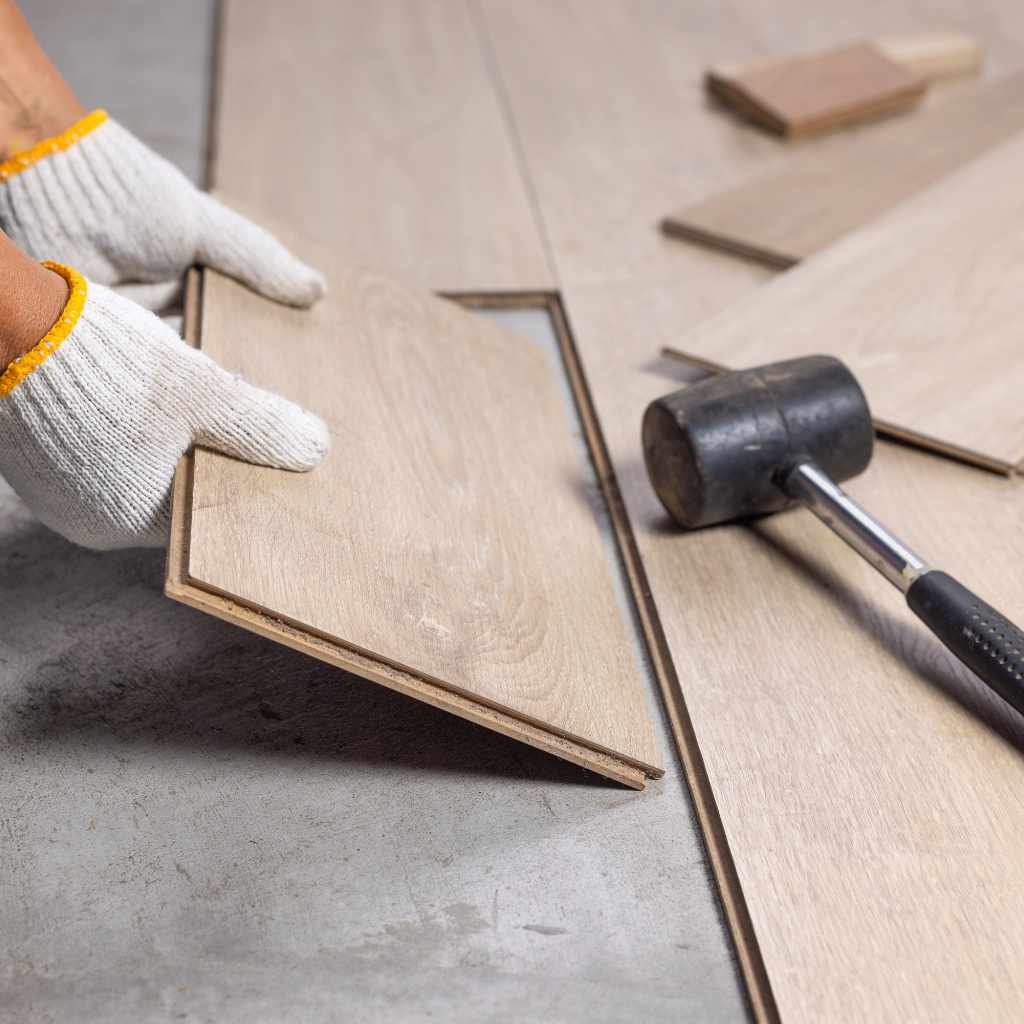
Laminate flooring is renowned for its ease of installation, making it a favorite for DIYers. Most laminate features a click-lock system.
This system allows planks to interlock by simply pressing them together at an angle. No glue or nails are required for installation. The floor “floats” over the subfloor, meaning it’s not attached to it.
A crucial component of laminate installation is the underlayment. This layer goes between the subfloor and the laminate, providing cushioning, moisture resistance, and sound insulation. Choosing a good quality underlayment is vital for the final feel and sound of the floor.
Laminate can be installed over most existing hard-surface flooring, such as tile or vinyl, as long as it’s level and clean. This can save time and money by avoiding the need to remove old flooring.
The installation process is typically much faster than hardwood. A single room can often be completed in a day or two, even for a novice. This speed is a significant advantage for homeowners looking for a quick upgrade.
Here are some key installation considerations for laminate:
- Click-Lock System Simplicity
The most common installation method for laminate uses a click-lock mechanism. Planks snap together easily, creating a tight seal without the need for adhesives or fasteners, making it ideal for DIYers and speeding up the process considerably.
- Floating Floor Installation
Laminate is installed as a floating floor, meaning it’s not attached to the subfloor. This allows for expansion and contraction with temperature and humidity changes and makes replacement of individual planks simpler if needed.
- Underlayment is Essential
A layer of underlayment is always recommended beneath laminate. It provides cushioning, helps with sound dampening, and offers a barrier against moisture from the subfloor. The type of underlayment can significantly impact the floor’s feel and acoustics.
- Can Be Installed Over Existing Floors
Laminate can often be laid directly over existing hard-surface flooring, such as tile or vinyl, provided the surface is clean, dry, and level. This saves time and labor by eliminating the need to remove old flooring.
- Quick Installation Time
Due to its simple click-lock system and floating installation, laminate can be installed much faster than hardwood. A typical room can often be completed within a day or two, allowing for a quicker renovation timeline.
Maintenance Routines
Maintaining both hardwood and laminate floors involves regular cleaning, but the specific methods and precautions differ.
For hardwood, daily cleaning involves sweeping or vacuuming with a soft brush attachment to remove grit and dust that can scratch the surface. Damp mopping is acceptable but should be done with a well-wrung-out mop to avoid excess water. Use wood-specific cleaning products, as harsh chemicals can damage the finish.
Avoid steam mops on hardwood, as the heat and moisture can cause damage. Placing felt pads under furniture legs is crucial to prevent scratches. Regular dusting and quick cleanup of spills are essential.
Laminate maintenance is similar for daily cleaning: sweeping or vacuuming is recommended. It’s generally more tolerant of damp mopping than hardwood, but standing water should still be avoided. Use a damp mop with a mild, pH-neutral cleaner.
Avoid abrasive cleaners or scouring pads, which can damage the wear layer. For stubborn spots, a specialized laminate cleaner can be used. Protect the floor with felt pads on furniture legs.
A key difference in maintenance is that with hardwood, you might periodically need to reapply a protective finish or have the floor professionally refinished to maintain its appearance. Laminate does not have this option.
Here’s a comparison of maintenance practices:
| Maintenance Task | Hardwood Floors | Laminate Floors |
|---|---|---|
| Daily Cleaning | Sweep or vacuum (soft brush) | Sweep or vacuum (soft brush) |
| Damp Mopping | Use well-wrung-out mop, wood-specific cleaner | Use damp mop, mild pH-neutral cleaner |
| Moisture Sensitivity | High | Moderate (prolonged standing water is problematic) |
| Protection Against Scratches | Felt pads on furniture, avoid grit | Felt pads on furniture, avoid grit |
| Refinishing/Renewal | Can be refinished multiple times | Cannot be refinished |
| Steam Mops | Avoid | Generally avoid (check manufacturer recommendations) |
The choice between Hardwood Floors vs Laminate: Pros, Cons, Costs also involves considering the time and effort you’re willing to put into maintenance. While both are relatively easy to clean daily, hardwood requires more vigilance regarding moisture and occasional refinishing for long-term beauty.
Durability and Lifespan Comparisons
When discussing Hardwood Floors vs Laminate: Pros, Cons, Costs, the lifespan and durability of each material are critical factors in determining long-term value and suitability for your home.
Hardwood Durability and Lifespan
The durability of hardwood flooring depends heavily on the type of wood, its hardness rating (Janka rating), and the quality of the finish applied. Harder woods like oak, maple, and hickory are more resistant to scratches and dents than softer woods like pine or fir.
A well-maintained hardwood floor can last for generations, often 50 years or more. The ability to sand and refinish the floor multiple times is what truly extends its lifespan. Each refinishing session effectively renews the surface, removing wear and tear and applying a fresh protective layer.
However, hardwood is susceptible to significant damage from moisture. Prolonged exposure to water can cause the planks to warp, cup, or buckle, which often requires costly repairs or full replacement of the affected areas.
Impact resistance is also a consideration. While hard, a heavy object dropped directly onto hardwood can cause a dent or gouge. Pet claws can scratch the finish, and furniture can leave indentations over time, especially in softer woods.
The lifespan of hardwood is intrinsically linked to its maintenance. Regular cleaning, prompt spill cleanup, and protective measures like felt pads on furniture are essential. Periodic recoating or full refinishing every 5-15 years (depending on traffic) is key to preserving its integrity.
Here’s a look at hardwood durability factors:
- Janka Hardness Rating
The Janka rating measures the resistance of wood species to denting and wear. Higher Janka ratings indicate harder, more durable woods. For example, Red Oak has a Janka rating of 1290, while Hickory is around 1820, making it significantly more resistant to damage.
- Finish Quality and Type
The protective finish (like polyurethane) on hardwood plays a vital role in its durability. High-quality finishes offer better resistance to scratches, stains, and wear. The number of coats applied also affects how long the finish lasts before needing recoating or refinishing.
- Refinishing Potential Extends Lifespan
Hardwood’s primary advantage is its ability to be sanded and refinished. This process can remove surface damage and wear, effectively renewing the floor and allowing it to last for many decades, potentially over 100 years with proper care.
- Susceptibility to Moisture and Humidity
Wood expands and contracts with changes in humidity. Excessive moisture can cause warping, cupping, and mold, leading to irreversible damage. This makes hardwood less suitable for very humid or wet environments without careful climate control.
- Wear and Tear from Daily Use
Heavy foot traffic, moving furniture, and pet claws can cause scratches and dents over time. While these can often be repaired through refinishing, they are a natural part of hardwood’s aging process and need to be managed.
Laminate Durability and Lifespan
Laminate flooring’s durability is primarily determined by its wear layer. This top layer is composed of a clear, protective coating that resists scratches, stains, and fading. The thicker the wear layer, the more durable the laminate.
Laminate floors typically have a lifespan of 10 to 20 years, depending on the quality of the product, the thickness of the wear layer, and the amount of traffic and wear they experience. High-quality laminate with a thick wear layer can last towards the longer end of this range.
While the wear layer is very scratch-resistant, it cannot be repaired or refinished. If the wear layer is deeply gouged or scratched through, the aesthetic is permanently compromised. In such cases, the affected plank or the entire floor would need to be replaced.
Laminate is more water-resistant than solid hardwood, especially newer waterproof varieties. However, prolonged exposure to standing water can still cause damage. The core layers can swell, and the edges of the planks can become damaged, leading to delamination.
The installation method also affects durability. A floating floor system means the planks have some movement, which can be beneficial but also means that if the subfloor is uneven, the laminate can creak or feel less stable over time.
Here’s a look at laminate durability factors:
- Wear Layer Thickness and Quality
The wear layer is the most critical component for laminate durability. It’s measured in mils (thousandths of an inch). Common residential wear layers range from 6 to 12 mils, while commercial grades can go up to 20 mils.
A thicker wear layer offers better protection against scratches and stains.
- Resistance to Stains and Fading
The printed image and wear layer of laminate are highly resistant to staining and fading from sunlight. This makes it a good choice for rooms with large windows or areas that experience heavy use and potential spills.
- Inability to Be Refinished
Unlike hardwood, laminate cannot be sanded and refinished. Once the wear layer is compromised by deep scratches or damage, the aesthetic cannot be restored. This limits its potential for renewal and eventual replacement.
- Water Resistance Varies by Product
While generally more water-resistant than hardwood, standard laminate can still be damaged by standing water. Newer “waterproof” laminate products are engineered with more resilient core materials and sealing techniques for enhanced moisture protection.
- Lifespan of 10-20 Years
Most laminate floors are expected to last between 10 and 20 years. This lifespan is contingent on the quality of the product, the installation, and the level of care and maintenance it receives. High-traffic areas may see a shorter lifespan.
Comparing Lifespan and Wear Resistance
When comparing Hardwood Floors vs Laminate: Pros, Cons, Costs, the lifespan and wear resistance are key differentiators. Hardwood, with its ability to be refinished, offers a potentially indefinite lifespan, making it a true long-term investment. Each refinishing cycle essentially gives the floor a new life.
Laminate, while very good at resisting surface wear like scratches and stains for its functional life, has a finite lifespan because it cannot be renewed. Once the wear layer is breached or the aesthetic is no longer desired, replacement is the only option.
For wear resistance, high-quality laminate can often outperform hardwood in terms of resisting everyday scratches and stains, especially in busy households with pets. However, hardwood’s inherent hardness (depending on species) and its ability to recover from surface damage through refinishing make it a more resilient material overall.
Moisture is a critical factor. Hardwood is highly vulnerable to moisture damage. While standard laminate is also susceptible to significant water damage, waterproof laminate options offer a much higher level of resistance, making them suitable for areas where moisture is a primary concern.
Consider the context of your home. For a family heirloom piece that you want to maintain for generations, hardwood is the clear choice. For a rental property, a high-traffic area that might see heavy use and potential damage, or for a budget renovation, laminate offers excellent durability for its cost and lifespan.
Here’s a direct comparison of durability and lifespan:
| Feature | Hardwood Floors | Laminate Floors |
|---|---|---|
| Scratch Resistance (surface) | Good (varies by wood hardness) | Very Good to Excellent (depends on wear layer) |
| Dent Resistance | Good (varies by wood hardness) | Good (core material density is a factor) |
| Moisture Resistance | Poor (susceptible to warping) | Moderate (standard) to Excellent (waterproof options) |
| Refinishing Capability | Yes (multiple times) | No |
| Typical Lifespan | 50+ years (with refinishing) | 10-20 years |
| Aesthetic Renewal | High (through refinishing) | Low (replacement needed for damage) |
The decision between Hardwood Floors vs Laminate: Pros, Cons, Costs involves balancing the initial investment and long-term potential of hardwood against the immediate practicality and affordability of laminate.
Frequently Asked Questions
Question: Which flooring is better for a kitchen Hardwood or Laminate
Answer: For kitchens, laminate flooring, especially waterproof varieties, is often a more practical choice due to its higher resistance to moisture and stains compared to hardwood. Hardwood can be damaged by spills and humidity, while laminate is more forgiving for everyday kitchen messes.
Question: Can I install Hardwood Floors myself
Answer: Installing solid hardwood floors yourself is possible but challenging and requires specialized tools like a flooring nailer. Engineered hardwood with a click-lock system is more DIY-friendly. Professional installation is generally recommended for both to ensure proper technique and longevity.
Question: How often should I refinish Hardwood Floors
Answer: Hardwood floors typically need to be refinished every 5 to 15 years, depending on the amount of foot traffic and wear they experience. High-traffic areas will require refinishing more frequently.
Question: Does Laminate scratch as easily as Hardwood
Answer: High-quality laminate flooring often has a superior wear layer that can resist scratches better than many types of hardwood. However, once a scratch penetrates the wear layer on laminate, it cannot be repaired, whereas hardwood scratches can often be sanded out.
Question: Which flooring type is best for allergies Hardwood or Laminate
Answer: Both hardwood and laminate are good choices for allergy sufferers as they do not harbor dust mites or allergens like carpet. They are both easy to clean and contribute to better indoor air quality.
Final Thoughts
When you’re weighing Hardwood Floors vs Laminate: Pros, Cons, Costs, it’s clear that both options offer distinct advantages depending on your priorities. Hardwood brings timeless elegance and can increase home value significantly due to its natural beauty and ability to be renewed through refinishing, making it a long-term investment that can last for generations. However, it comes with a higher upfront cost and requires careful attention to moisture and potential scratching.
Laminate, on the other hand, provides an incredibly budget-friendly way to achieve a beautiful wood look. Its durability against scratches and stains makes it practical for busy households, and its easy click-lock installation can save on labor costs. While it can’t be refinished and has a shorter lifespan, modern waterproof options make it a viable choice for more challenging areas.
Think about your lifestyle. If you have a large budget and are looking for a classic, enduring floor that adds substantial resale value, hardwood is likely the superior choice. If budget is a primary concern, you have pets or children, or you value ease of maintenance and installation, laminate presents a compelling and practical alternative.
Consider where in your home you plan to install it; high-moisture areas might sway your decision towards waterproof laminate.
Ultimately, understanding the nuances of material, installation, maintenance, and long-term cost will empower you to make the best decision for your home and your budget. Both hardwood and laminate can transform your living space, so choose the one that best aligns with your needs and vision.