Hedge Trimmer vs Chainsaw: The 3/4-Inch Branch Rule
Hedge trimmers cut branches up to about 3/4 inch thick; anything heavier needs a chainsaw, which can push thin branches aside instead of cutting them cleanly. The two tools cut differently: a hedge trimmer’s blade oscillates like a reciprocating saw, while a chainsaw’s chain rips continuously like a band saw. Using the wrong one wastes time or tears the plant. This guide covers the cutting mechanism, when to use both tools together, and real price ranges.
What’s the Real Difference: the 3/4-Inch Branch Rule
Best Homeowner Hedge Trimmer Pick
 |
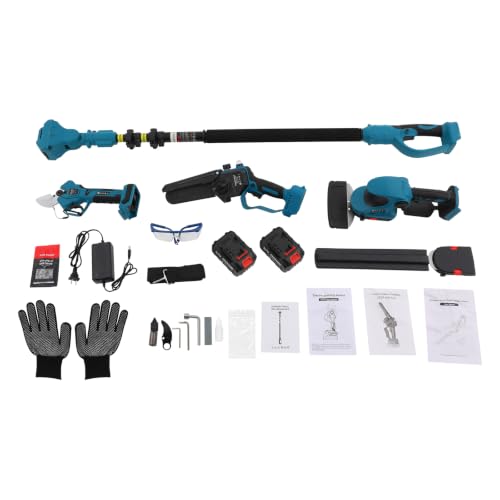
BLACK+DECKER 20V MAX Cordless Hedge Trimmer, 22-Inch (LHT2220B) – $49.99 A cordless trimmer sized for the 3/4-inch-and-under branch work this guide covers — the 22-inch dual-action blade handles routine hedge shaping without the fuel, noise, or extra risk of a chainsaw.
|
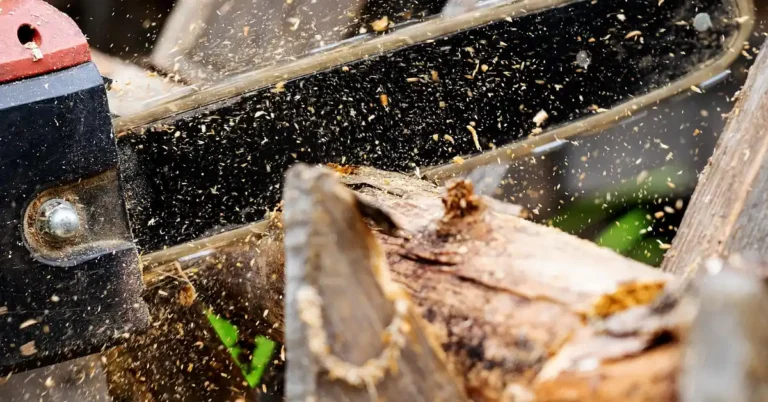
A hedge trimmer’s blade oscillates back and forth, the same cutting action as a reciprocating saw — it slices anything thin enough to fit between the notched teeth. A chainsaw’s chain moves continuously around the bar, closer to how a band saw works, ripping through material as the teeth pass over it. That difference is why a chainsaw is overkill on thin, springy hedge growth: instead of slicing cleanly, the chain can shove a thin branch out of the way before it cuts.
As a practical line: hedge trimmers handle branches up to about 3/4 inch thick. Past that, you need a chainsaw’s continuous-chain cutting action to get through the wood without stalling or bogging down.
📊 A chainsaw’s continuous chain often pushes small, thin branches aside rather than cutting them — Source: Hunker, Chain Saw vs. Hedge Trimmers
Design and Features
Hedge trimmers are built for shaping hedges and shrubs with precision. Chainsaws are heavier-duty tools built for cutting large branches and felling trees. Each is designed around the job it’s meant to do, not as a general-purpose substitute for the other.
Hedge Trimmer Characteristics
Hedge trimmers are light, with long dual-action blades built for straight, even cuts across a hedge face. Electric models are quieter and simpler to start; gas models are heavier but cut through denser growth. Most have a hand guard near the blade and an adjustable rear handle so you can angle the tool for vertical or horizontal cuts without twisting your wrist.
Chainsaw Design Elements
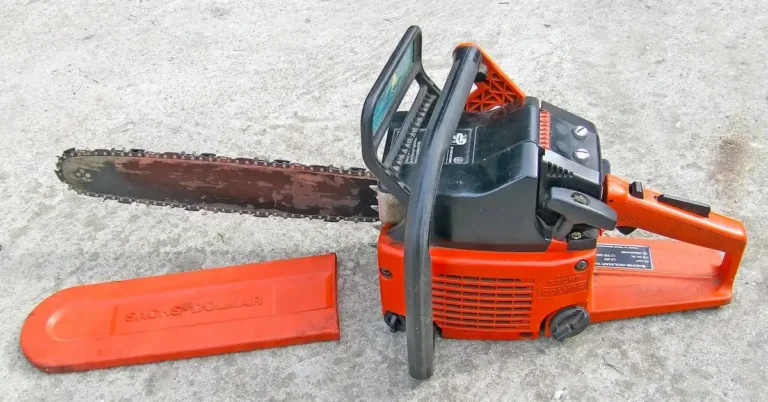
Chainsaws cut through wood quickly using a sharp, fast-moving chain around a guide bar. Gas chainsaws are louder but handle heavier work for longer stretches; electric and battery models are quieter and lighter, better suited to occasional homeowner use. A chain brake and bar guard are standard safety features, but they don’t replace paying attention — chainsaw handle design matters for keeping both hands in control through a cut.

Power and Performance
Hedge trimmers come as corded electric, battery, or gas. Corded electric models are light but tethered to an outlet. Battery models are cordless and convenient for small-to-medium yards, at the cost of run time. Gas trimmers cut through thicker, denser growth but are louder and heavier to hold overhead.
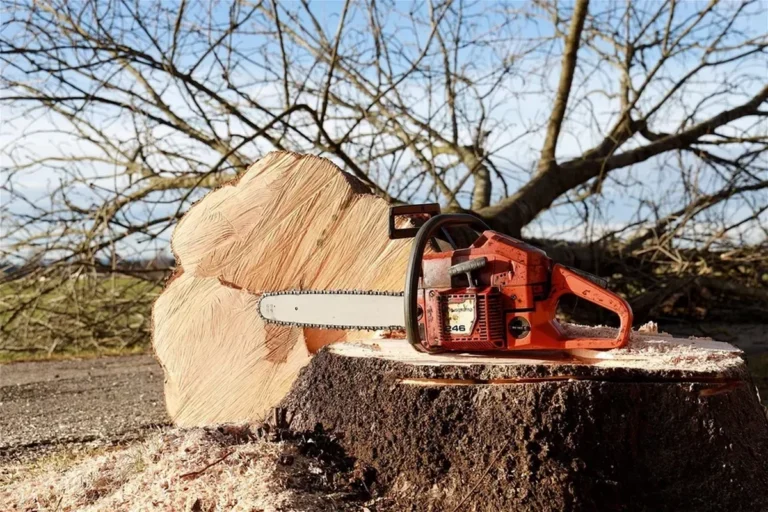
Chainsaw power scales with bar length and engine size: a longer bar cuts a wider log in one pass, and a bigger engine keeps the chain from bogging down in dense or wet wood. Gas chainsaws remain the standard for heavy felling and firewood; battery chainsaws now handle most homeowner-scale pruning and small tree work without the mixed-fuel hassle.
When to Use Both Tools Together
For a badly overgrown hedge, the two tools aren’t really competing — they’re sequential. Use the chainsaw first to knock the hedge down to roughly the height and depth you want, cutting through the thick, woody interior branches a trimmer can’t touch. Then switch to the hedge trimmer to square off the face and even out the surface for a clean, finished look.
Going straight at an overgrown hedge with only a trimmer means fighting branches it isn’t rated for. Going at light shaping work with only a chainsaw means a rough, uneven face and a real risk of tearing branches instead of cutting them.
Safety Considerations
For a hedge trimmer: wear gloves and eye protection, keep fingers clear of the blade, and confirm the area is clear of people, pets, and buried cords before starting. Unplug it or remove the battery any time you’re not actively cutting, and inspect the blade for damage before each use.
For a chainsaw: add a helmet with a face screen and hearing protection to the gloves and eye protection above. Always run it with both hands, keep the chain sharp (a dull chain is more likely to kick back, not less), and maintain a clear stance and safe distance from anyone else nearby.
Ease of Use
Hedge trimmers are lighter and more forgiving to learn on — the controls are simple, and there’s little kickback risk since the blade only cuts what fits between its teeth. Chainsaws take more practice: starting one (especially a gas model’s pull cord), managing vibration over a long cut, and reading the wood to avoid pinching the bar all take real repetition to get comfortable with.

Maintenance and Durability
Hedge trimmer upkeep is simple: wipe the blades after use, add a drop of blade oil to prevent rust, and check for loose screws periodically. Battery models need normal battery care; electric models need the cord inspected for nicks.
Chainsaws need more attention: a sharp chain, a clean air filter, correct bar oil level, and a spark plug in good condition on gas models. Skipping chain sharpening is the single biggest cause of poor cuts and kickback risk on an otherwise healthy saw.
Cost Comparison
A decent hedge trimmer runs about $50 to $150; battery models sit at the higher end once you add a battery and charger. They need less ongoing maintenance, which keeps the total cost of ownership down.
Chainsaws start around $100 for a basic electric or small battery model and run past $500 for a serious gas saw. Gas models add ongoing costs for fuel, bar oil, and chain sharpening or replacement that a hedge trimmer simply doesn’t have.
Environmental Impact
Electric and battery hedge trimmers produce no direct emissions and run quiet enough for close-in neighborhood use. Gas chainsaws are the louder, higher-emission option of the two tools, which matters most for extended felling or firewood work rather than occasional trimming. Choosing a battery or electric option where the job allows it cuts both noise and fuel use without giving up much capability for typical yard work.
The cutting action of a hedge trimmer is similar to a reciprocating saw, while a chainsaw’s cutting action is closer to a band saw — which is exactly why a chainsaw can shove a thin branch aside instead of slicing through it.
Hunker, Chain Saw vs. Hedge Trimmers
Frequently Asked Questions
Can I use a chainsaw as a hedge trimmer?
Not for regular shaping. A chainsaw’s continuous chain lacks the precision of a trimmer’s oscillating blade and can tear or push aside the thin branches a hedge is made of. Save the chainsaw for taking an overgrown hedge down to height first, then switch to a trimmer for the actual shaping.
Can I use a hedge trimmer to cut tree branches?
Only up to about 3/4 inch thick. Beyond that, a hedge trimmer’s blade stalls or gets damaged trying to cut through wood it isn’t rated for. Use a chainsaw or pruning saw for branches thicker than that.
What’s the difference between a chainsaw and a hedge trimmer?
A chainsaw’s chain moves continuously around a bar, similar to a band saw, and is built for cutting through wood like trees, logs, and thick branches. A hedge trimmer’s blade oscillates back and forth, similar to a reciprocating saw, and is built for slicing thin hedge growth precisely.
What’s the best tool for an overgrown hedge?
Use both, in sequence. Start with a chainsaw to remove the thick woody growth and bring the hedge down to roughly the height you want, then finish with a hedge trimmer to square off the face and even out the surface.
Conclusion
Hedge trimmers and chainsaws aren’t really competing tools — they cut differently and handle different branch sizes. Stay under 3/4 inch and use a trimmer; go bigger and reach for a chainsaw. For a truly overgrown hedge, use the chainsaw to bring it down first, then the trimmer to finish the shape.
Sponsored / affiliate links. As an Amazon Associate I earn from qualifying purchases. I may earn additional commission from eligible campaigns.