Which Way Does a Chainsaw Blade Go? Chain Direction Guide
On a chainsaw, the cutting teeth on the top of the bar must point toward the bar tip. If they point back toward the engine or motor, the chain is on backward and the saw will not cut the way it should.
That one rule works on every saw, from a battery pruner to a big firewood saw. This guide shows how to check it in a few seconds, why people argue about “clockwise,” and how to fit a chain so it goes on the right way round the first time. The fitting steps follow the published instructions from STIHL, Husqvarna and Oregon, and your own saw manual always takes priority.
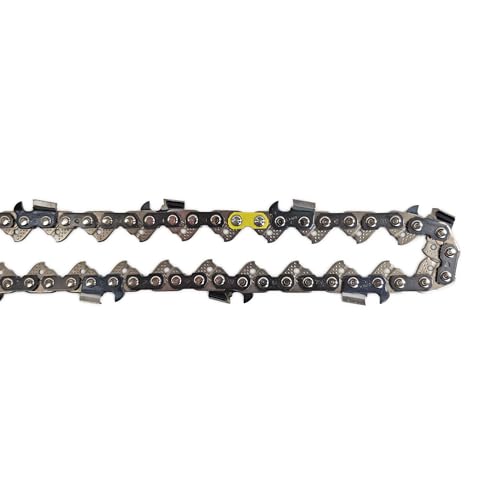
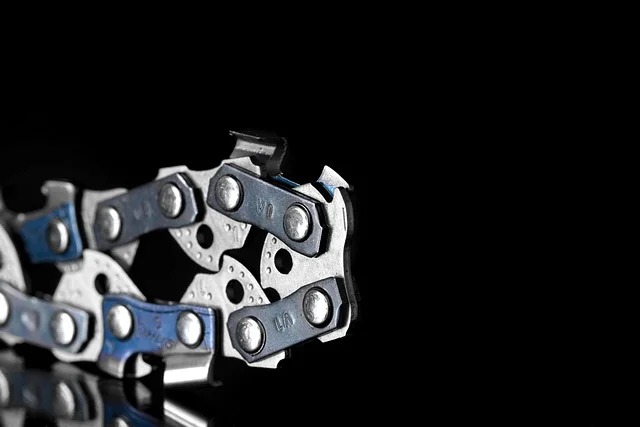
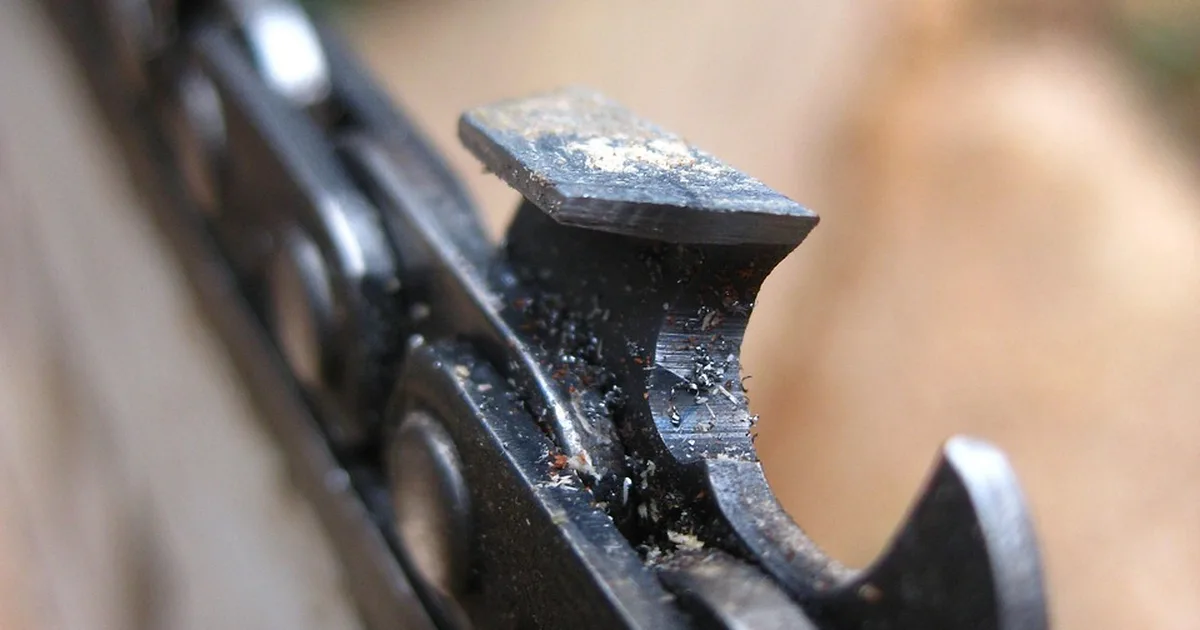
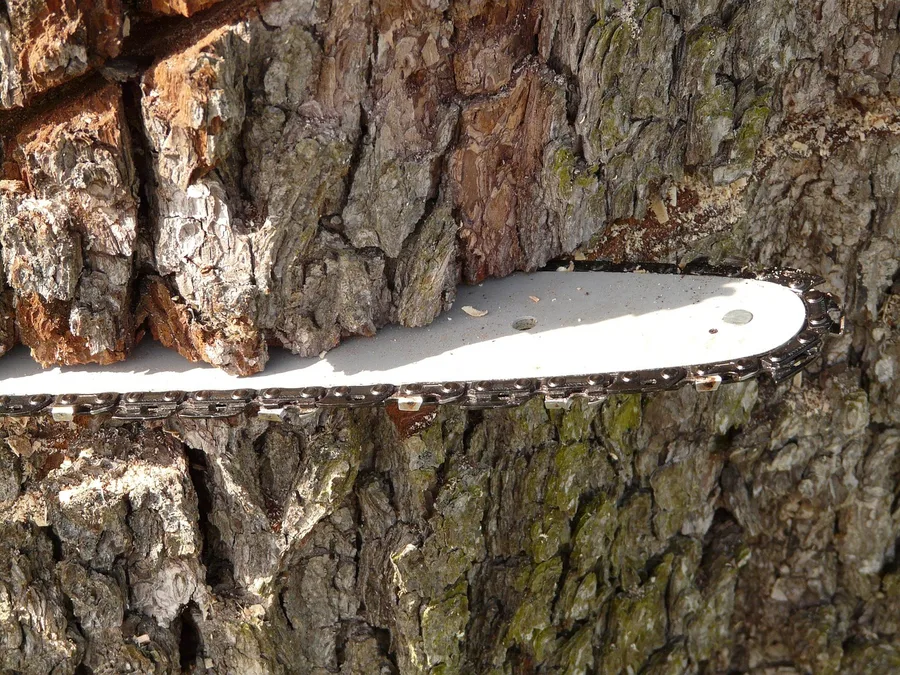
Top cutters face the bar tip. The chain runs out along the top of the bar, around the nose, and back along the bottom toward the saw body. A backward chain has its top cutters facing the engine.
Which Way the Chain Goes on a Chainsaw Bar
Best 18-Inch Replacement Chain Pick
 |
Oregon Chainsaw Chain for 18″ Bar, 3/8″ LP, .050″ Gauge, 62 Drive Links – $28.02 A replacement chain is the moment most people install one backward, so a chain that matches your bar spec is the right thing to have on the bench before you start.
|
Picture the chain as a loop. The drive sprocket behind the clutch cover pulls it, so the chain leaves the saw body along the top of the bar, travels around the nose, and returns along the underside. A cutter always points the way it is traveling, which means the same cutter faces the tip on the top run and faces the powerhead on the bottom run. That bottom run is why a chain can look “wrong” when you only glance at the underside.
| Where you look | Which way the cutters face | What it means |
|---|---|---|
| Top run of the bar | Toward the bar tip | Correct. This is the position you check before every start |
| Around the nose | Following the curve of the bar | Cutters turn with the chain, nothing to fix |
| Bottom run of the bar | Back toward the powerhead | Normal for the return run, not a sign of a backward chain |
| Link arrows (if stamped) | In the direction of rotation | STIHL says the arrows on the connecting links should point the way the chain turns |
Why “clockwise” confuses people
Many guides say a chain runs clockwise. That is only true from one side. Stand so the bar points to your right and the chain does travel clockwise. Turn the saw around so the bar points left and the same chain is now traveling counterclockwise. STIHL avoids the trap by describing it in terms of the bar: when fitting, the cutting edges on the top of the bar point toward the tip. Use that top-of-the-bar check, not the clock.
3 Ways to Check Chainsaw Chain Direction
- Look at the top run. Set the saw on its side with the bar pointing away from you. The top cutters should face the tip, with the hooked cutting edge leading.
- Check the link arrows. Some chains carry arrows on the links. Per STIHL, they must point in the direction of rotation, so on the top run they point toward the tip.
- Find the depth gauge. The shorter depth gauge sits ahead of each cutter in the direction of travel, so on the top run the gauge is closer to the tip than the cutter it belongs to.
Run all three if you are unsure. They should agree. If they do not, take the chain off and refit it rather than guessing.
Signs the Chain Is on Backward
A backward chain drags the rounded backs of the cutters across the wood instead of biting with the cutting edge. In practice that usually shows up as the saw refusing to pull itself into the cut, a lot of fine dust where you expect chips, and heat building up in the bar and chain. If you notice any of that on a freshly fitted chain, stop, apply the chain brake, and check direction before anything else. We cover the symptoms in more depth in our guide on what happens when a chainsaw chain goes on backwards.
Do not keep cutting “just to see.” A saw that is not cutting cleanly invites you to push harder, and pushing a poorly cutting saw is how control is lost.
How to Put a Chainsaw Chain On the Right Way
These steps combine the published guidance from STIHL, Husqvarna and Oregon. Model details differ (side-mounted, front, or tool-free tensioners), so follow the manual for your exact saw.
- Make the saw safe. Switch off the engine, or remove the battery or unplug an electric saw, and apply the chain brake. STIHL also says to wear sturdy work gloves because the cutters are sharp even when the saw is off.
- Back off the tensioner and remove the cover. Slide the old chain and bar off the studs. If the new chain will not fit later, the usual cause is a tensioner that was not fully backed off.
- Seat the bar. Husqvarna advises sliding the bar onto the studs as close to the drive sprocket as it will go, fully seated on the bar mount.
- Lay the chain around the bar groove with the top cutters facing the tip. Check the link arrows if your chain has them, then loop the drive links around the sprocket.
- Refit the cover and tension. Lift the bar tip and turn the tensioner until the chain sits snug on the underside of the bar. STIHL gives about 1 to 2 mm between chain and bar for its quick-tensioning models, so check your manual for your saw.
- Do the snap test. Oregon says to pull a drive link or two out from the underside of the bar and release it; a correctly tensioned chain should snap straight back, and it should also pull freely along the top of the bar with a gloved hand.
- Tighten the bar nuts and recheck direction. Take one last look at the top run before you start the saw.
Re-check tension after the first cuts
New chains stretch while they bed in. Oregon says to check tension regularly during the first half hour of use, and to let the saw cool before readjusting if the chain loosens. Husqvarna similarly recommends rechecking after first use. Tensioning a hot chain leaves it too tight once it cools.
Quick Troubleshooting
| What you notice | Likely cause | What to do |
|---|---|---|
| Saw will not pull into the cut, fine dust only | Chain on backward, or very dull cutters | Check the top run direction first, then sharpness |
| Chain will not turn by hand | Chain too tight, or brake still applied | Release the brake, back off tension slightly and retry |
| Chain sags below the bar | Too loose, or a new chain stretching | Re-tension (cool saw), then recheck during the first half hour |
| Chain will not fit around the bar and sprocket | Tensioner not fully backed off, or wrong chain spec | Back the tensioner off fully and confirm pitch, gauge and drive-link count |
Direction matters when sharpening too. Our walkthrough on sharpening a STIHL chainsaw chain and the guide to which file size fits which chain cover that side, and our 28-inch chainsaw bar article is useful if you are matching a longer bar.
Frequently Asked Questions
Which way does a chainsaw blade go?
On the top of the bar, the cutting teeth point toward the bar tip. The chain runs out along the top, around the nose, and back along the bottom toward the saw body. If the cutters on top point back toward the engine or motor, the chain is on backward.
What is the correct chainsaw chain direction?
The cutters on the top run of the chain face the bar tip. STIHL and Husqvarna both describe it this way, and STIHL adds that the arrows on the connecting links should point in the direction of rotation.
What is the correct way to put a chain on a chainsaw?
Switch the saw off (or remove the battery), apply the chain brake, wear gloves, fit the bar, seat the drive links over the sprocket and in the bar groove with the top cutters facing the tip, refit the cover, then tension until the chain sits snug on the bar and snaps back when lifted.
Does a chainsaw turn clockwise or counterclockwise?
It depends on which side you look from. With the bar pointing to your right, the chain travels clockwise. With the bar pointing left, it travels counterclockwise. The side-independent rule is that the cutters on the top run face the bar tip.
How do I know if my chainsaw chain is on backward?
Check the top of the bar. If the cutters face the powerhead instead of the tip, the chain is backward. A backward chain tends to throw fine dust instead of chips and cuts poorly or not at all.
What direction do you file a chainsaw chain?
File each cutter from the inside of the curve toward the outside, in the direction the cutter faces, holding the file at the angle marked on your file guide or in your manual. Use the file diameter that matches your chain pitch.
Conclusion
Top cutters toward the tip is the only rule you need. Check it before every start, confirm with the link arrows or the depth gauge if you like, and keep the chain brake applied while you work on the saw. If the saw does not cut cleanly right after a chain change, assume direction or tension first.
Chain saws are dangerous tools. Treat this as a general guide, follow your own saw manual, and if you are unsure, have a dealer fit the chain.
Sponsored / affiliate links. As an Amazon Associate I earn from qualifying purchases. I may earn additional commission from eligible campaigns.