How Do You Cut Rocks: Expert Techniques Unveiled
To cut rocks, use a diamond saw or a chisel and hammer. Always wear safety gear to protect yourself.
Cutting rocks requires the right tools and techniques to achieve clean results. Whether you’re shaping stones for landscaping or creating art pieces, understanding the process is crucial. Various methods exist, including using power tools like diamond saws or traditional techniques like chiseling.
Each method offers unique advantages depending on the type of rock and desired outcome. Safety precautions are essential, as rock cutting can produce sharp fragments and dust. By following the correct procedures, you can effectively transform raw stones into beautiful, usable pieces. This guide will explore essential tips and methods for successfully cutting rocks, ensuring you achieve the best results.
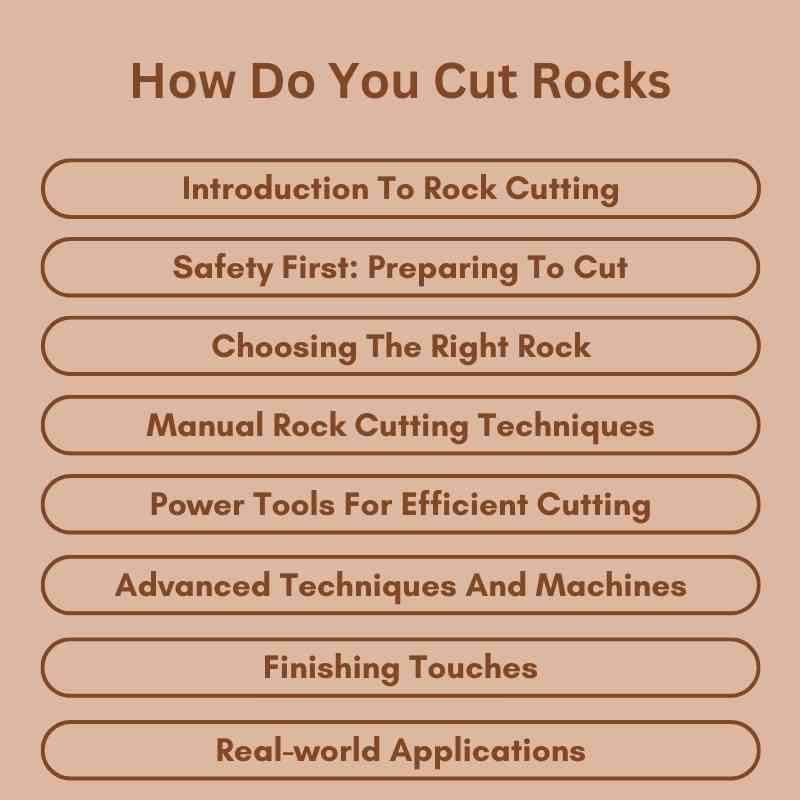
Introduction To Rock Cutting
Cutting rocks is an essential skill for many projects. It allows you to shape and refine stones for various uses. Whether for landscaping, jewelry, or construction, knowing how to cut rocks can enhance your creativity. This guide covers the reasons for cutting rocks and the tools needed to do it effectively.
Why Cutting Rocks?
Cutting rocks offers several advantages:
- Customization: Shape rocks to fit your specific needs.
- Improved Aesthetics: Create beautiful designs for art or landscaping.
- Practicality: Prepare stones for construction or repairs.
- Cost-Effective: Save money by using raw stones instead of processed materials.
Learning to cut rocks opens up many creative possibilities. It can also help you develop a new hobby or skill.
Tools You’ll Need
Gathering the right tools is crucial for successful rock cutting. Here is a list of essential tools:
| Tool | Purpose |
|---|---|
| Diamond Blade Saw | For precise cuts on hard stones. |
| Chisel and Hammer | For shaping and breaking rocks. |
| Angle Grinder | For grinding and smoothing edges. |
| Water Hose | To cool down tools and reduce dust. |
| Safety Gear | Protect eyes, ears, and hands while cutting. |
Having the right tools makes the cutting process safer and easier. Always prioritize safety while working.
Safety First: Preparing To Cut
Cutting rocks can be exciting and rewarding. Proper safety measures are essential. Prepare your workspace and yourself. This ensures a safe experience.
Protective Gear
Wearing the right protective gear is crucial. This gear protects you from flying debris and dust.
- Safety Goggles: Protect your eyes from dust and chips.
- Face Mask: Prevent inhaling harmful dust particles.
- Gloves: Keep your hands safe from sharp edges.
- Ear Protection: Reduce noise from cutting tools.
- Steel-Toed Boots: Protect your feet from heavy rocks.
Setting Up Your Workspace
A well-organized workspace enhances safety and efficiency. Follow these steps to set up:
- Choose a flat, stable surface.
- Ensure good lighting in the area.
- Keep tools and rocks within reach.
- Clear away any clutter or obstacles.
- Have a first aid kit nearby.
Maintain a clean space. Remove dust and debris regularly. This prevents accidents.
Choosing The Right Rock
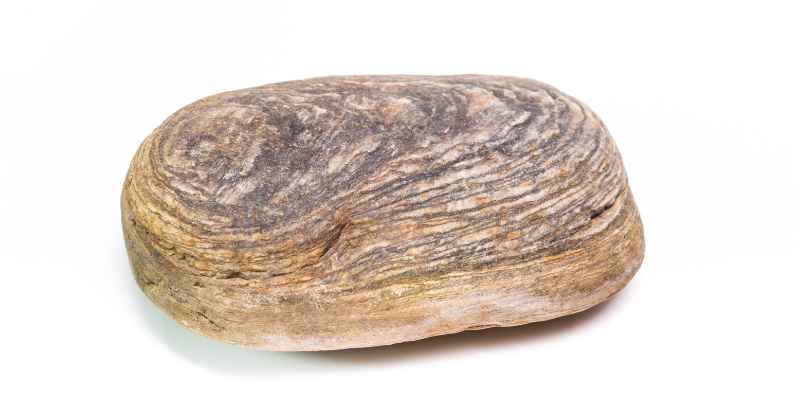
Choosing the right rock is vital for successful cutting. Some rocks are easier to cut than others. Understanding the types of rocks helps in making the right choice. Inspecting for flaws ensures quality results.
Types Of Rocks Suitable For Cutting
Several types of rocks are suitable for cutting. Here are some popular options:
| Rock Type | Characteristics | Uses |
|---|---|---|
| Granite | Hard, durable, and fine-grained | Countertops, monuments |
| Marble | Soft, easily polished, and veined | Statues, flooring |
| Slate | Thin layers, easy to split | Roofing, flooring |
| Soapstone | Soft, easy to carve | Countertops, sculptures |
Inspecting Rocks For Flaws
Inspecting rocks helps identify defects. Flaws can ruin cutting efforts. Here are key points to check:
- Cracks: Look for visible cracks on the surface.
- Color Consistency: Check for even coloring throughout.
- Texture: Ensure the texture is uniform.
- Weight: Heavier rocks often indicate better density.
Choosing the right rock requires careful inspection. Take your time to assess each piece. Quality rocks make cutting easier and more rewarding.
Manual Rock Cutting Techniques
Cutting rocks by hand can be an art form. It requires skill, patience, and the right tools. Manual techniques provide control over the cutting process. They are often preferred for precision projects. Here are two popular methods for cutting rocks manually.
Using Chisels And Hammers
Chisels and hammers are classic tools for rock cutting. They allow for precise shaping and detailing. Follow these steps for effective rock cutting:
- Select the Right Chisel: Choose a chisel based on rock hardness.
- Mark the Cutting Line: Use chalk or a pencil.
- Position the Chisel: Place it on the marked line.
- Strike with a Hammer: Use firm, controlled hits.
- Check Progress: Regularly inspect your work.
- Repeat as Needed: Continue until the rock splits.
This method requires practice. Different rocks may need different chisels. A pointed chisel works best for hard rocks. A flat chisel is great for softer stones.
The Art Of Score And Snap
The score and snap method is simple yet effective. It involves creating a score line and breaking the rock along it. Here’s how to do it:
- Choose a Suitable Rock: Ensure it’s not too thick.
- Score the Surface: Use a carbide-tipped scorer.
- Apply Pressure: Use your hands or a board.
- Snap the Rock: Bend it gently along the score line.
This technique is popular for cutting tiles and small stones. It requires less physical effort than chiseling. Practice makes it easier to achieve clean breaks.
Power Tools For Efficient Cutting
Cutting rocks can be tough. Using the right power tools makes it easier. These tools save time and energy. They help achieve clean cuts and precise shapes.
Wet Saws: A Game Changer
Wet saws are essential for cutting rocks. They use water to cool the blade. This prevents overheating and reduces dust. Here are some key features:
- Precision: Cuts are straight and accurate.
- Safety: Water minimizes flying debris.
- Versatility: Suitable for tiles, granite, and more.
Choose a wet saw with adjustable speed. This allows control over cutting depth. Consider the blade size too. Larger blades handle thicker rocks.
Drills And Grinders
Drills and grinders are also important tools. They serve different purposes in rock cutting:
| Tool | Purpose | Best Use |
|---|---|---|
| Drill | Make holes in rocks | For anchors and fittings |
| Grinder | Shape and smooth edges | For finishing touches |
Use diamond drill bits for hard rocks. They cut through tough materials easily. Angle grinders can reshape stone surfaces. Always wear safety gear while using these tools.
Advanced Techniques And Machines
Cutting rocks has evolved significantly. Advanced techniques and machines offer precise, efficient methods. These technologies cater to various needs, from artistic designs to industrial applications.
Laser Cutting Rocks
Laser cutting is a modern technique. It uses focused light beams to slice through rocks.
- Precision: Laser cutting achieves intricate designs.
- Speed: Cuts are made quickly, reducing processing time.
- Minimal Waste: The process generates less scrap material.
Laser cutting is ideal for:
- Creating detailed sculptures.
- Making custom tiles.
- Producing unique jewelry pieces.
Laser systems can handle various rock types, including:
| Rock Type | Suitability |
|---|---|
| Granite | Excellent |
| Marble | Good |
| Limestone | Moderate |
Water Jet Cutters
Water jet cutting is another advanced method. It uses high-pressure water mixed with abrasives. This technique is effective for various rock materials.
- Versatility: Works on hard and soft rocks.
- No Heat Affected Zone: Prevents thermal damage.
- Environmentally Friendly: Uses water and natural abrasives.
Water jet cutters excel in:
- Creating complex shapes.
- Cutting thick materials.
- Minimizing dust and debris.
This technique can cut through rocks like:
| Rock Type | Efficiency |
|---|---|
| Slate | High |
| Basalt | Very High |
| Soapstone | Good |
Finishing Touches
After cutting rocks, the final steps enhance their appearance. Proper finishing makes your rocks look polished and professional. This section covers two key processes: smoothing edges and polishing your rock.
Smoothing Edges
Smoothing edges is essential for safety and aesthetics. Sharp edges can cause injuries. Here are some effective methods:
- Sandpaper: Use coarse to fine grit sandpaper.
- File: A metal or diamond file works well.
- Angle Grinder: For larger rocks, use an angle grinder.
Start with coarse grit to remove rough edges. Gradually move to finer grits. This process ensures a smooth finish. Always wear protective gear while working.
Polishing Your Rock
Polishing brings out the natural beauty of the rock. It adds shine and depth. Follow these steps for effective polishing:
- Clean the Rock: Remove dust and debris.
- Apply Polish: Use a rock polish or compound.
- Buff the Surface: Use a soft cloth or buffing wheel.
- Repeat as Needed: For extra shine, repeat the buffing.
Polishing enhances colors and patterns. A well-polished rock looks stunning. Your finished rock will impress everyone.
Real-world Applications
Cutting rocks has many practical uses. Two prominent applications are in jewelry making and landscaping. Each of these areas showcases the beauty and functionality of cut rocks.
Jewelry Making
Jewelry making is a popular application of cut rocks. Here, gemstones and other rocks transform into beautiful adornments. The process involves various techniques to shape and polish stones.
- Gem Cutting: Experts cut gemstones into specific shapes.
- Polishing: Smooth surfaces make stones shine.
- Setting: Stones are placed in metal settings for jewelry.
Commonly used stones include:
| Stone Type | Color | Hardness |
|---|---|---|
| Diamond | Clear | 10 |
| Ruby | Red | 9 |
| Sapphire | Blue | 9 |
| Emerald | Green | 8 |
Using cut rocks in jewelry not only enhances appearance but also adds value. Unique designs attract buyers and collectors.
Landscaping With Cut Rocks
Landscaping utilizes cut rocks to create stunning outdoor spaces. They enhance gardens, pathways, and patios. Landscapers choose different types of rocks for various effects.
- Decorative Stones: Used for flower beds and borders.
- Pathway Stones: Provide durable walking surfaces.
- Retaining Walls: Help manage slopes and prevent erosion.
Benefits of using cut rocks in landscaping include:
- Low maintenance required.
- Natural beauty enhances property value.
- Versatile for various design styles.
Cut rocks provide a timeless look. They blend well with nature and create lasting outdoor structures.
Frequently Asked Questions
How Can I Cut Rocks At Home?
Cutting rocks at home requires specific tools. You can use a diamond saw or a rock cutter for precision. Always ensure you wear protective gear. For softer stones, a chisel and hammer may suffice. Plan your cuts carefully to avoid wasting material.
What Tools Do I Need To Cut Rocks?
Essential tools include a diamond saw, rock hammer, and chisels. A grinding wheel can also be beneficial for finishing edges. Ensure you have safety gear like goggles and gloves. These tools will help you achieve clean, precise cuts in various rock types.
Is It Safe To Cut Rocks?
Yes, cutting rocks can be safe with precautions. Always wear protective gear to shield yourself from dust and debris. Ensure your workspace is clear and well-lit. Follow all safety guidelines for the tools you use. Taking these steps minimizes the risk of accidents.
What Types Of Rocks Can Be Cut?
Most types of rocks can be cut, including granite, marble, and sandstone. Softer stones like limestone are easier to work with. Ensure you use the right tools for each type. Understanding the rock’s hardness will help you choose the appropriate cutting method.
Conclusion
Cutting rocks can be a rewarding experience. With the right tools and techniques, anyone can achieve great results. Remember to prioritize safety and practice patience. Whether for art, landscaping, or construction, mastering rock cutting opens up endless possibilities. Start your journey and transform rough stones into stunning creations today.