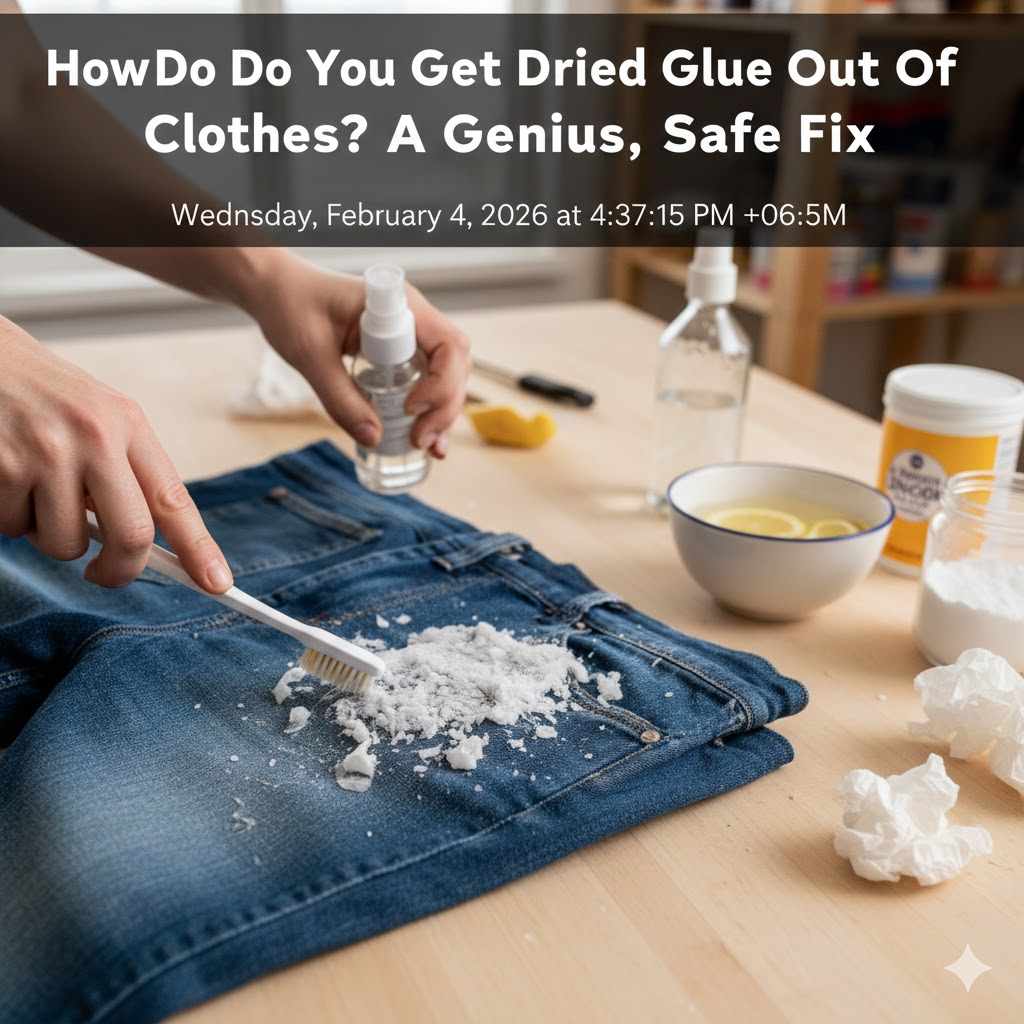
How Do You Get Dried Glue Out Of Clothes? A Genius, Safe Fix
To get dried glue out of clothes, first identify the glue type. For most school or wood glues, soak the area in warm, soapy water and gently scrape. For stronger glues like super glue, test acetone (nail polish remover) on a hidden spot before dabbing the stain. For hot glue, freeze the garment and crack the glue off.
It happens to the best of us. One minute you’re deep in a project, crafting something wonderful. The next, you look down and find a hard, crusty spot of dried glue on your favorite shirt. It feels like a permanent disaster, doesn’t it? That moment of frustration is something every DIY enthusiast and woodworker knows well. But don’t worry, that shirt is not destined for the scrap pile. You have the power to fix this right in your own home.
Getting dried glue out of fabric might seem like a tricky puzzle, but it’s simpler than you think. With a little know-how and the right approach, you can lift that stain without harming your clothes. In this guide, I’ll walk you through the exact steps, from identifying the mess-maker to washing it all away. Let’s get that garment back to looking great.
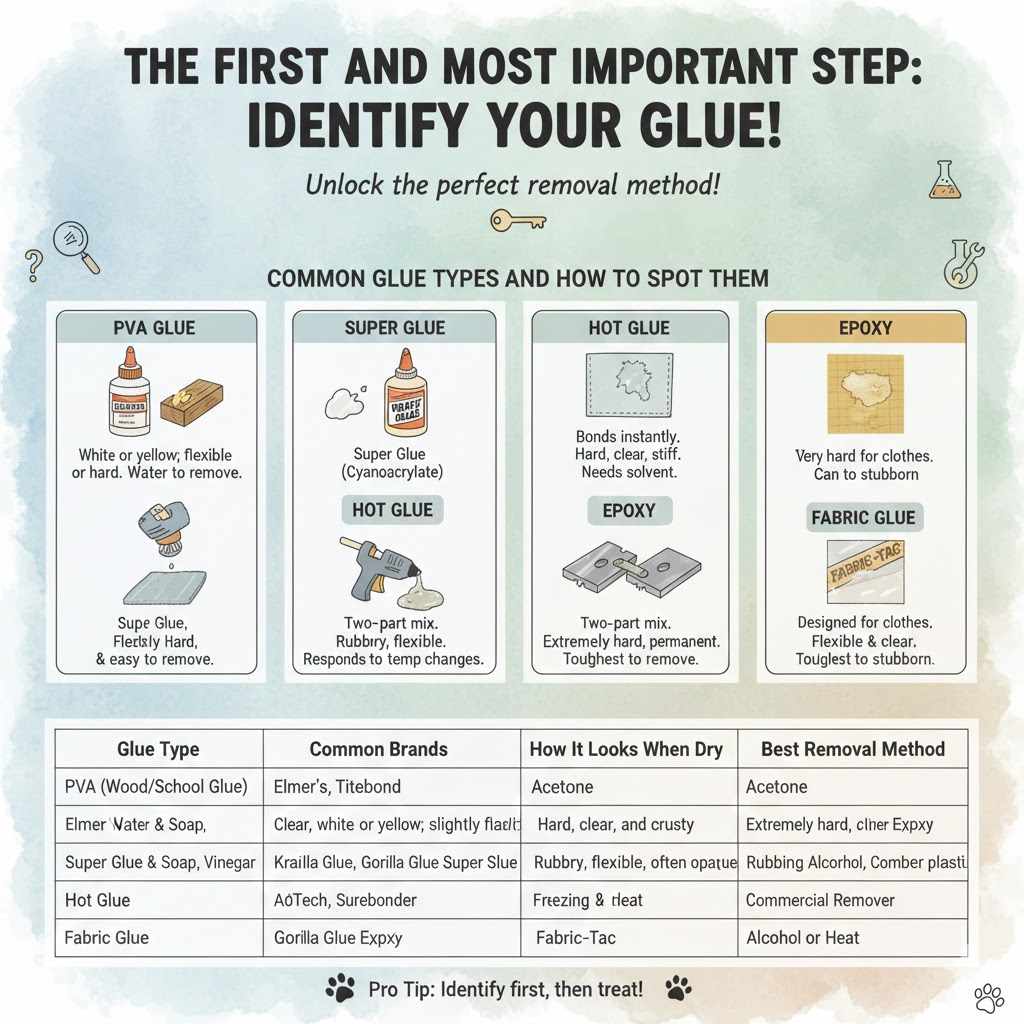
The First and Most Important Step: Identify Your Glue!
Before you grab any cleaner or start scrubbing, take a moment to play detective. The secret to success is knowing what kind of glue you’re dealing with. Different glues have different chemical makeups, which means they respond to different removal methods. Treating a water-based glue with a harsh solvent might be overkill, while trying to wash out super glue with water will only lead to frustration.
Think of it like using the right key for the right lock. Once you identify the glue, you unlock the perfect method to dissolve it without a fight. Below is a quick guide to the most common culprits you’ll find in a workshop or craft room.
Common Glue Types and How to Spot Them
- PVA Glue (Wood Glue, School Glue): This is the classic white or yellow glue many of us use. When dry, it’s usually somewhat flexible if it’s white school glue, or hard and yellowish if it’s wood glue. The great news? It’s water-based, making it the easiest to remove.
- Super Glue (Cyanoacrylate): This glue bonds instantly and dries into a very hard, clear plastic. It creates a stiff, sharp-edged spot on fabric. It doesn’t dissolve in water and needs a specific solvent to break it down.
- Hot Glue: This comes from a glue gun and dries into a rubbery, often opaque or clear, flexible blob. You can usually peel it, but it often leaves a cloudy residue behind. It responds to big temperature changes—both hot and cold.
- Epoxy: This is a two-part adhesive that you mix together. It creates an incredibly strong, hard, and permanent bond. It’s the toughest to remove from fabric and requires a lot of patience.
- Fabric Glue: Designed for clothes, this glue is often flexible and clear when dry. It’s meant to withstand washing, so it can be a bit stubborn, but it often responds to alcohol or heat.
To make it even easier, here’s a table that breaks it down for you at a glance.
| Glue Type | Common Brands | How It Looks When Dry | Best Removal Method |
|---|---|---|---|
| PVA (Wood/School Glue) | Elmer’s, Titebond | Clear, white, or yellow; slightly flexible to hard | Warm Water & Soap, Vinegar |
| Super Glue (Cyanoacrylate) | Krazy Glue, Gorilla Glue Super Glue | Hard, clear, and crusty | Acetone |
| Hot Glue | AdTech, Surebonder | Rubbery, flexible, often opaque | Freezing or Gentle Heat |
| Two-Part Epoxy | J-B Weld, Gorilla Glue Epoxy | Extremely hard, clear, or amber plastic | Rubbing Alcohol, Commercial Remover |
Essential Tools You’ll Need
You won’t need a professional cleaning kit. Most of the tools for this job are probably already in your home. Gather these items before you start so you have everything within arm’s reach.
- A dull knife, spoon, or old credit card for scraping
- Cotton balls or swabs
- Clean, white cloths or paper towels
- A plastic freezer bag
- An iron and an ironing board
- Laundry detergent and stain remover
- Protective gloves (especially for solvents)
The Cleaning Agents
- Warm water and mild dish soap
- White vinegar
- Acetone (100% acetone nail polish remover works perfectly)
- Rubbing alcohol (Isopropyl alcohol)
The Universal Pre-Treatment Steps: Do This First!
No matter what type of glue you’re fighting, these two preliminary steps are non-negotiable. They will protect your clothes from accidental damage and make the entire process much smoother.
1. Scrape Off the Excess
Before you apply any liquid, you want to remove as much of the surface glue as possible. Take your dull knife, the edge of a spoon, or an old credit card and gently pry or scrape off the hardened blob on top of the fabric. Be careful not to tear or pull the fibers. The goal is to lift the bulk of the glue so your cleaning solution can work on the residue that’s seeped into the fabric. Don’t force it; just remove what comes off easily.
2. Always Test on a Hidden Spot
This is the golden rule of stain removal. Whether you’re using acetone, alcohol, or even vinegar, you must test it on a hidden part of the garment first. A great spot is the inside seam or hem. Apply a tiny amount of your chosen cleaner with a cotton swab and wait a few minutes. Check for any color bleeding, fading, or damage to the fabric. If everything looks good, you’re safe to proceed. This simple test can save you from turning a small glue stain into a large, discolored patch. Some synthetic fabrics like rayon and acetate can be damaged by solvents, so never skip this step.
Method 1: The Freezer Trick for Brittle Glues
This surprisingly simple method works like a charm on glues that become brittle when frozen, especially hot glue.
Best for: Hot Glue, some craft glues, and puffy paint.
The science is simple: extreme cold makes the glue contract and harden, causing it to lose its grip on the flexible fabric fibers. This makes it easy to crack and peel away.
- Bag It Up: Place the garment in a plastic bag and seal it. This prevents any condensation or ice from forming directly on the fabric.
- Freeze It: Put the bag in your freezer and leave it for at least an hour. You want the glue to become completely frozen solid.
- Crack and Peel: Once it’s frozen, remove the garment from the bag. The glue should be hard and brittle. Immediately start to crack it with your fingers. Use your dull scraper or a fingernail to get under the edge of the glue and peel it off. It should pop off in large chunks or even one whole piece.
- Clean Up: If a faint, oily-looking spot remains, treat it with a laundry stain remover before washing as usual.
Method 2: The Gentle Heat Method for Melty Glues
Just as cold can work against some glues, heat works against others by softening them and making them transferable.
Best for: Hot Glue, some iron-on adhesive residue.
A word of caution: Never place a hot iron directly onto the glue itself. It will melt into a sticky mess on your iron and potentially spread on the fabric. You must use a barrier.
- Get Your Setup Ready: Lay the garment on your ironing board with the glue stain facing up. Place a clean, white cloth (a piece of an old t-shirt or a pressing cloth works well) directly over the stain.
- Heat the Iron: Set your iron to a medium heat setting with no steam. A high heat can damage some fabrics. Check your garment’s care tag for its heat tolerance.
- Press, Don’t Rub: Press the warm iron onto the cloth directly over the glue spot. Hold it there for 10-20 seconds. The heat will travel through the cloth, softening the glue and causing it to stick to the cloth.
- Lift and Check: Lift the iron and the cloth. You should see some of the glue residue has transferred from your garment to the pressing cloth.
- Repeat: Move a clean section of the cloth over the stain and repeat the process. Continue until no more glue is transferring to the cloth.
- Wash It Out: Once the glue is gone, you may be left with a slight residue. Treat the area with a stain remover and launder as usual.
Method 3: Using Solvents for Tough, Chemical Glues
When you’re facing hardened wood glue, super glue, or epoxy, water alone won’t cut it. You’ll need a solvent to dissolve the chemical bond of the adhesive. Remember to work in a well-ventilated area and always test the solvent on a hidden seam first!
Taming Wood Glue (PVA Glue)
Good old wood glue or school glue is water-based, so it’s fairly easy to tackle even after it dries. You just need to rehydrate it and break it down.
- Soak the Spot: Turn the garment inside out and place the stained area under warm running water. This will help soften the glue from the back.
- Apply a Mild Solution: Mix a few drops of dish soap with warm water. Alternatively, you can use a solution of equal parts white vinegar and water. The mild acidity of vinegar helps dissolve the glue.
- Gentle Scrub: Dip a clean cloth or a soft-bristled brush (like an old toothbrush) into your solution. Gently scrub the stain in a circular motion. You should see the glue start to break up and lift away.
- Rinse and Repeat: Rinse the area with warm water. If some glue remains, repeat the process. Be patient—it may take a couple of rounds.
- Launder: Once the glue is gone, launder the garment as you normally would.
Conquering Super Glue (Cyanoacrylate)
Super glue is a powerful adhesive that requires a powerful solvent: acetone. You can find it in 100% acetone nail polish remover. The Consumer Product Safety Commission notes that products like these should be used with good ventilation. After testing on a hidden area, you can proceed with confidence.
- Place a Barrier: Put a piece of cardboard or a clean, folded cloth inside the garment, directly behind the stain. This prevents the acetone and glue from seeping through to the other side.
- Apply Acetone: Dip a cotton swab or a cotton ball in acetone. Gently dab it onto the dried super glue. Don’t rub, as this can spread the stain. You are aiming to saturate the glue so the acetone can dissolve it.
- Blot and Scrape: As the glue softens, use your dull scraper or a fingernail to gently flake it away. Use a clean cloth to blot the area, lifting the dissolved glue.
- Repeat as Needed: Super glue is stubborn. You will likely need to reapply the acetone and continue scraping and blotting several times. Work patiently from the outside of the stain toward the center.
- Rinse and Wash: Once the glue is completely removed, rinse the area with cool water. Apply a pre-wash stain remover and launder the garment immediately to remove any residual acetone.
Battling Two-Part Epoxy
Dried epoxy is one of the toughest challenges. It’s designed to be permanent, so removal is difficult but not always impossible.
| Solvent Option | Pros | Cons | Best For |
|---|---|---|---|
| Isopropyl Alcohol (99%) | Readily available, less harsh than other chemicals. | May require multiple applications and lots of patience. | Smaller, fresher epoxy stains. |
| Commercial Glue/Goo Remover | Specifically designed to dissolve tough adhesives. | Can contain oily substances that may leave a separate stain to treat. | Stubborn, fully cured epoxy stains. |
| Paint Thinner or Adhesive Remover | Very powerful and effective at dissolving epoxy bonds. | Extremely harsh, can easily damage or discolor many fabrics. Use as a last resort. | Durable work clothes like heavy denim or canvas. |
The process is similar to removing super glue. Apply the solvent, let it sit to soften the epoxy (this may take longer, up to 15-20 minutes), and then gently scrape away the softened material. Be extremely careful and work slowly. Given the strength of epoxy, complete removal is not always guaranteed, especially on delicate fabrics.
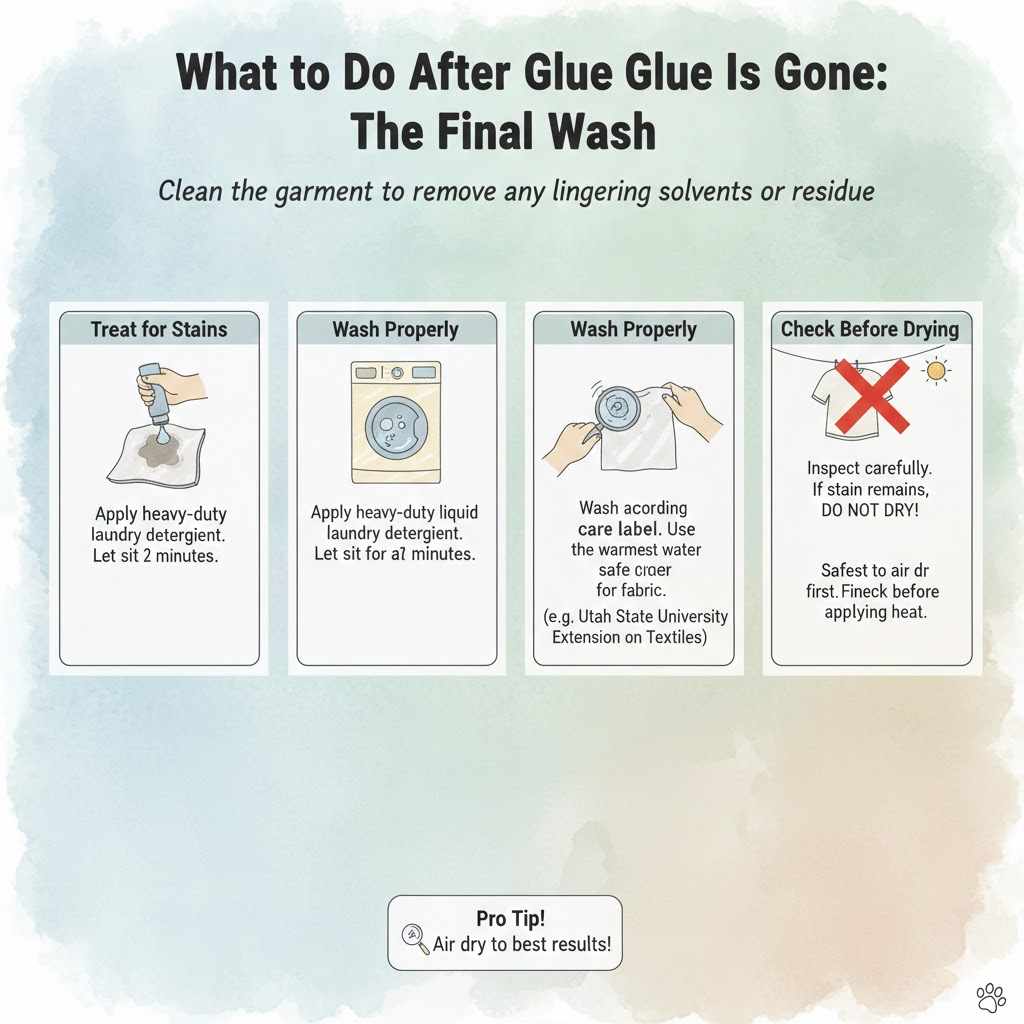
What to Do After the Glue Is Gone: The Final Wash
Removing the glue is only part one. Now you need to clean the garment to remove any lingering solvents or residue.
- Treat for Stains: Apply a small amount of heavy-duty liquid laundry detergent or a pre-wash stain remover directly to the treated area. Let it sit for about 15 minutes.
- Wash Properly: Wash the item of clothing according to the instructions on its care label. Use the warmest water that is safe for the fabric. For information on fabric types and proper care, many university extension programs, like the Utah State University Extension on Textiles, provide excellent resources.
- Check Before Drying: Before you toss the garment in the dryer, inspect the area carefully. Make sure every trace of the glue and any oily residue from the removers is gone. If the stain is still there, do not put it in the dryer! The heat will set the stain permanently. If needed, repeat the removal process again.
- Air Dry: If you’re confident the stain is gone, it’s always safest to let the garment air dry the first time. This gives you one last chance to inspect it in full light before any heat is applied.
FAQ: Your Glue-Removal Questions Answered
1. What’s the best all-purpose glue remover for clothes?
There isn’t a single “best” one because it depends entirely on the glue. However, isopropyl (rubbing) alcohol is a great starting point for many unknown sticky messes because it’s effective on a variety of glues and is generally safer on fabrics than acetone. When in doubt, start with alcohol before moving to stronger options.
2. Can I use rubbing alcohol to remove super glue?
Rubbing alcohol can soften super glue, but it’s not nearly as effective as acetone. If you’re dealing with a very small spot of super glue and don’t have acetone, you can try saturating it with alcohol and scraping patiently. But for a clean, quick result, acetone is the far superior choice.
3. Does vinegar really work on glue stains?
Yes, but primarily on water-based glues like PVA (school or wood glue). The mild acid in white vinegar helps break down and dissolve these types of adhesives. It is not effective on synthetic adhesives like super glue or epoxy.
4. Will acetone bleach my clothes?
Acetone can strip the dye from certain fabrics, especially synthetics like acetate, triacetate, and modacrylic, effectively bleaching or discoloring them. This is why it is absolutely critical to test it on an invisible area like an inside seam before applying it to the stain.
5. How do I get super glue off my skin?
A common related problem! The best way is to use acetone (nail polish remover). Apply a small amount to the area and gently peel or roll the skin apart. You can also try soaking the affected area in warm, soapy water. Don’t ever try to pull your skin apart by force.
6. Can I use a hairdryer instead of an iron for the heat method?
Yes, a hairdryer can be a good alternative. Set it to a medium or high heat setting and aim the hot air at the glue stain. As it softens, you can gently scrape it off. This method can sometimes feel a bit more controlled than using a hot iron, but be careful not to overheat and damage the fabric.
A Final Word of Encouragement
That stray drop of glue doesn’t have to mean the end for your favorite work pants or weekend t-shirt. With a little bit of patience and the right knowledge, you are more than capable of tackling this common workshop mishap. The most important thing you’ve learned today is to identify your opponent—the glue—before you start the battle. From there, you can choose the right tool for the job, whether it’s a trip to the freezer, the gentle warmth of an iron, or the dissolving power of a solvent.
Remember to work carefully, always test your cleaners, and give yourself grace. Every project, even a simple repair like this one, is a chance to learn and build your confidence. Now you can get back to your projects without fear of a little spill. Happy making!