How to Remove Gorilla Glue From Wood Without Damaging the Finish
Acetone or 70% isopropyl alcohol dissolves cured Gorilla Glue on raw wood, but on stained, painted, or lacquered surfaces either solvent can strip the finish along with the glue. Original Gorilla Glue expands 3 to 4 times its volume as it cures, so a thin-looking bead is often a thicker, harder mass underneath. This guide covers safe removal by cure state, the right method for your wood’s finish, and how to fix sanding marks or gouges afterward. (Got glue on a plastic part of the project instead – a handle, a jig, or hardware? See our guide to removing Gorilla Glue from plastic, since plastic needs a different approach than wood.)
What You’ll Need
Best Glue Removal & Repair Kit Pick
Goo Gone Spray Adhesive Remover Gel 12 Oz with Scraper
A citrus-based gel that softens adhesive residue without the fumes or flammability of straight acetone, with a built-in scraper for lifting softened glue.
- Best for: softening residue on finished or painted wood where acetone is too aggressive
- Why we picked it: citrus solvent plus scraper covers both the softening and lifting step in one product
- Main drawback: slower than acetone on fully cured polyurethane foam
Compare more glue removal & repair options
 Option 1 Minwax Stainable Wood Filler 6 oz
|
 Option 2 48-Piece Assorted Grit Sandpaper (120-5000 Grit)
|
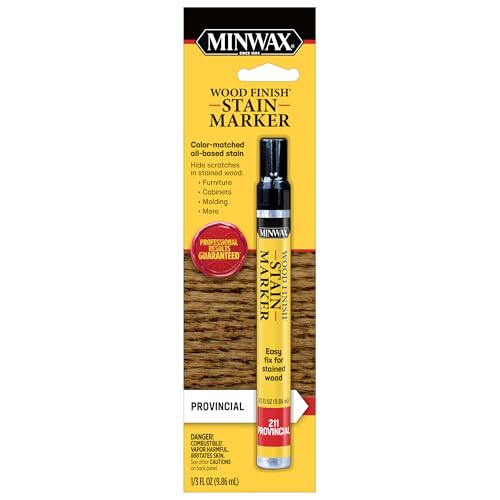
 Option 3 Minwax Wood Finish Stain Marker, Ebony
|
As an Amazon Associate we earn from qualifying purchases.
- Acetone (nail polish remover) or 70%+ isopropyl alcohol
- Clean cotton rags or cotton balls
- A plastic scraper or old credit card (never a metal scraper on finished wood)
- Fine-grit sandpaper, 120 through 220 grit
- Stainable wood filler for gouges
- A stain touch-up marker matching your wood tone
Which Gorilla Glue Formula Are You Removing?
The removal method that works depends on which Gorilla product is on your wood. Original Gorilla Glue is a water-activated polyurethane that foams and expands as it cures — that’s the version covered in this guide. If you’re working with Gorilla Wood Glue (a PVA formula), it softens with warm water instead of solvents. Gorilla Super Glue is a cyanoacrylate that needs acetone specifically, not isopropyl alcohol. Check the bottle or tube if you’re not sure — using a PVA-glue method on cured polyurethane foam (or the reverse) is the most common reason a first attempt fails. If you’re deciding which formula to use for a repair in the first place, Gorilla Wood Glue vs. Titebond covers how the PVA options compare.
Wet or Cured? Why Timing Changes Your Removal Method
Original Gorilla Glue reaches handling strength in 1 to 2 hours and full cure in about 24 hours (source: Gorilla Glue product specifications). Within the first 15 minutes it’s still workable: blot it with a dry cloth first — do not add water, since water is what activates the polyurethane and can spread the reaction instead of stopping it. Once blotted, a cloth dampened with 70%+ isopropyl alcohol will lift the rest before it sets. For more on cure timing across Gorilla’s product line, see how long Gorilla Glue takes to cure and how long it takes to set.
Removing Fully Cured, Hardened Residue
After 24 hours the glue is fully cured and has already expanded, so it usually sits slightly proud of the wood surface rather than flush with it. Trying to sand it flush at this stage just spreads dust and clogs sandpaper. Chip away the bulk first, then use solvent only on what’s left:
- Use a plastic putty knife or scraper to chip away the raised glue, angling the blade under the edge of the foam rather than straight down into the wood.
- If it won’t budge, warm the residue with a hairdryer on low heat for 20 to 30 seconds — heat softens cured polyurethane enough to lift with the scraper.
- Once the bulk is off, dampen a cloth with acetone or isopropyl alcohol and rub the remaining thin residue until it lifts.
- Repeat the heat-then-scrape step on any stubborn spots rather than pressing harder with the scraper, which is what causes gouges.
Why Gorilla Glue Is Hard to Remove From Wood
Gorilla Glue’s strength comes from the same property that makes it a pain to remove: the polyurethane penetrates into open wood grain before it foams, so it isn’t just sitting on the surface the way tape residue does. It’s used for furniture repairs, cabinet assembly, and general wood crafts because that grain penetration creates a joint that’s often stronger than the wood itself — which is also why scraping too aggressively risks tearing wood fibers along with the glue. See how strong Gorilla Glue’s bond actually is for the full breakdown.
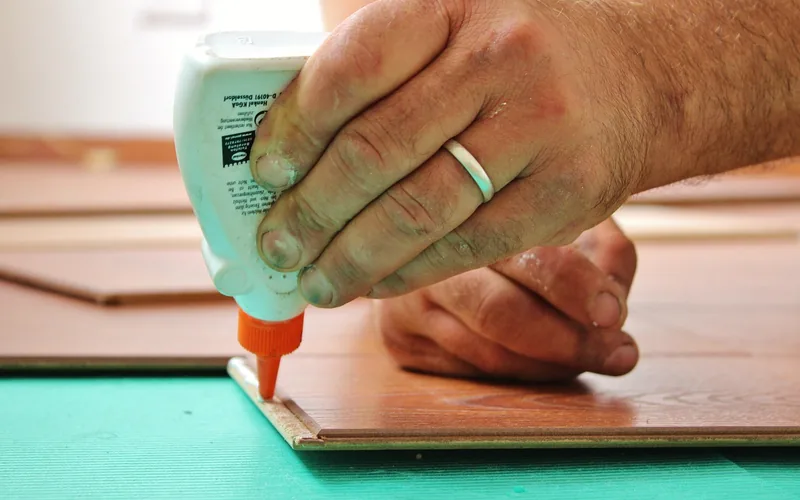
Safe and Effective Removal Methods
Mechanical Removal
Mechanical removal — scraping, then sanding — is the safest starting point on any wood surface because it doesn’t introduce a solvent that could react with a finish. Start with a plastic scraper, never metal, since metal edges gouge wood far more easily than they lift cured glue.
Chemical Solvents
Chemical solvents dissolve what scraping leaves behind. Acetone works fastest on cured polyurethane foam, but it’s also an ingredient in commercial lacquer thinner — on a finished surface it can soften or strip the topcoat in seconds. Isopropyl alcohol at 70% or higher is slower but noticeably gentler on most finishes, which is why it’s the better first attempt whenever the wood isn’t bare.
📊 Original Gorilla Glue reaches full cure in about 24 hours and expands 3 to 4 times its original volume as it foams. — Source: Gorilla Glue (gorillatough.com) product specifications
“Acetone strips a lacquer or shellac finish almost as fast as it dissolves the glue itself — if there’s any topcoat on the wood, I always test a hidden inch first before wiping the actual spot.”
Is Your Removal Method Safe for Your Wood’s Finish?
The right removal method depends as much on what’s on the wood as on the glue itself. Use this table to match your surface to a safe starting method before reaching for any solvent:
| Wood Surface | Safest Method | What to Avoid |
|---|---|---|
| Raw or unfinished wood | Acetone or isopropyl alcohol, then sand 120–220 grit | Excess water — it raises the grain |
| Stained wood (no topcoat) | Isopropyl alcohol first; acetone only if needed, tested in a hidden spot | Leaving acetone on the surface more than a few seconds |
| Painted or lacquered wood | Mechanical scraping plus warm soapy water | Acetone — it’s a lacquer-thinner ingredient and will lift the finish |
| Softwood (pine, cedar) | Light scraper pressure, heat before force | Pressing hard while scraping — softwood gouges easily |
| Hardwood (oak, walnut) | Scrape and sand with the grain | Sanding across the grain — it leaves visible cross-scratches |
Restoring Wood After Glue Removal
Sanding and Refinishing
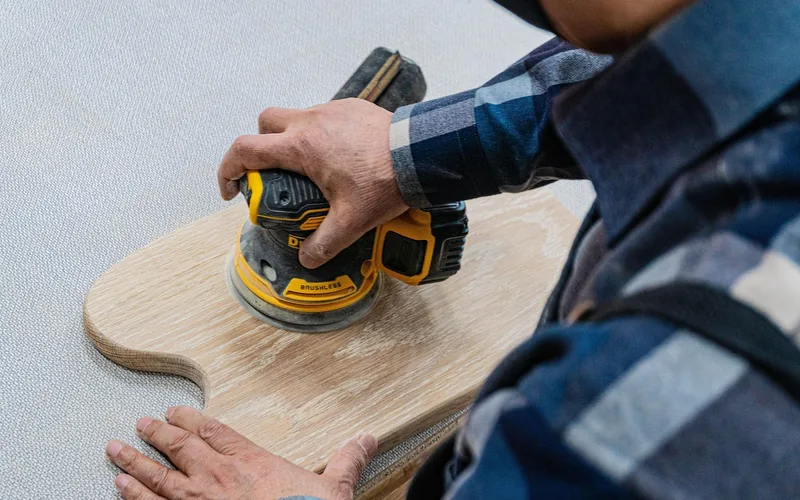
Start at 120 grit to level any residual haze or solvent marks, then move to 180 and finish at 220 grit before refinishing — skipping straight to a fine grit leaves the coarser scratch pattern underneath visible once stain goes on. Always sand with the grain, not across it, especially on the softwoods listed above.
Repairing Damage
If scraping left a gouge, pack it with a stainable wood filler rather than a standard painter’s putty, which won’t take stain evenly. Let the filler fully cure per the label before sanding it flush, then blend the repaired spot into the surrounding finish with a stain-matched touch-up marker rather than restaining the whole piece.
Pro Tips From Restoration Experts
Preventive Measures
- Apply painter’s tape around a glue joint before assembly so squeeze-out lands on tape, not bare wood.
- Use only as much glue as the joint needs — excess is what usually ends up as surface residue.
Choosing the Right Tools
- Plastic scraper or old credit card for the first pass on any surface.
- 70%+ isopropyl alcohol for finished wood; acetone reserved for bare wood or fully cured foam.
Frequently Asked Questions
What Can Remove Gorilla Glue From Wood?
Acetone or nail polish remover applied to a cloth and rubbed on the affected area removes most cured Gorilla Glue from bare wood. Isopropyl alcohol (70% or higher) works more slowly but is safer on stained or finished surfaces.
What Will Dissolve Dried Gorilla Glue?
Acetone dissolves dried Gorilla Glue fastest. Apply it to the residue, let it sit for a few minutes, then wipe it away with a cloth. Ventilate the area and avoid skin contact while using it.
How Do You Remove Glue From Wood Without Damaging the Wood?
Scrape gently with a plastic tool first, then apply isopropyl alcohol rather than acetone if the wood has any stain or finish. Sand lightly with 220 grit to finish, always moving with the grain.
Will WD-40 Remove Gorilla Glue?
WD-40 will not fully dissolve Gorilla Glue, but it can loosen cured residue enough to make scraping easier. Follow it with acetone or isopropyl alcohol on bare wood for full removal.
Does Vinegar Remove Gorilla Glue From Wood?
No. Vinegar’s mild acidity doesn’t break down cured polyurethane the way it can loosen some water-based adhesives. It’s not an effective method for Original Gorilla Glue on wood — use isopropyl alcohol or acetone instead.
Is Acetone Safe on Stained or Painted Wood?
Not reliably. Acetone is an ingredient in commercial lacquer thinner and can soften or strip stain, paint, and lacquer topcoats within seconds of contact. Test an inconspicuous spot first, or use isopropyl alcohol instead on any finished surface.
How Do You Fix Sanding Marks or Gouges After Removing Dried Glue?
Fill gouges with a stainable wood filler, let it cure fully, then sand flush starting at 120 grit and progressing to 220. Blend the repaired area into the surrounding finish with a stain-matched touch-up marker instead of restaining the entire piece.
Conclusion
Removing Gorilla Glue from wood comes down to matching the method to two things: how long the glue has had to cure, and what’s on the wood underneath it. Bare wood tolerates acetone; stained, painted, or lacquered wood generally doesn’t. Test a hidden spot first, scrape before you reach for solvent, and sand with the grain when you refinish. For glue on a different surface entirely, see our guide to removing Gorilla Glue from plastic, or our full glue removal guide for other adhesives and surfaces.
Sponsored / affiliate links. As an Amazon Associate I earn from qualifying purchases. I may earn additional commission from eligible campaigns.