Wood Glue Essentials: Types, Uses, and Cure Times Chart
Choose wood glue by four filters: joint fit, water exposure, material mix, and working time; keep three core options on hand: a standard PVA for tight indoor joints, an epoxy for gaps and mixed-material repairs, and one specialty glue such as polyurethane, hide glue, or CA for wet exposure, reversibility, or fast tacking. Pick wrong, and joints can creep, starve, stain the wood, or fail after clamp-up. This guide matches glue types to shop jobs and explains open, clamp, handle, and full-cure times so you know when to assemble, unclamp, move, and load a piece.
What are the three wood glue essentials to keep in the shop?
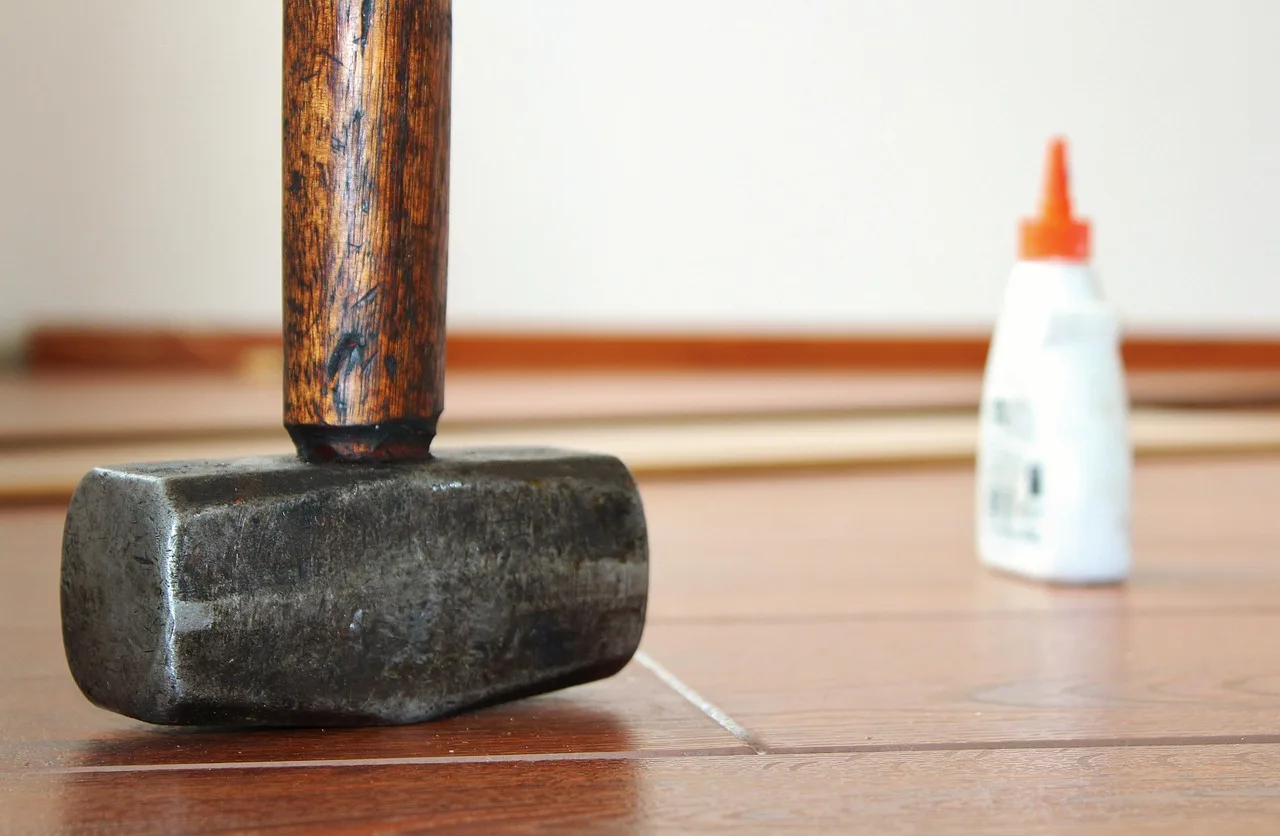
The three glues I keep close are simple: a regular PVA for most indoor joinery, an epoxy for gaps and repairs that involve wood plus metal or plastic, and one specialty glue picked for the job, usually polyurethane for wet service, hide glue for work that may need to come apart later, or CA for instant tacking and tiny fixes.
A PVA for most indoor furniture and joinery
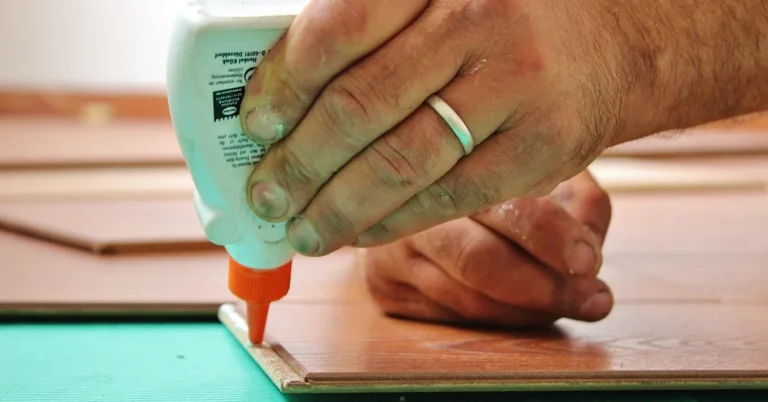
PVA is the bottle most woodworkers reach for first, and in my shop it handles the bulk of day-to-day furniture work. Yellow and white woodworking formulas cover most edge joints, mortise-and-tenon work, face frames, panels, and basic furniture assembly when the fit is good and I can get clamps on without delay.
Woodcraft’s guide says indoor furniture and general joinery use yellow aliphatic resin. Cleanup is simple with water before cure. Toolstash says PVA open time is typically 5–10 minutes, Woodcraft gives clamp time as 30–60 minutes for PVA, one guide lists PVA clamp time as 30 minutes, and one guide lists PVA full cure time as 24 hours.
That timing matters. On a long glue-up, the first joints can start to skin over while I am still reaching for the last clamp. On bent or springy parts, too much pressure can squeeze out too much adhesive and leave a starved glue line.
PVA also has a weakness many of us see after a piece has been in use for a while: creep. Under steady load or warm conditions, some PVA joints can shift a little over time. It is rarely the right choice for loose joints, oily tropical species, or repairs that may need to come apart later.
An epoxy for gaps, repairs, and wood-to-nonwood bonding
Epoxy is the repair glue in the drawer for a reason. It is presented as a two-part adhesive, it tolerates imperfect fit far better than PVA, and it bonds wood to metal, stone, and many plastics when the surfaces are prepared well.
For broken chairs, stripped-out hardware areas, damaged exterior parts, or mixed-material assemblies, epoxy is usually the safer pick. It builds a thicker bond line, fills voids, and resists water well. Epoxy full cure can take up to 72 hours, so I plan around it instead of rushing it.
Its tradeoffs are real. Mix ratio errors weaken the bond, squeeze-out is messier, and cleanup is less friendly than PVA. Fast formulas also cut working time enough to catch people off guard on a many-part clamp-up.
A specialty glue for your work: polyurethane, hide glue, or CA
The third slot in the kit should solve a specific problem that PVA and epoxy do not solve cleanly. I usually fill it with polyurethane for exterior or mixed-material repairs, hide glue for antiques, veneer, instruments, and future disassembly, or CA for instant tacking and tiny repairs where clamps make no sense.
Polyurethane glue is described as waterproof and moisture-curing. It can bond wood, metal, stone, and some plastics, but it foams as it sets. That foam is not strength, it is expansion, and it must be trimmed or scraped later.
Hide glue is used for antique repair and fine woodworking. Hot and liquid versions both reverse with heat and moisture, which makes them useful where a joint may need service later. CA glue, by contrast, sets fast, comes in thin to thick viscosities, and is poor for load-bearing joinery because the bond line is brittle.
Checking Wood, Glue, and Shop Temperatures Before Winter Assembly
A joint glued below the adhesive manufacturer’s minimum temperature—typically 50°F—can appear solid under clamps yet fail later through creep or a brittle bond. Air temperature alone is not enough; the wood stock and glue bottle must also meet that threshold before assembly begins.
Understanding how cold alters cure chemistry helps you decide whether to warm the parts, switch adhesives, or postpone the work entirely. The guide on gluing wood in winter breaks down a practical decision table, explains which adhesives tolerate lower temperatures, and details steps to rescue joints already assembled while too cold. Checking actual material temperatures prevents wasted lumber and callbacks on furniture repairs.
How do you choose the right wood glue?
Choose glue in this order: start with joint fit, then water exposure, then assembly speed, then whether the repair must come apart later. Tight wood-to-wood joints point toward PVA, visible gaps push toward epoxy, outdoor wetting may favor polyurethane or epoxy, and reversible work points straight to hide glue.
Start with joint fit: tight, slightly imperfect, or visibly loose
Tight, well-machined joints favor PVA. It likes thin bond lines and even pressure. If the parts meet cleanly with little daylight, PVA usually gives the simplest and most reliable result for indoor furniture.
Slightly imperfect joints can still work with PVA if the error is minor and clamp pressure closes the joint without strain. Once the fit turns visibly loose, PVA stops being forgiving. It shrinks into the gap and leaves a weak line.
Loose joints, missing fibers, and chipped repairs point toward epoxy. Polyurethane can bridge a little inconsistency, but its foamed squeeze-out should not be mistaken for gap-filling strength. For structural gap filling, epoxy stays ahead.
Match the glue to exposure: indoor, occasional water, or full weather
Indoor furniture stays in PVA territory unless another factor overrides it. For kitchens, bath-adjacent pieces, or projects that may see spills and humidity swings, Type II PVA can make sense. Toolstash says some PVA formulas meet Type II water resistance and a few Type I waterproof ratings.
ANSI/HPVA Type II means water-resistant use. Type I is generally used to indicate waterproof use. Those ratings help separate a dining table from a porch chair. They do not erase wood movement, finish failure, or poor joint design.
Woodcraft lists outdoor furniture and boats under polyurethane or epoxy. That matches what I would choose for repeated wetting, exterior repairs, and mixed materials. For occasional moisture, a Type II PVA may be enough. For full weather exposure, epoxy or polyurethane usually makes more sense than interior PVA.
Check assembly speed: open time versus clamp-up complexity
Open time is how long the glue stays workable after spreading. Clamp time is how long pressure must stay on. Handle time is when the part can be moved carefully. Full cure is when the bond reaches its rated condition.
Many glue failures start here. A complicated chair glue-up can go wrong with the right glue simply because the open time was too short. PVA’s typical 5–10 minute open time is fine for a panel and risky for a many-part dry assembly unless everything is rehearsed.
Epoxy often gives more working time, depending on the formula. CA gives almost none. Polyurethane sits in the middle, but its need for moisture and cleanup attention can slow a rushed assembly.
Decide whether the repair must come apart later
Future disassembly changes the answer immediately. Hide glue is preferred where parts may need to come apart without tearing surrounding wood fibers. That matters on antiques, instrument work, veneer, and some conservation-minded furniture repairs.
Epoxy is nearly the opposite choice. It is permanent and best kept for cases where serviceability matters less than holding damaged material together. PVA is hard to reverse cleanly, and CA is usually a poor candidate for any repair expected to be redone later.
Diagnosing and Repairing a Failed Wood Glue Joint
A failed glue joint usually stems from poor fit, surface contamination, wood movement, or the wrong adhesive. Identifying the exact failure mode determines whether you can simply re-clamp, inject fresh glue, or fully disassemble and rebuild the connection. Applying more glue without addressing the root cause traps a weak bond that may split the wood under pressure.
The repair process starts by reading the fracture surface for signs of glue starvation or burnished fibers, then matching the damage to a specific fix. This guide on repairing failed glue joints walks through testing the joint, selecting the right clamp pressure, and deciding when to switch adhesives for a lasting structural repair.
Why Moisture Content Determines Glue Joint Success
Standard PVA wood glue requires wood at 12% moisture content or lower to form a reliable bond. Above that threshold, joints creep, peel, or starve because the water prevents proper adhesive penetration. Applying PVA to visibly wet lumber almost guarantees failure and forces you to rebuild repairs that should have held.
The guide on gluing wet wood provides a moisture-threshold decision chart so you can match the right adhesive—polyurethane, cyanoacrylate, or epoxy—to damp, fresh-cut, pressure-treated, or water-damaged material. Checking moisture before clamping saves time, prevents wasted adhesive, and ensures structural joints actually hold under load.
Prepping Pressure-Treated Wood for Gluing: Moisture, Adhesives, and Failure Risks
Pressure-treated wood *can* be glued—but only after proper drying and prep. Unlike regular lumber, its high moisture content can cause glue bonds to fail, creep, or even trap rot in hidden joints. The right adhesive (like epoxy or polyurethane) and drying time (often weeks, depending on thickness) are critical for outdoor or structural projects. Skipping these steps risks weak joints that degrade faster, especially in wet conditions. For a detailed guide on moisture levels, adhesive choices, and prep techniques, see pressure-treated wood gluing.
Structural or high-stress joints may still require mechanical fasteners (screws/bolts) alongside glue. Always account for extended clamping times and potential moisture fluctuations, as these factors directly impact long-term adhesion.
Gluing MDF to Solid Wood
Joining medium-density fiberboard to solid wood requires selecting the right adhesive based on the specific joint type and gap-filling needs. While standard PVA glue works well for flat face joints, epoxy or polyurethane may be necessary for repairs or uneven surfaces where clamping pressure alone is not enough to ensure a permanent hold.
To achieve a reliable bond that resists joint creep and future separation, review the strongest bonding methods for detailed prep work, clamping strategies, and reinforcement techniques tailored to different joint configurations.
When Gluing Hardwood to Plywood Works—and When It Doesn’t
Hardwood and plywood can bond effectively when the joint design ensures long-grain contact, but edge-butt or end-grain connections often fail without reinforcement. Poor geometry—like thin edges or high peel stress—causes trim to detach or frames to shift. This guide breaks down which joints hold under pressure, which require mechanical fasteners or epoxy, and how plywood’s layered structure changes adhesion rules compared to solid wood.
Learn the critical factors for success, from glue type to clamping pressure, and when to skip glue entirely for hardwood-to-plywood joints.
Dealing with White Residue Left by Wood Glue
White glue residue disrupts stain absorption, causing pale patches or blotches on finished surfaces. Correct cleanup depends on glue chemistry and surface state: fresh PVA is removed with warm water or scraping, while cured residue requires sanding to bare fibers before finishing. Ignoring this step leads to uneven color and a weak bond between the glue film and the final coat. This guide explains how to identify the specific adhesive, select the safest removal method for your wood type, and verify clean surfaces before applying stains or lacquers. To explore specific techniques for different glue types and finishes, review our detailed breakdown on removing white glue residue.
Safely Removing Dried Glue Without Damaging the Finish
Dried glue left on a workpiece can ruin an otherwise clean joint or finish. The removal method depends entirely on the adhesive type and the wood surface beneath it. PVA glue on finished wood responds best to a plastic scraper, while bare wood allows a sharp chisel held almost flat to the grain. Polyurethane and epoxy require gentle heat before any solvent touches the surface.
Using the wrong approach risks scratching the wood, clouding a clear coat, lifting veneer, or leaving permanent stains. A structured decision tree—moving from mechanical scraping to heat to targeted solvents—keeps every surface type protected during cleanup. Follow this dried glue removal guide to match your specific adhesive and surface with the correct step-by-step technique.
Removing Wood Glue Stains from Clothing
Wood glue stains require immediate, method-specific treatment to prevent permanent fabric damage. Fresh wet glue should be scraped and rinsed with warm water and mild detergent, while cured adhesive needs softening or freezing before removal; solvents like vinegar or acetone are reserved for stubborn residue only.
Starting with the wrong technique can drive glue deeper into fibers or create hardened patches that resist cleaning. The correct approach depends on both the glue’s cure state and the fabric type, making a structured decision process essential for salvaging garments. Learn the proper sequence for removing wood glue to avoid common mistakes that ruin clothing.
When Yellowing Wood Glue Means It Is Time to Toss the Bottle
Most PVA wood glues turn slightly yellow as they age, and that cosmetic shift rarely affects bond strength. The problem starts when the glue darkens to amber, thickens, develops a sour smell, or has been frozen or overheated in storage. Using degraded adhesive on visible joints risks weak bonds and permanent stains that sanding cannot fix.
A quick visual and texture check separates harmless aging from actual spoilage. For furniture faces and other show surfaces, switch to a fresh bottle the moment discoloration becomes obvious. This breakdown of yellowing wood glue explains which color changes are safe to ignore, how different glue formulas react over time, and the best storage practices to extend shelf life.
When Titebond III is worth the extra cost
Titebond III delivers water resistance and a longer open time, making it the right pick for outdoor furniture, wash-down repairs, or glue-ups where you need extra minutes to align joints. For standard indoor projects that stay dry, a basic PVA saves money without sacrificing strength.
Paying a premium only matters when the project demands those specific traits. Our breakdown of Titebond III wood glue walks through clamp times, cleanup behavior, and a decision table so you can match the adhesive to your build instead of overbuying by default.
Must-have

Titebond Original Wood Glue
Based on specs and reviews, this is the straightforward indoor PVA bottle for furniture, face frames, and general joinery. The fast-set behavior fits short clamp cycles and routine shop work where the joints fit well and cleanup speed matters.
Why it matters: it covers the default case. What to look for in any similar bottle is clear indoor positioning, predictable spreadability, and clamp times that match the pace of the project.
Drawback: fast set can work against slow assemblies. It is also an interior glue, so outdoor exposure and sloppy joint fit fall outside its best use.

Titebond III Ultimate Wood Glue
Based on the spec sheet and owner feedback, this is the shop PVA for projects that need a waterproof rating and longer-term exposure protection than standard interior glue. It suits cutting boards, outdoor-adjacent furniture, and work where Type I matters.
Why it matters: it fills the gap between indoor PVA and a jump to epoxy or polyurethane. It also keeps water cleanup and familiar PVA handling.
Drawback: it still wants close-fitting joints. It will not replace epoxy for real gap filling or mixed-material bonding, and the gallon size can be too much glue for occasional users.
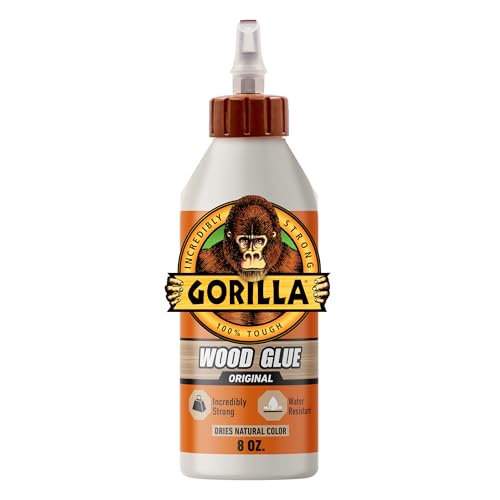
GORILLA Wood Glue, fast clamp, water-resistant PVA
Based on specs and reviews, this bottle targets quick-turn work with a faster clamp cycle and light water resistance. For small projects, trim, and indoor or lightly exposed builds, that shorter wait can keep a project moving.
Why it matters: a fast-clamp PVA is useful when the work is simple and the setup is ready. The smaller bottle also suits low-volume shops that do not want a large container aging on the shelf.
Drawback: shorter clamp time does not mean full cure arrives instantly, and fast formulas reduce margin on complex glue-ups. Water-resistant is also not the same as full exterior durability.
Nice-to-have

Elmer’s Carpenter’s Wood Glue, interior
Based on specs and reviews, this is a basic interior PVA for household fixes, small furniture repairs, and beginner projects. Water cleanup and a non-toxic positioning make it approachable for light-duty shop use and craft-adjacent tasks.
Why it matters: a small interior bottle is handy for touch-up repairs and occasional use when a large container would sit too long. It also gives a second PVA option if the main bottle is running low mid-project.
Drawback: it remains an interior glue with the same limits on outdoor work, oily woods, and loose joints. Small bottles also disappear quickly on panel glue-ups.
Hide glue for restoration, veneer, and future disassembly
Hide glue belongs here even without a featured product because its use case is narrow and important. Use it when repairability matters more than water resistance. Veneer work, antiques, and instruments are the classic examples.
Liquid hide glue trades some convenience for slower setup. Hot hide glue gives more traditional control but demands equipment and rhythm. Both reverse with heat and moisture, which is the whole point.
CA glue in thin, medium, and thick viscosities for tacking and small repairs
Thin CA wicks into hairline cracks. Medium and thick CA bridge a little more space and can tack a part before the main adhesive goes on. It is useful in jigs, edge chips, and temporary positioning.
The failure mode is brittleness. CA is poor for load-bearing chair joints, long-grain structural joinery, and repairs on parts that flex. Think spot fix, not primary glue for furniture joinery.
Polyurethane glue for exterior repairs and awkward material pairings
Polyurethane earns shelf space when water exposure is high or the repair crosses materials. Polyurethane glue is described as waterproof, and it bonds wood, metal, stone, and some plastics better than standard PVA.
Its main risk is foaming. That expansion helps fill visual space, but the foam is weaker than a solid adhesive line. Cleanup is also two-stage: wipe before cure when possible, then scrape after cure if it sets hard on the surface.
What is the difference between PVA, polyurethane, epoxy, hide glue, and CA?
PVA is the default for close-fitting indoor wood joints, polyurethane is a waterproof moisture-curing option that foams, epoxy is the gap-filling two-part repair glue, hide glue is reversible for restoration, and CA is a fast tack adhesive for small repairs rather than structural joinery.
PVA: fast, clean, strong on close-fitting wood joints
PVA is easy to spread, easy to clean before cure, and ideal for routine wood-to-wood joinery. Its limits are short open time, poor gap filling, some creep risk, and weak performance on oily woods unless the surface is prepared very carefully.
Polyurethane: waterproof, moisture-curing, and prone to foam
Polyurethane cures with moisture, tolerates damp service better than interior PVA, and handles some mixed-material jobs. It needs firm but not crushing clamp pressure. Too much squeeze and too much faith in the foam are the common mistakes.
Epoxy: thick bond line, gap filling, and variable cure schedules
Epoxy is presented as a two-part adhesive, and cure schedules vary by formula. Some remain workable long enough for careful alignment, while full cure can take up to 72 hours. It is the best fit here for loose joints, damaged fibers, and many wood-to-metal or wood-to-plastic repairs.
Hide glue and CA: reversibility on one end, instant tack on the other
Hide glue is used for antique repair and fine woodworking because it can be softened and reversed. CA is the opposite tool: instant, local, convenient, and brittle. One invites future service, the other saves time on tiny tasks.
PVA versus polyurethane glue for woodworking
The core trade-off between these two common woodworking adhesives comes down to fit and workflow. PVA excels at tight-fitting joints with fast cleanup and quick clamp release, while polyurethane is reserved for gap-filling or moisture-cured applications, despite more mess and less predictable results. Choosing poorly can lead to starved joints, foam-out, weak bonds, or repair failures under load.
A detailed comparison covering joinery, laminations, outdoor use, sanding, finish compatibility, and hardwood suitability helps you match the right adhesive to the joint condition, available clamping time, and shop environment. See the PVA vs polyurethane glue guide for a clear decision framework.
Glue selection and cure timeline
Read the table left to right. First, match the joint type and fit. Next, check open time so the assembly can actually be clamped before skinning starts. Then use clamp time for when pressure can come off, handle time for cautious movement, and full cure for when the piece can be loaded or machined hard.
| Product | Badge | Best for | Price | ||
|---|---|---|---|---|---|
|
Titebond Original Wood Glue 32 Oz. – Yellow, 5065Titebond | Our pick | Titebond Original · 1-Quart · Fast Set | $11.99
Price as of 26 Sep 2026
|
View |
|
Titebond 1416 III Ultimate Wood Glue, 1-GallonTitebond | Upgrade pick | Titebond III · 1-Gallon · Waterproof | $34.15
Price as of 26 Sep 2026
|
View |
|
Gorilla Wood Glue, Fast Clamp, Water Resistant PVA, 8 ozGORILLA | Also great | Gorilla · 8 oz · Fast Clamp | $4.37
Price as of 26 Sep 2026
|
View |
|
Elmer’s E7010 Carpenter’s Wood Glue, Interior, 8 Ounces ,Elmer’s | Budget pick | Elmer’s Carpenter’s · 8 oz · Tan | $8.77
Price as of 26 Sep 2026
|
View |
| Glue family | Open time | Clamp time | Handle time | Full cure | Water exposure | Gap tolerance | Reversibility | Best joint types | Main failure risks |
|---|---|---|---|---|---|---|---|---|---|
| PVA | Typically 5–10 minutes in some formulas | About 30–60 minutes; one guide lists 30 minutes | Careful movement after unclamping when the joint is stable | Around 24 hours | Indoor by default; some Type II and a few Type I variants exist | Low | Low | Edge joints, mortise-and-tenon, dowels, face frames, panels | Creep, glue starvation, short open time, weak on loose joints |
| Polyurethane | Moderate; check label | Often longer than PVA in practice; maintain even pressure | After the foam hardens and the joint holds shape | Label-dependent | Waterproof | Moderate, but foam is weak | Low | Exterior repairs, wood to metal, wood to stone, awkward mixed materials | Foaming, messy squeeze-out, staining, overtrusting expansion |
| Epoxy | Brand-dependent | Light clamping or holding pressure only, as needed | After set, before heavy load | Up to 72 hours | Waterproof bond | High | Very low | Loose joints, structural repairs, wood to metal, wood to many plastics | Bad mix ratio, sagging, slow cure, brittle behavior in some formulas |
| Hide glue | Formula-dependent | Usually similar shop discipline to PVA | After joint firms up | Often around 24 hours | Indoor | Low to moderate | High with heat and moisture | Veneer, antiques, instruments, joints needing future disassembly | Moisture sensitivity, heat sensitivity, poor fit on stressed outdoor work |
| CA | Very short | Usually little or none for tiny parts | Very fast | Fast relative cure, but still let it settle before stress | Poor choice for wet structural use | Low to moderate by viscosity | Low | Tacking, chip repair, small cracks, jig work | Brittle joints, bloom, poor shock resistance, weak on load-bearing joints |
What the table leaves to the label
Temperature, humidity, stock moisture, and mix ratio still control the real clock. Cold slows many glues. Dry conditions can shorten workable time on porous stock. Epoxy mix errors can leave a joint rubbery. Polyurethane can cure unpredictably if moisture is too low or too high.
Comparing glue performance specs for specific projects
Selecting the right adhesive requires balancing tensile strength, open time, and water resistance against the specific demands of your joint. Choosing incorrectly can lead to weak connections or surface damage when humidity fluctuates. The detailed comparison chart on Woodworking Advisor breaks down PVA, polyurethane, epoxy, and hide glue, highlighting exactly which materials suit indoor furniture, outdoor exposure, or structural repairs.
wood glue performance specs allow you to match the adhesive to the task, ensuring your clamp times align with your workflow and your final bond withstands the intended environmental conditions.
Why glue joints crack in cold weather and how to fix them
Glue joints that crack during winter usually fail because the adhesive was applied below its minimum curing temperature, the wood moved as humidity dropped, or the glue itself turned brittle in freezing conditions. Ignoring these cracks weakens load-bearing parts like chair legs and table aprons, often leading to splits or stains in surrounding wood.
Matching the repair adhesive to the specific failure prevents repeat cracking. PVA, polyurethane, and epoxy each handle cold-weather stress differently, and warming the joint before regluing is essential for a lasting bond. For a breakdown of which adhesive fits each winter repair and how to stop joints from failing again, see this guide to cold weather glue cracking.
Why End Grain Joints Fail and How to Glue Them
Raw end grain absorbs adhesive so quickly that no wood glue holds on its own. Sizing the fibers first is mandatory, and even then you should expect roughly half the strength of a long-grain bond. Without proper preparation, cutting boards split and butt joints peel apart under normal load.
This breakdown covers which adhesives suit specific failure modes, when polyurethane or epoxy outperforms PVA, and how joint design often matters more than the glue itself. A decision matrix walks through prep, reinforcement, and adhesive pairing for structural loads. Understanding these variables prevents wasted material and failed repairs. For detailed guidance, review end grain glue selection.
Resolving Stagnant Glue Joints
When a joint remains tacky well past its expected open time, the issue usually stems from specific environmental or application errors rather than adhesive failure. Common culprits include excessive glue thickness, surface contamination, or insufficient clamp pressure during the critical curing phase. wood glue not drying can lead to joint creep and eventual structural failure if left unaddressed.
This troubleshooting guide helps you diagnose the root cause by matching symptoms to specific shop conditions. It outlines how to identify whether the problem is related to temperature, humidity, or glue type, and provides step-by-step fixes to restore bond integrity without tearing out the workpiece.
Preparing Old Joints for a Reliable Reglue
New glue bonds only to clean wood. If old adhesive remains thick, rubbery, or glossy on a joint surface, the fresh glue bonds to that failed layer instead of the fibers, causing the repair to creep or break again under load. The goal is bare wood or a thin, hard, non-glossy film before applying new adhesive.
Choosing the mildest effective removal method—scraping, shaving, or sanding—depends on the original adhesive type and the wood species. Stopping as soon as the surfaces are sound prevents unnecessary material loss while ensuring maximum strength. Properly removing old glue is the difference between a structural repair and one that fails within months.
Pricing the Repair: When to Reglue a Loose Chair Joint
If a joint has already failed, estimating the repair cost before you start prevents surprise expenses. Factors like broken dowels, stripped mortises, or necessary upholstery work significantly raise the bill compared to a simple DIY reglue. The difference between a low-cost material expense and a high shop minimum often depends on the extent of the damage. For a detailed breakdown of these costs, check out our chair joint repair guide. It covers specific pricing scenarios so you can determine if a fix is economical or if replacing the piece makes more sense.
Matching Adhesive to Joint Condition for Structural Loads
Structural joints fail when the adhesive doesn’t match the joint’s fit and load path. Epoxy fills gaps and bonds loose or damaged wood, making it the right choice for repairs where surfaces no longer meet tightly. PVA wood glue delivers a stronger bond in clean, tight-fitting wood-to-wood joinery because it cures thin and resists creep under sustained stress.
Choosing between these two adhesives depends on moisture exposure, force direction, and how much clamp pressure you can apply during cure. The guide on epoxy versus wood glue breaks down a decision matrix that matches each adhesive to specific joint conditions, helping you avoid repairs that pull apart under load.
Bonding Wood to Metal with Epoxy and Construction Adhesives
Standard PVA wood glue fails on metal because it cannot grip non-porous surfaces. For rigid wood-to-metal joints, two-part epoxy is the most reliable choice: it fills gaps, bonds aggressively to properly cleaned metal, and handles the different expansion rates of mixed materials far better than carpenter’s glue.
Choosing the right product depends on joint size, gap width, and whether the repair lives indoors or outdoors. Construction adhesives like Loctite PL Premium Max handle larger exterior assemblies, while epoxy putties such as J-B Weld SteelStik excel at filling voids during one-person repairs. Selecting the correct adhesive prevents callbacks and structural failures in mixed-material builds. Compare specific products and application methods in this wood to metal adhesive breakdown to match your exact project requirements.
Choosing Adhesives for Wood-to-Plastic Joints
Wood and plastic expand, contract, and absorb moisture at different rates, so standard wood glues rarely hold. Two-part epoxy is the most reliable choice for bonding wood to ABS, PVC, acrylic, or polycarbonate. Cyanoacrylate works only for small, low-stress repairs, while polyethylene and polypropylene usually require a dedicated plastic primer or mechanical fasteners because glue alone fails under load.
Surface preparation—scuffing the plastic and cleaning off mold-release oils—determines whether the joint holds or pops loose later. Matching adhesive chemistry to the specific plastic type prevents creep and splitting in finished projects. For a breakdown of which adhesives suit each plastic, review this guide to gluing wood to plastic.
Bonding Wood to Laminate Surfaces
Yes, you can successfully glue wood to laminate, but standard PVA glues fail on slick plastic surfaces without aggressive mechanical prep. To ensure a lasting bond, you must strip the gloss with heavy-grit sandpaper, clean away all residue, and select an adhesive like epoxy or polyurethane that grips non-porous materials. Skipping these steps usually results in joint failure.
Review the complete laminate gluing guide to master surface prep techniques, review material compatibility, and see a practical failure matrix for tricky shop repairs.
Specializing in Veneer Adhesion and Application
General-purpose adhesives often fail on delicate veneer sheets, leading to bubbles, creep, or costly repairs. To avoid these issues, select specific formulations like cold press veneer glue for flat panels or epoxy for oily woods and curved work. Contact cement is reserved for low-stress, non-structural laminates where flexibility matters more than shear strength.
Understanding the distinct open times, clamp requirements, and failure risks for each adhesive type ensures a seamless finish. Our detailed breakdown of the best veneer glues covers top picks like Titebond and Gorilla, helping you match the right product to your specific job conditions and moisture exposure.
How long does wood glue take to dry and cure?
Wood glue does not run on one clock. PVA commonly offers 5–10 minutes of open time, about 30–60 minutes of clamp time, and around 24 hours to full cure; epoxy can run to 72 hours, while polyurethane, hide glue, and CA vary by formula, temperature, and humidity.
Typical numbers by glue family
PVA is the clearest benchmark because the published guidance is fairly consistent: Toolstash says PVA open time is typically 5–10 minutes, Woodcraft gives clamp time as 30–60 minutes for PVA, and one guide lists full cure at 24 hours.
Polyurethane often needs longer patience than a fast interior PVA. Hide glue often lands near the same full-cure window as PVA for practical shop scheduling. CA reaches handling strength quickly but still should not be stressed like a cured structural adhesive. Epoxy is the slowest of the group; full cure can take up to 72 hours.
Why handle time is not full cure
A joint that survives unclamping is not ready for routing, planing, chair-racking stress, or immediate outdoor service. Handle time only means the assembly can be moved carefully. Full cure means the adhesive has finished developing the bond the manufacturer expects.
When ASTM D905 matters
ASTM D905 is a common wood adhesive shear-test context. In plain shop terms, it asks whether the failure happens in the wood itself or in the glue line. Wood failure suggests the bond exceeded the wood at that sample and setup. Glue-line failure points to poor fit, poor prep, bad cure, or the wrong adhesive family.
How much clamping time does wood glue need?
Clamp time depends on the glue family and the joint, but pressure must stay on long enough to hold alignment and maintain contact while the adhesive sets. For PVA, guides commonly list about 30–60 minutes, while polyurethane often benefits from a longer wait and epoxy may need only holding pressure.
Clamp strategy: pressure, cauls, and how to avoid starving the joint
- Dry-fit the assembly first and stage clamps in order.
- Apply enough glue for a thin, continuous film, not dry spots or puddles.
- Clamp for contact and alignment, not to crush the joint shut.
- Use cauls where needed to spread pressure across uneven parts.
- Leave the assembly alone until clamp time is complete, then handle gently.
Even pressure matters because a skewed clamp line can open one side of the joint while overcompressing the other. Overclamping is a common failure path with PVA and hide glue. Epoxy usually needs less pressure because squeezing too hard can force too much resin out of a gap meant to be filled.
Consumables and spares
Glue brushes, spreaders, mixing cups, and nozzles that actually help
Small spreaders help PVA and hide glue cover broad faces without dry patches. Mixing cups and sticks matter most for epoxy because ratio mistakes are expensive. Fine nozzles help place CA accurately on tiny repairs instead of flooding the surrounding grain.
Disposable gloves, cleanup rags, and solvents by glue family
Water handles fresh PVA and fresh hide glue. Polyurethane is best cleaned before cure, then scraped after cure. Epoxy cleanup depends on catching squeeze-out early and avoiding solvent smear across visible wood. CA needs restraint because aggressive cleanup can fog surfaces and complicate finishing.
Shelf life, storage temperature, and when to replace old adhesive
Old glue is false economy. PVA that thickens oddly or forms stubborn lumps is suspect. Polyurethane reacts with moisture in the bottle over time. Epoxy with crystallized resin or contaminated pumps deserves scrutiny. If cure behavior changes, replace the bottle before the project pays for the lesson.
Budget setups
The simplest setup buys only the glue family needed for the work ahead. A broader setup buys insurance against the two most common mismatches: using PVA on a loose joint and using a quick glue on a slow assembly.
| Setup | What it covers | Suggested included product | Price |
|---|---|---|---|
| Starter | Indoor furniture, trim, basic repairs with tight joints | GORILLA Wood Glue, fast clamp, water-resistant PVA | $4.37 |
| Mid | Indoor joinery plus a larger general-use PVA supply | Titebond Original Wood Glue 32 Oz. | $11.99 |
| Serious | Indoor work plus waterproof-rated PVA for outdoor-adjacent projects | Titebond 1416 III Ultimate Wood Glue, 1-Gallon | $34.15 |
Budgeting Epoxy Costs by Project Stage
Woodworking epoxy costs vary significantly between seal coats and deep pours, making it essential to budget by specific application stage rather than a single per-ounce price. Smaller kits typically have a higher cost per ounce, so understanding the economics of gallon kits helps prevent expensive mistakes on large tabletops. epoxy cost per ounce provides a detailed breakdown of pricing by resin type, waste factors, and the correct ratio for different joint needs, ensuring you buy the right volume for your structural requirements.
Frequently asked questions
What type of wood glue should I use for furniture?
For most indoor furniture with tight-fitting wood joints, PVA is the default choice. Use Type II or Type I variants when water exposure rises, switch to epoxy when the fit is loose or materials are mixed, and choose hide glue when future disassembly or restoration matters.
Is wood glue stronger than screws?
They do different jobs. A well-made glue joint can outperform the surrounding wood in shear-style testing, which ASTM D905 helps illustrate, but screws add clamping force, withdrawal resistance, and serviceability. Furniture often uses glue for the joint and screws where mechanical fastening solves a different problem.
Can wood glue fill gaps or loose joints?
PVA is a poor gap filler and should not be trusted on loose joints. Polyurethane can expand into a gap, but the foam is not the strong part of the bond. For visible looseness, missing fibers, or damaged repair areas, epoxy is usually the safer choice.
Which wood glue is best for outdoor projects?
The answer depends on how wet the project gets. Type II PVA can suit occasional moisture, Type I PVA steps up water resistance, and repeated wetting or mixed-material outdoor repairs often point to polyurethane or epoxy. Exterior movement and repairability still matter as much as water rating.
How do I remove dried wood glue?
Scrape or pare dried PVA carefully, then sand lightly if needed. Polyurethane squeeze-out is usually best scraped after cure. Hide glue can often be softened with heat or moisture. Epoxy must usually be trimmed mechanically, and CA cleanup needs care to avoid surface damage and finish contamination.
What glue should I use for wood to metal or plastic?
Epoxy is usually the first choice for wood to metal or many plastics because it tolerates slight gaps and bonds across dissimilar materials. Polyurethane can also work on some pairings, especially in damp service, but close surface prep and realistic expectations about fit still decide the result.
Sponsored / affiliate links. As an Amazon Associate I earn from qualifying purchases. I may earn additional commission from eligible campaigns.