How Strong Is Gorilla Glue?
Original Gorilla Glue is a polyurethane adhesive rated for genuinely high bond strength – strong enough that on porous materials like wood, the wood fiber itself often fails before the glue joint does. But “Gorilla Glue” isn’t one product anymore; the brand covers several different formulas with different strength and water-resistance properties, so the honest answer depends on which one is in your hand.
For the fuller picture beyond raw strength – pros, cons, cost, and when a PVA wood glue is actually the smarter pick – see our complete Gorilla Glue review.
Where Gorilla Glue’s Strength Comes From
The Genuinely Waterproof Formula
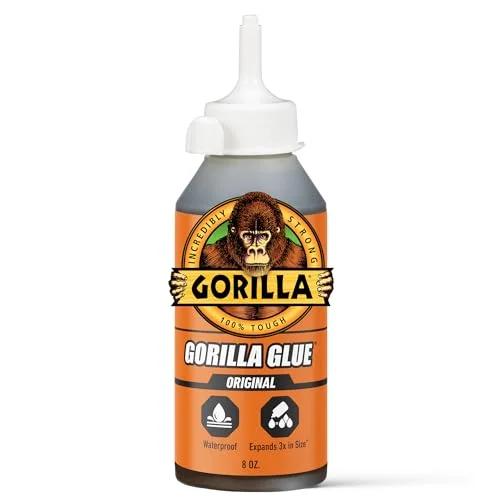 |
Gorilla Original Glue, Waterproof Polyurethane, 8 oz The original formula this article covers – genuinely waterproof once cured, and strong enough that the wood usually fails before the glue joint does.
|
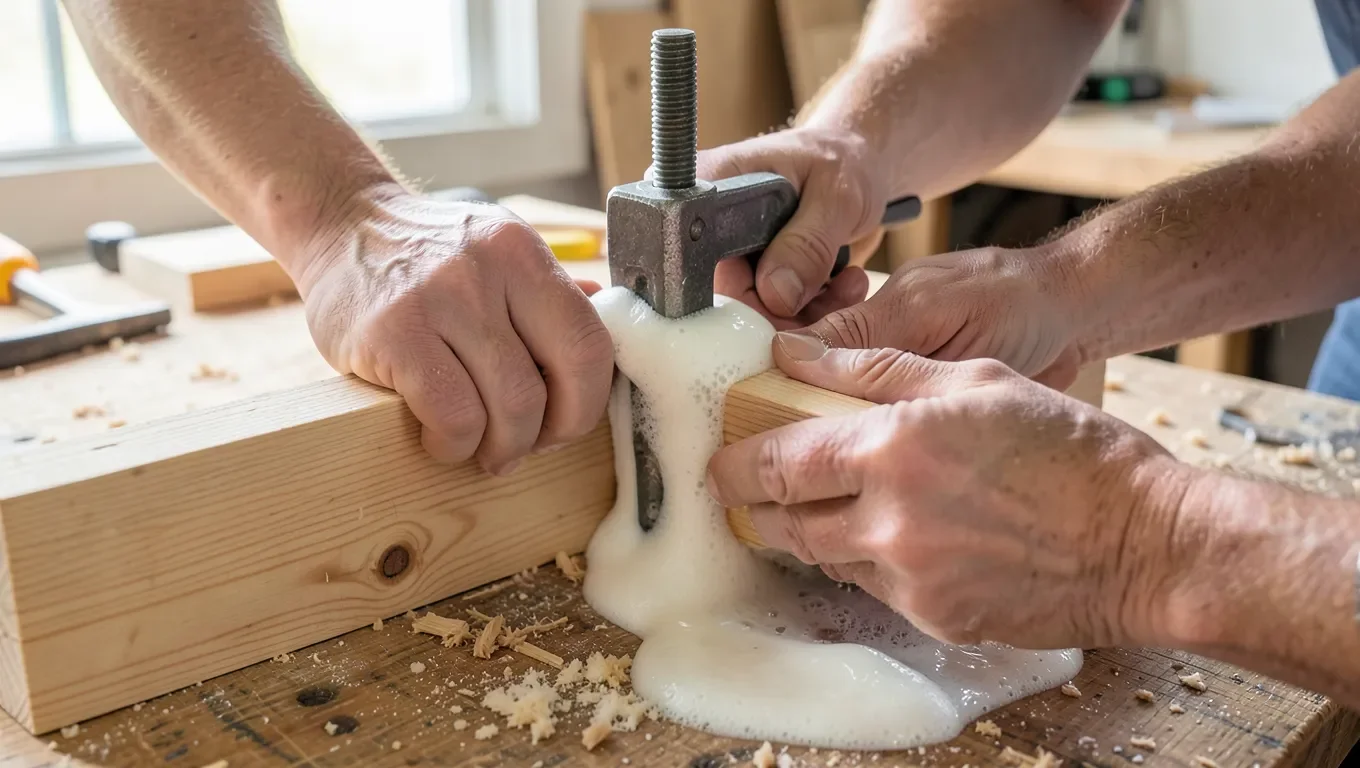
Original Gorilla Glue is a one-part polyurethane adhesive that cures when it reacts with moisture – either moisture already in the material you’re gluing or a light misting of water you add before applying it. As it cures, it foams and expands, pushing into the pores and irregularities of porous surfaces like wood before hardening. That mechanical interlocking, on top of the chemical bond, is a big part of why it holds so well on rough or uneven surfaces.
The expansion is also its main handling quirk: it needs clamping pressure while curing, and excess foam squeezes out and hardens on the surface, requiring cleanup or sanding afterward. Full cure takes about 24 hours, though the glue sets enough to handle gently after 1-2 hours – clamping for the full cure time gives the strongest possible bond.
Not All Gorilla Glue Products Are the Same
This is the detail most comparisons skip, and it matters because the three most common products in the lineup behave differently:
- Original Gorilla Glue (polyurethane): genuinely waterproof once fully cured, works on wood, stone, metal, ceramic, and foam, and is the formula most associated with the brand’s reputation for strength.
- Gorilla Wood Glue (PVA): a different chemistry entirely – a standard yellow wood glue that’s water-resistant, not waterproof. It’s easier to work with for pure wood-to-wood joints (no expansion, no clamping mess) but shouldn’t be used anywhere it’ll see standing water or prolonged outdoor exposure.
- Gorilla Super Glue (cyanoacrylate): a fast-setting instant adhesive built for quick, small-area bonds rather than gap-filling or heavy structural joints – a different tool for a different job than the original formula.
Mixing these up is where a lot of the “is Gorilla Glue waterproof” confusion comes from: the original polyurethane formula is, the wood glue variant isn’t, and treating them as interchangeable leads to real failures on outdoor or wet-exposure projects.
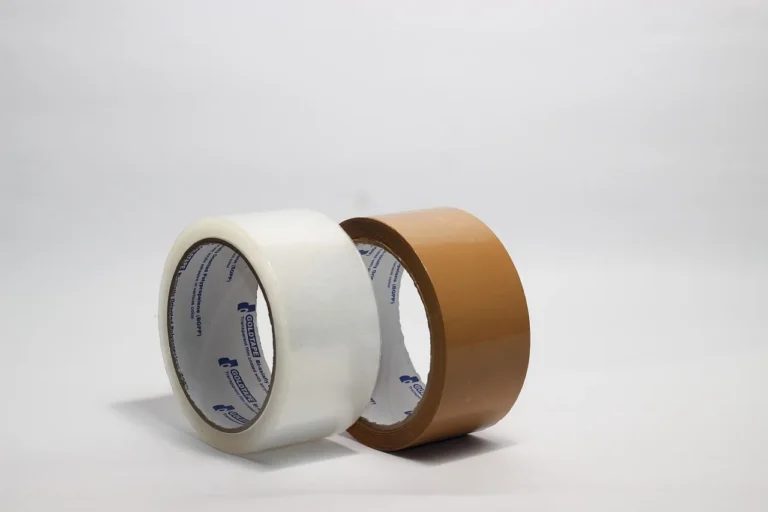
The brand also sells specialty variants worth knowing about if you’re standing in the adhesive aisle: Gorilla Epoxy (a two-part system for a faster, gap-filling bond on materials the polyurethane formula doesn’t grip as well, like smooth metal or glass), Gorilla Construction Adhesive (a caulk-gun product for large-area panel and subfloor work rather than small joints), and Gorilla Tape (a fabric-backed tape sold alongside the glues but a completely different product category). None of these are drop-in substitutes for Original Gorilla Glue – each is formulated for a specific job.
How Strong Is It, Really?
Manufacturer testing and independent reviews consistently place Original Gorilla Glue among the strongest general-purpose adhesives available to consumers, with bond strength that regularly exceeds the strength of the wood itself on a properly clamped joint – meaning the wood fiber tears before the glue line separates. Exact PSI figures vary by test method, substrate, surface prep, and clamping pressure, so treat any single number you see online as a rough benchmark rather than a guarantee for your specific project.
For comparison, cyanoacrylate super glues typically bond faster but with less gap-filling ability and more brittleness under shock or vibration, while two-part epoxies generally out-perform polyurethane on raw tensile strength for non-porous materials but take longer to prep (mixing two components) and cost more per repair. None of these is universally “the strongest” – each wins on a different combination of material, gap size, and how the joint will be loaded once it’s finished.
What actually determines real-world strength on your project has less to do with the glue’s rated maximum and more to do with technique: clean, dry, slightly roughened surfaces bond far better than smooth or dirty ones, and a joint that’s under-clamped during the full cure window will always underperform its rated strength, regardless of which adhesive you used.
Substrate matters as much as the adhesive itself. On porous materials like pine, oak, or MDF, the expanding foam has plenty of surface texture and open grain to key into, which is exactly why wood-to-wood joints are where this glue performs best. On dense, smooth, non-porous materials like glass, glazed ceramic, or polished metal, there’s far less for the foam to mechanically grip, and bond strength drops noticeably compared to a wood joint even though the same bottle of glue is doing the work.
How to Apply It for Maximum Strength
- Clean and dry the surfaces. Remove dust, oil, and old finish – contamination is one of the most common reasons a bond fails.
- Lightly dampen one surface with a few drops of water if the material is very dry – the glue needs moisture to cure, and bone-dry wood can cure unevenly without it.
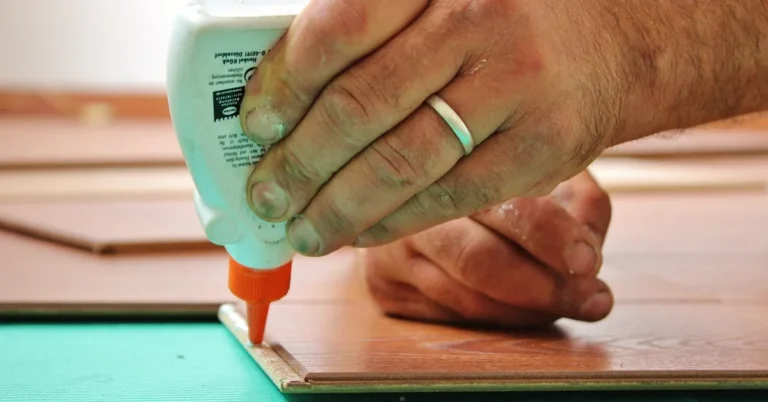
- Apply a thin, even layer to one surface only. A little goes further than it looks, since the glue expands as it cures.
- Clamp firmly and hold for at least an hour, ideally the full 24-hour cure window for maximum strength.
- Scrape or sand away any foam that squeezes out once it’s fully cured – it’s much easier to remove hard than to wipe away wet.
Safety and Handling
- Wear gloves. Gorilla Glue bonds to skin as readily as it bonds to wood, and it’s genuinely difficult to remove once cured.
- Work in a ventilated space – the curing reaction gives off fumes that are best not breathed in concentrated amounts.
- Keep it away from eyes. If it gets in an eye, rinse with water for 15 minutes and get medical attention.
- Store the cap tightly sealed in a cool, dry place – moisture in the air will start curing the glue inside an opened bottle over time, shortening its usable shelf life.
Common Myths About Gorilla Glue
“It can fix anything” isn’t quite right – it performs best on porous materials like wood, and considerably less well on smooth, non-porous plastics where there’s nothing for the expanding foam to grip into. “It’s completely waterproof” is true for the original polyurethane formula but false for the wood glue variant, which is why checking exactly which product you’re holding matters. And “it dries clear” is also false – the cured foam is a tan/off-white color that needs to be trimmed or sanded away for a clean finish, not left in place expecting it to disappear.
One more myth worth addressing directly, since the brand name invites it: the glue isn’t named for its strength being comparable to an actual gorilla’s grip – that’s marketing, not a literal engineering claim. Its real strength comes from the chemistry of polyurethane curing and expanding into a porous surface, the same mechanism that makes any well-formulated gap-filling adhesive strong, not some unique property unrelated to how adhesives normally work.
Frequently Asked Questions
How strong is Gorilla Glue?
Original Gorilla Glue is rated among the strongest consumer polyurethane adhesives, and on a properly clamped wood joint the wood itself will often fail before the glue line does. Real-world strength depends heavily on surface prep and clamping time, not just the glue’s rated maximum.
Can Gorilla Glue hold heavy objects?
Yes, when applied correctly with clean surfaces and full clamping time. It’s a common choice for heavy-duty furniture repairs and structural wood joints, though very heavy or load-bearing applications should still be reinforced mechanically (screws, dowels) rather than relying on adhesive alone.
Is Gorilla Glue waterproof?
Original Gorilla Glue (the polyurethane formula) is genuinely waterproof once fully cured, safe for both indoor and outdoor use. Gorilla Wood Glue, a different PVA-based product in the same brand lineup, is only water-resistant, not waterproof – check which specific product you have before using it outdoors.
How long does Gorilla Glue take to dry?
It typically reaches a workable set within 1-2 hours but needs about 24 hours to fully cure. Clamping the joint for the full 24-hour window gives the strongest possible bond rather than unclamping early.
Conclusion
Original Gorilla Glue earns its strong reputation on porous materials like wood, where a clean, well-clamped joint can end up stronger than the wood itself. The catch is knowing which product in the lineup you’re actually using – the original polyurethane formula, the PVA wood glue, or the cyanoacrylate super glue – since they differ meaningfully on water resistance and the kind of job they’re built for.
Sponsored / affiliate links. As an Amazon Associate I earn from qualifying purchases. I may earn additional commission from eligible campaigns.