How Long Does Cedar Wood Last Outside
It’s a common question, especially if you’re planning an outdoor project like a deck or fence. Figuring out how long does cedar wood last outside can feel a bit tricky when you’re just starting out. There are so many things that can affect it, and you want your project to look good for years.
Don’t worry, though! We’ll break it all down simply, step by step. After we’re done, you’ll know exactly what to expect and how to get the most out of your cedar wood.
Factors Influencing Cedar Wood Longevity Outdoors
The lifespan of cedar wood when used outdoors isn’t a simple fixed number. Many different elements play a role in how well it holds up against the weather and time. These factors can significantly speed up or slow down its natural decay process.
Understanding these influences is key to predicting its durability and taking the right steps to protect it. We’ll look at the main things that make cedar last longer or make it degrade faster, so you can make informed choices for your outdoor projects.
Natural Resistance of Cedar Wood
Cedar wood is naturally gifted with a great ability to resist things that try to break it down. This is thanks to special oils and compounds it contains, like thujaplicins and other extractives. These natural chemicals make it unappealing to insects that love to munch on wood, and they also help it fight off fungi and rot.
Think of it as cedar’s built-in shield against nature’s decay forces.
- Natural Oils and Resins
Cedar contains natural oils and resins that act as a powerful repellent for many common wood-boring insects, such as termites and carpenter ants. These oils also possess antifungal properties, meaning they help prevent the growth of mold and mildew on the wood’s surface. This inherent protection is a primary reason why cedar is a preferred material for outdoor applications where wood is exposed to the elements and potential pest infestations. Without these natural defenses, cedar would succumb to decay much more quickly, similar to less resistant wood types. - Tannins
Another group of compounds found in cedar are tannins. While they can contribute to the wood’s color and sometimes cause staining on surfaces they contact, tannins also play a role in its resistance to decay. They can inhibit the activity of certain fungi that cause rot. The higher the concentration of these extractives, generally the longer the wood will last in outdoor conditions. - Density and Grain Structure
The cellular structure of cedar wood is also important. It tends to be less dense than some hardwoods but has a relatively tight grain. This structure allows the natural oils to penetrate and be retained effectively. It also means the wood is less prone to significant warping or checking (cracking) when exposed to moisture fluctuations, which are common outdoors. This stability contributes directly to its lasting power.
Environmental Conditions and Exposure
The place where your cedar wood is located and what it’s exposed to daily makes a huge difference in how long it will look good and stay strong. Direct sunlight, constant rain, or the ground touching the wood can all wear it down faster. Let’s explore these environmental factors.
- Moisture Levels
Constant exposure to moisture is perhaps the biggest enemy of any wood used outdoors. When cedar wood repeatedly gets wet and then dries out, it causes the wood to expand and contract. Over time, this cycle can lead to cracking, splitting, and the weakening of its structure. Areas that receive a lot of rain or have high humidity will naturally stress the wood more than drier climates. Even dew can contribute to moisture buildup on surfaces that don’t get direct sun. - Sunlight (UV Exposure)
While cedar doesn’t rot as quickly as other woods, prolonged exposure to direct sunlight, specifically ultraviolet (UV) radiation, will break down the wood’s surface. UV rays degrade the lignin in the wood, which is a natural polymer that gives wood its stiffness. This causes the surface to turn grey and become more brittle over time. While this is mainly an aesthetic change, it can make the wood more susceptible to physical damage. - Temperature Fluctuations
Extreme and rapid changes in temperature can also impact cedar wood. Very hot days can dry out the wood excessively, while cold nights can cause moisture within the wood to freeze and expand, potentially leading to damage. Consistent and moderate temperatures are best for wood longevity. - Ground Contact
Any wood that is in direct contact with the soil is at a significantly higher risk of premature decay. Soil holds moisture and often contains fungi and bacteria that accelerate rot. It’s why fences posts or the bottom of deck frames need special attention if they are in contact with the ground.
Maintenance and Protective Measures
Even though cedar is naturally durable, taking good care of it can make it last much, much longer. This involves cleaning it regularly and applying protective finishes. These steps act as an extra layer of defense against the elements and help maintain its good looks.
- Sealing and Staining
Applying a good quality exterior wood sealer or stain is one of the most effective ways to protect cedar. Sealers help repel water, preventing excessive moisture absorption and reducing swelling and shrinking cycles. Stains, especially those with UV blockers, can further shield the wood from the damaging effects of sunlight, helping to preserve its color and integrity. Regular reapplication, typically every 1-3 years depending on the product and climate, is essential for sustained protection. - Regular Cleaning
Washing your cedar wood surfaces periodically removes dirt, grime, mildew, and other debris that can trap moisture and encourage fungal growth. A simple wash with mild soap and water, or a specialized wood cleaner, can go a long way. For stubborn mold or mildew, a diluted bleach solution might be necessary, but always test in an inconspicuous area first. - Proper Ventilation and Drainage
Ensuring good airflow around cedar structures is vital. Proper ventilation helps the wood dry out more quickly after rain or dew, minimizing the time it spends wet. Similarly, ensuring good drainage around decks or other structures prevents water from pooling and saturating the wood. This includes things like ensuring deck boards are spaced correctly and that the ground slopes away from the structure.
Typical Lifespan Expectations for Cedar Wood Outdoors
When we talk about how long does cedar wood last outside, it’s helpful to have some general ideas. These are not hard and fast rules, but rather common observations based on how cedar behaves in typical outdoor settings. The quality of the wood, how it’s installed, and the climate all play a part in determining its actual lifespan.
Cedar Decking Lifespan
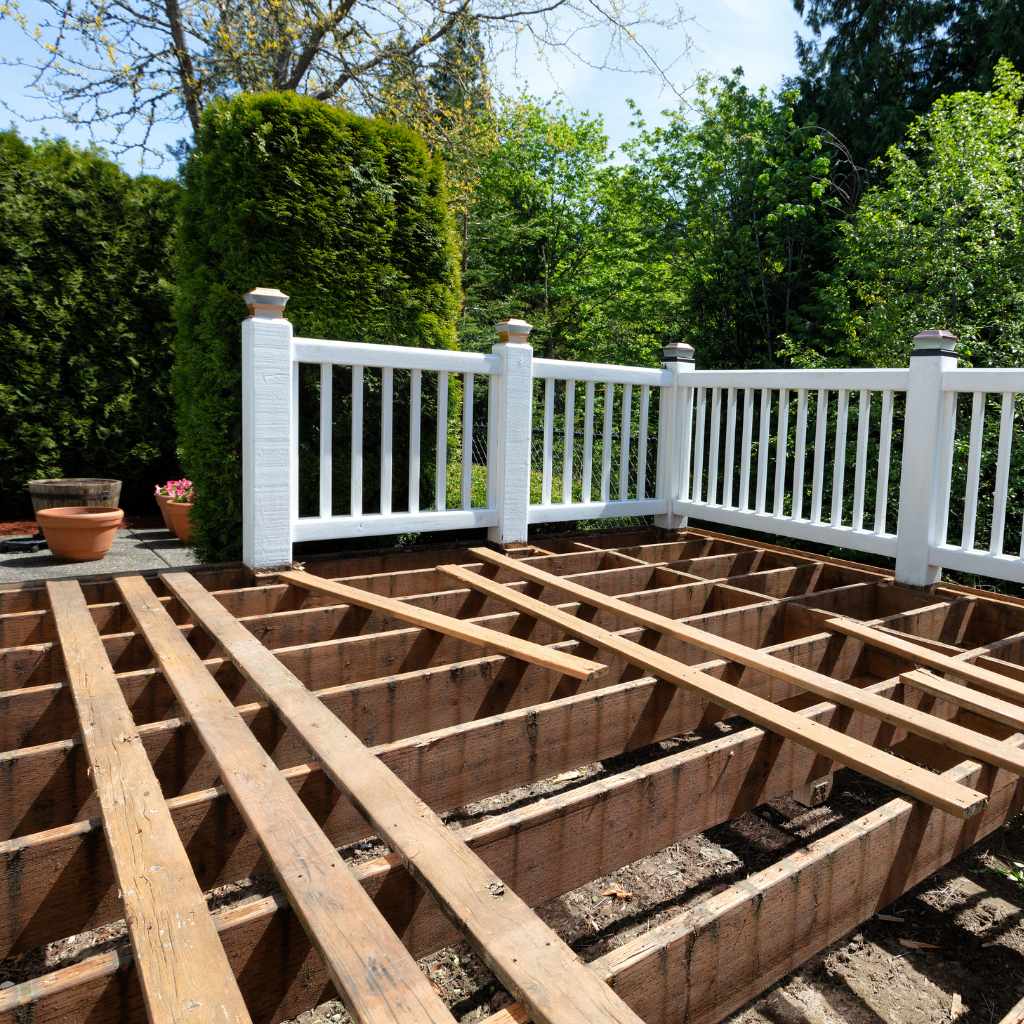
Cedar decks are a popular choice for many homeowners because they offer a beautiful, natural look. When properly maintained, a cedar deck can last for a very long time. The exact duration depends heavily on the factors we’ve discussed, especially the climate and maintenance routine.
- General Longevity
With regular cleaning and periodic sealing or staining, a cedar deck can realistically be expected to last between 15 to 25 years. Some decks, in ideal conditions with diligent care, might even exceed this range. Neglecting maintenance can significantly reduce this lifespan, potentially to 10-15 years or even less if conditions are harsh. - Factors Affecting Deck Life
Decks that are constantly exposed to heavy foot traffic, direct sunlight all day, and frequent rain will wear down faster. Decks built in areas with extreme temperature swings or high humidity also face greater challenges. The quality of the fasteners used (e.g., stainless steel to prevent rust stains) and the type of finish applied also impact the deck’s overall durability and appearance over time. - Example Scenario
Consider a cedar deck in a temperate climate with moderate rainfall. If the homeowner cleans it annually and applies a good quality deck sealer every two years, they might enjoy a beautiful and sturdy deck for 20 years or more. However, a similar deck in a very humid, tropical climate with little maintenance might only last 12-15 years before significant repairs are needed.
Cedar Fencing Lifespan
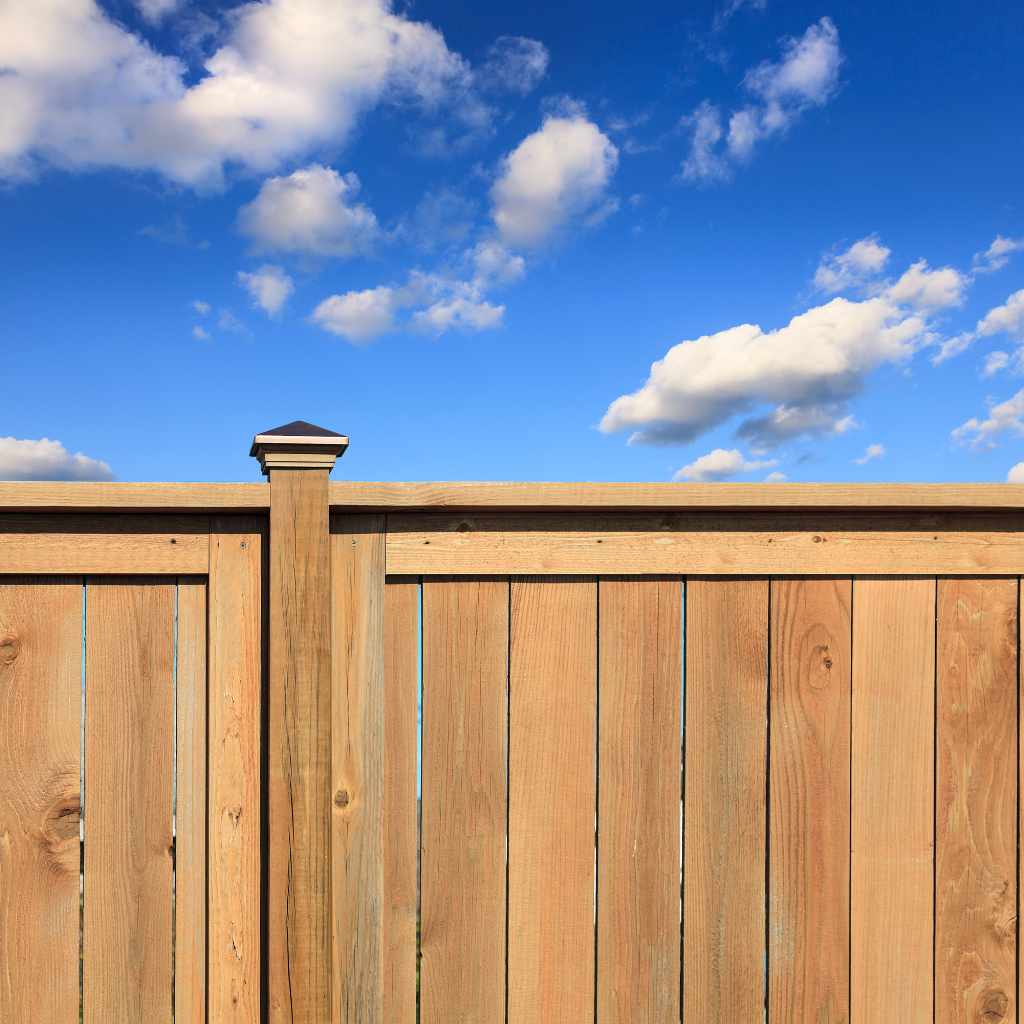
Cedar fences are another common outdoor application where the durability of the wood is a key concern. Like decks, the lifespan of a cedar fence is influenced by its environment and how well it is cared for. The posts, in particular, are critical to the fence’s overall integrity.
- Typical Lifespan
A well-installed and maintained cedar fence can last between 10 to 20 years. The fence pickets, which are more exposed to the elements, might show signs of wear sooner than the posts. However, the posts are often more prone to rot if they are in direct contact with the ground without proper treatment or setup. - Impact of Ground Contact
The lifespan of fence posts is dramatically shortened if they are set directly into the ground without any protective measures. If the posts are treated for ground contact or set in concrete, their lifespan can be extended considerably. Many people opt for metal post anchors to keep the wood entirely out of the soil, which is a highly effective method for prolonging fence life. - Maintenance Importance
Regular cleaning, occasional sealing, and prompt replacement of any damaged pickets are crucial for maximizing a cedar fence’s life. A fence that is left to weather unchecked may develop split pickets, warp, or sag due to post decay much sooner.
Cedar Siding Lifespan
When used for siding on homes, cedar offers both aesthetic appeal and natural protection. Its longevity as siding depends on the specific installation methods and the climate.
- Longevity Expectations
Cedar siding, when installed correctly and maintained, can last for 30 to 50 years or even longer. This is because siding is typically installed over a building wrap and has a rainscreen effect, allowing air to circulate and moisture to drain away more effectively than with decks or fences in direct ground contact. - Installation and Weather Barrier
Proper installation is paramount for siding. This includes ensuring adequate overlap, proper flashing around windows and doors, and sufficient ventilation behind the boards. The building wrap acts as a critical moisture barrier, protecting the house structure from water that might penetrate the siding. The way the siding is attached and the quality of the fasteners used also play a role. - Aesthetic vs. Structural Longevity
While the structural integrity of cedar siding can last for many decades, its appearance might change over time. Without stain or sealant, it will naturally weather to a silvery grey. Homeowners who wish to maintain a specific color often need to reapply stains or paints every 5-10 years, depending on the product and exposure. This is more about aesthetics than structural failure.
How to Maximize the Lifespan of Cedar Wood Outdoors
Knowing how long does cedar wood last outside is one thing, but actively making it last longer is another. There are practical steps you can take to ensure your cedar projects stand the test of time and look great for years to come. These methods are generally simple and can be incorporated into your regular outdoor maintenance.
Choosing the Right Type of Cedar
Not all cedar is created equal, and the species you choose can have an impact on its natural resistance and how long it lasts outdoors. Different types of cedar have varying levels of natural oils and extractives.
- Western Red Cedar
This is one of the most popular and highly regarded types of cedar for outdoor use. It’s known for its exceptional durability, natural resistance to decay and insects, and its beautiful reddish-brown color. Western Red Cedar has a high proportion of extractives, making it naturally long-lasting even with minimal treatment. It is also relatively lightweight and stable. - Eastern White Cedar
Also known as Arborvitae, this type of cedar is also quite resistant to decay and insects. It’s often used for shingles, posts, and fencing. While it doesn’t have quite the same level of durability as Western Red Cedar, it still offers good longevity for outdoor applications and is often more budget-friendly. It has a lighter color and a finer grain. - Inland Red Cedar
This is technically a species of Juniper but is often referred to as cedar. It is also naturally resistant to decay and insects and is a good choice for outdoor projects. Its appearance and properties are similar to Western Red Cedar.
Proper Installation Techniques
The way your cedar wood is installed has a profound effect on its lifespan. Correct installation helps prevent common problems like water pooling and allows the wood to breathe, which is essential for its health.
- Avoid Ground Contact Where Possible
As mentioned before, ground contact is a major cause of premature rot. Whenever possible, use metal post anchors to elevate fence posts, deck posts, and other structural elements off the soil. For decks, ensure there is adequate clearance between the ground and the underside of the deck frame to allow for airflow and drainage. - Allow for Expansion and Contraction
Wood naturally expands and contracts with changes in moisture and temperature. When installing deck boards, for instance, leave small gaps (typically 1/8 inch) between them to allow for this movement. Without these gaps, boards can push against each other, leading to buckling or splitting. Similarly, ensure there’s a gap between siding boards and trim. - Use Appropriate Fasteners
For outdoor cedar projects, always use high-quality, corrosion-resistant fasteners like stainless steel screws or hot-dipped galvanized nails. Standard steel fasteners will rust over time, leaving unsightly stains on the cedar and potentially weakening the connection. Stainless steel offers the best protection against corrosion. - Ensure Proper Drainage and Ventilation
Design your project so that water can easily drain away. For decks, this means ensuring the deck boards are sloped slightly away from the house. For siding, it involves proper installation of weather-resistant barriers and rainscreens. Good ventilation allows air to circulate, helping the wood dry out.
Regular Cleaning and Inspections
Consistent care is the secret weapon for making your cedar wood last. Simple routines of cleaning and checking for issues can prevent small problems from becoming big ones.
- Routine Cleaning Schedule
Aim to clean your cedar surfaces at least once a year, ideally in the spring or fall. Remove leaves, dirt, and any other debris that can accumulate and trap moisture. Use a soft brush, mild soap, and water for most cleaning tasks. For tougher grime or mildew, specialized wood cleaners are available. Always rinse thoroughly. - Inspect for Damage and Wear
During your cleaning routine, take the time to closely inspect the wood. Look for any signs of splitting, cracking, warping, or rot. Check that fasteners are still secure and that the finish is intact. Early detection of minor issues can save you from costly repairs down the line. - Address Mildew and Mold Promptly
If you spot any signs of mildew or mold, treat it immediately. A solution of one part bleach to three parts water can be effective, but always test in a small, hidden area first and wear protective gear. Rinse thoroughly after treatment. Preventing mold and mildew buildup is key to maintaining the wood’s integrity and appearance.
Reapplication of Finishes
The protective coatings you apply to your cedar wood are not permanent. They degrade over time due to sun, rain, and general wear. Knowing when and how to reapply these finishes is crucial.
- Understanding Finish Lifespan
The lifespan of a finish varies greatly depending on the product type, quality, and environmental exposure. Generally, penetrating oils and stains might need reapplication every 1-3 years, while higher-quality exterior stains with UV inhibitors could last 3-5 years. Clear sealers often require more frequent reapplication, sometimes annually. - Preparation for Reapplication
Before applying a new coat of finish, the surface of the cedar wood needs to be clean and dry. If there’s an old, peeling finish, it may need to be stripped and sanded for a smooth, even application of the new coating. For most stains and sealers, a light cleaning and ensuring the wood is completely dry is usually sufficient. - Choosing the Right Finish
When reapplying, it’s best to use the same type of finish or a compatible product. If you’re unsure, consult the manufacturer or a paint and coatings specialist. Water-based versus oil-based finishes have different properties, and mixing them can sometimes lead to adhesion problems or an uneven appearance.
Common Issues and How to Address Them
Even with the best intentions, cedar wood outdoors can encounter problems. Understanding these common issues and knowing how to fix them will help you maintain your wood’s appearance and extend its life.
Dealing with Fading and Graying
One of the most common visual changes in outdoor cedar is its tendency to fade and turn a silvery grey color. This is a natural process caused by UV radiation from the sun.
- What Causes It
The lignin in the wood, which provides its natural color and structure, is broken down by ultraviolet (UV) rays in sunlight. This process is called photodegradation. It happens on the surface of the wood and is not necessarily a sign of rot or decay, but it can make the wood more susceptible to surface erosion. - Restoring Color
If you want to restore the original color of the cedar, you can use a wood brightener or a deck cleaner that is formulated to remove the greyed layer. After cleaning and rinsing, you can then apply a stain or sealant that contains UV inhibitors and pigments to protect the wood and provide color. - Accepting the Natural Look
Many people actually prefer the weathered grey look of aged cedar. If this is your preference, you don’t need to do anything to prevent it. However, even if you embrace the grey, periodic cleaning to remove dirt and debris is still important for overall wood health.
Tackling Mold and Mildew Growth
Damp conditions, especially in shaded areas, can lead to the growth of mold and mildew on cedar wood. This appears as dark spots or a fuzzy greenish or blackish coating.
- Identifying Mold and Mildew
Mold and mildew are types of fungi that thrive in moist environments. They feed on organic matter and can not only look unsightly but can also break down the wood fibers over time if left untreated. You might also notice a musty smell associated with their growth. - Effective Cleaning Methods
For mild cases, a solution of mild dish soap and water, along with a stiff brush, can often remove the growth. For more persistent mold and mildew, a solution of 1 part household bleach to 3 parts water can be effective. Always test in an inconspicuous area first. Rinse the area thoroughly with clean water after cleaning. - Prevention Strategies
To prevent recurrence, ensure good ventilation around the wood. Trim back overhanging branches that shade the area. Keep the wood clean and dry as much as possible. Applying a quality sealant can also help make the surface less hospitable to mold and mildew spores.
Addressing Splitting and Cracking
Over time, cedar wood can develop small splits or cracks, known as checking. This is often due to the natural expansion and contraction of the wood as it absorbs and releases moisture.
- Understanding Checking
Checking occurs when the outer layers of the wood dry out and shrink faster than the inner core. This creates tension that can lead to cracks. While some checking is normal for wood, especially in its early life outdoors, excessive or deep checking can compromise the wood’s integrity. - Repairing Minor Splits
Small, surface-level checks can often be filled with an exterior-grade wood filler or epoxy. For larger or deeper splits, it’s important to use a flexible filler that can accommodate wood movement. After the filler has cured, it can be sanded smooth and then stained or sealed to match the surrounding wood. - Preventing Further Damage
The best way to minimize splitting and cracking is to control moisture. This means ensuring good drainage, allowing for ventilation, and applying protective finishes regularly. Keeping the wood properly sealed will help it maintain a more stable moisture content, reducing the stress that leads to checking.
Protecting Against Insect Infestation
While cedar is naturally resistant to many insects, it’s not completely immune. Certain types of termites or carpenter ants might still attempt to infest the wood, especially if it’s untreated or the surrounding environment is particularly conducive to pests.
- Cedar’s Natural Defense
The extractives, particularly thujaplicins, found in cedar wood are what deter most wood-boring insects. These compounds are toxic or repellent to them. The higher the quality and density of the cedar, the more effective this natural defense usually is. - When to Worry
You should be concerned if you see active signs of insect activity, such as sawdust-like frass (insect droppings) near the wood, small holes, or actual insects. This is more likely to occur if the wood has been severely weathered, has lost most of its natural oils, or if there are other attractive wood sources nearby. - Preventative Measures and Treatment
Ensuring the wood is regularly sealed can help maintain its deterrent properties. If an infestation is suspected, consult with a pest control professional. They can identify the specific pest and recommend appropriate treatments, which might include targeted insecticides or fumigation. For new projects, choosing heartwood cedar (the denser, darker part of the tree) offers the best natural resistance.
Real-Life Examples and Statistics
To give you a better idea of how cedar wood performs, let’s look at some real-world observations and supporting data. These examples help illustrate the practical outcomes of using cedar outdoors and the impact of maintenance.
Case Study: Cedar Deck in Pacific Northwest Climate
A homeowner in Seattle, Washington, built a beautiful cedar deck 15 years ago. The climate there is characterized by frequent rain, moderate temperatures, and significant humidity. The homeowner chose Western Red Cedar for its natural beauty and perceived durability.
- Initial Installation
The deck was installed with proper spacing between boards and using stainless steel fasteners. The posts were set in concrete. - Maintenance Routine
For the first 5 years, the homeowner applied a clear water-repellent sealer annually. After that, they switched to a semi-transparent stain with UV protection every 3 years. The deck was cleaned each spring. - Current Condition (15 Years Later)
The deck still looks quite good. While the stain has faded somewhat, requiring another application soon, there is no significant rot or structural damage. Some minor checking has occurred on certain boards, but it hasn’t compromised their integrity. The homeowner is pleased with the deck’s longevity and appearance, attributing it to the quality of the wood and the consistent maintenance. They expect it to last at least another 10-15 years with continued care.
Statistical Data on Wood Longevity
Research and industry observations provide valuable insights into wood durability. While precise numbers vary based on many factors, general statistics can guide expectations.
| Wood Type | Typical Outdoor Lifespan (Years) | Factors Influencing Lifespan |
|---|---|---|
| Cedar (untreated, above ground) | 15-25 | Climate, moisture, UV exposure, insect presence |
| Cedar (treated for ground contact) | 20-30+ | Quality of treatment, soil type, drainage |
| Pine (untreated, above ground) | 5-10 | High susceptibility to rot and insects |
| Pressure-Treated Pine (above ground) | 15-25 | Quality of treatment, exposure |
| Redwood (untreated, above ground) | 20-30 | Similar natural resistance to cedar |
This table highlights that cedar offers a strong balance of durability and natural resistance for outdoor applications. While pressure-treated pine can offer comparable above-ground lifespans, cedar is often chosen for its natural aesthetic and lack of chemical treatments. Redwood, a close relative in terms of natural properties, often performs similarly.
Scenario: Cedar Fence Posts in Harsh Environment
Imagine a cedar fence installed in a coastal area with high salt spray, strong winds, and fluctuating humidity. The fence pickets were installed correctly, but the posts were simply set directly into the soil.
- Initial Installation
The fence looked great upon completion. The cedar pickets offered a nice aesthetic. - Environmental Challenges
The constant salt spray is corrosive, and the high humidity combined with occasional heavy rainfall creates ideal conditions for rot. The direct ground contact for the posts means they are constantly drawing moisture from the soil. - Outcome After 8 Years
After 8 years, several fence posts have begun to rot at ground level, causing the fence to sag in sections. While the pickets are still relatively sound, their attachment points to the decaying posts are failing. The homeowner now faces the prospect of replacing multiple posts and potentially reinforcing or replacing sections of the fence much sooner than anticipated. This illustrates how neglecting one critical element (ground contact protection for posts) can drastically shorten the overall lifespan.
Frequently Asked Questions
Question: Does cedar wood rot outside
Answer: Cedar wood is naturally resistant to rot due to its natural oils, but it can eventually rot if it is constantly exposed to moisture and doesn’t have protective finishes. The rate of rot is much slower than with many other wood types.
Question: How long does cedar decking last without sealing
Answer: Without any sealing or staining, cedar decking will still last a considerable amount of time due to its natural properties, likely between 10-15 years. However, it will likely turn grey faster and may experience more checking (cracking) than if it were sealed.
Question: Is cedar good for outdoor furniture
Answer: Yes, cedar is an excellent choice for outdoor furniture. Its natural resistance to decay and insects makes it durable and long-lasting, even with minimal maintenance. It also has a beautiful appearance.
Question: Can I paint cedar wood for outdoor use
Answer: You can paint cedar wood for outdoor use. However, it’s often recommended to use a stain or sealant that allows the natural beauty of the wood to show through. If you paint, ensure you use a high-quality exterior paint and proper primer to prevent peeling and maintain longevity.
Question: How often should I reseal cedar wood
Answer: You should reseal cedar wood typically every 1 to 3 years, depending on the product used, the climate, and the amount of exposure to the elements. Regular inspection will help you determine when it’s time for reapplication.
Final Thoughts
When considering how long does cedar wood last outside, it’s clear that while cedar is a naturally durable material, its lifespan outdoors is a combination of its inherent qualities and how it’s treated. The natural oils and compounds within cedar provide a strong defense against rot and insects, making it a superior choice for many outdoor projects compared to less resistant woods. However, this natural resilience doesn’t mean it’s invincible.
Environmental factors like constant moisture, direct sunlight, and temperature fluctuations will eventually take their toll. The key to maximizing the life of your cedar projects lies in understanding these influences and implementing proactive measures. Choosing the right type of cedar, such as Western Red Cedar, and installing it correctly with attention to drainage and ventilation are foundational steps.
Furthermore, a consistent maintenance schedule that includes regular cleaning and the timely reapplication of protective finishes like stains or sealers is essential. By embracing these practices, you can ensure your cedar decks, fences, siding, and furniture not only endure for many years but also retain their attractive appearance, offering lasting value and enjoyment for your outdoor spaces.