How Long Does Gorilla Glue Take To Dry Cure Guide
Ever been in the middle of a DIY project, ready to stick two pieces together, only to stare at the glue bottle wondering, “Just how long will this take to set?” You’re not alone! Many of us have faced that moment of impatience, especially with a strong adhesive like Gorilla Glue. This post is all about answering that pressing question and giving you the full picture on drying and curing times.
You’ll learn exactly what affects how fast Gorilla Glue works and how to get the best results for your projects.
Gorilla Glue Drying And Curing Explained
When you’re working on a project that needs to be strong and reliable, knowing the drying and curing times for your adhesive is important. Gorilla Glue is known for its super strength, but its unique properties mean it behaves a bit differently than other glues. Understanding how long it takes for Gorilla Glue to dry and then fully cure will help you plan your projects better and avoid any unexpected issues.
This guide will walk you through everything you need to know so your repairs and creations hold up as long as they should.
What Is Gorilla Glue And How Does It Work
Gorilla Glue is a polyurethane-based adhesive famous for its incredibly strong bond on a wide variety of materials. Unlike many common glues that rely on solvent evaporation or UV light to harden, Gorilla Glue reacts with moisture. Yes, that’s right, water is the key ingredient that activates its bonding power.
When you apply Gorilla Glue to a surface, it absorbs moisture from the air or from the materials themselves. This moisture triggers a chemical reaction within the glue, causing it to foam and expand slightly as it cures. This expansion helps it fill in gaps and create an exceptionally strong, durable bond.
Because of this moisture-activated process, its drying and curing times can be a bit different from what you might expect.
How Long Does Gorilla Glue Take To Dry
The term “dry” can be a little tricky with Gorilla Glue because it doesn’t just evaporate like water-based glues. Instead, it goes through stages of setting and then fully curing.
Initial Set Time
The initial set time refers to how long it takes for the glue to become firm enough that you can stop holding the pieces together and they won’t immediately separate. For most standard Gorilla Glue products, this typically happens within about 2 to 6 hours. During this initial set, the glue has started its curing process but has not reached its full strength.
It’s important to keep the bonded items undisturbed during this period.
Full Cure Time
The full cure time is when the Gorilla Glue has completely hardened and achieved its maximum bond strength. This is the point where your project is truly ready for any stress or use. For most Gorilla Glue formulations, full cure takes approximately 24 hours.
While it will be somewhat stable and hold things together after the initial set, waiting the full 24 hours ensures the strongest possible bond.
Factors Affecting Gorilla Glue Drying Time
Several things can influence how quickly your Gorilla Glue dries and cures. Knowing these factors can help you speed up the process or at least predict it more accurately.
Moisture Levels
As mentioned, moisture is essential for Gorilla Glue to cure. This means that the humidity in the air plays a significant role.
- High Humidity: In a humid environment, Gorilla Glue will cure faster. The glue has plenty of moisture to react with, speeding up the chemical process.
- Low Humidity: In very dry conditions, the cure time can be extended. The glue may take longer to absorb enough moisture to fully harden. If you’re in a dry climate, you might need to lightly mist one of the surfaces with water (do not soak) to help initiate the cure.
Temperature
Temperature also affects the rate at which Gorilla Glue cures.
- Warm Temperatures: Warmer conditions generally speed up chemical reactions, including the curing of Gorilla Glue.
- Cold Temperatures: Colder temperatures will slow down the curing process. It’s best to use and cure Gorilla Glue at room temperature or slightly warmer for optimal results. Avoid using it in freezing conditions.
Type Of Glue Used
Gorilla Glue offers a range of products, and their specific formulations can have slightly different drying and curing times.
- Original Gorilla Glue: This is the classic formula, and it generally follows the 2-6 hour initial set and 24-hour full cure.
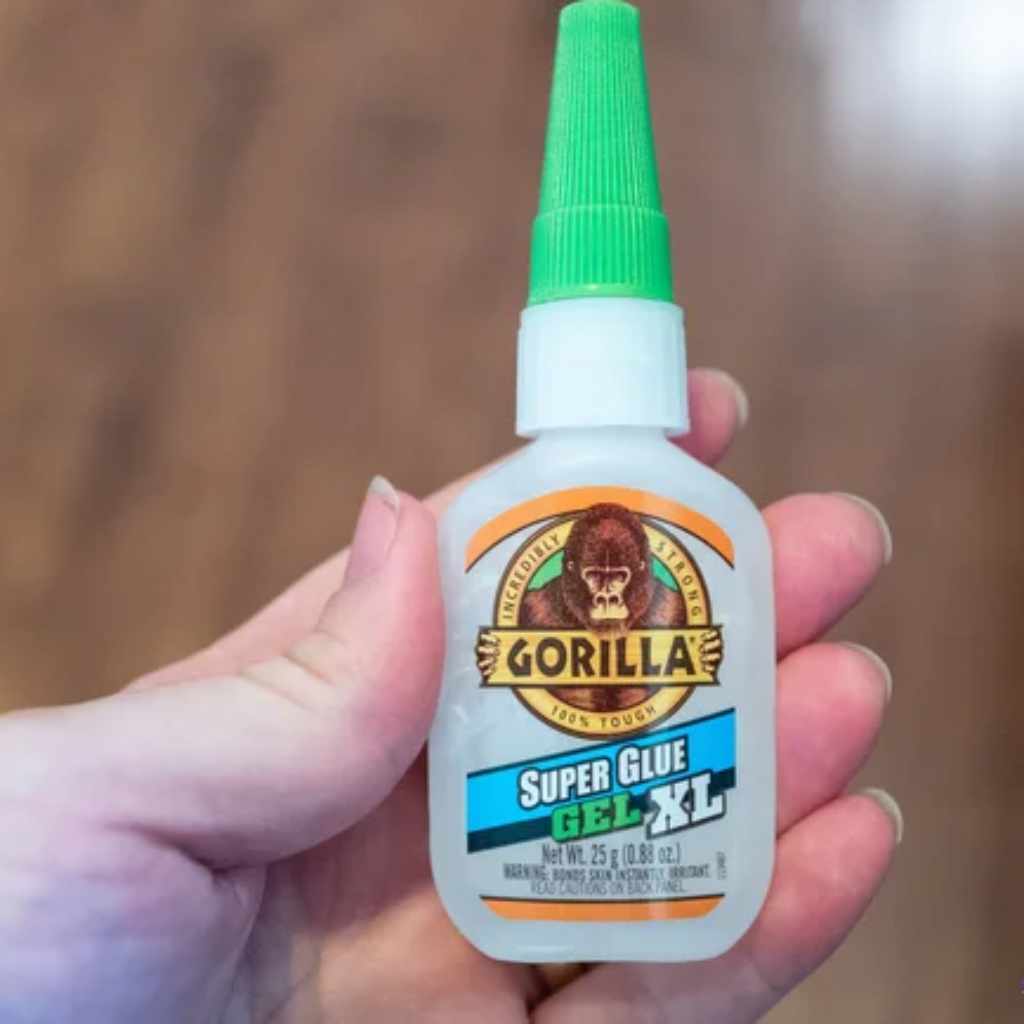
- Gorilla Glue Gel: The gel version is thicker and designed for vertical surfaces or where less drips are desired. It can sometimes take a little longer to fully set due to its consistency, but the full cure is still typically around 24 hours.
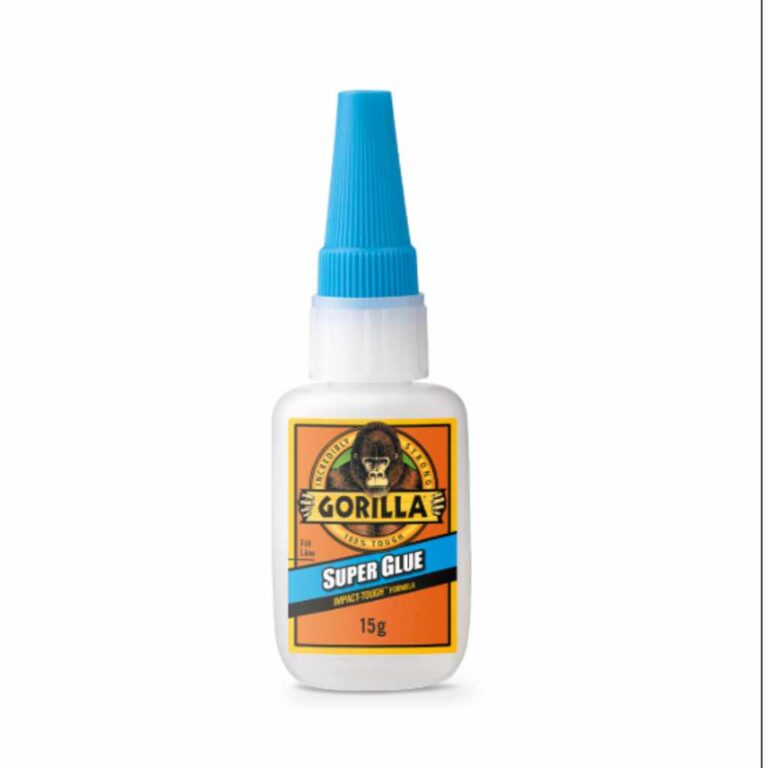
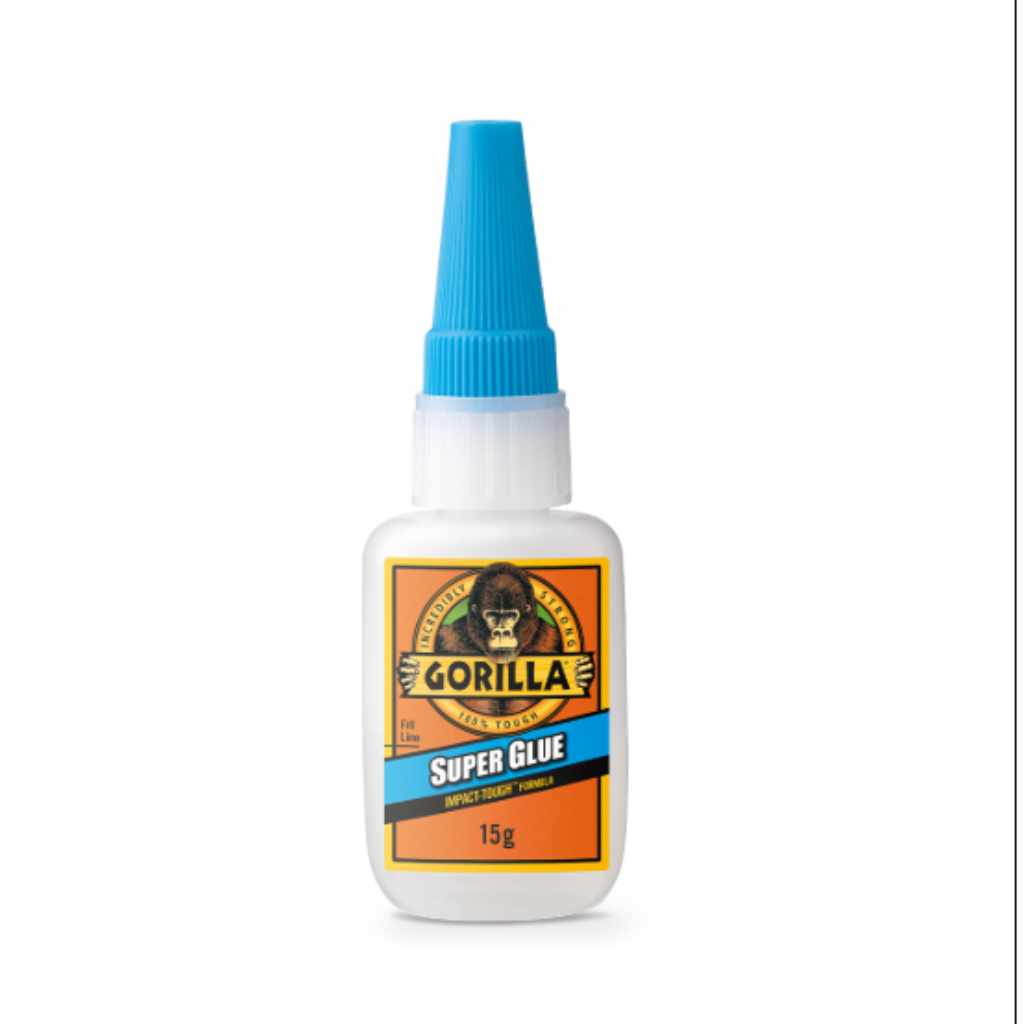
- Gorilla Super Glue: This is a different type of adhesive (cyanoacrylate) and dries much faster, usually within seconds, with a full cure within hours. This is not the moisture-activated polyurethane glue.
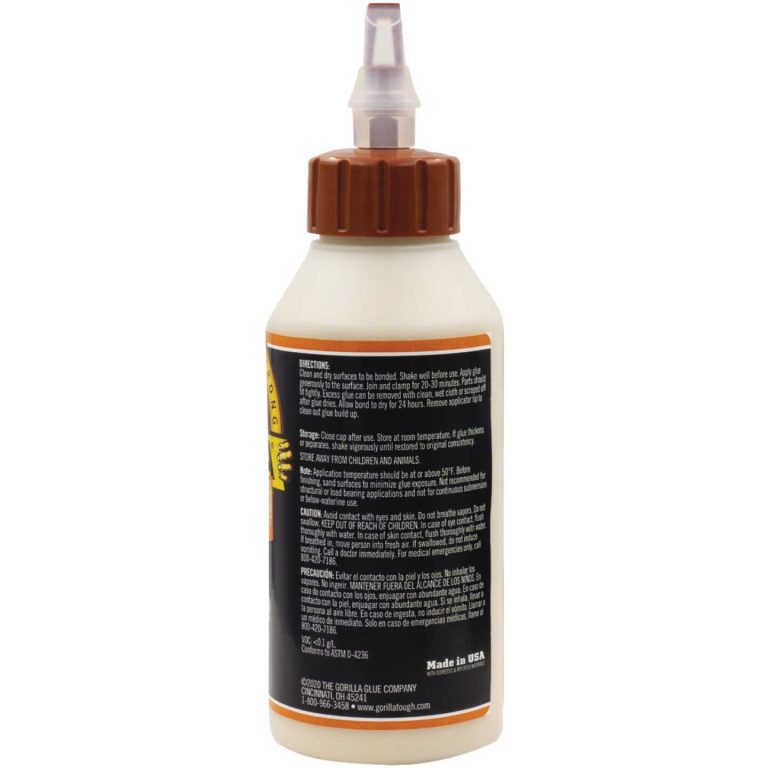
- Gorilla Wood Glue: This is PVA-based and has its own set of drying and curing times, usually faster for initial set but still requiring a significant period for full strength.
Always check the specific product packaging for the most accurate drying and curing information.
Surface Type
The materials you are bonding can also impact how quickly the glue cures because some surfaces hold more moisture than others.
- Porous Materials: Materials like wood, fabric, or paper naturally contain moisture and can help speed up the Gorilla Glue curing process.
- Non-Porous Materials: Smooth, non-porous surfaces like metal, plastic, or glass might require a little extra moisture. Lightly misting one surface with water before applying the glue can be helpful.
Amount Of Glue Used
Using too much glue can actually prolong the curing time. Gorilla Glue expands as it cures, and a thick layer will take longer to fully harden and dry than a thin, even application. Apply just enough to create a thin, uniform layer.
How To Speed Up Gorilla Glue Drying
If you’re in a hurry and need your bond to set faster, there are a few tricks you can try, but remember these are for the initial set; full cure still needs time.
- Increase Humidity: If the air is dry, you can create a more humid environment. Placing a damp cloth nearby or using a humidifier can help.
- Lightly Mist: For non-porous surfaces, a light mist of water on one of the surfaces before applying the glue can kickstart the curing process. Be careful not to soak the surface, as too much water can dilute the glue and weaken the bond.
- Apply Heat (Carefully): Gentle warmth can speed up the chemical reaction. A heat lamp or a warm room can help. Avoid using direct high heat, which could damage the materials or the glue.
How To Ensure A Strong Bond
Getting the timing right is crucial, but so is the preparation and application.
Surface Preparation
Before you apply any glue, make sure the surfaces are clean, dry (unless you’re adding a mist of water to one side), and free from dust, oil, or any loose material. This ensures the best possible adhesion. For very smooth surfaces, lightly scuffing them with sandpaper can create a better grip for the glue.
Application Technique
Apply a small amount of Gorilla Glue to one surface. Remember, it expands as it cures, so you don’t need a lot. For most projects, a thin, even bead is sufficient.
Clamping
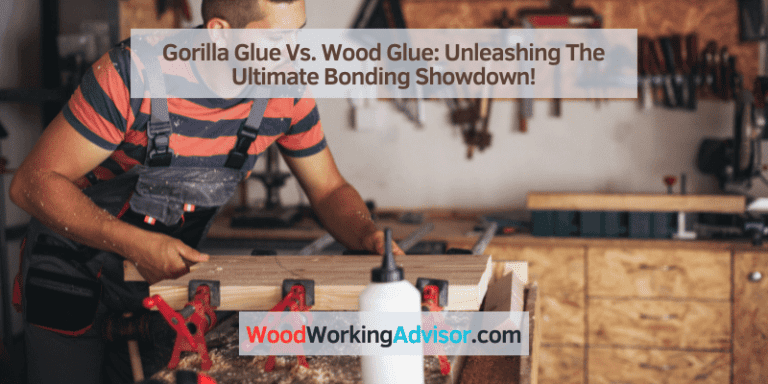
Once you’ve joined the pieces, it’s essential to hold them together securely while the glue sets. This is where clamps, tape, or heavy objects come in handy. Clamping ensures that the pieces remain in place and don’t shift as the glue expands and cures, which is vital for achieving a strong, permanent bond.
Leave the clamps on for the entire initial set time, and ideally for several hours.
Ventilation
Gorilla Glue releases fumes during the curing process, so it’s always a good idea to work in a well-ventilated area.
Common Mistakes To Avoid
Even with the best intentions, mistakes can happen. Here are a few common ones when working with Gorilla Glue:
- Using Too Much Glue: This is a common error. More glue doesn’t necessarily mean a stronger bond; it can lead to messy squeeze-out and a longer cure time.
- Not Clamping Properly: If the pieces move during the curing process, the bond will be weakened. Ensure a firm, steady connection.
- Adding Too Much Water: While a light mist can help, soaking the surface can dilute the glue and compromise the bond strength.
- Rushing The Cure: Trying to put stress on the bond before it’s fully cured can lead to failure. Patience is key for Gorilla Glue.
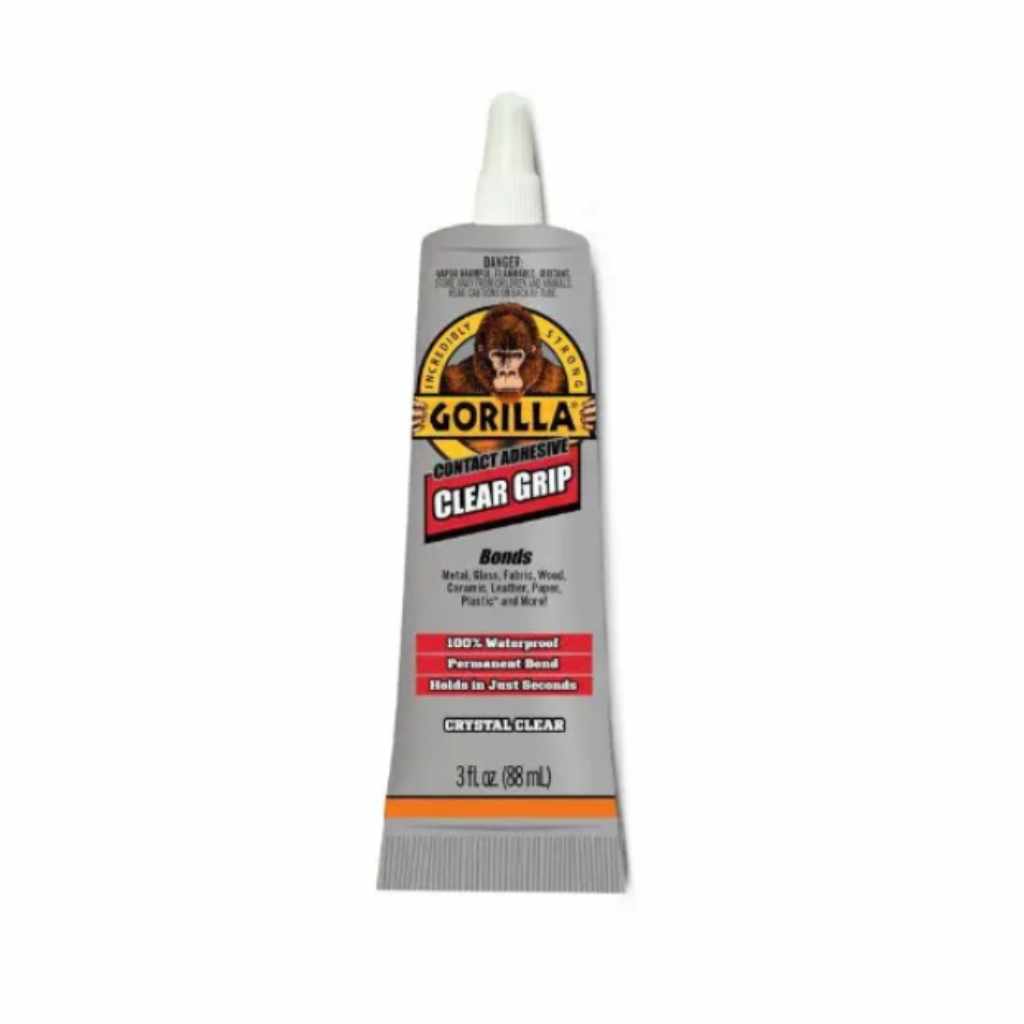
- Not Reading The Label: Different Gorilla Glue products have different instructions and cure times. Always refer to the specific product you are using.
Gorilla Glue Projects And Their Cure Times
The specific project you’re working on can also influence how you interpret drying and curing.
Woodworking Projects
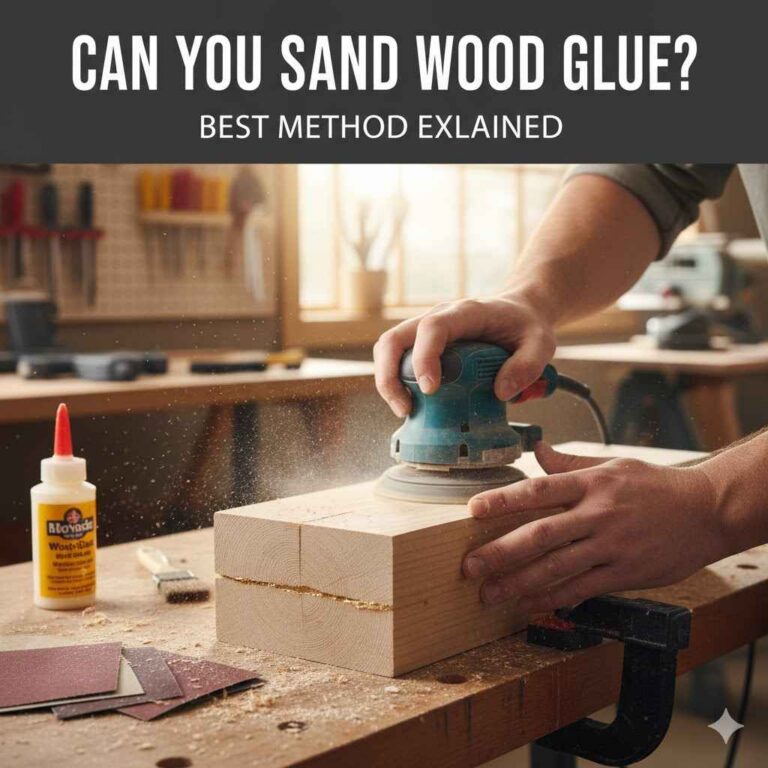
For furniture repair, building birdhouses, or other woodworking tasks, the 24-hour full cure is important before you sand, paint, or put the item into heavy use. The porous nature of wood generally helps Gorilla Glue cure effectively.
Household Repairs
Fixing a cracked vase, a broken tool handle, or reattaching a sole to a shoe often requires an initial set within a few hours so you can handle the item again. However, for the strongest repair that will withstand daily use, wait the full 24 hours.
Crafts And Decorations
When creating decorative items, you might be able to handle them after the initial set. However, if the item will be exposed to fluctuating temperatures or humidity, waiting for the full cure is recommended for durability.
Outdoor Use
For items that will be used outdoors, Gorilla Glue’s waterproof nature is a big plus. However, ensure the full 24-hour cure before exposing the item to the elements. Extreme temperatures or prolonged moisture exposure before full cure can affect the final bond.
Troubleshooting Gorilla Glue Issues
Sometimes things don’t go as planned. Here’s how to handle common Gorilla Glue challenges:
Glue Not Curing Properly
If your Gorilla Glue seems to be staying sticky or wet for an unusually long time, it’s likely due to low humidity or cold temperatures. Try increasing the humidity around the project or moving it to a warmer location.
Excessive Foaming
Gorilla Glue foams to fill gaps, but too much foaming can occur if too much moisture is present or if too much glue is used. If you have excessive squeeze-out, wipe it away while it’s still wet (wear gloves!) or trim it carefully once it has cured.
Weak Bond
A weak bond is usually the result of improper surface preparation, not enough clamping pressure, or not allowing the glue to fully cure before stressing the joint. Ensure you’ve followed all the preparation and clamping steps carefully and waited the full 24 hours.
Table Comparing Gorilla Glue Types And Times
| Gorilla Glue Product | Initial Set Time | Full Cure Time | Notes |
|---|---|---|---|
| Original Gorilla Glue | 2-6 Hours | 24 Hours | Moisture-activated, expands, bonds multiple surfaces. |
| Gorilla Glue Gel | 1-2 Hours | 24 Hours | Thicker, controls drips, good for vertical surfaces. |
| Gorilla Super Glue (Cyanoacrylate) | Seconds | 12-24 Hours | Dries very fast, requires precise application, not moisture-activated in the same way. |
| Gorilla Wood Glue | 30-60 Minutes | 24 Hours | PVA-based, strong for wood, water-resistant. |
Frequently Asked Questions
Question: How long should I clamp the pieces together when using Gorilla Glue?
Answer: You should clamp the pieces together for the entire initial set time, which is typically 2 to 6 hours, but it’s best to leave them clamped for several hours or even overnight for the strongest possible bond.
Question: Can I speed up the drying time of Gorilla Glue with a hairdryer?
Answer: You can use gentle warmth, like from a heat lamp or a warm room, to help speed up the curing process. However, using a hairdryer on high heat might be too intense and could potentially damage the materials or the glue itself. Use gentle, indirect heat.
Question: What should I do if I get Gorilla Glue on my skin?
Answer: If Gorilla Glue gets on your skin, do not try to pull it off forcefully. It will eventually wear off naturally as your skin sheds. You can try soaking the area in warm, soapy water or using an oil-based product like petroleum jelly or olive oil, which can help loosen the bond.
Question: Is Gorilla Glue truly waterproof?
Answer: Yes, the original Gorilla Glue is waterproof once fully cured. This makes it an excellent choice for projects that might be exposed to moisture or used outdoors.
Question: How can I clean up wet Gorilla Glue squeeze-out?
Answer: Wipe away wet Gorilla Glue squeeze-out immediately with a dry cloth or paper towel. For stubborn wet residue, mineral spirits or denatured alcohol can sometimes help remove it, but always test on an inconspicuous area first, and wear gloves.
Final Thoughts
Understanding How Long Does Gorilla Glue Take to Dry? Cure Guide is about more than just waiting; it’s about ensuring your projects stand the test of time. Remember that the initial set, typically within a few hours, means the glue is firm enough to hold, but the full cure, usually taking a full 24 hours, is when the bond reaches its ultimate strength and durability.
Factors like humidity, temperature, and the type of material you’re bonding all play a part in this process. Don’t hesitate to give the surfaces a light mist of water if they are dry, especially if you’re working with non-porous materials, to help the moisture-activated glue do its job. Patience is a virtue, especially when it comes to adhesives.
Make sure you clamp your project securely for the recommended initial set time and resist the urge to test the strength too early. By paying attention to these details and checking the specific instructions on your Gorilla Glue product, you can achieve incredibly strong and long-lasting bonds for all your repair and crafting needs. Happy gluing!