How Long Does It Take Elmer’s Glue to Dry? Proven Facts
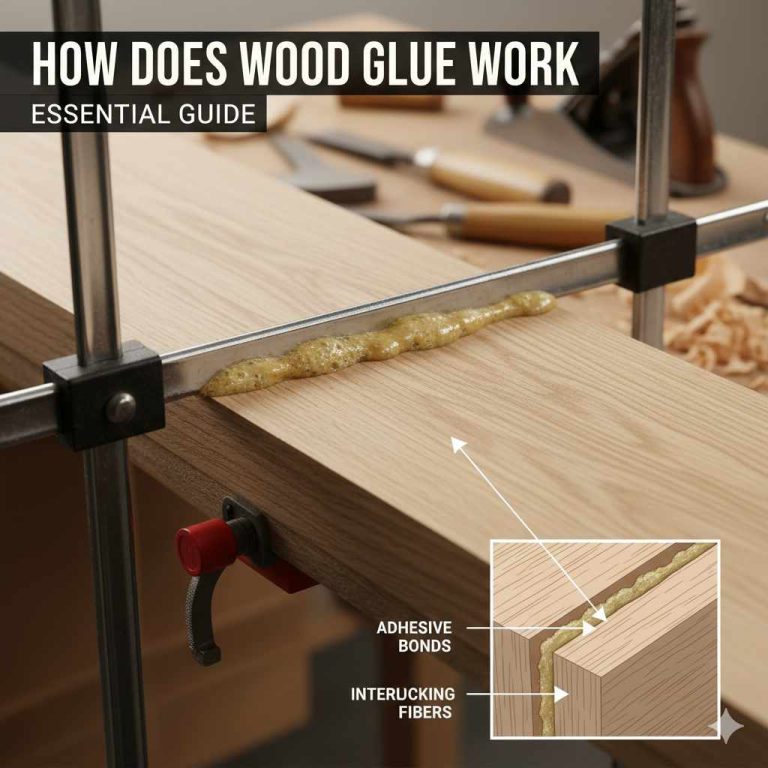
Elmer’s Glue typically takes about 1-2 hours to dry to the touch and 24 hours for a full cure, depending on the type of glue, application thickness, and environmental conditions. Understanding these factors ensures a strong, lasting bond for your projects.
Hey there, DIY enthusiasts and aspiring woodworkers! Md Meraj here. Ever held a project together with that familiar white bottle of Elmer’s Glue, only to wonder, “Is it dry yet?” It’s a question many of us ask, especially when we’re eager to move on to the next step or admire our finished work. Getting the drying time right is crucial for a strong bond, whether you’re crafting a birdhouse, assembling school projects, or making simple home repairs. Don’t worry, we’ll break down exactly how long Elmer’s Glue needs to work its magic, so you can get back to building. Let’s dive into the facts and get your projects sealed tight!
Understanding Glue Drying: More Than Just Waiting
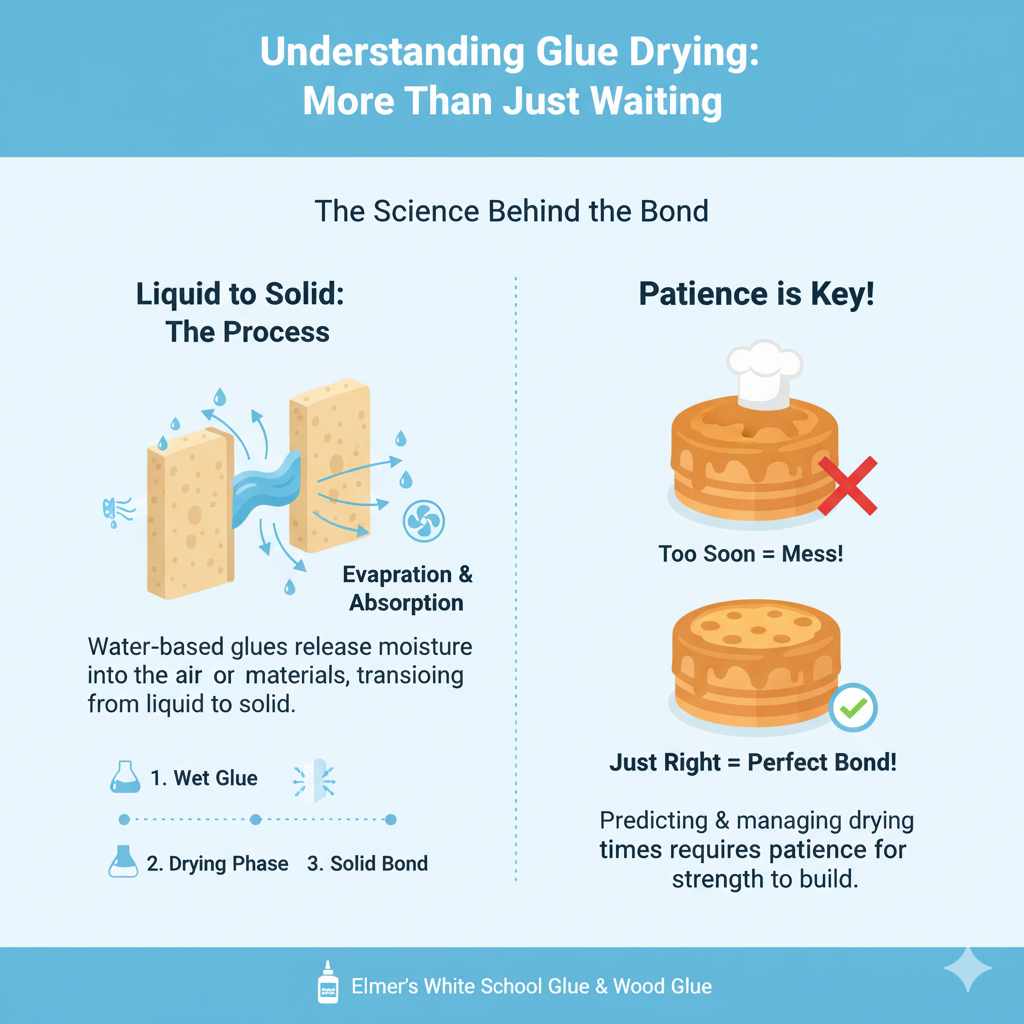
When we talk about glue drying, it’s not just about the surface feeling hard. It’s a process where the glue changes from a liquid or semi-liquid state to a solid, creating a strong connection between the materials. For most common white glues, like the iconic Elmer’s School Glue or Elmer’s Wood Glue, this happens through evaporation and absorption. Water-based glues release moisture into the air or are absorbed by the porous materials you’re joining. This process needs patience, and understanding the basic principles helps us predict and manage drying times effectively. It’s a bit like baking a cake – too soon, and it’s a mess; just right, and it’s perfect!
The Main Player: Elmer’s White PVA Glues
Elmer’s is famous for its polyvinyl acetate (PVA) glues. These are a go-to for many because they’re non-toxic, easy to clean up with water, and generally safe for a wide range of uses, from paper crafts to basic woodworking. The most common types you’ll encounter are:
- Elmer’s School Glue: This is the classic, washable white glue. It’s designed for school projects, paper, and light crafts.
- Elmer’s Glue-All: A bit stronger than school glue, this versatile adhesive works on paper, wood, fabric, and more. It’s great for general household repairs and crafts.
- Elmer’s Wood Glue: Specifically formulated for wood, this PVA glue offers a much stronger bond and better moisture resistance than the general-purpose glues, making it ideal for furniture and woodworking projects.
While they all share basic PVA chemistry, their formulations are tweaked for different purposes, influencing their drying and curing times. Let’s look at how long each typically needs.
How Long Does Elmer’s School Glue Take to Dry?
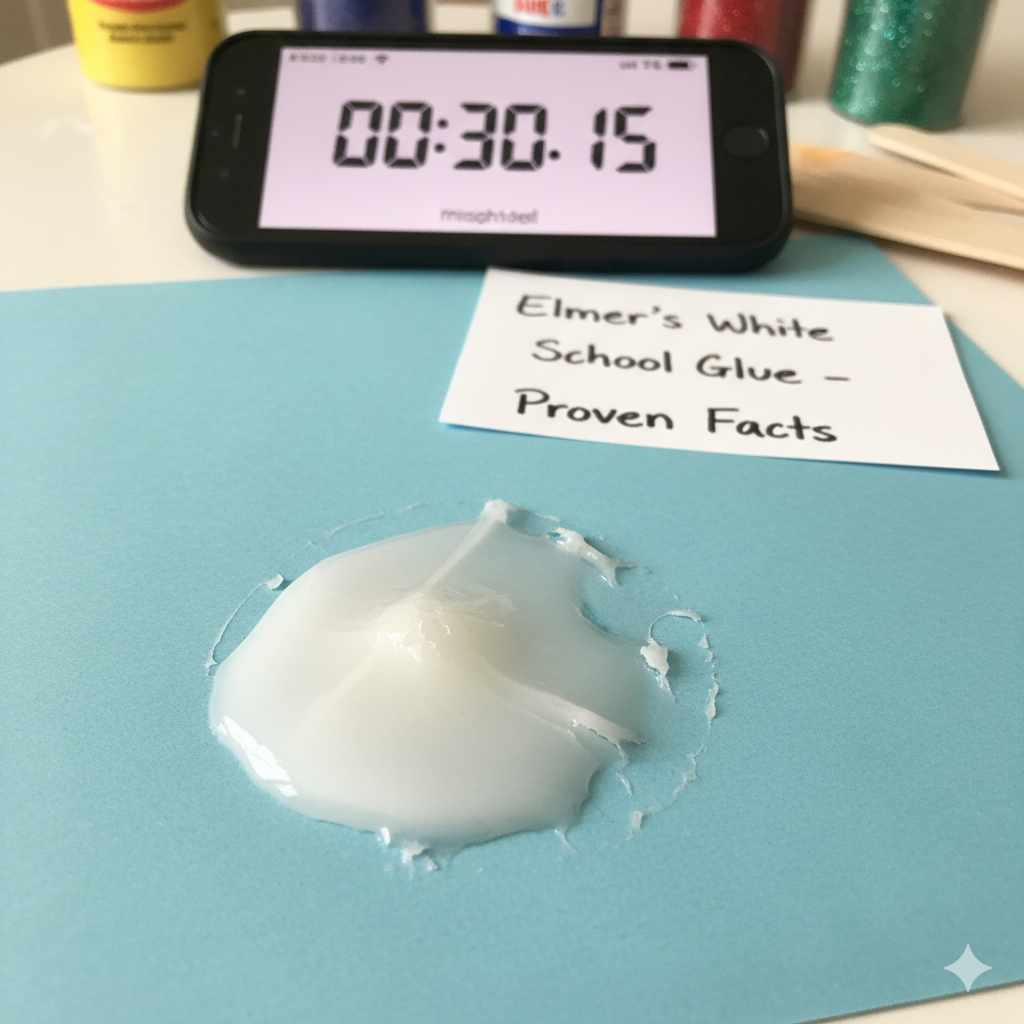
Elmer’s School Glue is designed for quick, easy application for younger users. For most general crafts involving paper, cardboard, or light fabric, you can expect:
- Dries to the touch: Around 15-20 minutes. You can usually handle the item gently without smudging the glue at this point.
- Full bond: About 1 hour. While it feels dry, the bond isn’t at its maximum strength yet. For items that will experience stress, like a diorama piece, waiting longer is a good idea.
This glue dries clear and is perfect for projects that don’t require heavy-duty strength. Think about attaching glitter to artwork or assembling a holiday card – it’s ideal for those types of tasks.
How Long Does Elmer’s Glue-All Take to Dry?
Elmer’s Glue-All steps up the performance a notch. It’s more robust and suitable for a broader range of materials. For typical applications:
- Dries to the touch: Approximately 20-30 minutes. It might feel slightly tacky for longer than school glue.
- Full bond: Roughly 1-2 hours. For projects where durability is a bit more important, like attaching wood veneers or fabric decorations that might get handled, giving it at least an hour is wise.
Glue-All dries into a flexible, transparent bond, which is a great advantage for many craft and repair situations where you don’t want a brittle connection.
How Long Does Elmer’s Wood Glue Take to Dry?
This is where we get serious about strength! Elmer’s Wood Glue is designed for joinery and woodworking. It’s much more durable and water-resistant than its family members if you select the right variant. The times here are more critical for structural integrity:
- Dries to the touch (sets): Usually around 30-45 minutes. This means the glue is firm enough that the pieces are unlikely to shift easily.
- Clamping time: Most instructions recommend clamping for at least 30-60 minutes for basic joints. For stronger joints or under more stress, extending this is beneficial.
- Full cure (maximum strength): A full 24 hours. This is when the glue reaches its ultimate bond strength and can withstand significant force and moisture. Don’t subject your wood joints to heavy loads until this full cure time has passed.
Elmer’s Wood Glue, particularly their Carpenter’s Wood Glue, is formulated to create extremely strong bonds on wood, often stronger than the wood itself. For an authoritative guide on wood glue types and performance, the Woodworkers Journal offers excellent insights.
Factors Affecting Elmer’s Glue Drying Time
While the general timelines are helpful, several variables can speed up or slow down the drying process. Think of these as the environmental conditions in your workshop:
1. Application Thickness
This is probably the biggest factor. If you apply a thin, even layer of glue, it will dry much faster than a thick, goopy application. With thin layers, the water has more surface area to evaporate from, and if you’re gluing porous materials like wood or paper, the material can absorb the moisture more readily.
- Thin layer: Dries quicker.
- Thick layer: Takes significantly longer to dry. It can sometimes even prevent a strong bond if it doesn’t fully cure.
Tip: For best results, use just enough glue to cover the surfaces to be joined. A thin, even coating is key. I always recommend spreading it with a small brush or roller for evenness on larger surfaces.
2. Wood Porosity and Type
Different types of wood have different densities and pore structures. Denser hardwoods might absorb less moisture from the glue, potentially slowing down the drying process compared to softwoods.
- Porous woods (like pine): Dry faster as they absorb more moisture.
- Dense hardwoods (like oak or maple): May take a bit longer to dry.
This difference is usually minor, but it’s something to consider for critical joints.
3. Ambient Temperature
Temperature plays a significant role in evaporation rates. Warmer environments generally speed up drying, while cooler environments slow it down.
- Warm conditions (above 70°F / 21°C): Glue dries faster.
- Cool conditions (below 60°F / 15°C): Glue dries slower.
Working in a climate-controlled space is ideal, but if you’re in a cooler garage, expect your glue to take a little longer to set.
4. Humidity Levels
Humidity is the amount of water vapor in the air. High humidity means there’s already a lot of moisture in the air, making it harder for the water in your glue to evaporate.
- Low humidity: Glue dries faster.
- High humidity: Glue dries slower.
In very humid conditions, especially with water-based glues, you might notice a protracted drying time. Avoid projects in a steamy bathroom or during a rainstorm if you need a quick, strong bond.
5. Airflow
Good airflow helps whisk away the evaporating water, speeding up the drying process. If you’re working in a still, enclosed space, the air can become saturated with moisture from the glue, slowing things down.
- Good airflow (fan, open window): Speeds up drying.
- Poor airflow (stagnant air): Slows down drying.
A simple fan can make a big difference in drying times for water-based glues.
6. Type of Glue
As we’ve seen, even within the Elmer’s family, different formulations have different drying properties. Wood glues are designed to be stronger and often more water-resistant, which can affect their initial drying and setting times compared to simpler craft glues.
How to Speed Up Elmer’s Glue Drying (Safely!)
We all get impatient sometimes, right? While you can’t magically make glue cure instantly, you can encourage it to dry more efficiently. Here are a few safe methods:
- Apply a Thin, Even Coat: This is the most important step for faster drying. Ensure both surfaces have a consistent, light layer of glue.
- Increase Airflow: Use a small fan to gently blow air across the glued area. This helps dissipate the moisture more quickly.
- Reduce Humidity: If possible, work in a drier environment. Dehumidifiers can be very effective.
- Slightly Increase Temperature: A warmer room will accelerate evaporation. Aim for around 70-75°F (21-24°C). Avoid excessive heat, which can sometimes weaken certain glues.
- Proper Clamping (for Wood Glue): For wood glue, applying firm, even pressure with clamps helps squeeze out excess glue and ensures a tight joint. However, don’t overtighten, as this can starve the joint of glue and reduce bond strength. The goal is snug, not crushing.
Caution: Never resort to extreme heat, like trying to bake your project or using a direct heat gun. This can damage the materials, degrade the glue’s performance, and even create a fire hazard. Patience is truly a virtue when it comes to glue!
When to Reapply or Add More Glue
Sometimes, a bond might not feel as strong as you’d like, or you might have applied too little glue. Here’s how to handle it:
- If the glue is still wet: The best course of action is often to carefully separate the pieces, wipe off the old glue, reapply a fresh, thin coat, and re-join them.
- If the glue is partially dry but still tacky: You might be able to add a bit more glue, but the bond may not be as strong. It’s usually better to clean off what you can and start fresh for critical joints.
- If the glue is fully dry and the bond is weak: You’ll likely need to try to break the joint apart (sometimes this is easy, sometimes it requires force or tools) and then re-glue it properly. For wood, always aim for clean surfaces with an even glue application.
For woodworking, a good rule of thumb from experienced builders is that if you doubt the glue joint, it’s probably not strong enough. It’s better to redo it than risk failure later.
Elmer’s Glue Drying Times at a Glance
To help you quickly reference the information, here’s a table summarizing the expected drying times. Keep in mind these are averages and can be influenced by the factors we discussed.
| Elmer’s Glue Type | Dries to the Touch (Approx.) | Full Bond/Cure (Approx.) | Notes |
|---|---|---|---|
| Elmer’s School Glue | 15-20 minutes | 1 hour | Best for paper, light crafts. Dries clear. |
| Elmer’s Glue-All | 20-30 minutes | 1-2 hours | Versatile for paper, fabric, light wood. Dries clear and flexible. |
| Elmer’s Wood Glue (Interior) | 30-45 minutes (sets) | 24 hours (full cure) | For wood projects. Strong, durable bond. Water-resistant after cure. |
| Elmer’s Wood Glue (Max/Exterior) | 30-60 minutes (sets) | 24 hours (full cure) | Specifically for exterior wood projects, higher water resistance. |
This table is a great guide for planning your project timeline. For instance, if you’re making a model and need to paint it the next day, knowing that Elmer’s Wood Glue will be fully cured by then is essential.
Comparing Elmer’s to Other Adhesives
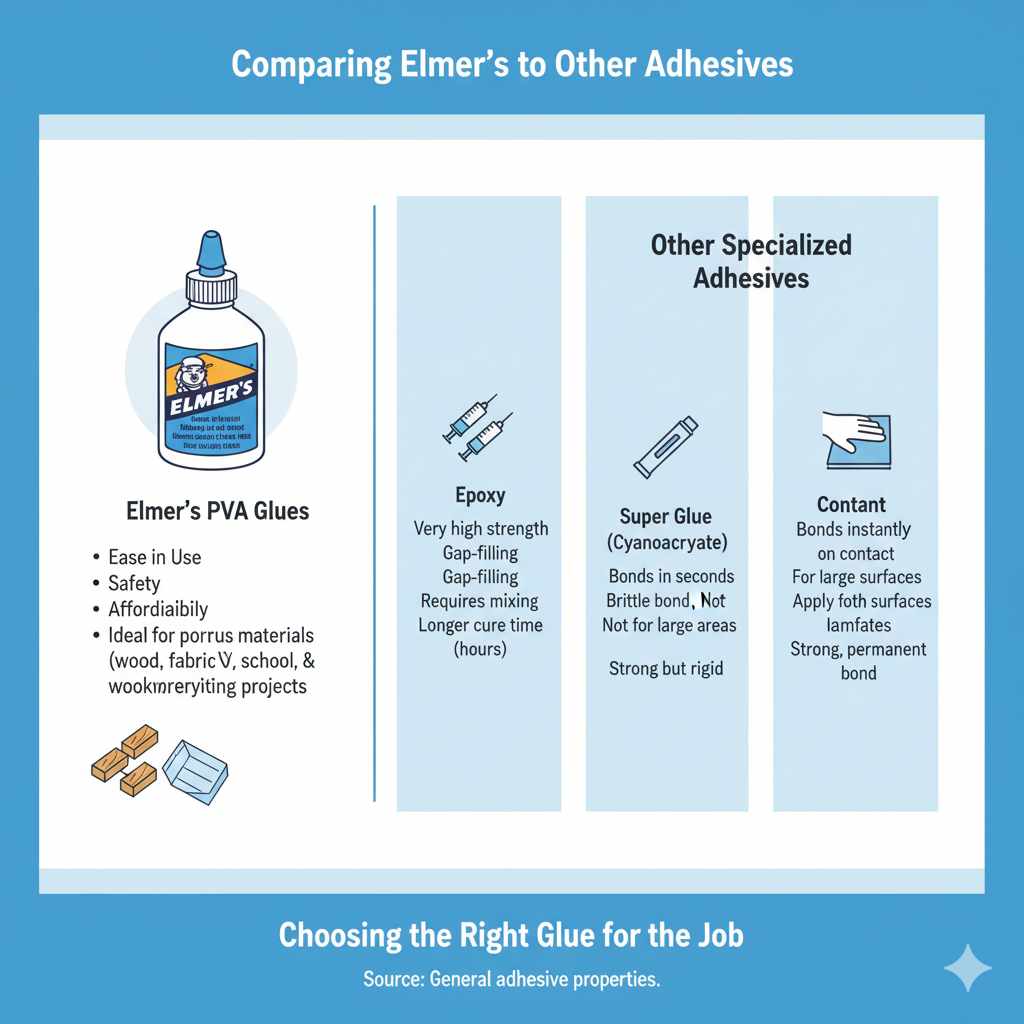
It’s worth noting that Elmer’s PVA glues are just one type of adhesive available. They generally offer a good balance of ease of use, safety, and effectiveness for many common tasks. However, if you need extreme strength, water-proofing, or fast-setting capabilities for specialized applications, other glues might be more suitable. For example:
- Epoxy: Offers very high strength and gap-filling capabilities but requires mixing and has a longer working time, with cure times often in the hours.
- Cyanoacrylate (Super Glue): Bonds in seconds but is brittle and not ideal for large surface areas or projects that experience significant stress.
- Contact Cement: Bonds instantly on contact, suitable for large surfaces like laminates and veneers, but requires application to both surfaces and letting it tack up before joining.
Elmer’s glues are fantastic for their intended purposes due to their user-friendliness and affordability. For many DIY and woodworking projects, they are the perfect choice. You can learn more about general adhesive properties and choices from resources like Popular Mechanics, which often review different glues and their applications.
Frequently Asked Questions About Elmer’s Glue Drying
Q1: Can I speed up Elmer’s glue drying with a hairdryer?
A1: While a hairdryer on a low, cool setting might help slightly by increasing airflow, using it on high heat or too close can be detrimental. Excessive heat can degrade the glue’s adhesive properties, making the bond weaker, and may warp or damage your materials. Gentle airflow is better than intense heat.
Q2: How long does Elmer’s Wood Glue take to dry on painted wood?
A2: If you’re gluing wood to wood, painting a surface beforehand might slightly slow down the drying time because the paint can act as a barrier to absorption. However, for a strong wood-to-wood bond using Elmer’s Wood Glue, it’s always best to glue bare wood surfaces for optimal adhesion. If you must glue to painted wood, ensure the paint is fully cured and adhere to the standard drying times.
Q3: Is Elmer’s Glue waterproof?
A3: Standard Elmer’s School Glue and Glue-All are not waterproof; they are water-washable or water-resistant. Elmer’s Wood Glue, especially their Carpenter’s Wood Glue and exterior formulas, offer good water resistance once fully cured, but they are not completely waterproof. For applications that will be submerged or exposed to constant moisture, specialized waterproof glues are recommended.
Q4: My Elmer’s glue is still sticky after 24 hours. What should I do?
A4: If Elmer’s glue is still sticky after 24 hours, it’s likely due to one of the factors we discussed: too thick an application, high humidity, or low temperature. Ensure you’ve met optimal drying conditions. If it remains persistently sticky, it might indicate improper application or a defective batch, though this is rare. For wood glue, you may need to scrape as much off as possible, sand the surface, and reapply.
Q5: Can I use Elmer’s School Glue for small woodworking projects?
A5: For very light-duty woodworking projects involving thin wood or craft wood that doesn’t require high strength or water resistance, Elmer’s School Glue might work as a temporary bond. However, it’s not designed for structural integrity in woodworking. For any project where durability is a concern, always opt for an Elmer’s Wood Glue or a dedicated woodworking adhesive for a lasting, strong bond.