How Long Does Loctite Super Glue Take to Dry?
You’re in the middle of a DIY project, or maybe just trying to fix a broken piece of your favorite mug. You reach for that trusty tube of Loctite super glue, ready to get the job done. But then the question pops into your head: How long does Loctite super glue take to dry? It’s a simple question, but the answer can make all the difference between a successful repair and a sticky mess.
This post will break down the drying times, factors affecting them, and offer tips to ensure your glue sets properly, saving you time and frustration.
When you’re faced with a broken item or a DIY task, the speed at which your adhesive works is often a primary concern. Loctite super glue is known for its quick bonding capabilities, making it a popular choice for many repairs. However, understanding the exact drying and curing times is key to achieving strong, lasting bonds.
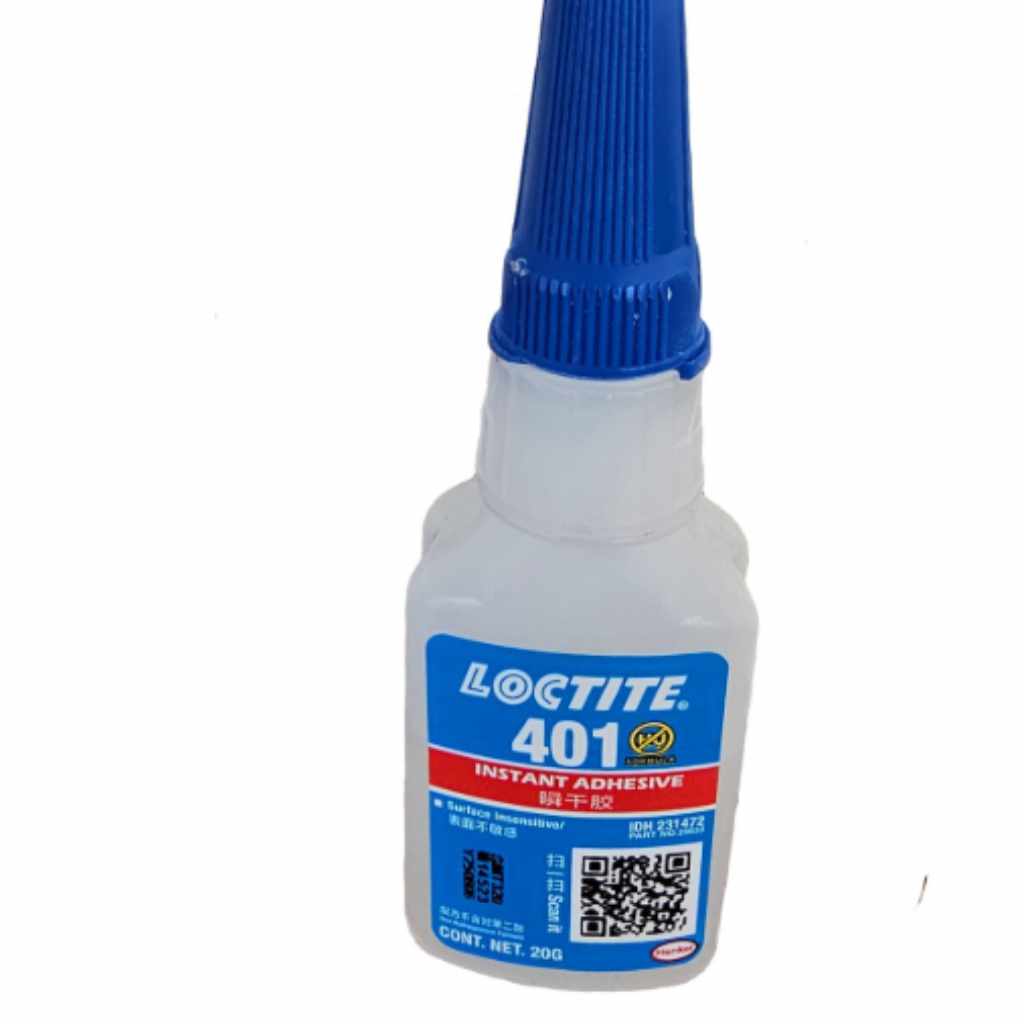
So, how long does Loctite super glue take to dry? The answer isn’t a single, simple number. It depends on a few factors, but generally, you’ll find that Loctite super glues offer rapid setting times, often within seconds to a few minutes for initial handling, with full cure taking longer.
The immediate tack or “set” time is what most people think of as drying. This is when the glue becomes firm enough to hold pieces together without shifting. For most Loctite cyanoacrylate (super glue) formulas, this initial set can happen as quickly as 10-30 seconds.
This allows you to hold pieces in place for a short period and then release them, confident they won’t immediately separate. This rapid setting is one of the main advantages of super glue, especially when you need to make quick repairs.
However, it’s important to distinguish between initial set time and full cure time. The initial set is when the glue is dry to the touch and can hold light pressure. The full cure is when the adhesive reaches its maximum strength and durability.
For Loctite super glues, full curing can take anywhere from 24 to 72 hours. During this curing period, the bond is still hardening and strengthening. While it might seem dry and secure after a few minutes, exposing the bond to significant stress or moisture before it’s fully cured can weaken the joint.
Factors Affecting Loctite Super Glue Drying Time
Several environmental and application factors can influence how quickly Loctite super glue dries. Being aware of these can help you optimize the bonding process and achieve the best results.
Surface Preparation
A clean and dry surface is absolutely essential for any adhesive to perform well. If the surfaces you’re bonding are dirty, oily, or wet, the glue won’t be able to make proper contact. This can significantly slow down the drying and curing process, and even lead to a weak bond that fails prematurely.
- Cleanliness: Always ensure the surfaces are free from dust, grease, dirt, and any old adhesive residue. Use a suitable cleaner or degreaser if necessary.
- Dryness: Moisture is a catalyst for cyanoacrylate glue, but it needs to be controlled. Excess moisture on the surface can cause a premature, brittle bond or prevent proper adhesion. Ensure surfaces are completely dry before applying the glue.
Humidity Levels
Humidity plays a surprisingly significant role in how super glue cures. Cyanoacrylate adhesives cure through a process called anionic polymerization, which is triggered by moisture. A certain level of ambient humidity is required for this reaction to occur effectively.
- Ideal Humidity: Most Loctite super glues perform best in environments with moderate humidity, typically between 40% and 60%.
- Low Humidity: In very dry conditions (low humidity), the curing process can be noticeably slower. The limited moisture available on the surfaces and in the air means the polymerization reaction takes longer to complete.
- High Humidity: Conversely, extremely high humidity can cause the glue to cure too rapidly on the surface, potentially creating a “blooming” effect (a white residue around the bond line) and a weaker bond internally.
If you’re working in a very dry environment, you can sometimes speed up the curing process by lightly misting one of the surfaces with water before applying the glue, or by using a humidifier in the work area. However, be cautious not to use too much water, as this can have the opposite effect.
Temperature
Temperature also affects the chemical reaction that causes super glue to harden. Like most chemical processes, the rate of polymerization is influenced by heat.
- Warmer Temperatures: Generally, warmer temperatures will speed up the curing process. This is because increased heat provides more energy for the chemical reaction to occur.
- Colder Temperatures: In colder conditions, the curing process will slow down. The chemical reaction progresses more sluggishly at lower temperatures. It’s often advisable to bring glue and the items to be bonded to room temperature before application if working in a cold environment.
Extreme temperatures, both hot and cold, can negatively impact the glue’s performance. It’s best to work within a moderate temperature range for optimal results.
Type of Loctite Super Glue
Loctite offers a variety of super glues, each formulated for specific applications and materials. These different formulations can have slightly varying cure times.
- Standard Super Glues: These are the most common and typically offer the fastest initial set times.
- Flexible Super Glues: These might take slightly longer to achieve full cure as they are designed to remain pliable after hardening.
- Gel Super Glues: Gel formulas can be easier to control and may offer slightly different drying characteristics, often with a slightly longer set time but less “running.”
- Specialty Formulas: Loctite also has formulas for bonding plastics, metal, or rubber, which might have specific recommendations for drying times to ensure maximum adhesion for those materials.
Always check the product packaging for the specific Loctite super glue you are using. The manufacturer’s instructions will provide the most accurate drying and curing times for that particular product.
Amount of Glue Used
The quantity of glue applied directly impacts how long it takes to dry and cure.
- Thin, Even Coats: Applying a thin, even layer of glue is generally recommended. This allows the moisture from the air to reach across the entire bond line efficiently, promoting uniform curing. A thin application will set and cure faster.
- Excess Glue: Using too much glue can lead to a thicker bead. This traps moisture, slowing down the polymerization process in the center of the bond. It can also lead to blooming and a weaker joint because the outer edges may cure and harden while the bulk remains unreacted.
It’s better to apply a small amount and add more if needed than to use an excessive amount from the start.
Materials Being Bonded
The porosity and chemical nature of the materials you are bonding can also play a role in how quickly the glue dries and cures. Some materials absorb moisture differently, which can affect the cyanoacrylate reaction.
- Porous Materials: Materials like wood, paper, or fabric can absorb some of the liquid glue. This can sometimes speed up the initial tack as the absorbed moisture helps kickstart the cure. However, if too much glue is absorbed, it can starve the bond of the necessary components for a strong cure.
- Non-Porous Materials: Materials like glass, metal, and most plastics are non-porous. The glue remains on the surface, and its cure relies solely on ambient moisture. This typically leads to a more predictable drying time.
Some plastics can be challenging to bond due to their surface energy. Loctite often offers primers or specific plastic bonding glues for these materials, which can influence drying times.
Understanding the Drying and Curing Process
Super glue, or cyanoacrylate adhesive, undergoes a rapid polymerization reaction when exposed to moisture. This process is what causes it to transform from a liquid to a solid, creating a strong bond.
Initial Set vs. Full Cure
It’s important to remember the difference between these two stages:
- Initial Set: This is when the glue has hardened enough to hold the bonded pieces together without them sliding apart. For Loctite super glue, this can happen in as little as 10-30 seconds. At this stage, the glue is dry to the touch but has not reached its maximum strength.
- Full Cure: This is when the adhesive has reached its ultimate strength and durability. For most Loctite super glues, this can take between 24 to 72 hours. During this time, the chemical bonds within the adhesive are fully formed, creating a robust connection.
While you can often handle the bonded item after a few minutes, it’s best to avoid putting it under significant stress, heat, or moisture until it has fully cured.
The Role of Moisture
Cyanoacrylate adhesives are hydrophilic, meaning they are attracted to water. The presence of even a tiny amount of moisture (from the air, skin, or surfaces) is what initiates the polymerization process. The adhesive molecules begin to link together, forming long polymer chains that solidify the liquid.
Troubleshooting Slow Drying
If your Loctite super glue seems to be taking an unusually long time to dry, consider these common causes:
- Low Humidity: As discussed, very dry air can significantly slow curing.
- Cold Temperatures: The glue’s chemical reaction is less active in the cold.
- Surface Contamination: Oils, dirt, or old glue can interfere with adhesion.
- Excessive Glue Application: A thick layer takes longer to cure.
- Incompatible Materials: Certain plastics or treated surfaces might resist bonding.
Using an accelerator product specifically designed for super glue can help speed up the curing process, especially in challenging conditions like low humidity or when bonding porous materials that absorb too much glue.
How Long Does Loctite Super Glue Take to Dry on Different Materials?
While the general timeframes apply, bonding to specific materials can have slight variations in drying time and bond strength.
Plastic
Bonding plastic can be tricky. Some plastics bond easily with super glue, while others require special formulations or surface preparation.
- Common Plastics (e.g., ABS, PVC): For many common plastics, Loctite super glue will set within seconds to a minute, with full cure in 24 hours.
- Low Surface Energy Plastics (e.g., Polyethylene, Polypropylene): These plastics are notoriously difficult to bond. Standard super glues will likely not adhere well or at all. Loctite offers specific plastic bonding systems that may include a primer. The drying time for these specialized products should be followed as per the instructions, but expect a slightly longer cure for maximum strength on these challenging surfaces.
Metal
Metal surfaces are typically non-porous and smooth, which is good for adhesion. Loctite super glue bonds well to most metals.
- Initial Set: Usually within 10-30 seconds.
- Full Cure: Typically 24 hours for maximum strength. Ensure the metal is clean and free of any oils or rust for optimal results.
Wood
Wood is a porous material, which can affect the drying and curing of super glue.
- Initial Set: Can be very fast, often within seconds, due to the wood absorbing some of the liquid.
- Full Cure: While it may feel instantly solid, full cure is still around 24 hours. For very porous wood, using an accelerator can prevent the glue from being fully absorbed before it can cure properly, ensuring a stronger bond.
Ceramics and Porcelain
These materials are generally non-porous and offer good surfaces for super glue adhesion.
- Initial Set: Around 10-30 seconds.
- Full Cure: 24 hours for maximum bond strength. Be aware that while the glue itself is strong, the ceramic or porcelain material might be the weak point if subjected to sudden impact.
Rubber
Bonding rubber can be achieved with Loctite super glues designed for rubber or flexible materials.
- Initial Set: May take slightly longer than rigid materials, perhaps 30-60 seconds.
- Full Cure: 24 hours. Flexible super glues are designed to maintain some elasticity, so the full cure is important for the bond’s flexibility.
Tips for Achieving the Best Bond and Fastest Drying
To make sure your Loctite super glue dries as intended and creates a strong bond, follow these practical tips:
- Read the Label: Always consult the product’s specific instructions. Different Loctite products have different recommended application and curing times.
- Proper Surface Prep is Non-Negotiable: Clean, dry, and degreased surfaces are critical.
- Use Appropriately: Apply a thin, even layer. You often need less than you think.
- Secure the Bond: Hold the pieces firmly in place during the initial set time. For items that can’t be held, consider using tape or clamps gently if the surfaces allow.
- Consider Accelerators: For projects where speed is paramount or in difficult environmental conditions (low humidity, porous materials), Loctite accelerators are available to significantly speed up curing.
- Work in Suitable Conditions: Aim for moderate temperature and humidity levels (around 50% humidity and room temperature).
- Allow Full Cure: Resist the temptation to test the strength of the bond too soon. Give it the full 24-72 hours for maximum durability, especially for items that will be under stress.

Frequently Asked Questions
Question: How long does Loctite super glue take to become fully dry?
Answer: While Loctite super glue sets within seconds to a minute, allowing it to fully cure for maximum strength typically takes 24 to 72 hours, depending on the specific product and environmental conditions.
Question: Can I speed up the drying time of Loctite super glue?
Answer: Yes, you can speed up the drying time by working in moderate humidity and temperature, ensuring clean surfaces, and using a Loctite super glue accelerator product.
Question: What happens if I use too much Loctite super glue?
Answer: Using too much glue can lead to a slower cure time, a weaker bond, and potential “blooming” (a white powdery residue) around the bond line.
Question: How long does Loctite super glue take to dry on skin?
Answer: Loctite super glue bonds skin very quickly, often within seconds. It’s best not to try and pull bonded skin apart forcibly. Soak the affected area in warm, soapy water and gently try to roll or peel the skin apart, or use nail polish remover (acetone) cautiously on the edges.
It will eventually wear off as your skin naturally exfoliates.
Question: Does humidity affect how long Loctite super glue takes to dry?
Answer: Yes, humidity is a key factor. Moderate humidity (around 40-60%) is ideal. Low humidity slows down the curing process, while very high humidity can cause a rapid surface cure that might result in a weaker bond.
Final Thoughts
When you’re reaching for that tube of Loctite super glue, a quick grasp of its drying dynamics is really beneficial. You’ve seen that initial bonding happens remarkably fast, often in less than a minute, which is perfect for holding things in place right away. This speed is a major reason super glues are so handy for quick fixes.
However, the real magic, the full strength of the bond, develops over a longer period. Giving Loctite super glue the recommended 24 to 72 hours for a complete cure ensures that your repairs are not just holding, but are built to last. Remember that factors like humidity, temperature, and how clean your surfaces are can all influence this process.
By paying attention to these details and perhaps using an accelerator when needed, you can optimize the performance of your glue. So next time you’re tackling a repair, keep these timelines and tips in mind for a strong, successful outcome.