How Long Does Oil Based Stain Take to Dry? Times by Brand
Oil-based stain is usually dry to the touch in a few hours, safe for a second coat or light use in 24 to 48 hours, and fully cured in about 4 to 7 days. Most sticky, never-drying results come from excess stain left on the wood, not from the number on the can. This guide covers drying times by brand, what slows them down, outdoor timing, and how to fix tacky stain.
Oil-Based Stain Drying Time at a Glance
Best Standard Oil Stain Pick
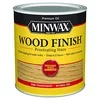 |
Minwax Wood Finish Oil-Based Stain, Natural, 1 Quart, $13.19 The can is labeled “dries in 2 hours”, which is the wipe-on, wipe-off timing this guide keeps coming back to: a thin coat dries fast, a thick film does not.
|
As an Amazon Associate we earn from qualifying purchases.
There are several different clocks, and they get mixed together in most advice. Here they are side by side so you can find the one your project actually needs.
| Stage | Typical time | What it means |
|---|---|---|
| Wipe-off window | About 5-10 minutes | Remove excess stain before it starts to tack up |
| Dry to the touch | About 2-8 hours, up to 24 for slower or thicker applications | Surface is not wet, but stain below is still releasing solvent |
| Ready to recoat | About 2-3 hours (Minwax) to 24+ hours (General Finishes) | Depends heavily on brand and on how well excess was wiped |
| Foot traffic or light use | 24-48 hours | Oil-based deck stain, before walking on it |
| Full cure | Roughly 4-7 days | Ready for furniture, heavy use and rugs |
The table already shows why one number never fits: recoat times differ by roughly a factor of ten between brands. The next section breaks them out.
Oil-Based Stain Drying Time by Brand
These figures come from each manufacturer’s own label, product page or data sheet, for normal indoor conditions (about 70 degrees F and 50 percent humidity). Your garage or deck will rarely match that exactly, so treat them as the minimum.
| Product | Dry to touch | Recoat | Notes |
|---|---|---|---|
| Minwax Wood Finish | Label: dries in 2 hours | 2-3 hours (Minwax product page) | Wipe off excess; let dry completely before any topcoat |
| General Finishes Oil Based Penetrating Stain | 8+ hours | 24+ hours | Allow more time over 80% humidity, with 3 or more coats, or with thick coats |
| Penofin Ultra Premium (exterior) | About 4 hours | See can | Full cure listed as 4-7 days |
| Cabot Solid Color Oil Stain (exterior) | 24-48 hours | See can | Solid color films build thicker than penetrating stains |
The gap between Minwax and General Finishes is not a quality difference. Minwax assumes a quick wipe-off of a thin coat. General Finishes gives the conservative time for a full, even coat in a controlled shop. Read the can of the exact product you bought, and add time whenever you are outside the 70 degrees F, 50 percent humidity reference.
The Real Reason Oil Stain Stays Tacky
The common claim is that oil-based stain “just takes 24 to 48 hours”. That holds only for stain that has soaked in and been wiped off. Stain left sitting on the surface is a different problem: the solvent evaporates, but the pigment and oils left behind never form a dry film, so the surface stays sticky for days or weeks.
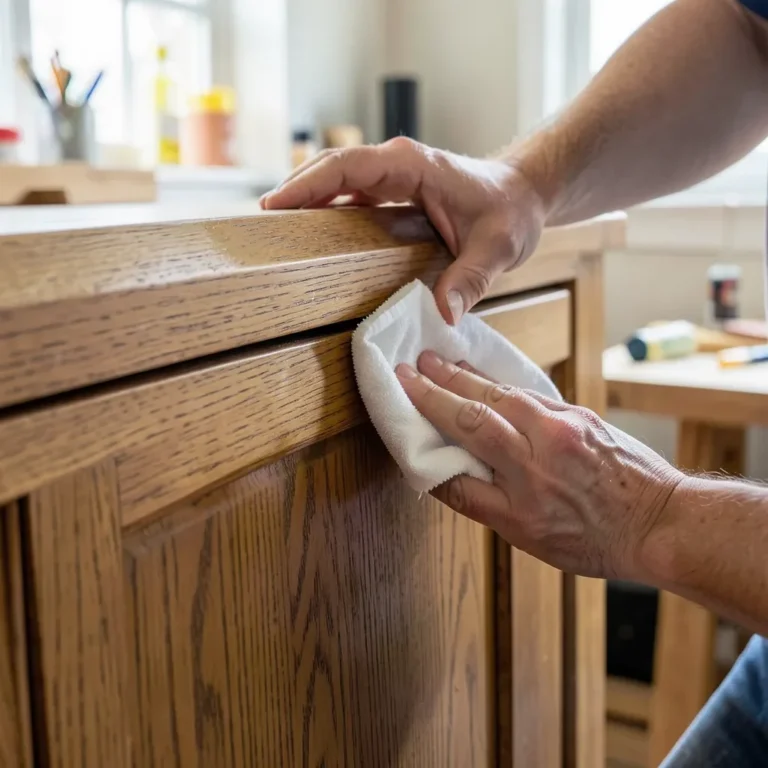
That is why the wipe-off window matters more than the weather. Work in sections small enough to wipe within about 5 to 10 minutes, wipe with the grain using a clean, lint-free rag, and finish with a nearly dry rag to lift any glossy spots. On dense woods that absorb little stain, wipe even more thoroughly, because there is less wood to take it up.
What Slows Oil-Based Stain Drying
- Humidity: General Finishes lists extra dry time once humidity passes 80 percent.
- Thick or multiple coats: three or more coats, or heavy coats, also add time on the General Finishes data sheet.
- Cold air: solvents evaporate more slowly in cool rooms, so a garage in late fall adds noticeable waiting time.
- No airflow: a closed room traps solvent vapor; crack a window and run a fan across the room, not at the surface.
- Layering water-based over oil: General Finishes says water-based products over oil need 72 or more hours of dry time.
If you are staining outside, the weather window matters as much as the product.
Oil-Based Deck Stain: Rain and Foot Traffic
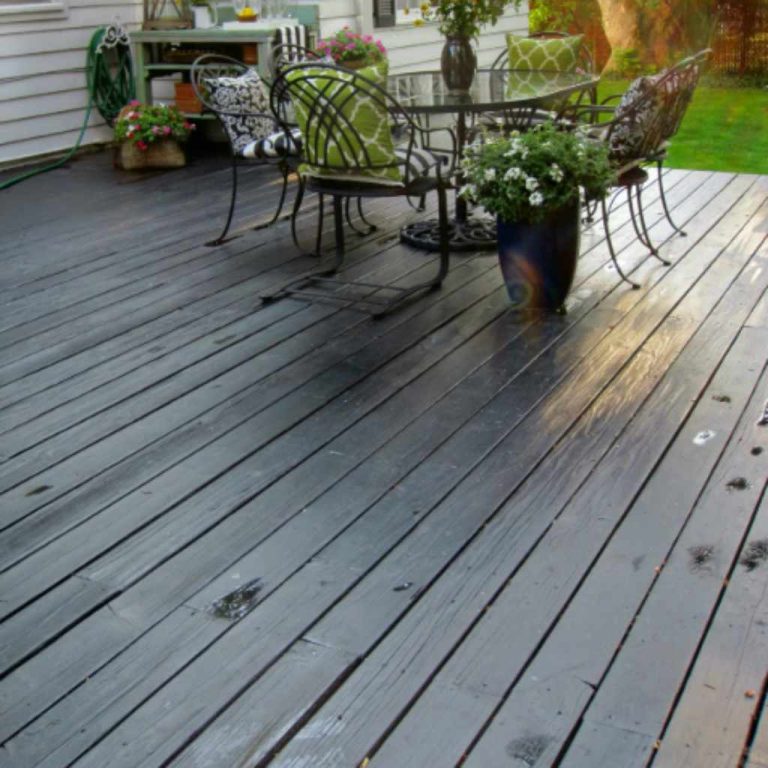
Exterior oil stains need dry weather to soak in. Plan for 12 to 24 hours of dry weather after application and check the forecast for a full 24 hours. Most oil-based deck stains allow walking after 24 to 48 hours, and solid color products can need 24 to 72 hours. Our separate guide on how long deck stain should dry before walking on it covers the deck-specific timing in more detail.
How to Fix Oil-Based Stain That Is Still Tacky
- Wait the full label time first, plus extra if it is cold or humid.
- Dampen a clean rag with mineral spirits and scrub the sticky area firmly, then wipe it dry with a fresh rag.
- If the color lifts too much, brush on a thin coat of the same stain, which re-dissolves the sticky layer, and wipe it all off within 5 to 10 minutes.
- Let the surface dry in a warm, ventilated room and test again the next day.
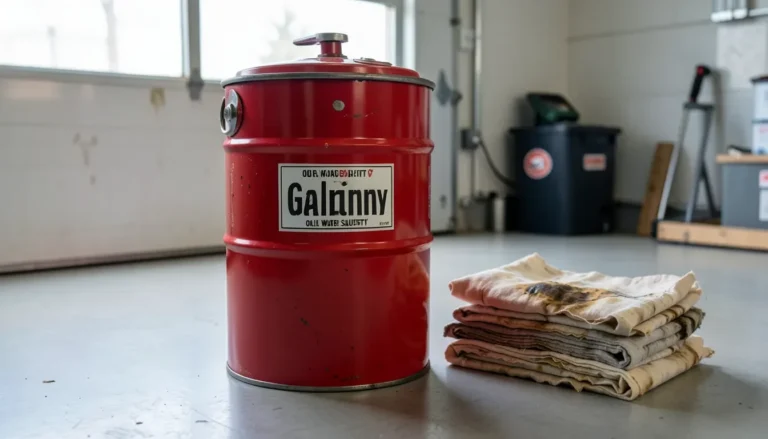
Fire safety: Minwax warns that rags, steel wool and sanding residue soaked with oil stain may catch fire spontaneously if improperly discarded. Place them immediately in a sealed, water-filled metal container.
How to Test That Stain Is Dry
Press a clean white paper towel lightly onto an inconspicuous spot. If it picks up color or sticks, the stain is not dry. Check low spots and corners where stain pools, because they stay wet longest. Passing this test means dry, not cured, so keep furniture and heavy objects off for several more days.
Second Coats and Sealing
Wait until the first coat passes the touch test, then follow our guide to when to apply a second coat of stain. Once you are happy with the color, it is worth protecting it: see whether you have to seal wood after staining. For the wait between stain and a polyurethane topcoat, which has its own rules, see how long to let stain dry before polyurethane. If you are still choosing a stain, compare oil-based versus water-based stain. For the topcoat itself, see Minwax polyurethane drying times by product.
Frequently Asked Questions
How do you know if oil based stain is dry?
Oil-based stain is dry when the surface feels smooth and leaves no color or tackiness on a clean fingertip or a white paper towel. Check several spots, especially low areas and corners where stain pools. Dry to the touch is not the same as cured.
Is 24 hours enough for oil based stain to dry?
Usually yes for dry to the touch, and for a second coat on a thinly wiped surface at around 70 degrees F and 50 percent humidity. General Finishes lists 24 or more hours before recoating in those conditions. Wait longer in cool, humid or heavily coated situations, and longer still before furniture or heavy use.
Why is my oil based stain still sticky after 24 hours?
The most common cause is excess stain left on the surface. The solvent evaporates and the pigment left behind stays tacky. Cold, humid weather and thick or multiple coats make it worse. Scrub the surface with a rag dampened with mineral spirits, or brush on a little fresh stain to re-dissolve it and wipe it off properly.
How long should you wait to wipe off oil based stain?
Wipe off the excess within about 5 to 10 minutes of applying it, working with the grain. Leaving it longer gives darker color but raises the risk of a tacky surface, so work in small sections you can wipe before moving on.
Can you speed up oil based stain drying time?
Yes. Apply thin coats, wipe off all excess, work in a warm, dry, ventilated space and keep a fan moving air across the room rather than blowing directly onto wet stain. Do not use heat guns or space heaters near solvent vapors.
How long before it rains can you apply oil based stain outdoors?
Plan for at least 12 to 24 hours of dry weather after applying an oil-based deck stain, and check the forecast for a full 24 hours to be safe. Rain on stain that has not soaked in can leave blotches.
Conclusion
Oil-based stain feels dry in hours but is only ready to recoat in roughly 2 to 24 hours depending on brand, and it cures over about a week. Wipe off the excess within minutes, give it extra time in cold or humid air, and read the can for the product you bought. For ways to shorten the wait safely, and why heaters and solvent vapors do not mix, see our guide on how to dry wood stain faster.
Sponsored / affiliate links. As an Amazon Associate I earn from qualifying purchases. I may earn additional commission from eligible campaigns.