Circular Saw Arbor Adaptor: What It Is & How To Use It
A circular saw arbor adaptor is a small device that changes the size of your saw’s arbor. This lets you use blades with a different inner diameter than what your saw was originally designed for. It’s useful when you have a blade meant for a different saw or a specialized cutting disc.
Understanding the Circular Saw Arbor Adaptor
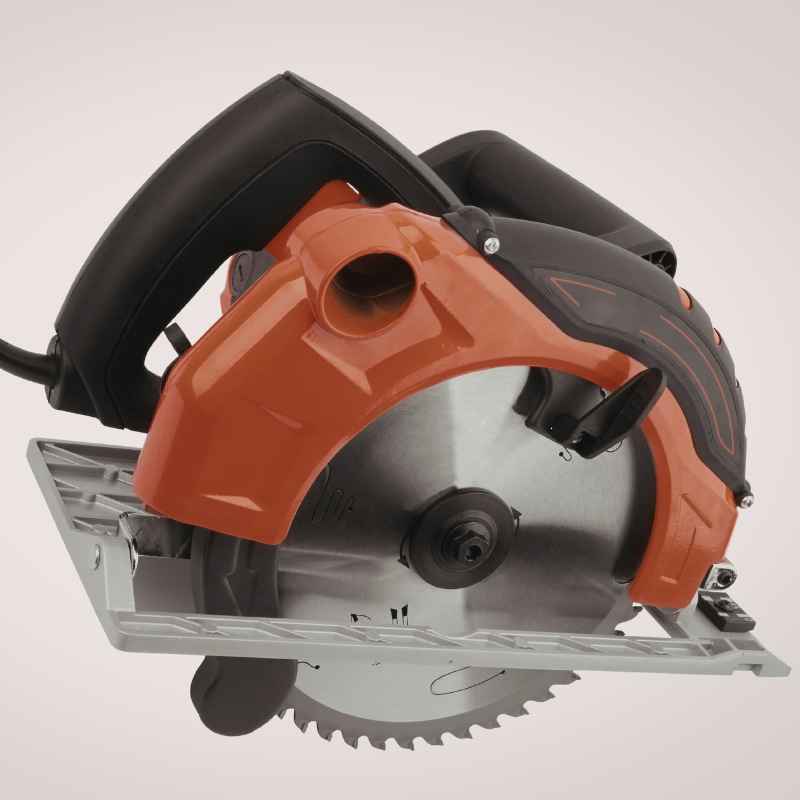
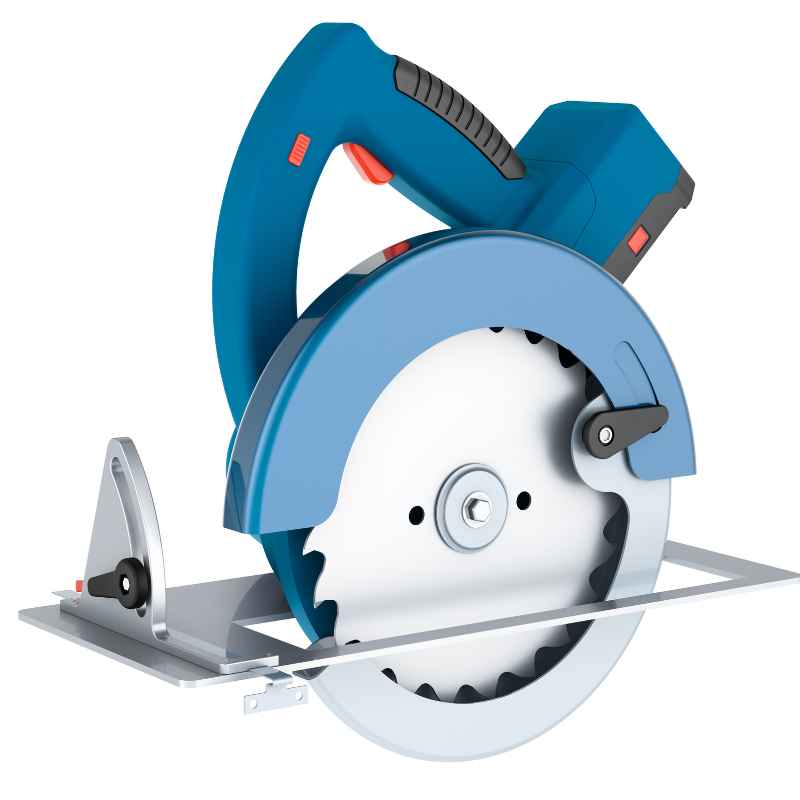
Your circular saw has a part called an arbor. This is the metal shaft that the blade attaches to. It has a specific diameter.
Most circular saw blades are made to fit this exact arbor size. But what happens if you have a blade with a smaller hole? Or perhaps a blade designed for a different tool?
That’s where an adaptor becomes your friend. It’s like a shim or a sleeve. It fits over the saw’s arbor.
Then, the blade with the smaller hole can slide onto the adaptor. It essentially makes your saw’s arbor bigger on the outside. This lets you use a wider range of blades.
Why Do You Need One?
The main reason is blade compatibility. Saws and blades come in different sizes. A common arbor size for circular saws is 5/8 inch, but circular saw blades aren’t actually universal across every saw model.
But you might find blades with a 1-inch hole, or even a 7/8 inch hole. Trying to force a blade onto the wrong arbor is a big no-no. It’s unsafe and can damage your saw or the blade.
An adaptor bridges this gap. It’s a simple solution to a common problem. It means you don’t have to buy a whole new saw just because your desired blade has a different size.
This saves you money and hassle. It also lets you use specialized cutting discs that might only come in certain arbor sizes.
Think of it like needing a different size screw. You can’t just jam the wrong screw in. You might need a washer or a sleeve to make it fit right.
An adaptor does a similar job for your saw blades. It ensures a snug, safe fit so you can cut with confidence.
My Own Little Blade Saga
I remember a time I was working on a big deck project. I had a specific type of cutting disc I wanted to use for some metal railings. I’d bought it online, thinking it would be perfect.
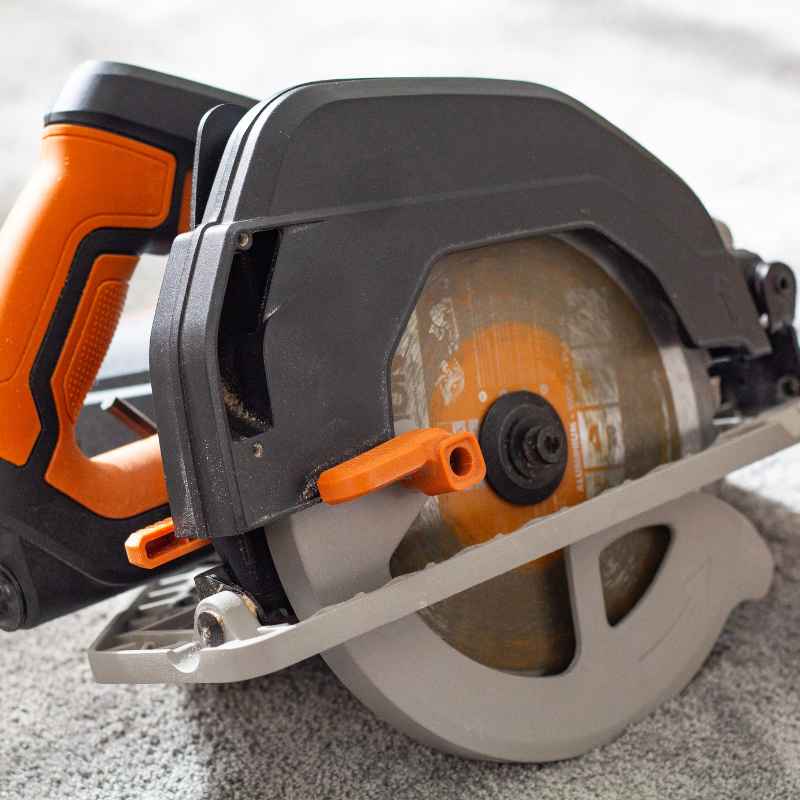
When it arrived, I took my circular saw, ready to go. I tried to put the disc on, and… nope. The hole in the disc was much bigger than the arbor on my saw.
My heart sank a little. I’d planned my whole day around using that disc. I felt that familiar rush of annoyance.
Was I going to have to return it and find a different one? That felt like a waste of time and effort. I stood there, holding the disc and staring at my saw.
It felt like a silly problem, but a real one.
Then, I remembered seeing something about adaptors. I did a quick search on my phone. Sure enough, there were these small metal rings.
They were designed for exactly this situation. I looked up the arbor size of my saw and the hole size of the disc. I found an adaptor that fit perfectly.
A few days later, the adaptor arrived. It was tiny, just a simple metal ring. I put it on my saw’s arbor.
Then, I slid the cutting disc onto the adaptor. It fit snugly! I tightened the arbor nut, and it was secure.
It felt great. I was able to use the exact disc I wanted. That project stayed on schedule.
It taught me a valuable lesson about tool compatibility and the simple fixes that exist.
Key Adaptor Specs to Check
Arbor Size of Your Saw: This is the diameter of the shaft your current blade fits onto. Measure it or check your saw’s manual.
Blade Hole Diameter: This is the size of the hole in the middle of the blade you want to use.
Adaptor Type: Ensure the adaptor is designed to go from your saw’s arbor size to your blade’s hole size.
How Does It Work? The Mechanics of It
Let’s get a bit technical, but keep it simple. Your circular saw’s motor spins a shaft. This shaft is the arbor.
The arbor has a flange, which is a flat surface, and it’s threaded on the end. A nut screws onto this thread. The blade sits between the flange and the nut.
The arbor has a specific diameter. For most common circular saws, this is 5/8 of an inch. Some larger or specialized saws might have a 1-inch arbor.
When you buy a blade, it will have a matching hole size in the center. This is called the bore of the blade.
If your blade’s bore is smaller than your saw’s arbor, you can’t just slide it on. The adaptor acts as a spacer or a reducer. You’ll usually put the adaptor onto the saw’s arbor first.
Then, you place the blade onto the adaptor. The adaptor fills the extra space in the blade’s bore.
Some adaptors are simple rings. Others might be a bit more shaped. They are typically made of metal, like steel or aluminum, to be strong.
The goal is to create a secure fit. This ensures the blade spins true and doesn’t wobble. A wobbly blade is dangerous and makes for a poor cut.
Materials Matter
The adaptors are usually made from durable metals. Steel is common because it’s strong and can handle the forces involved. Some might be aluminum.
The material needs to withstand the vibration and pressure of cutting. A cheap, weak adaptor could fail, which is a serious safety risk.
Always check the material and build quality of any adaptor you consider. Reputable brands will use good materials. They will also test their products to ensure they are safe for use.
This is an area where skimping on quality can have dangerous results.
Common Arbor & Bore Size Combinations
Saw Arbor: 5/8 inch. Blade Bore: 5/8 inch. (Direct fit, no adaptor needed)
Saw Arbor: 5/8 inch. Blade Bore: 1 inch. (Requires an adaptor that reduces 1-inch bore to 5/8-inch arbor)
Saw Arbor: 1 inch. Blade Bore: 5/8 inch. (Requires an adaptor that increases 5/8-inch bore to 1-inch arbor)
When Do You Actually Need This Little Gadget?
There are a few scenarios where a circular saw arbor adaptor becomes very handy. It’s not something everyone needs every day. But when you do, it’s a lifesaver.
The most common reason is using a blade with a smaller bore than your saw’s arbor.
For example, many standard circular saw blades have a 5/8-inch bore. If your saw has a 1-inch arbor (less common for basic saws, more for larger or specialized ones), you’d need an adaptor. Or, if you find a fantastic deal on a blade with a 1-inch bore, but your saw has a 5/8-inch arbor, you can use an adaptor to make it fit.
Another situation is when you want to use accessories that aren’t standard blades. This could include specific types of cutting wheels or specialized discs for materials like tile or metal. These accessories might only be manufactured with a certain arbor hole size.
Specialized Cutting Discs
Think about cutting through tile or thin metal. Standard wood-cutting blades won’t do a good job. You’ll need specialized diamond cutting discs or abrasive wheels.
These often have different bore sizes. For instance, a diamond blade might have a 7/8-inch or 1-inch bore. If your saw has a 5/8-inch arbor, you’ll need an adaptor.
This allows you to use your existing circular saw for a wider range of tasks. You don’t need a separate tool for every single job. The adaptor expands your saw’s capabilities.
It makes it a more versatile tool in your workshop or on a job site.
Adaptor Use Cases
Scenario 1: Saw has 5/8″ arbor, blade has 1″ bore. Need adaptor to reduce 1″ to 5/8″.
Scenario 2: Saw has 1″ arbor, blade has 5/8″ bore. Need adaptor to increase 5/8″ to 1″.
Scenario 3: Using specialized cutting discs that only come in specific bore sizes.
How to Use an Adaptor Safely
Using any tool adaptor requires care. Safety is always the number one priority. An improperly fitted blade can lead to serious injury.
So, when you’re using an adaptor, follow these steps carefully.
First, make sure your saw is unplugged. This is crucial. Never work on a saw with the power connected.
Remove the old blade if one is attached. You’ll need access to the arbor shaft.
Next, identify the correct adaptor. You need one that matches your saw’s arbor size and the bore size of the blade you want to use. For example, if your saw has a 5/8-inch arbor and the blade has a 1-inch bore, you need an adaptor that fits over the 5/8-inch arbor and reduces the 1-inch bore to accommodate it.
Or, if the blade has a 5/8-inch bore and your saw has a 1-inch arbor, you need an adaptor that fits inside the 5/8-inch bore and expands to fit the 1-inch arbor.
Place the adaptor onto the saw’s arbor. Make sure it sits flush. Then, position the blade onto the adaptor.
Ensure the blade is seated correctly against the adaptor and the saw’s flange.
Finally, secure the blade with the arbor nut. Tighten it firmly, but don’t overtighten. You want it snug and secure.
Then, you can plug in your saw and use it. Always listen for any unusual noises or vibrations when you start cutting. If anything seems off, stop immediately and check the fit.
Checking the Fit
After installing the blade with the adaptor, give it a gentle spin by hand. Make sure it turns smoothly without any binding. Check for wobbling.
The blade should be centered and run true. If it wobbles, something is not seated correctly, or the adaptor is not the right fit.
It’s also a good idea to check your saw’s manual. It might have specific instructions or warnings about using adaptors. Some manufacturers might not recommend them for certain models.
Always err on the side of caution.
Safety First Checklist
- Unplug Saw: Always disconnect power before changing blades.
- Correct Adaptor: Ensure it matches your saw’s arbor and blade bore.
- Proper Seating: Blade and adaptor must sit flush and centered.
- Secure Nut: Tighten the arbor nut firmly.
- Hand Spin Test: Check for smooth rotation and no wobble.
- Listen & Feel: Pay attention to unusual sounds or vibrations during use.
What if the Adaptor Doesn’t Fit?
It happens. Sometimes, you might buy an adaptor, and it just doesn’t seem right. Maybe it’s too loose, or it won’t go on the arbor properly.
This is your cue to stop. Do not try to force it.
First, double-check the specifications. Did you get the right adaptor for your saw and blade? Measure your saw’s arbor diameter and the blade’s bore diameter again.
Compare these to the adaptor’s listed dimensions.
If the specs match, but it still feels loose, it could be a manufacturing tolerance issue. This means the parts are slightly out of the exact measurement. In this case, the adaptor is likely not safe to use.
A loose fit can cause the blade to shift or vibrate dangerously.
Also, inspect the adaptor itself. Is it damaged? Are there any burrs or imperfections that are preventing it from seating properly?
If you find damage, do not use it. Get a new one.
When to Consider a New Blade or Saw
If you find yourself needing adaptors frequently, it might be time to re-evaluate your tools. Sometimes, buying a blade that is specifically designed for your saw’s arbor size is the best and safest option. You might also consider if your current saw is the right one for the jobs you’re doing.
For instance, if you frequently need to cut metal or masonry, a standard wood circular saw might not be the best tool. A grinder with a cutting disc or a specialized tile saw might be more appropriate. These tools are designed for those materials and usually have the correct arbor sizes built-in.
It’s about matching the tool to the job. While adaptors are useful, they are a bridge. Sometimes, the best solution is to have the right tool in the first place.
This ensures optimal performance and maximum safety.
Troubleshooting Adaptor Issues
Problem: Adaptor is too loose on the saw arbor.
Solution: Re-check specs. If correct, the adaptor may be faulty; do not use.
Problem: Blade bore is still too large for the adaptor.
Solution: Ensure you have the correct adaptor to reduce the bore size.
Problem: Adaptor won’t seat properly on the arbor.
Solution: Check for debris or damage. If clean and undamaged, the adaptor may be misshapen.
Comparing Adaptors to Other Solutions
So, we’ve talked about adaptors. But are there other ways to make blades fit? Not usually for changing bore sizes on a circular saw.
The adaptor is the primary method for this specific problem.
What about different types of blades? For example, if you want a blade that cuts smoother, you’d choose a blade with more teeth. If you need to cut rough lumber, you’d pick a blade with fewer teeth.
These are just different blades designed for the same arbor size.
The adaptor specifically solves the issue of the hole in the middle of the blade being the wrong size. It’s not about the blade’s cutting performance or tooth count. It’s purely about the physical connection to the saw.
When Adaptors Aren’t Enough
It’s important to know that an adaptor has limits. It can only bridge certain size gaps. If the difference between your saw’s arbor and the blade’s bore is too large, an adaptor might not be available or safe.
For example, trying to put a tiny blade on a massive industrial saw arbor would be impossible.
Also, some blades are designed for specific tool types. A blade for a miter saw might not be suitable for a circular saw, even if the arbor size is the same. This is because circular saws spin at different speeds and have different forces applied to them.
Always check the blade’s intended use.
The adaptor’s job is simple: to make the hole fit. It doesn’t change how the blade cuts or how the saw operates. It’s a mechanical bridge.
So, if the problem is about the cutting action itself, an adaptor won’t help.
Is It Worth Buying One?
For most DIYers, a circular saw arbor adaptor is a very inexpensive tool. They often cost just a few dollars. If you have a specific blade you need to use, or if you come across a great deal on a specialized cutting disc, then yes, it’s absolutely worth it.
Think about the cost of buying a whole new blade just because the bore size is wrong. Or the cost of a whole new tool if you can’t do a job with your current saw. An adaptor is a tiny investment for a big problem solver.
However, if you never encounter blades with different bore sizes, you might not need one. Many common circular saws and blades are designed to match. But it’s good to know they exist.
They can save you a lot of headaches down the road.
Cost-Benefit Analysis
Adaptor Cost: $3 – $15 (typically)
Cost of a new, compatible blade: $15 – $50+ (depending on type)
Cost of a new tool: $50 – $200+ (for specialized tools)
Benefit: Solves compatibility issues, saves money, expands tool versatility.
Conclusion: Very cost-effective for solving specific blade fitment problems.
Real-World Scenarios
Let’s paint a picture of when you’d actually grab that little adaptor. Imagine you’re renovating your kitchen. You need to cut some laminate flooring.
You find a fantastic deal on a laminate cutting blade, but its bore is 1 inch, and your standard circular saw has a 5/8-inch arbor. Without an adaptor, that great deal is useless. With an adaptor, you save money and get the job done.
Or maybe you’re a hobbyist who likes to build custom furniture. You discover a specialty blade that offers a super-fine cut for exotic woods. This blade has a different bore size.
You can use your adaptor to fit it onto your trusty saw. This allows for those professional-looking finishes you’re aiming for.
Another common situation is with smaller, more portable saws. Some compact circular saws might come with a specific arbor size. Then, you find a general-purpose blade that you prefer, but it has a different hole.
The adaptor ensures your small saw can use the blade you trust.
Material Considerations
What are you cutting? If you’re cutting wood, standard blades work. If you’re cutting metal, you need a metal-cutting blade.
If you’re cutting tile, you need a diamond blade. These specialized blades often come in different arbor sizes to fit a variety of tools.
For example, a 7-1/4 inch diamond blade might be designed for a tile saw, which could have a 7/8-inch arbor. If you want to use that blade on a standard wood circular saw with a 5/8-inch arbor, you’ll need an adaptor. It allows you to use your circular saw for tasks it wasn’t originally intended for, making it more versatile.
What This Means for You
Knowing about circular saw arbor adaptors means you have another tool in your arsenal. You’re less likely to be stumped by a simple size mismatch. It empowers you to make informed decisions when buying blades or accessories.
It also means you can potentially save money. Instead of buying a whole new blade or tool, a small adaptor might be all you need. This is especially true for hobbyists or those who don’t use their tools every single day.
However, it’s crucial to remember that adaptors are for specific situations. They are not a universal fix for every blade that doesn’t fit. Always prioritize safety and ensure the adaptor creates a secure, stable connection.
When It’s Normal and When to Be Concerned
It’s perfectly normal to need an adaptor if you buy a blade with a different bore size than your saw’s arbor. Many blades are sold with common bore sizes, but specialized ones can vary. So, encountering this is not unusual.
You should be concerned if the adaptor feels loose, the blade wobbles after installation, or if you have to force anything. These are all red flags. They indicate a potential safety hazard.
In such cases, do not use the setup. Re-check your parts or consider a different blade.
Quick Adaptor Checks
Normal: Adaptor slides onto arbor easily. Blade fits snugly onto adaptor. Nut tightens securely.
Blade spins true by hand.
Concerning: Adaptor is too loose or too tight. Blade wobbles after installation. Nut won’t tighten properly.
Requires excessive force to install.
Quick Tips for Using Adaptors
Keep your adaptors organized. They are small, so they can easily get lost. A small plastic bag or a dedicated compartment in your toolbox is a good idea.
When you buy a new blade, check its bore size. If it’s different from your saw’s arbor, immediately look for the correct adaptor. Don’t wait until you’re in the middle of a project to find out you need one.
Always use the adaptor that is designed for the specific size conversion. Don’t try to improvise or combine adaptors. Stick to what the manufacturer intended.
Frequently Asked Questions About Circular Saw Arbor Adaptors
What is the most common arbor size for circular saws?
The most common arbor size for standard circular saws is 5/8 inch. However, larger or specialized saws might have a 1-inch arbor.
Can I use a blade with a larger bore than my saw’s arbor?
No, you cannot safely use a blade with a larger bore than your saw’s arbor without an adaptor that effectively increases the arbor’s diameter. Trying to do so is dangerous and will not create a secure fit.
Do I need an adaptor if my blade has a 1-inch bore and my saw has a 5/8-inch arbor?
Yes, you will need a 1-inch to 5/8-inch arbor adaptor. This adaptor will fit onto your saw’s 5/8-inch arbor and provide a 1-inch surface for the blade to mount onto.
Are arbor adaptors safe to use?
Yes, arbor adaptors are safe to use when they are the correct size and properly installed. They create a secure fit between the blade and the saw’s arbor. Always check for a snug fit and ensure the blade runs true.
Can I use an adaptor to put a wood blade on a metal-cutting saw?
An adaptor primarily changes the bore size. It does not change the intended use of the blade or the saw. You should always use blades designed for the material you are cutting and the type of saw you have.
Where can I buy circular saw arbor adaptors?
You can find circular saw arbor adaptors at most hardware stores, home improvement centers, and online retailers that sell power tool accessories.
Final Thoughts
A circular saw arbor adaptor might seem like a small, insignificant part. But for those times when a blade simply won’t fit, it’s an essential accessory. It’s a simple, inexpensive solution that lets you use the right blade for the job.
Always remember to prioritize safety, ensure a snug fit, and double-check your measurements before installation.
Sponsored / affiliate links. As an Amazon Associate I earn from qualifying purchases. I may earn additional commission from eligible campaigns.