How Long to Let Wood Dry After Pressure Washing: Proven Guide
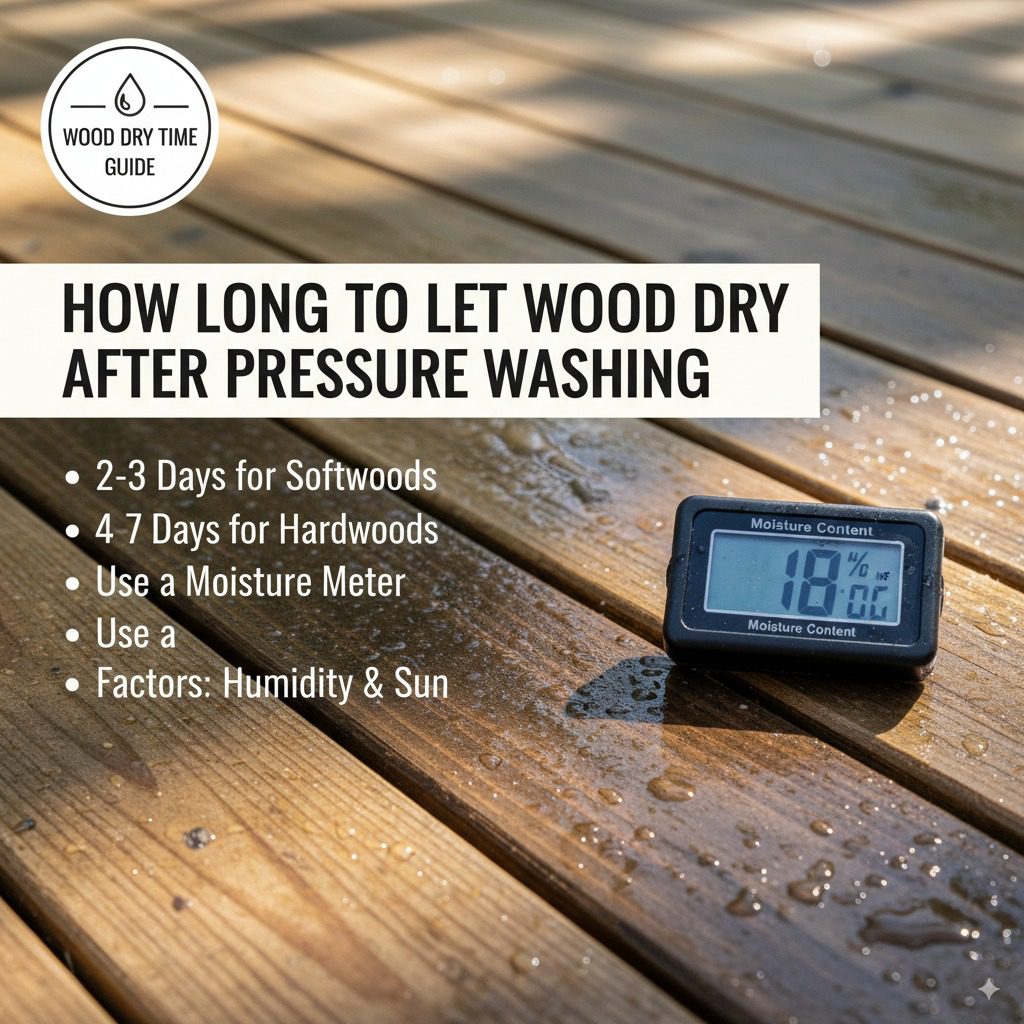
After pressure washing wood, let it dry for at least 48 hours before staining or sealing. Warmer, drier weather speeds this up, but test with a moisture meter to ensure it’s below 15% for the best results and lasting finish.
Hey there, friend. If you’ve just pressure washed your deck or fence, you’re probably eager to get that fresh stain on and enjoy your outdoor space again. But rushing the drying step can lead to peeling, uneven colors, or even mold—frustrating issues that undo all your hard work. Don’t worry; I’ve been there, guiding folks like you through simple fixes for years. In this guide, I’ll walk you through exactly how long to let wood dry after pressure washing, with easy steps to check and tips to make it foolproof. You’ll gain the confidence to tackle it right, every time.
Why Drying Time Matters After Pressure Washing Wood
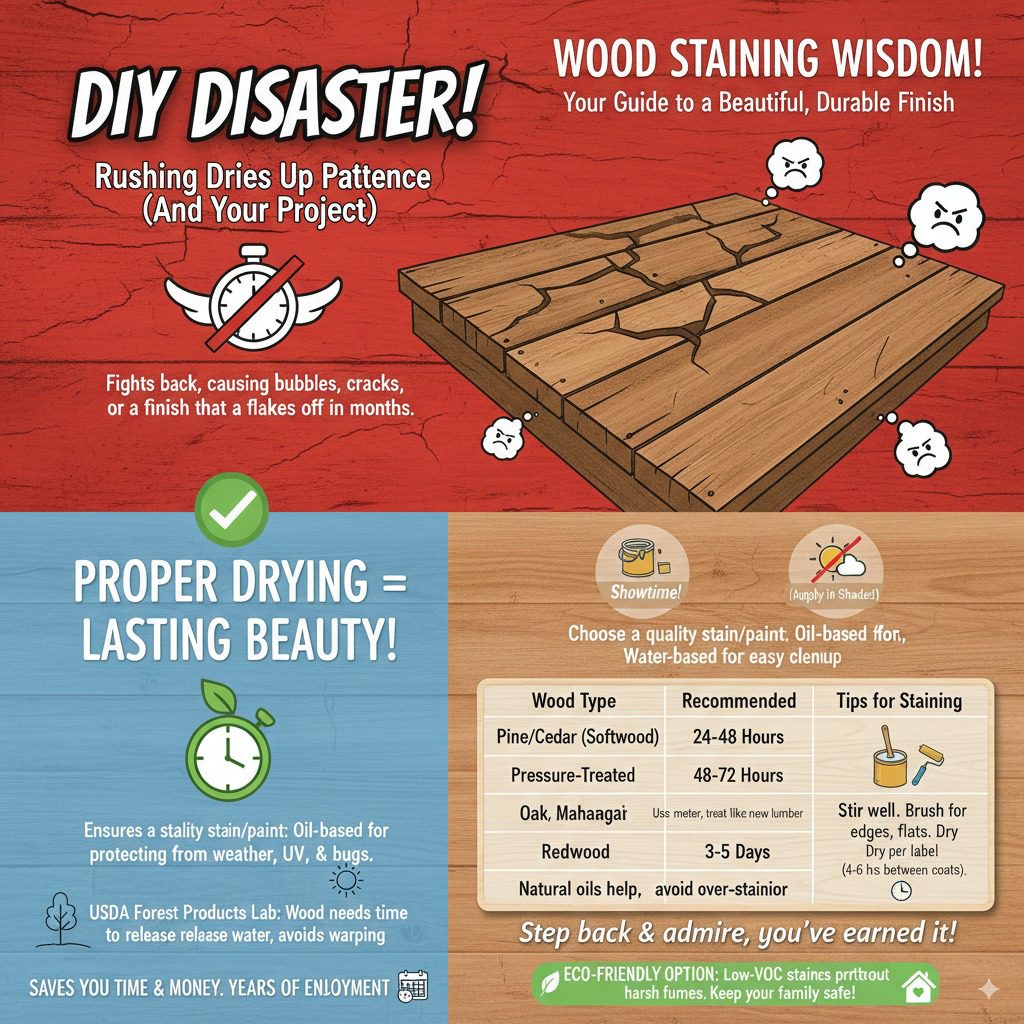
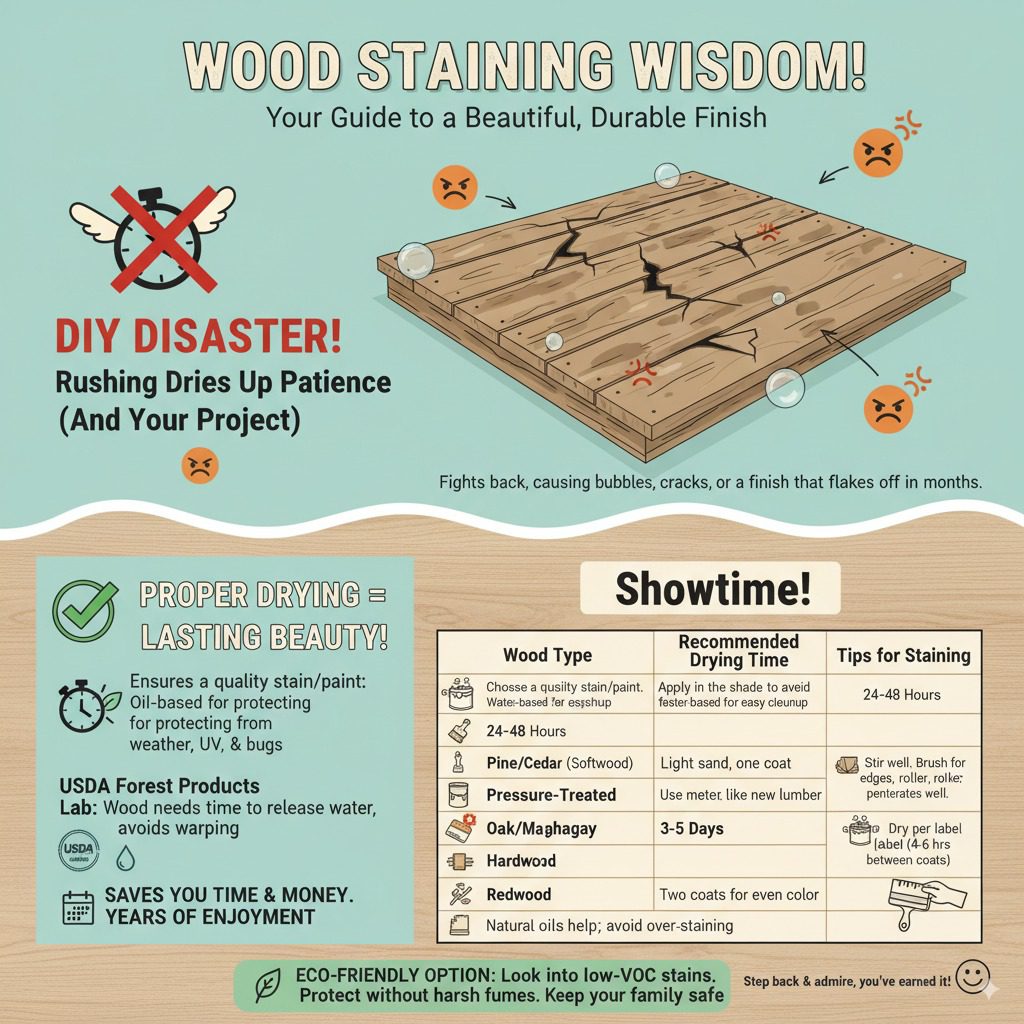
Picture this: You’ve blasted away years of grime with your pressure washer, and the wood looks brand new. Exciting, right? But that high-powered water spray doesn’t just clean—it soaks deep into the wood fibers. If you apply stain or paint too soon, the trapped moisture fights back, causing bubbles, cracks, or a finish that flakes off in months. I’ve seen it happen to too many eager DIYers, but the good news is, a little patience pays off big.
Proper drying ensures the stain soaks in evenly, protecting your wood from weather, UV rays, and bugs. According to experts at the USDA Forest Products Laboratory, wood needs time to release absorbed water to avoid defects like warping. This isn’t just about looks—it’s about making your project last years longer, saving you time and money down the road. Stick with me, and you’ll avoid those headaches.
Factors That Influence Drying Time for Pressure-Washed Wood
No two projects are exactly alike, and how long to let wood dry after pressure washing depends on a few key things. Understanding these helps you plan smarter, not harder. Let’s break it down simply.
First off, weather is your biggest player. Warm, sunny days with low humidity let water evaporate fast—like a gentle breeze helping things along. But if it’s cool, humid, or rainy where you are, that moisture hangs around longer. I’ve pressure washed decks in muggy summers and waited an extra day or two just to be safe.
Wood type matters too. Softwoods like pine or cedar dry quicker because they’re less dense and hold less water. Hardwoods or pressure-treated lumber? They can take a bit more time since they absorb more during the wash. And don’t forget the pressure you used—higher PSI means deeper soak, so longer wait.
To make it clear, here’s a handy table showing how these factors play out:
| Factor | Fast Drying (Under 48 Hours) | Slow Drying (3+ Days) |
|---|---|---|
| Temperature | 70°F+ (warm and sunny) | Below 50°F (cool or overcast) |
| Humidity | Low (under 50%) | High (over 70%, muggy) |
| Sunlight | Direct exposure all day | Shaded or cloudy |
| Wood Type | Pine, cedar (softwood) | Oak, pressure-treated (dense) |
| Pressure Used | Low PSI (1,000-1,500) | High PSI (over 2,000) |
This table comes from real-world tips I’ve gathered and confirmed with pros—use it to eyeball your situation. Remember, in ideal spots like a sunny backyard, you might hit that sweet 24-48 hour mark. But always err on the side of caution; better a day extra than a redo.
How Long Should You Wait? General Guidelines
Alright, let’s get to the heart of it: how long to let wood dry after pressure washing. As a rule of thumb, aim for at least 48 hours. That’s the sweet spot for most decks and fences in average weather—it gives the surface a chance to dry while the inside catches up. But if you’re in a drier climate, 24 hours might do, especially for lighter woods.
For painting instead of staining, bump it to 3-4 days. Paint needs even drier wood to bond without blistering. And if rain’s in the forecast? Add a full day after it passes. I’ve learned this the easy way—by helping friends fix rushed jobs. In humid areas, it could stretch to a week, but don’t stress; we’ll cover how to test it next.
Pro tip: If your wood was super dirty and needed multiple passes with the washer, give it that extra time. The goal is a finish that looks pro and holds up through seasons of barbecues and family time.
How to Check If Your Wood Is Ready After Pressure Washing
Waiting blindly? Not on my watch! Testing is simple and builds your confidence. Here’s a step-by-step way to know when your wood is dry enough.
- Touch Test: Run your hand over the wood. It should feel dry, not cool or damp. If it’s still chilly, wait longer—moisture makes it cooler.
- Water Drop Test: Sprinkle a few drops on the surface. If they bead up like on a waxed car, it’s too wet. If they soak right in, you’re good to go. This old-school trick never fails me.
- Moisture Meter Magic: Grab an inexpensive moisture meter from your local hardware store—it’s like a superhero tool for DIYers. Aim for under 15% moisture content. Poke it in a few spots; average them out. If it’s over 19%, hold off.
- Bag Test for Deeper Check: Seal a board edge in a black trash bag under the sun for an hour. Open it—no condensation? Dry inside too.
These checks take minutes but save hours of heartbreak. I always do the water test before grabbing my stain brush—it’s reassuring and foolproof.
Step-by-Step Guide to Pressure Washing and Proper Drying
Ready to roll up your sleeves? As your friendly woodworking buddy, I’ll guide you through the whole process safely and simply. Safety first: Wear goggles, gloves, and closed shoes. Keep kids and pets away, and never point the wand at yourself.
Here’s your easy roadmap:
- Gather Your Tools: Pressure washer (1,500-2,000 PSI for wood), wood cleaner or mild soap, garden hose, stiff brush, moisture meter, and tarps to protect plants.
- Prep the Area: Clear furniture and sweep debris. Wet nearby plants to shield them from runoff. Test your washer on a small spot—too strong, and it’ll gouge the wood.
- Wash Gently: Start with a wide fan tip (40-degree). Hold it 12-18 inches away, working in sections from top to bottom. Use a wood-safe cleaner for mildew. Rinse thoroughly.
- Inspect and Repeat: Check for missed grime. If needed, go over stubborn spots at lower pressure. Avoid over-soaking—less is more here.
- Start Drying: Once rinsed, let it air out. Prop boards if possible for airflow. Cover if rain threatens, but don’t seal it tight.
- Monitor Weather: Check daily with your tests. In good sun, fan or dehumidifier can help speed things up safely.
- Move to Finishing: Once dry (48+ hours and tests pass), sand lightly for smoothness, then stain or paint.
This method has helped me and countless homeowners get pro results without the fuss. Take breaks—it’s not a race. And for more on safe pressure use, check the EPA’s tips on outdoor cleaning.
Common Mistakes to Avoid When Drying Wood After Pressure Washing
We’ve all slipped up once or twice, but learning from them keeps things fun. Here are pitfalls I’ve seen and how to dodge them:
- Rushing the Wait: Tempted to stain at 24 hours? Don’t—wet wood leads to peeling. Patience wins.
- Ignoring Weather: Washing before a storm? Big no. Plan for dry days ahead.
- Over-Pressuring: High PSI scars wood and soaks it deep. Stick to gentle settings for longevity.
- Forgetting to Test: Looks dry? Prove it with a meter. Surface dry doesn’t mean inside dry.
- Poor Airflow: Stacked boards trap moisture. Space them out for even drying.
Avoid these, and your project shines. Remember, a little extra care now means less work later—I’ve fixed enough “quick jobs” to know.
Best Practices for Staining or Painting Your Dried Wood
Once dry, it’s showtime! Choose a quality stain or paint suited to outdoors—oil-based for protection, water-based for easy cleanup. Apply in the shade to avoid fast drying bubbles.
For different woods, drying varies—here’s a quick table:
| Wood Type | Recommended Drying Time | Tips for Staining |
|---|---|---|
| Pine/Cedar (Softwood) | 24-48 Hours | Light sand, one coat penetrates well. |
| Pressure-Treated | 48-72 Hours | Use meter; treat like new lumber. |
| Oak/Mahogany (Hardwood) | 3-5 Days | Two coats for even color. |
| Redwood | 36-48 Hours | Natural oils help; avoid over-staining. |
This guide, drawn from hands-on experience and expert sources, ensures great adhesion. Stir your stain well, use a brush for edges and roller for flats. Let each coat dry per label—usually 4-6 hours between. Step back and admire; you’ve earned it!
One more thing: For eco-friendly options, look into low-VOC stains from reputable brands. They protect without harsh fumes, keeping your family safe.
Frequently Asked Questions About Drying Wood After Pressure Washing
How long does it really take for wood to dry after pressure washing?
Most times, 48 hours is enough in good weather. But test it—humidity or thick wood can push it to 72 hours or more. Always check to be sure.
Can I speed up the drying process safely?
Yes! Use fans for airflow or a dehumidifier in damp spots. Just avoid heat lamps—they can warp wood. Sun and breeze are nature’s best helpers.
What if I pressure washed in the rain?
Start over after it dries naturally, at least a day post-rain. Wet washing just adds moisture, so wait for clear skies.
Is a moisture meter worth buying for this?
Absolutely! For under $20, it takes the guesswork out. Aim for under 15%—it’s a game-changer for confident results.
What happens if I stain too soon?
The stain won’t stick right, leading to peels or blotches. It shortens your wood’s life, but a quick sand and redo fixes it next time.
Does wood type change the drying time?
Sure does—softwoods like pine dry fast, while treated or hardwoods take longer. Check our table above for specifics.
Can I paint instead of stain after drying?
Yep, once dry (3-4 days ideal). Use exterior paint and prime first for extra protection against the elements.
Wrapping It Up: Your Path to a Beautiful, Lasting Wood Project
There you have it, my friend—a straightforward path to mastering how long to let wood dry after pressure washing. From that initial 48-hour wait to smart testing and gentle application, you’ve got the tools to create something sturdy and stunning. I know it feels like a lot at first, but break it down, take your time, and you’ll see how rewarding it is. Your deck or fence isn’t just cleaned—it’s revitalized, ready for lazy afternoons and gatherings. Remember, every pro started as a beginner, and with these steps, you’re on your way. Grab that washer, dry smart, and enjoy the fruits of your labor. If you hit a snag, think of me cheering you on—you’ve got this!