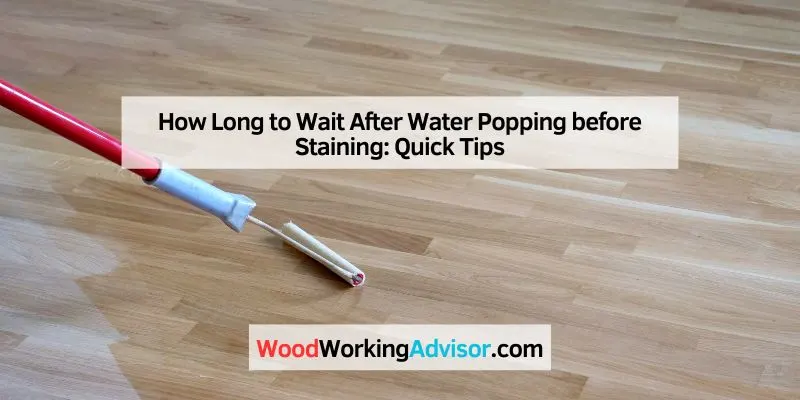
How Long to Wait After Water Popping before Staining: Quick Tips
Let water-popped wood dry for about 2 to 4 hours in normal shop conditions (longer, up to overnight, if it’s cool or humid) before staining — not 24 to 48 hours. In fact, you want the opposite problem in mind too: apply stain within about 24 hours of water popping, because the raised wood grain gradually relaxes back down the longer you wait, and waiting too long undoes the whole point of doing it.
Water popping is a light misting of water applied to raw wood before staining. It swells the wood fibers and raises the grain, which you then lightly sand smooth — the result is a surface that absorbs stain more evenly and shows deeper, richer color than unpopped wood, especially on blotch-prone species like pine, cherry, and birch.
The Real Timing Window
Complements Water Popping for Even Color
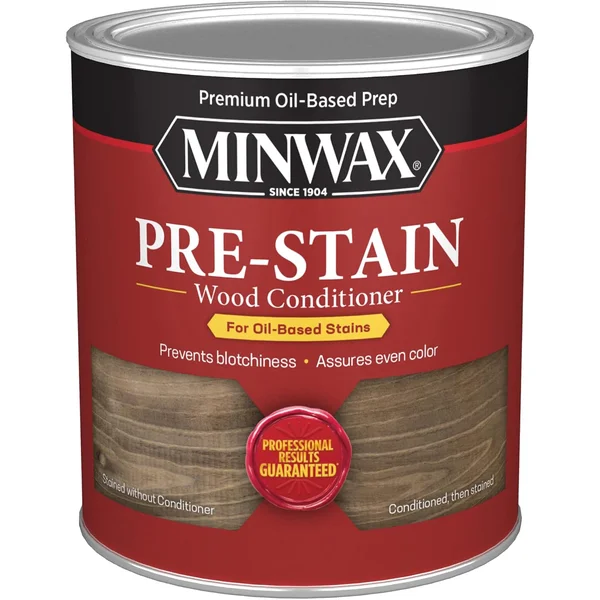 |
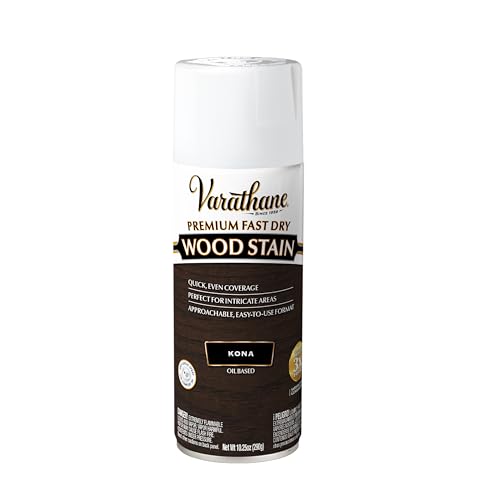
Minwax Pre-Stain Wood Conditioner, 1 Quart Water popping raises the grain; a pre-stain conditioner tackles the other half of the blotching problem by controlling how fast the wood soaks up stain in the first place. Many finishers use both together on blotch-prone woods.
|
There are two clocks running after you water pop a piece, and both matter:
- Minimum wait (drying): 2-4 hours in typical shop conditions (68-75°F, moderate humidity). Cooler or more humid air slows evaporation and can push this toward overnight.
- Maximum wait (grain relaxation): Try to stain within roughly 24 hours of water popping. The raised fibers stiffen as they dry but slowly settle back closer to flat over the following day, so waiting several days largely wastes the effort.
Don’t judge readiness by the clock alone. Touch the surface — it should feel cool-neutral and completely dry, not damp or cold. Visually, water-popped wood typically looks a shade darker while still wet and returns to something close to its normal color once fully dry. If you have a moisture meter on hand, confirm the wood has returned to its normal moisture content for your shop before proceeding.
Doing It Right: Prep, Popping, Sanding
Start with the wood sanded through your normal grit progression (typically ending around 180-220 grit) and wiped free of dust. Apply water evenly across the surface with a spray bottle or a damp sponge/rag — enough to visibly wet the surface without pooling or running. Let it dry through the window above, then lightly sand the raised fibers with 220-320 grit sandpaper, just enough to knock down the roughness without cutting back into the grain you raised. Wipe away the sanding dust before staining.
What Goes Wrong at Each End of the Window
Stain too soon, while the wood is still damp beneath the surface, and you trap moisture under the stain film — this causes uneven absorption, blotchy color, and can prevent the stain from curing properly. Wait too long past that 24-hour mark, and the grain you worked to raise settles back down, so you lose much of the texture and absorption benefit you popped the wood for in the first place, essentially staining as if you’d skipped the step.
Frequently Asked Questions
How long should I wait after water popping before staining?
Let the wood dry for 2-4 hours in normal shop conditions (longer in cool or humid air), then stain within about 24 hours — waiting much longer lets the raised grain relax back down.
Can I stain wood immediately after water popping?
No. Staining while the wood is still damp traps moisture under the stain and causes uneven, blotchy absorption. Let the surface fully dry and lightly sand the raised grain first.
What is water popping in woodworking?
It’s the technique of lightly wetting raw wood with water before staining to raise the grain. After drying and a light sanding, the surface absorbs stain more evenly and shows richer color, especially on blotch-prone woods like pine and cherry.
Why does drying time matter so much after water popping?
Too little drying time traps moisture and causes blotchy stain absorption. Too much time lets the raised grain fibers settle back down, undoing much of the benefit. The real target is a window, not just a minimum wait.
The Bottom Line
Water popping has a timing window on both ends: dry for a few hours (not days), and stain within about a day before the raised grain relaxes back down. Judge readiness by touch and appearance rather than the clock alone, and consider a pre-stain conditioner alongside it on blotch-prone woods.
Sponsored / affiliate links. As an Amazon Associate I earn from qualifying purchases. I may earn additional commission from eligible campaigns.