Can You Put Two Coats of Semi-Transparent Stain?
Yes, you can put two coats of semi-transparent stain on wood or a deck, and for most weathered or rough-sawn surfaces it genuinely improves both color depth and protection. The catch most guides skip: some semi-transparent formulas are engineered as single-coat products, wood that’s dense or new can only absorb so much stain before a second coat just sits on top instead of soaking in, and the timing of when you apply that second coat matters more than most people realize.
Yes, You Can Apply Two Coats of Semi-Transparent Stain
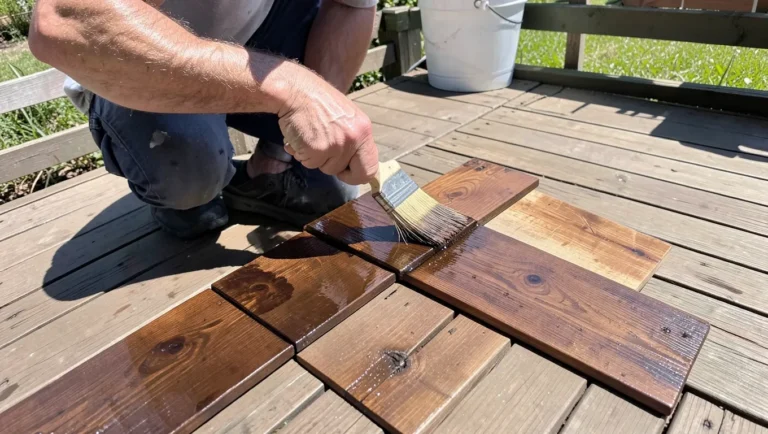
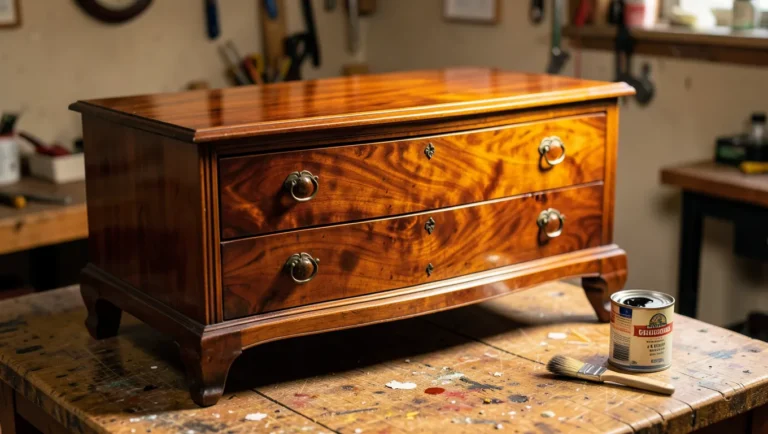
A second coat of semi-transparent stain is a well-established technique, not a workaround. The first coat penetrates the wood fibers and establishes a base color; a second coat, applied correctly, deepens that color and adds another layer of UV and moisture protection while the wood grain is still visible through the finish. That “grain still shows through” quality is exactly what separates semi-transparent stain from a solid or opaque stain, which is formulated to hide the grain entirely rather than let it read through the color.
Well-Reviewed Two-Coat-Friendly Pick
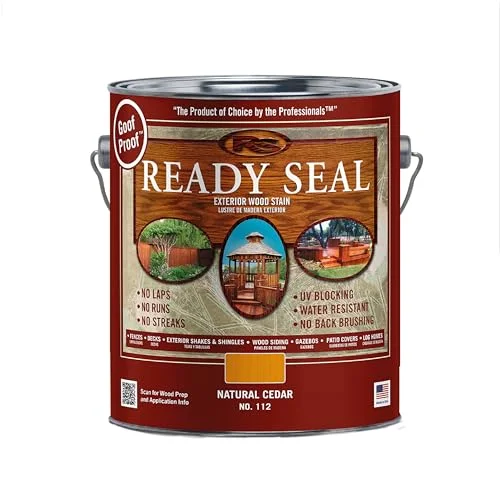 |
Ready Seal 112 Stain & Sealer, Natural Cedar (1 Gal) – $39.99 An oil-based semi-transparent stain and sealer whose own label instructs applying two light coats roughly 45 minutes apart, so it’s built around the two-coat approach this article covers rather than fighting it.
|
Check the Label First: Some Semi-Transparent Stains Are Single-Coat Products
Before you open a second can, read the back of the label. A number of semi-transparent penetrating stains, including several from Olympic and other major brands, are formulated for exactly one coat on a well-prepared deck. That’s not a marketing shortcut; it comes down to absorption capacity. Semi-transparent stain is a penetrating finish, not a film-building one, and wood can only soak up so much liquid before it’s saturated. Once the fibers are full, extra stain has nowhere to go and just sits on the surface, where it can stay tacky, attract dirt, or wipe off unevenly.
New, dense, or mill-planed lumber is the case where a second coat is least likely to help. Fresh wood hasn’t opened up yet the way weathered, sun-exposed, or lightly sanded wood has, so it resists absorption. If you’re staining a brand-new deck, apply one coat, let it cure, and check the color after a couple of weeks before deciding whether it actually needs a second pass. Older, grayed, or previously stripped wood is usually the wood that benefits most from two coats, because its grain has opened up enough to take on more stain.
The Real Limit: Two Coats Deepens Color, a Third Starts Looking Like Paint
This is the tradeoff most articles never mention. A second coat of semi-transparent stain is a genuine, common technique for deepening color while the wood grain still shows through. A third coat is a different story. Once you’ve built up two coats, the wood’s absorption capacity is largely used up, so a third coat behaves less like a penetrating stain and more like a thin film sitting on the surface. That’s when semi-transparent stain starts drifting toward the look of a solid or opaque finish: the grain gets muddier, the color looks flatter and less natural, and you lose the exact quality that made semi-transparent stain the right choice in the first place.
There’s also a practical durability issue with a third coat: an over-built film is more prone to peeling and flaking than a properly saturated one or two coats, because it isn’t bonded into the wood fibers the same way. If two coats haven’t given you the color depth you wanted, the fix usually isn’t a third coat of the same product. It’s checking whether the wood has reached its absorption limit, or switching to a stain formulated for deeper color rather than layering more of the same finish on top.
Recoat Timing: Apply the Second Coat Before the First Fully Cures
Most guidance says “wait for the first coat to dry,” but drying and curing are two different things, and the distinction matters here. A coat can feel dry to the touch within an hour or two while still being inside its manufacturer’s recoat window, which is typically the point at which the second coat blends most evenly with the first. Apply the second coat while the first is still within that window and the two coats absorb and blend together almost as one layer.
Wait until the first coat has fully cured and hardened, on the other hand, and you can end up with the opposite problem: the cured surface is less absorbent than it was right after application, so the second coat goes on unevenly, soaking in more in some spots than others. The result is the blotchy, patchy look people usually blame on bad technique or a bad batch of stain, when the real cause is simply recoating too late. Always check the specific product’s label for its recoat window, since it varies by brand and by weather, but “before full cure, within the stated window” is the general rule that most manufacturer instructions are built around.
How to Prep the Wood and Apply the Second Coat
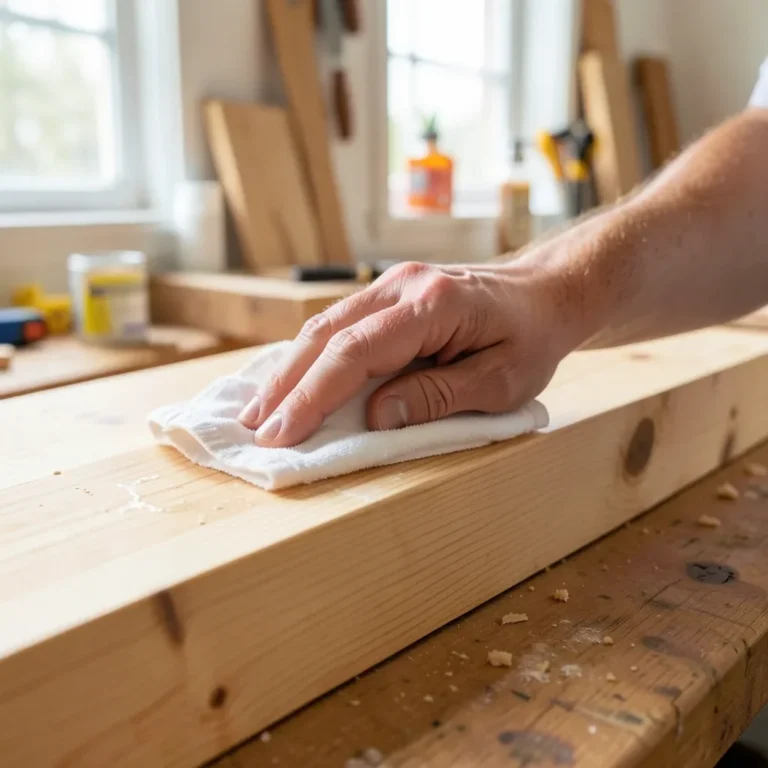
Start with a clean, dry surface. Wash away dirt, mildew, and old finish residue with a deck cleaner or a mild soap-and-water scrub, then let the wood dry completely, ideally 24 to 48 hours depending on humidity. A light sanding with medium-grit paper along the grain smooths raised fibers and helps the stain absorb evenly; wipe away the dust with a damp cloth before you start.
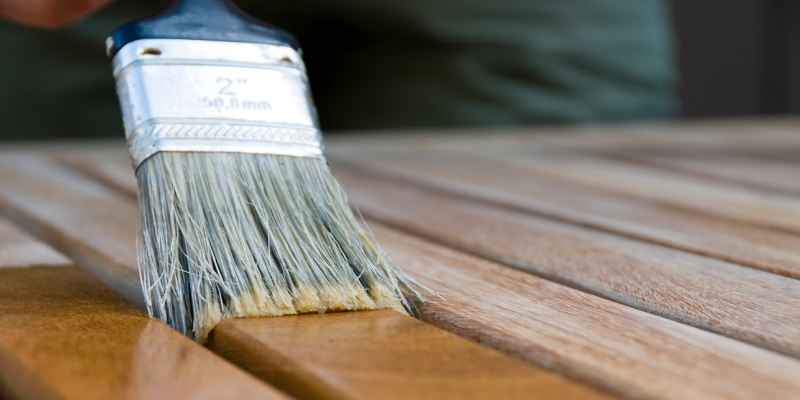
Apply the first coat in thin, even layers with a brush, roller, or sprayer, working in the direction of the grain and keeping a wet edge so you don’t leave visible lap lines. Once the first coat is within its recoat window, stir the stain again to keep the color consistent, and apply the second coat the same way. Work in small, manageable sections so you can maintain a consistent pace, and avoid flooding the surface with excess stain, since pooled stain is what causes drips and uneven dark spots as it dries.
Troubleshooting Blotchy, Peeling, or Uneven Second Coats
Blotchy or patchy color is most often the recoat-timing issue described above: the first coat cured too long before the second went on, so absorption became uneven. Sanding lightly and applying a thin, even third coat only in the affected spots (not the whole surface) can sometimes even things out, but going forward, tighten up the timing between coats.
Peeling or flaking almost always traces back to surface prep or over-application rather than the stain itself. Stain applied over dirt, old finish, or a surface that wasn’t fully dry won’t bond properly, and neither will a coat applied so thick it sits on top of the wood instead of soaking in. If you see peeling, the fix is to strip the affected area back to bare wood and start over with proper cleaning and thinner coats, not to add another coat on top.
Stain that stays tacky for days usually means the wood was already saturated, high humidity slowed curing, or too much product was applied. Let it cure longer in dry conditions before deciding whether it needs to be wiped down or lightly sanded.
How Often You’ll Need to Reapply
Semi-transparent penetrating stains typically need reapplication every 2 to 4 years on a deck or fence, depending on sun exposure, foot traffic, and local weather. A simple test: if water no longer beads up on the surface and instead soaks in, the protective layer has worn down and it’s time to clean the wood and reapply stain rather than wait for visible fading or graying. Areas with heavy sun or foot traffic will wear faster than shaded or low-traffic surfaces, so check high-exposure sections first.
Frequently Asked Questions
Can I apply two coats of semi-transparent stain?
Yes, on most weathered or previously stained wood two coats is a standard technique that deepens color and adds protection. Check the product label first, though, since some semi-transparent stains are formulated for a single coat, and new or very dense wood may not absorb a second coat well.
Should the second coat go on before or after the first one fully cures?
Before. Apply the second coat while the first is still within the manufacturer’s stated recoat window, not after it has fully hardened. A fully cured first coat is less absorbent, which causes the uneven, blotchy look people often mistake for a technique problem.
Why shouldn’t I apply a third coat for even more color?
By the second coat, most wood has absorbed close to as much stain as it can hold. A third coat tends to sit on the surface as a thin film instead of soaking in, which makes the finish look more like a solid or opaque stain, dulls the grain, and increases the risk of peeling since the extra layer isn’t bonded into the wood fibers.
How long should I wait between coats?
It depends on the product’s recoat window, which is usually listed on the label and can range from under an hour to several hours depending on the brand and the weather. The goal is to recoat before the first coat fully cures, not to wait a fixed 24 hours regardless of what the label says.
Applying two coats of semi-transparent stain, done at the right time and on wood that can actually absorb it, is one of the simplest ways to get a deeper, longer-lasting finish without losing the natural grain that makes semi-transparent stain worth choosing over a solid color in the first place.
Sponsored / affiliate links. As an Amazon Associate I earn from qualifying purchases. I may earn additional commission from eligible campaigns.