Painting in Humid Weather: What Goes Wrong
Humidity becomes a painting problem around 70% relative humidity; at 85% or higher, most coatings dry too slowly, so pause unless the label says otherwise. If you ignore that, you can get blushing, sagging, poor adhesion, and a finish that fails early. This guide shows what fails first, how the damage moves through the film, and when to stop, wait, or repair the coat already on the wall.
What humidity does to fresh paint


High humidity slows evaporation first. With latex and acrylic paint, water leaves the film more slowly, so touch dry, recoat time, and full cure all stretch out. Oil-based and alkyd coatings usually handle damp air better at the start, but they still slow down and can stay soft longer than expected.
That delay changes the whole job sequence. A coat that is dry to the touch may still be too soft for masking, stacking, or a second coat. If you recoat too early, the next layer can trap moisture and solvents, which raises the risk of wrinkling, dull spots, and weak adhesion.
A common first-timer mistake is to treat “dry to touch” as the finish line. Picture a 12-by-12 bathroom painted late in the afternoon with the fan off and the door closed. The surface may feel dry the next morning, yet it can still print with a fingernail and stay vulnerable to steam from the first shower.
Why water-based paint slows first
Latex and acrylic coatings depend heavily on water evaporation, so they are usually the first to show trouble in humid air. The film can level poorly, stay sticky at the edges, or pick up dust because it remains open longer. High humidity also raises the chance of surfactant leaching, which can leave whitish or brownish marks if drying drags on.
Why oil-based paint is slower than expected
Oil-based and alkyd paint often feel more forgiving during the first few hours, but they are not immune. Humid air still slows solvent loss and oxidation, and that can leave a soft film that stays vulnerable to dents, fingerprints, and blocking. The cure time remains long, even when the surface seems stable.
What changes in touch dry, recoat, and cure
Touch dry means the surface no longer feels wet. Recoat time means the next coat can go on without disturbing the first one. Full cure means the film has reached its final hardness and resistance. In humid weather, all three can lag, and the gap between them matters for masking, hardware reassembly, and cleaning.
When is it too humid to paint?
There is no single universal cutoff. Product labels control, and they differ by coating. Still, many guides treat 40% to 50% RH as the ideal range, 70% RH as a clear warning zone, and 85% RH or higher as a stop signal for many products unless the label says otherwise.
At 70% RH, dry time can roughly double for latex paint compared with drier room air. That does not mean the job will always fail, but it does mean your schedule, ventilation plan, and recoat window need to change. At about 85% RH, several manufacturer sheets advise not to apply the coating at all.
How to read RH limits on the label
Start with the can or technical data sheet. Rust-Oleum enamel spray sheets say to apply only when relative humidity is below 85%. Benjamin Moore Advance says do not apply above 85% humidity or under 50 F. Other products may set tighter or looser limits, so the can beats general advice every time.
Why 70% RH changes the schedule
Seventy percent RH is high enough to slow the entire dry chain. Touch dry arrives later, recoat windows stretch, and full cure takes longer than planned. If you have to stop for the day, leave extra time before masking, sanding, or bringing the piece back into service.
Why 85% RH is often a stop signal
At or above 85% RH, many coatings dry so slowly that defects become more likely than a clean finish. Some pages treat that level as a do-not-paint threshold. The problem is not only slow drying; the film may stay soft long enough for dust, water, and movement to damage it before it sets.
Dew point and surface temperature
Humidity alone will not make the call. Dew point is often the better field check because it tells you when a surface may cool to the point of condensation. A common rule of thumb is to keep the surface at least 5 F above the dew point. That margin matters most near dusk and overnight.
Surface temperature also has to fit the label range, and it often matters more than air temperature. Sunlit siding can run much hotter than the air, while shaded wood, metal, or masonry can cool fast after sunset. The surface you paint is the one that counts.
Why dew point beats humidity alone at night
A warm afternoon can hide a problem that appears after sunset. As the substrate cools, it can slide toward the dew point even while the weather report still shows only moderate RH. That is when condensation forms on the paint film or the substrate, and the result can be blushing, poor adhesion, or blistering later.
How to check the 5 F surface margin
Measure the surface temperature, then compare it with the dew point from a weather source or site meter. If the surface is less than 5 F above the dew point, delay the job. The margin is especially important on metal, trim, concrete, and shaded walls that cool quickly after the sun drops.
Why sun and shade give different readings
Two walls on the same house can behave differently. A west-facing wall may be too hot in the afternoon, while a shaded wall may cool into the condensation zone by evening. If you test only the air, you can miss both problems. Check each substrate before you start another section.
Humid weather paint failure matrix
| Condition | Likely defect | Earliest visible symptom | Likely cause | Immediate fix |
|---|---|---|---|---|
| 70% RH in a closed room | Slow drying, soft film | Paint stays tacky after the expected touch-dry time | Water evaporation is slowed | Increase airflow, lower room humidity, delay recoat |
| 85% RH or higher | Poor cure, surface defects | Finish feels soft and prints easily | Drying is too slow for safe application | Stop painting and wait for better conditions |
| Surface at dew point | Condensation, adhesion failure | Damp sheen or water beads on the substrate | Surface cooled to the dew point | Dry the surface, warm it, and postpone coating |
| Cool night after a warm day | Blistering, peeling later | None at first; failure appears after cure starts | Night cooling brings the surface near condensation | Stop late-day coating and respect the 5 F margin |
| Thick coat on humid day | Sagging, wrinkling, trapped moisture | Runs or ridges before the film sets | Skin forms before the lower film dries | Level the wet film if possible; sand and recoat later |
| Poor ventilation indoors | Long tack time, odor retention | Coating stays open and dust sticks | Moist air is trapped in the room | Run fans, open paths for air, add a dehumidifier |
| Bathroom moisture after painting | Sticky film, surfactant leaching | Whitish or brownish stains, especially on late-drying spots | Steam and humidity keep the film wet too long | Keep the room dry, allow more cure time, use moisture-resistant paint next time |
| Rain expected within 2 to 3 hours outdoors | Wash-off, poor adhesion | Surface loses uniform sheen or feels chalky | Moisture hits before the film sets | Stop and wait for a dry window |
| Interior temperature near 70-85°F but humidity high | Delayed cure, blocking | Painted parts stick together or to tape | Warm air does not offset excess moisture | Lower RH first, then allow more recoat time |
Indoor painting in humid rooms
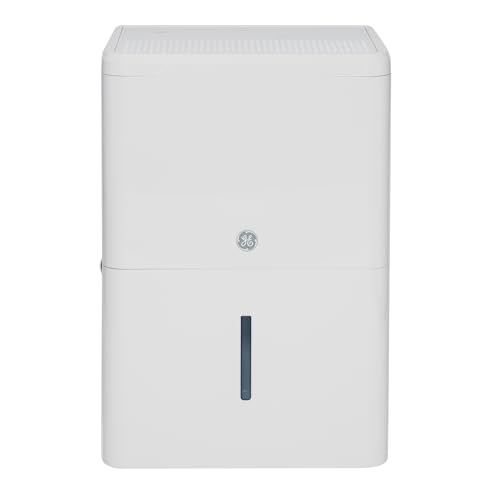
Indoor work gives you more control, but only if you use it. Fans help move moist air away from the film, and air conditioning can lower room humidity while keeping temperatures steadier. A dehumidifier is often the best tool in a closed room because it reduces RH instead of just moving the same damp air around.
Airflow has to be balanced with dust control and fumes. Too much turbulence can blow debris onto wet paint or push solvent-laden air into the wrong part of the room. The goal is steady exchange, not a wind tunnel.
When to use a dehumidifier
Use a dehumidifier when the room stays damp, the paint remains tacky past the label’s recoat window, or the space has little natural air exchange. It is especially useful in basements, laundry rooms, and sealed rooms with one painted surface drying at a time. Lower RH can shorten the wait before recoating and help the film harden.
Bathrooms, kitchens, and basements
Bathrooms, kitchens, and basements need moisture-resistant or mildew-resistant paint, but that choice does not make poor conditions acceptable. Steam, cooking moisture, and ground dampness can still slow drying and trigger surfactant leaching or staining. Prepare the room, control humidity, then apply the coating within the label limits.
Outdoor painting in humid weather
Outside, the two biggest threats are changing surface temperature and nighttime moisture. A warm wall can turn cool enough for condensation after sunset, and a shaded wall may never dry as fast as the weather app suggests. Sherwin-Williams Duration Exterior says to avoid application if rain or snow is expected within 2 to 3 hours and to apply above 35 F and at least 5 F above the dew point.
For exterior products, surface range matters as much as ambient air. Benjamin Moore Aura Exterior lists surface application temperature from 40 F to 100 F, which shows how widely the allowed range can vary by product. Read the label before the first gallon is opened.
What warm days and cool nights do to the film
Warm afternoons can help the surface start drying, then cool nights can pull that same surface toward the dew point. The film that looked stable at supper can soften again if moisture condenses overnight. That is how a paint job can look acceptable one evening and fail by the next afternoon.
Why thick coats fail sooner
Thick coats skin over fast and trap moisture below the surface. In humid weather, that trapped moisture has fewer ways out, so the lower film stays soft. The visible signs are sagging, wrinkling, or a surface that prints under light pressure long after it should be set.
When rain or overnight condensation should stop the job
Stop if rain, snow, or overnight condensation is likely before the film can set. If the substrate is likely to fall to the dew point after dark, do not rely on a quick afternoon coat to stay safe. The label’s weather limits are there because a wet or chilled surface can undo fresh work fast.
Can you paint in high humidity?
Yes, but only when the coating label allows it and the surface, dew point, and ventilation all line up. High humidity is not a blanket ban, but it raises the odds of slow drying and finish defects. The safest approach is to compare product limits with field conditions instead of guessing from the weather alone.
How to decide whether to proceed
- Check the label for RH, temperature, and dew point limits.
- Measure the surface temperature, not just the air.
- Compare the surface to the dew point and keep at least 5 F of margin.
- Look for rain, overnight cooling, or condensation risk.
- For indoor work, lower RH with fans, AC, or a dehumidifier before you paint.
- If the coating is already on, wait longer before recoating or masking.
What to do before recoating
Before recoating, check for tackiness, dust pickup, print marks, or a dull, uneven sheen. If the first coat is still soft, wait. Recoating too early can trap moisture and produce a weak bond between layers. A longer delay is safer than trying to force the schedule.
What can I do if I already painted in high humidity?
Start by lowering humidity and increasing air movement, then leave the coating alone until it firms up. If you see surfactant leaching, washing with mild water and a soft pad may help after the film has cured enough to handle it. If the surface blisters, peels, or stays soft far past the label window, sanding and recoating may be needed.
Frequently asked questions
What humidity is too high to paint?
Above about 85% RH, many manufacturers say not to apply the coating. Some products allow more, some less. The more useful question is whether the surface temperature is at least 5 F above dew point and whether the film can dry before night cooling, rain, or steam exposure.
How does humidity affect paint drying?
Humidity slows evaporation, so touch dry arrives later, recoat time stretches out, and full cure takes longer. Latex and acrylic coatings are hit hardest because they rely heavily on water leaving the film. When drying stalls, the surface can stay soft, collect dust, and develop stains or adhesion problems.
Why does paint stay tacky in humid weather?
Paint stays tacky because the water or solvent in the film cannot leave fast enough. That is common with latex and acrylic paint, especially in closed rooms or on cool surfaces. If the coat is thick or the room is damp, the skin can form while the lower layer remains soft.
Is humidity or dew point more important for painting?
Dew point is often more useful in the field because it predicts condensation on the actual surface. Humidity still matters, but a surface that cools near dew point can fail even when the RH number looks acceptable. Use both, and always check the surface temperature before you start.
Sponsored / affiliate links. As an Amazon Associate I earn from qualifying purchases. I may earn additional commission from eligible campaigns.