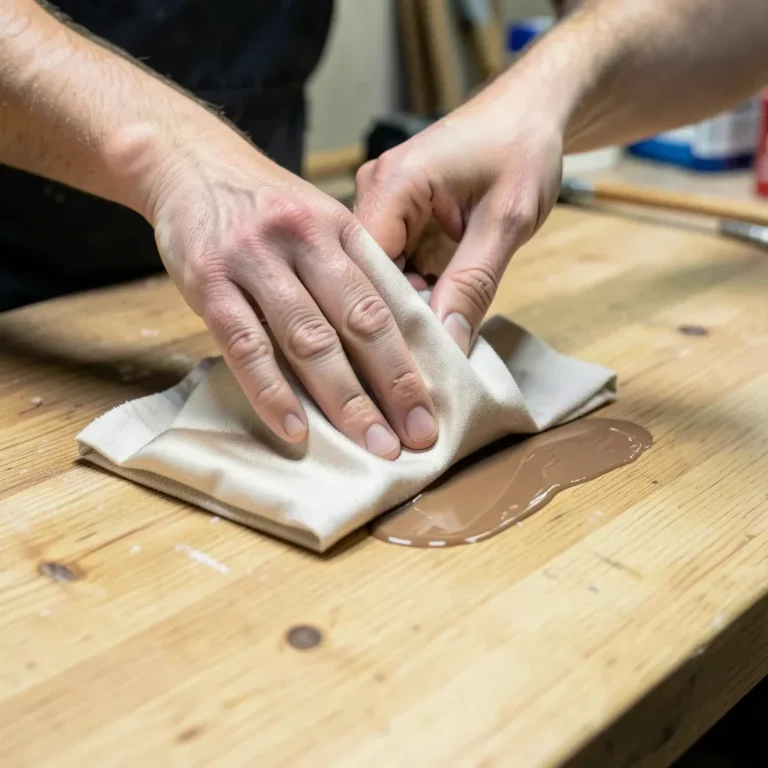
Best Paint Sheens for Baseboards and Trim (2026): We Compared
Use satin for older or uneven baseboards, semi-gloss for most interior trim, and higher-gloss only on smooth, well-prepped wood that needs frequent cleaning. Choose poorly and brush marks, dents, and dust streaks stand out fast, while touch-ups become harder to match. This guide compares sheens by trim condition, traffic, and cleanup needs so you can choose the right finish for each room.
Choosing the right sheen based on trim condition

The right sheen depends more on surface condition than habit. Satin gives a softer look that hides small flaws better, while semi-gloss creates a crisper line and wipes down faster. Higher gloss can work, but only when the trim is already smooth and the prep is solid.
Satin for older or imperfect trim
Satin sits lower on the shine scale than semi-gloss, so it gives trim a soft glow without making it look shiny. That lower reflectivity helps hide small dents, old caulk lines, and slight filler ridges on older baseboards.
It is a strong choice for trim that has a few repairs, uneven grain, or a history of patching. Satin still wipes clean, but it does not draw attention to every minor flaw the way a brighter finish can.
Semi-gloss for smoother, higher-wear trim

Semi-gloss is more reflective and is often the better fit for cleaner trim profiles, sharper lines, and rooms that need frequent wiping. It is easier to clean in kitchens, baths, mudrooms, and kids’ rooms, where fingerprints and splash marks show up fast.
The trade-off is visibility. Semi-gloss shows bumps, ridges, nail holes, and brush marks more than satin does, so the surface needs better sanding, filling, and caulking before paint goes on.
When higher gloss makes sense
Gloss paint can work on trim, but it demands the smoothest substrate in the room. If the wood is already flat, well-primed, and carefully sanded, a gloss finish can look crisp and reflective.
It is a poor match for damaged baseboards or sloppy caulk lines. The shinier the finish, the more it shows imperfections.
Quick comparison
The core trade-off is simple: satin hides more and semi-gloss cleans easier, while gloss increases reflectivity and surface demands. The best choice changes with trim condition, room traffic, and how much prep you can do.
| Badge | Product | Badge | Best for | Price | Buy |
|---|---|---|---|---|---|
|
EVOLVE Ultimate White Paint & Primer in One, Satin Sheen –EVOLVE | Our pick | 1 gallon · Satin sheen · White | $33.14
Price as of 28 Oct 2026
|
View |
|
KOMPOZIT Acrylic Paint & Primer (2-in-1) – Pure White SemiKOMPOZIT | Also great | 1 gallon · Semi-gloss · Pure white | $57.99
Price as of 28 Oct 2026
|
View |
 |
Diamond Brite Latex Gloss Enamel Paint, Gloss White, 1Diamond Brite Paint | Upgrade pick | 1 gallon · Gloss · White | $43.99
Price as of 28 Oct 2026
|
View |
 |
PRESTIGE Paints P500-P-869BM Interior Paint and Primer InPRESTIGE | Budget pick | 1 gallon · Semi-gloss · Oxford white | $51.99
Price as of 28 Oct 2026
|
View |
Use the table below as the first filter, then adjust for paint chemistry and primer needs.
How we chose
The criteria here come from manufacturer specs, the listing details, and published buyer feedback. The comparison focuses on sheen, cleanup, trim use, and the practical limits of each product category.
- Sheen fit for trim and baseboards, especially satin, semi-gloss, and gloss.
- Cleanup and drying claims that matter in real repaint work.
- Paint-and-primer claims, since prep burden changes with existing finish.
- Published use cases for doors, trim, and interior woodwork.
Methodology
The review is based on product specifications, sheen behavior, and buyer-review patterns rather than lab testing.
The guidance here leans on trim condition, not just preference, because the same failure modes tend to show up across trim jobs: one-coat claims that do not cover dark-to-white transitions, semi-gloss that exposes every sanding ridge, and gloss that looks best only after careful prep.
| Product | Sheen | Best fit | What stands out | Honest drawback |
|---|---|---|---|---|
| EVOLVE Ultimate White Paint & Primer in One | Satin | Older trim, dented baseboards, rooms where you want softer reflection | Paint and primer in one; washable, low-odor formula | Satin will not hide severe surface damage, and a one-coat claim still depends on color change and prep; similar products often fail a dark-to-white repaint without a second coat |
| KOMPOZIT Acrylic Paint & Primer | Semi-gloss | Most trim, especially cleaner profiles and rooms that need wipe-downs | Paint and primer in one; quick-drying, low-odor formula | Semi-gloss can expose filler spots, lap marks, and brush texture if prep is rushed; reviewer feedback on comparable paints often mentions visible roller or brush streaks under angled light |
| Diamond Brite Latex Gloss Enamel Paint | Gloss | Smooth, well-prepped trim where reflectivity is the goal | Shiny trim finish; moisture resistant for interior use | Gloss is unforgiving on dents, ridges, and uneven caulk lines |
| PRESTIGE Paints P500-P-869BM | Semi-gloss | Doors, trim, and repaint projects that want easy cleanup | Paint and primer in one; 100% acrylic latex for easy cleanup | As with any semi-gloss, flaws on older trim stay more visible than they would under satin |
Choose your trim sheen in 60 seconds
| Trim condition | Room/use case | Recommended sheen |
|---|---|---|
| New pristine trim | Freshly installed wood, smooth filler, clean caulk lines | Semi-gloss or gloss; the surface can support more reflectivity, so the line looks crisper |
| Older dented trim | Baseboards with old repairs, small gouges, or uneven profiles | Satin; the lower sheen hides minor flaws and old caulk lines better |
| High-traffic hallways | Vacuum edge hits, shoe scuffs, and hallway wear | Semi-gloss or a durable satin; choose by how smooth the trim is and how often it gets wiped |
| Kitchens, baths, kids’ rooms | Fingerprints, splash marks, and frequent cleaning | Semi-gloss; it wipes down more easily in busy rooms |
| Glossy repaints | Trim already painted glossy or you want maximum reflectivity | Gloss only after strong sanding and bonding primer; otherwise defects will stand out |
| White baseboards in low-UV hallways | Long interior runs with limited daylight | Semi-gloss or a yellowing-resistant trim enamel; white stays cleaner-looking longer |
Use this matrix as a shortcut, not a rulebook. If the trim is damaged, satin usually buys you more forgiveness. If the surface is already clean and smooth, semi-gloss gives you a harder-looking edge and faster wipe-downs.
What sheen hides flaws best?
Satin hides flaws best on older trim because its lower shine softens dents, old caulk lines, and patching around nail holes. Semi-gloss does the opposite: it throws more light back at the surface, so bumps, ridges, and brush marks become easier to see.
Why satin softens dents and caulk lines
Satin has a soft glow rather than a bright reflection. That matters on baseboards with small abuse marks, especially where vacuum edges bump the wood or where filler has leveled poorly.
It is a smart choice when you want the trim to disappear a little instead of calling attention to every repair.
Why semi-gloss reveals surface defects
Semi-gloss gives a cleaner visual edge, which is useful on trim profiles that are already straight and smooth. The same reflectivity also makes problems easier to spot.
If the wood has ridges from sanding, proud filler, or brush marks, semi-gloss will show them more clearly than satin.
How lighting changes what you notice
Lighting matters as much as sheen. Side light from a hallway window or a row of ceiling fixtures can rake across the surface and expose defects that look minor in flat light.
That is why old trim often looks worse after a high-sheen repaint in bright corridors, while satin tends to stay calmer under the same light.
Suppose a 20-foot hallway has white baseboards with a few filled nail holes and a slightly wavy caulk line. Satin will make those repairs less obvious. Semi-gloss will still work, but only if you sand and recaulk carefully first.
What finish cleans up easiest?
Semi-gloss cleans up easiest for most trim because the smoother, more reflective surface resists grime better and wipes down faster in kitchens, baths, mudrooms, and kids’ rooms. For baseboards, that easy cleaning matters because they take vacuum hits, shoe scuffs, and toy-box abrasion.
Why semi-gloss wipes down faster
Fingerprints, splashes, and dust wipe off semi-gloss with less effort than they do on flatter sheens. That does not mean the paint is automatically tougher, but it usually means marks sit on the surface instead of sinking into the texture.
For families who clean baseboards often, semi-gloss is usually the practical pick.
Why baseboards need scuff resistance
Baseboards live low and get hit often. Vacuums clip the top edge, shoes kick the lower section, and toy boxes scrape corners as they move.
Scuff resistance helps the paint film keep its appearance over time, especially in hallways and play areas where the same impact repeats every week.
Where yellowing resistance matters
White baseboards in low-UV hallways can drift toward cream or yellow over time if the coating lacks good yellowing resistance. That matters most on long interior runs where sunlight is limited and repainting is a hassle.
If the goal is a brighter white that stays that way longer, choose a trim enamel that is known for staying color-stable, not just one that looks white on day one.
Trim paint chemistry and primer
Sheen is only half the decision. The coating chemistry affects hardness, leveling, cleanup, and how long the finish stays looking smooth. For trim and baseboards, the best paint is usually a durable enamel or hybrid acrylic-alkyd.
Acrylic-alkyd trim enamel
Acrylic-alkyd trim enamel is a water-borne hybrid used in many premium trim paints. Modern versions aim for a harder, smoother finish than traditional oil, while still cleaning up with water.
That combination makes sense for doors, casings, and baseboards where you want a more refined surface without solvent cleanup.
Waterborne urethane enamel
Waterborne urethane enamel is another common trim option. It is used for baseboards and other interior trim where a hard cured film and strong durability matter.
Some versions also offer faster recoat times than certain hybrids, but you still need to check the manufacturer’s listing for the specific product and cure schedule.
When to use bonding primer
Trim paint adhesion primer is needed for raw wood. It is also useful over glossy oil paint, and it is important on stained trim or any surface where tannin bleed can migrate through the topcoat.
If the old finish is shiny or unknown, a bonding primer is safer than hoping the new paint will grab well enough on its own.
- Clean the trim and remove loose debris.
- Sand glossy areas so the new coating has tooth.
- Fill nail holes and dents.
- Caulk gaps where the trim meets the wall.
- Prime bare wood, stained wood, or problem finishes.
- Choose satin for forgiveness or semi-gloss for easier cleaning.
A common first-timer mistake is skipping primer on old glossy trim because the color looks covered after one coat. That can lead to adhesion problems later, especially on doors and baseboards that get touched often.
Should trim match the walls?
Trim does not have to match the walls, and in many rooms it should not. Matching sheen to wall sheen can help the room feel calmer, while a slight sheen jump on the trim can create a cleaner edge and better separation. The right choice depends on wall finish and lighting.
Matching sheen to wall sheen
If your walls are flat or eggshell, satin trim often creates a subtle but clear boundary. If your walls already have a bit of sheen, semi-gloss trim can look intentional without feeling harsh.
In low light, a smaller sheen gap can keep the room from looking overly reflective.
Using sheen to separate trim from walls
A brighter trim finish can frame doors and baseboards, especially in rooms with plain wall color. Semi-gloss is the usual way to create that separation, and gloss does it even more strongly.
That separation works best when the trim is straight and the wall paint edge is clean.
How room light changes the choice
Bright side lighting, long hallways, and sunlight from windows all make sheen differences more obvious. In those rooms, a satin trim can keep older wood from looking too busy, while semi-gloss can sharpen a new install that has clean lines.
If the room already has strong reflections from floors or cabinets, a lower-sheen trim may feel more balanced.
Choose EVOLVE if… / Choose KOMPOZIT if… / Choose Diamond Brite if… / Choose PRESTIGE if…
Choose EVOLVE if your trim is older, patched, or slightly uneven and you want a satin finish that softens flaws. Its washable, low-odor formula makes sense for rooms that need a quieter look, but satin will still reveal major damage if prep is weak.
Choose KOMPOZIT if you want semi-gloss for a cleaner trim line and easier wipe-downs. It fits most interior trim jobs well, but semi-gloss will expose uneven filler, sanding scratches, and sloppy caulk more than satin will.
Choose Diamond Brite if you want maximum reflectivity and are working with smooth, well-prepped trim. Gloss creates a sharp, polished look, but it is the least forgiving choice for dents, brush marks, and imperfect repairs.
Choose PRESTIGE if you want a semi-gloss repaint for doors and trim and like a 100% acrylic latex cleanup profile. It is a practical middle ground, though it still needs careful prep if the existing baseboards are rough or glossy.
Which one should you buy?
If the baseboards are older, dented, or patched, start with satin. If the trim is smooth and the room gets a lot of contact, semi-gloss is usually the better buy. If you are repainting glossy trim and want a brighter, more reflective finish, gloss can work, but only after sanding and priming.
For most homes, the real decision is between satin and semi-gloss. Satin is the safer choice for imperfect trim. Semi-gloss is the better choice when cleaning matters more than camouflage.
Budget also matters. Trim paint usually costs about $40 to $110 per gallon, while premium options can sit above that range. Benjamin Moore Advance is one premium trim enamel many painters compare against, and if you are comparing premium enamels for a harder, smoother finish, Benjamin Moore Advance is the name to check against first.
Use the coating, not just the sheen, to solve the job. A durable enamel or hybrid acrylic-alkyd matters for trim because baseboards get scuffed and cleaned more than walls do.
Frequently asked questions
What is the best sheen for baseboards?
Satin is usually best for older or imperfect baseboards because it hides small dents and old caulk lines better. Semi-gloss is the better choice when the baseboards are smooth, need frequent wiping, or sit in a busy hallway, kitchen, or kids’ room.
What sheen do you use for trim?
For most trim, semi-gloss is the practical default because it wipes clean easily and gives a crisp edge. Satin is the better pick when the trim is older, repaired, or slightly uneven and you want fewer flaws to stand out.
What sheen for baseboards and trim
Choose satin for aged baseboards and semi-gloss for cleaner, better-prepped trim. That split works because baseboards take more scuffs and vacuum hits, while semi-gloss gives a sharper line on trim profiles that are already smooth.
Is satin or semi-gloss better for baseboards?
Satin is better for baseboards that have dents, filler, or uneven caulk. Semi-gloss is better when the baseboards are smooth and you want easier cleanup in high-touch areas. The right answer depends on the condition of the wood, not just the room.
Can you use gloss paint on trim?
Yes, but only when the trim is already smooth and well-prepped. Gloss makes defects easier to see, so it works best on new or carefully sanded trim with strong caulk lines and a good primer underneath.
What paint finish is easiest to clean on baseboards
Semi-gloss is usually easiest to clean because it resists grime better and wipes down faster than satin. That matters on baseboards, which get hit by vacuums, shoes, and toys and need a coating that can take repeated cleaning.
What sheen hides imperfections on old trim
Satin hides imperfections better on old trim because its lower sheen softens dents, patching, and old caulk lines. Semi-gloss and gloss both reveal more surface detail, especially under bright or side lighting.
Should baseboards and trim match the walls?
They do not have to match, but the sheen should make sense with the wall finish and the light in the room. A satin or semi-gloss trim can separate the trim from the walls cleanly, while a smaller sheen gap can feel calmer in bright rooms.
Sponsored / affiliate links. As an Amazon Associate I earn from qualifying purchases. I may earn additional commission from eligible campaigns.