Ash Lumber Prices in 2026: $4-$8 Per Board Foot (Real Numbers)
Ash lumber runs about $4 to $8 per board foot for standard kiln-dried 4/4 boards in 2026, with wide or premium FAS-grade stock climbing to $6–$15/bf and figured or live-edge slabs reaching $18–$50/bf. Emerald ash borer has thinned the supply of large, clear ash logs across much of the eastern half of the country over the past several years, which is a real part of why prices have crept up — not just inflation. Below are real per-board-foot ranges by grade, what actually moves that number up or down, and where the genuine savings are once you know what to ask a sawmill or lumberyard for.
What Does Ash Lumber Actually Cost in 2026?
Confirm You’re Actually Getting the Kiln-Dried Board You Paid For
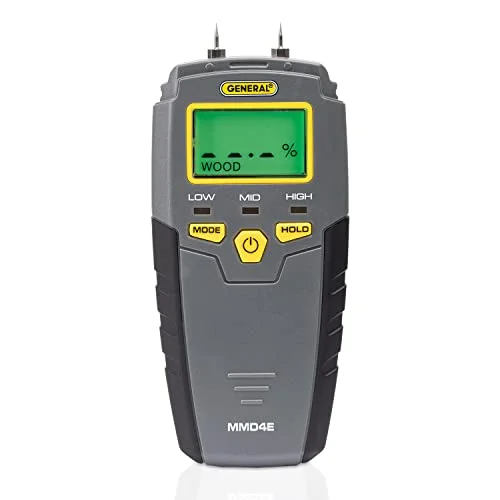 |
General Tools MMD4E Digital Moisture Meter – $39.98 Kiln-dried ash costs more than air-dried or green stock precisely because it’s supposed to be more stable — this checks whether the board you paid the premium for is actually there yet.
|
Ash pricing swings a lot more by grade and cut than most beginners expect. The numbers below reflect what hardwood dealers were actually quoting for 4/4 (1-inch) White Ash in mid-to-late 2026; treat them as a real starting range, not a fixed price — your region, the individual supplier, and current EAB-driven supply all move the number.
| Grade / Form | Typical Price (per board foot) | Best Use |
|---|---|---|
| Rough sawn, ungraded | $3.00 – $5.00 | Shop projects, milling it yourself |
| 1 Common / 2 Common | $4.00 – $6.50 | Painted furniture, utility builds |
| Select / FAS, standard 4/4 | $6.00 – $8.50 | Fine furniture, cabinetry, show faces |
| Wide or thick premium stock | $6.00 – $15.00 | Tabletops, large panels |
| Figured or live-edge slabs | $18.00 – $50.00 | Statement furniture, one-off pieces |
Volume changes the math more than most buyers realize. One hardwood supplier’s published 2026 price list charges $7.25/bf for 4/4 FAS ash on orders under 250 board feet, but drops to $3.75/bf once an order hits 1,000 board feet — nearly half off, just for buying in bulk. If you’ve got several projects planned, or you can split a large order with another woodworker, that difference is real money. It’s also why the “per board foot” number quoted on the phone can look nothing like what shows up on your invoice — always confirm whether a quote is for your actual quantity, not a 100-bf minimum rate.
What Actually Moves the Price Up or Down
Six factors do almost all the work in setting what you’ll pay. Species comes first: White Ash (Fraxinus americana) is the premium pick for its straight grain and strength, so it typically costs more than the more widely available Green Ash. Grade is next and the biggest lever — the NHLA (National Hardwood Lumber Association) system runs from FAS (First and Seconds, at least 83.3% clear usable wood) down through Select, 1 Common, and 2 Common, and each step down in grade knocks a real chunk off the price because you’re paying for less clear, usable material per board.
Cut matters too: plain-sawn is the default and cheapest, while quarter-sawn ash — cut at roughly 90 degrees to the growth rings for a straighter, more stable “tiger stripe” grain — commands a real premium because a mill gets fewer usable boards out of the same log. Drying method is the fourth factor: kiln-dried lumber costs more than air-dried because it takes energy, equipment, and controlled time to get a board stable and predictable, while air-dried is cheaper but slower and more prone to warping if it’s not stored right. Dimensions play in too — standard thicknesses like 4/4, 6/4, and 8/4 in common widths are stocked and priced better than a custom order, and longer or wider boards cost more simply because they’re rarer in any given log. Finally, where you buy shifts price on its own: a local sawmill selling direct usually beats a retail lumberyard’s markup, but a lumberyard often has better selection and consistency to show for the difference.
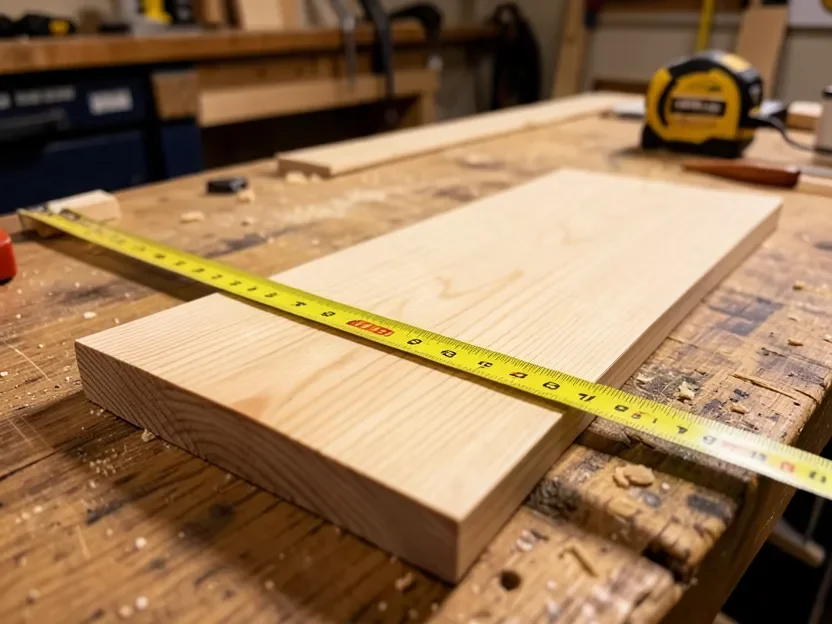
If you’re not sure how board footage translates into a final price, our board-foot calculation guide walks through the math, and the lumber price calculator lets you plug in a quoted per-bf rate to see what a specific board or project will actually cost before you buy.
How to Pay Less Without Downgrading Your Project
A handful of habits account for most of the real savings woodworkers find on ash. Buying directly from a local sawmill instead of a retail lumberyard cuts out a markup layer, though you may need to be flexible on exact dimensions and grading. Choosing 1 Common or 2 Common instead of FAS is the single biggest per-board-foot lever if your project will be painted, is a shop fixture, or can absorb a few small knots — you’re paying for clear, defect-free wood at the top grades, and plenty of builds simply don’t need it. Buying in the quantity that actually unlocks a supplier’s bulk-rate tier (see the $7.25 vs. $3.75/bf example above) is worth doing the math on before you place an order, even if it means combining a purchase with a future project or another woodworker.
Rough-sawn lumber is consistently cheaper than surfaced (S4S) boards, since you’re paying the mill to skip a milling step — worth it if you own a jointer and planer, since you do that work yourself for a lower price per board foot. Off-cuts and shorter pieces, which most sawmills and lumberyards keep in a discount bin, are usually priced well below standard rates and are ideal for tool handles, drawer parts, or smaller accent pieces where full-length boards would be overkill. And sticking to standard thicknesses (4/4, 6/4, 8/4) and common widths avoids the custom-order premium that non-standard dimensions almost always carry.
For where to actually find ash lumber — local sawmills, online hardwood retailers, and what to check before you buy from either — see our full ash wood lumber buying guide. For the bigger picture on ash pricing across every form (logs, lumber, firewood, standing trees), our ash wood cost overview covers that ground.
Getting the Most Out of Budget-Grade Ash
Lower grades aren’t a downgrade for every project — they’re the right call for plenty of them. A shop workbench, jigs, or a painted piece of furniture can absorb 1 Common or 2 Common ash without anyone noticing, since knots and minor defects either get painted over or cut around in the layout. Tool handles and small accent pieces are a natural fit for off-cuts, since you rarely need more than a foot or two of clear wood. Where grade actually matters is a show face — a tabletop, cabinet door panel, or anything that gets stained clear and viewed up close — and that’s where it’s worth paying for FAS or Select instead of fighting knots in the final layout. If cutting boards are on your list, worth checking whether ash is actually a good fit first, since porosity is a real consideration there that grade alone doesn’t solve.
Frequently Asked Questions
How much does ash lumber cost per board foot?
Standard 4/4 kiln-dried ash runs about $4 to $8 per board foot in 2026, depending on grade. Rough-sawn or lower-grade (1 Common/2 Common) stock can run as low as $3–$5/bf, while wide, premium, or figured boards climb well past $15/bf, and live-edge slabs can reach $18–$50/bf.
Is ash lumber more expensive than oak?
Ash and oak generally sit in a similar price range for comparable grades. White Ash can be slightly less expensive than white oak depending on region and current supply, but both are common domestic hardwoods, so the gap is usually smaller than the gap between either one and a lower-grade utility wood like poplar.
Where can I find the cheapest ash lumber?
Local sawmills selling direct are typically the cheapest source, especially if you’re flexible on rough-sawn stock, lower grades, or off-cuts. Buying in bulk quantities that hit a supplier’s next pricing tier, and checking discount bins for shorter pieces, are the two other most reliable ways to cut the per-board-foot cost.
Why has ash lumber gotten more expensive?
Emerald ash borer has killed a large share of mature ash trees across much of the eastern United States over roughly the past two decades, reducing the supply of large, clear logs available to mills. That supply pressure, on top of general lumber market conditions, is a real factor behind the higher prices seen on wide, clear, premium-grade ash specifically.
Should I buy rough-sawn or surfaced (S4S) ash?
If you own a jointer and planer, rough-sawn ash is meaningfully cheaper per board foot since you’re doing the milling work the supplier would otherwise charge for. Without that equipment, surfaced (S4S) ash costs more but is ready to use, which is usually worth the premium over buying tools you’ll rarely use again.
Sponsored / affiliate links. As an Amazon Associate I earn from qualifying purchases. I may earn additional commission from eligible campaigns.