Average Cost to Refinish Wood Floors: $3-$8 Per Sq Ft (2026)
Refinishing wood floors costs $3 to $8 per square foot in 2026 according to several contractor guides, but your quote depends mostly on scope: a screen-and-recoat can start near $1 per square foot, while stain changes, dustless sanding and repairs stack on top. This guide gives the ranges with their sources and dates, a worked stacking example, and DIY rental math so you can compare quotes line by line.
What It Costs to Refinish Wood Floors in 2026
Best DIY Floor Finish Pick
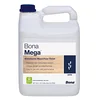 |
Bona Mega Wood Floor Finish, Satin, 1 Gallon ($98.99) The finish is the biggest materials line in the DIY budget math further down this page, so it is the one product worth pricing before you rent a sander.
|
As an Amazon Associate we earn from qualifying purchases.
Four price guides were read for this update. Two of them (Rustic Wood Floor Supply and Big Bro Hardwood) give the same headline range of $3 to $8 per square foot for a full sand-and-finish, but they disagree on almost everything underneath it, which is why the table below shows two sources side by side instead of blending them into one false average.
| Service | Rustic Wood Floor Supply (Apr 2026) | D and G Flooring (Mar 2026) |
|---|---|---|
| Screen and recoat (no sanding) | $1 to $2.50 per sq ft | Not listed |
| Basic sand and finish | $3 to $5 (light wear) | $3 to $5 |
| Sand, stain and finish | $4 to $6 (moderate wear) | $4 to $7 |
| Heavy damage or full restoration | $6 to $8+ | $6 to $10 |
| DIY (all costs) | Not listed | $1.50 to $3 |
Rustic Wood Floor Supply (April 2026) lists light, moderate and heavy wear as separate tiers, while D and G Flooring (March 26, 2026) prices by service level instead. A third calculator, Homewyse (September 2026), returned $6.64 to $8.10 per square foot for a 134 square foot example with two-pass sanding and two coats of waterborne polyurethane. Small jobs price higher per foot because setup and minimum charges are spread over fewer square feet.
If your floor still has an intact finish, price the cheaper option first. Our guide to screening and recoating hardwood floors covers grits and wait times, and the section on skipping the sander below explains how to tell whether you qualify.
Why Quotes for the Same Floor Disagree
Two contractors can look at the same room and quote $1,500 apart without either being dishonest. The usual reason is that the quotes cover different scopes. Before comparing totals, line up what each one includes:
- Dust control: Rustic Wood Floor Supply adds $2 to $4 per square foot for dustless refinishing and D and G Flooring adds $0.50 to $1.50 for dust containment, while Big Bro Hardwood says it includes dustless sanding at no extra charge. Same label, very different price treatment.
- Overhead and extras: Homewyse states its estimate excludes general contractor overhead (13 to 22 percent if applicable), sales tax, permits, hazardous material testing and structural repairs.
- Coats and finish grade: D and G Flooring lists a third coat at $0.50 to $1.00 per square foot, and Big Bro Hardwood lists a two-component finish upgrade at $385 to $675.
- Furniture and trim: furniture moving is quoted anywhere from $20 to $50 per room (Big Bro Hardwood) to $100 to $500 for the job (Rustic Wood Floor Supply), and baseboard removal is $1 to $2 per linear foot at D and G Flooring.
Job size also moves the per-foot rate. Big Bro Hardwood (updated September 30, 2026), which draws its examples from the Chicago area, publishes these bands:
| Project size | Price per sq ft (Big Bro Hardwood, Sept 2026) |
|---|---|
| 300 to 400 sq ft | $4.00 to $7.50 |
| 500 to 600 sq ft | $3.75 to $7.00 |
| 1,000 to 1,199 sq ft | $3.00 to $6.50 |
| 2,000 to 3,000 sq ft | $3.00 to $6.00 |
The same source says labor is around 80 percent of a refinishing bill. Arithmetic on that figure: at the full $3 to $8 range, roughly $0.60 to $1.60 per square foot is materials and equipment, and the rest is the crew. That is the pool DIY savings come from.
What Drives the Price Up or Down
Wood species and condition
Rustic Wood Floor Supply prices oak and maple at $3 to $5 per square foot, pine and softer woods at $4 to $6, cherry, walnut and hickory at $4 to $7, and exotic species at $5 to $8 or more.
Stain color and finish type
Changing the stain color adds $1 to $3 per square foot at Rustic Wood Floor Supply and $1 to $2 at D and G Flooring. On finish, D and G Flooring prices oil-based polyurethane at $3 to $5 per square foot and water-based at $4 to $6, with hardwax oil at $5 to $8. Rustic Wood Floor Supply lists the raw product at $40 to $70 per gallon for oil-based and $50 to $90 for water-based.
Repairs and prep
Board replacement runs $10 to $30 per board at both Rustic Wood Floor Supply and D and G Flooring. Carpet removal is quoted at $1 to $2 per square foot by Rustic Wood Floor Supply and $0.70 to $1.60 by Big Bro Hardwood, and Big Bro lists subfloor repair at $3 to $12 per square foot. If boards are loose, fix them before anyone sands: see our guide to fixing squeaky wood floors.
Stairs
Stairs are priced per step because a drum sander cannot reach them. The three sources disagree sharply:
| Source | Stairs, per step |
|---|---|
| Rustic Wood Floor Supply (Apr 2026) | $25 to $85 |
| D and G Flooring (Mar 2026) | $25 to $75 |
| Big Bro Hardwood (Sept 2026) | $100+ per tread |
Where you live
D and G Flooring says major metro areas run 20 to 40 percent above the national average and rural or smaller cities run below it. Arithmetic on that claim: a job that prices at $5 per square foot nationally would be about $6 to $7 in a major metro.
Stacking the Costs: A Worked Example
Per-square-foot ranges are easy to misread because add-ons are priced separately. Here is one stacked scenario for a 400 square foot living room and hallway with moderate wear, a stain color change, dustless sanding, 13 stairs and furniture moving. Every input comes from the Rustic Wood Floor Supply ranges above, and the multiplication is ours.
| Line item | Low | High |
|---|---|---|
| Sand and finish, moderate wear: 400 sq ft x $4 to $6 | $1,600 | $2,400 |
| Stain color change: 400 sq ft x $1 to $3 | $400 | $1,200 |
| Dustless: 400 sq ft x $2 to $4 | $800 | $1,600 |
| Furniture moving (flat) | $100 | $500 |
| Stairs: 13 steps x $25 to $85 | $325 | $1,105 |
| Total | $3,225 | $6,805 |
Treat the totals as bookends: a contractor who includes dust control in the base rate (as Big Bro Hardwood says it does) would drop the dustless line. The point is that a $4 to $6 headline rate can end up near $8 to $17 per square foot once everything is itemized, which is the number to compare against your quotes. (Arithmetic: $3,225 / 400 = $8.06 and $6,805 / 400 = $17.01 per square foot of the 400 sq ft room, stairs included.)
DIY vs Professional: Rental and Materials Math
Rental prices are the least consistent numbers in this whole topic. Rustic Wood Floor Supply (April 2026) lists a drum sander at $50 to $80 per day and an edger at $35 to $45 per day, while D and G Flooring quotes $200 to $400 for a drum sander rental. A Home Depot rental listing seen in a search this session showed a drum floor sander at $66 per day and an edger at $70 per day, with other stores lower, so call your local store before budgeting.
| Cost line, 250 sq ft room | DIY estimate | Source |
|---|---|---|
| Drum sander plus edger, one day | $85 to $136 | Rustic range ($50 to $80 plus $35 to $45), up to the Home Depot listing ($66 plus $70) |
| One 10-pack of 8 x 19 inch drum sanding belts | About $33 | Amazon Creators API listing, Oct 7, 2026 |
| One gallon of finish, as priced here | $98.99 | Amazon Creators API listing, Oct 7, 2026 |
| Subtotal for one rental day, one belt pack, one gallon | $217 to $268 | Arithmetic: $85 + $33 + $99 and $136 + $33 + $99 |
| Professional, 250 sq ft x $3 to $8 | $750 to $2,000 | Rustic range; arithmetic ours |
That $217 to $268 subtotal is the floor, not the budget. It leaves out stain, a second rental day, extra grits, plastic sheeting, applicators and respirator filters. D and G Flooring puts all-in DIY at $1.50 to $3 per square foot, which for 250 square feet is $375 to $750 (arithmetic ours), and Big Bro Hardwood puts a 300 to 400 square foot DIY job at $500 to $1,000.
The real DIY risk is not the rental fee. A drum sander removes wood quickly, and one gouge can mean replacing a board at $10 to $30 per board before you even refinish it. If you have never run one, read our step-by-step guide to refinishing wood floors yourself first, and consider paying a pro for the room where you cannot afford a mistake. Our article on how many times you can refinish wood floors explains how many sandings a floor has left.
Before You Sand: Lead, Dust and Fumes
Sanding is the step that creates the most dust, so it is also the step with the most risk. The EPA says its Renovation, Repair and Painting rule requires anyone paid to disturb painted surfaces in homes built before 1978 to be lead-safe certified, and that the rule does not generally apply to homeowners working on their own pre-1978 homes. The same page lists sanding among the activities that can create hazardous lead dust. If your home is older, or the floor or trim has ever been painted, have the surfaces tested before you sand.
- If you hire out the work in a pre-1978 home, ask whether the contractor is lead-safe certified, as the EPA recommends.
- Use a dust bag or containment system, a properly fitted respirator rated for fine dust, and keep children and pets out of the work area.
- Follow the finish can for ventilation and rag disposal. Oil-based and water-based products have different drying times and fume levels, so read the label for the product you buy.
Can You Skip Sanding? What a Recoat Costs
A recoat means buffing off the gloss and adding fresh finish, with no wood removed. Rustic Wood Floor Supply puts it at $1 to $2.50 per square foot. Arithmetic on its own ranges: at the midpoints ($1.75 for a recoat, $5.50 for a $3 to $8 refinish), one recoat costs about a third as much as a full job.
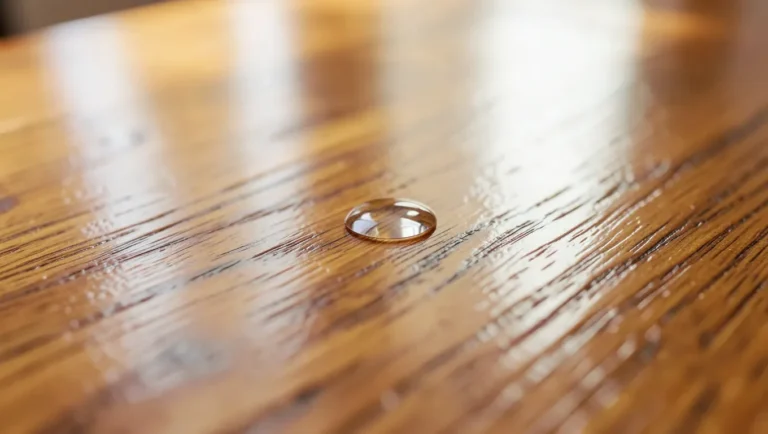
Big Bro Hardwood says a floor needs a new coat every 3 to 5 years, that you should wait at least 24 hours before walking on it or bringing furniture back, and that a recoat cannot remove water damage, deep scratches, deep stains or UV discoloration. It also describes two quick checks for wax or polish buildup, a water-and-ammonia drop test and a mineral spirits wipe, because a recoat will not bond over some products. For the full method see how to screen and recoat hardwood floors, and if you only want a livelier look, how to shine wood floors covers polish, wax and oil options. Not sure a recoat is even needed? Renewing wood floors without sanding is the cheapest route to test first.
Refinish or Replace?
Refinishing is almost always the lower-cost path when the boards are sound, because you pay for finish and labor rather than new material. Replacement is the better question when boards are cupped from moisture or the wear layer is nearly gone. For the install side, including gap specs, see how to install hardwood flooring; replacement pricing is not covered here because none of the sources above quote it.
How to Lower Your Refinishing Bill
- Get at least three itemized quotes and ask each one to state dust control, coats, stain and furniture moving separately.
- Try a screen-and-recoat first if the finish is dull but not worn to bare wood.
- Move furniture and remove carpet yourself if you can, since those are separate line items at $100 to $500 and $0.70 to $2 per square foot in the sources above.
- Bundle rooms into one visit: the size bands above show the per-foot rate falling as the job grows.
Frequently Asked Questions
How much does it cost to refinish 1,000 square feet of hardwood floors?
Using the Big Bro Hardwood size band for 1,000 to 1,199 square feet, $3.00 to $6.50 per square foot, a 1,000 square foot job is about $3,000 to $6,500 (our multiplication). The Rustic Wood Floor Supply range of $3 to $8 gives $3,000 to $8,000. Stain, stairs and repairs are extra.
Is it cheaper to refinish hardwood floors yourself?
Usually, but by less than people expect. D and G Flooring puts DIY at $1.50 to $3 per square foot against $3 to $5 for a basic professional job, while Big Bro Hardwood says labor is about 80 percent of a pro bill. The savings disappear if a sander gouge forces board replacement.
Why do refinishing quotes for the same floor differ so much?
Scope. One quote may include dust containment, a third coat and furniture moving while another lists them as add-ons. Homewyse also notes its estimate excludes contractor overhead of 13 to 22 percent, so compare itemized quotes instead of totals.
How much does a screen and recoat cost compared with a full refinish?
Rustic Wood Floor Supply lists screen and recoat at $1 to $2.50 per square foot versus $3 to $8 for a full sand and refinish. A recoat only works if the finish is dull rather than worn through to bare wood.
How much does it cost to refinish stairs?
Sources disagree: $25 to $85 per step at Rustic Wood Floor Supply, $25 to $75 at D and G Flooring, and $100 or more per tread at Big Bro Hardwood. Ask whether the quote covers risers and nosings as well as treads.
Sponsored / affiliate links. As an Amazon Associate I earn from qualifying purchases. I may earn additional commission from eligible campaigns.