How Much MDF Primer: Expert Tips and Guide
Budget roughly 300-400 sq ft per gallon for MDF’s smooth factory faces, but only 100-150 sq ft per gallon for raw cut edges – edges are far more porous and absorb primer at less than half the rate of the faces. Most calculators just multiply length by width and ignore this, which is why people who follow a simple face-only calculation consistently run short on a project with a lot of cut edges (shelving, cabinet doors, trim).
Why Edges And Faces Need Separate Math
Best Primer For MDF Edges And Faces
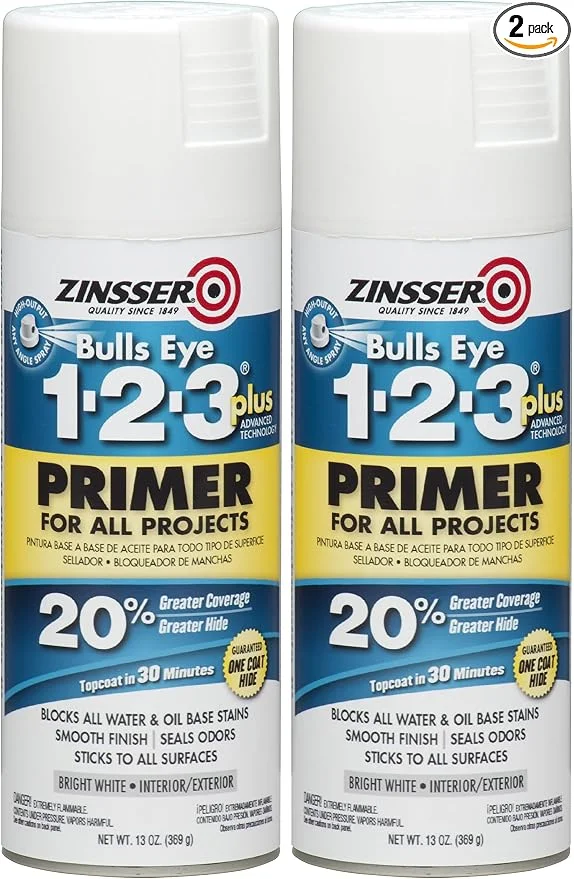 |
Zinsser Bulls Eye 1-2-3 Plus Primer – $21.96 Seals MDF’s porous edges well enough that a second coat actually gets closer to the can’s stated coverage rate.
|
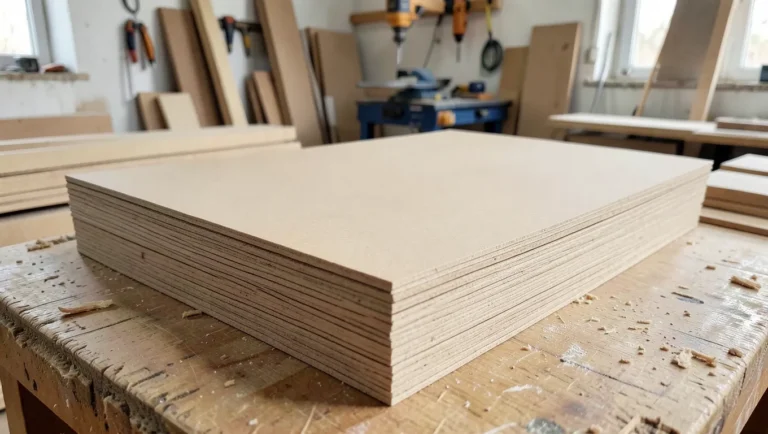
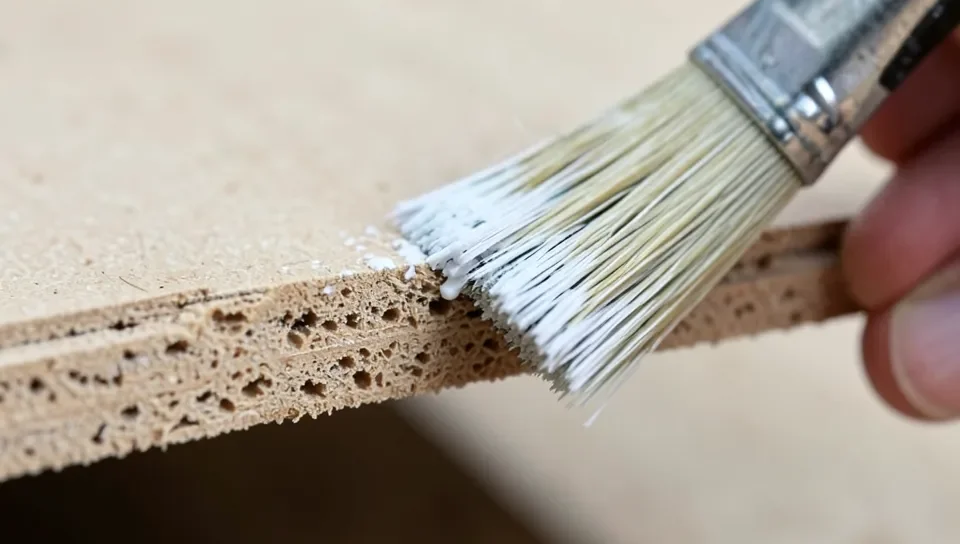
MDF’s factory faces are pressed smooth and relatively sealed, so they absorb primer close to what the can’s coverage rate promises. Cut edges expose the raw, fibrous core – the same reason MDF edges swell if they get wet – and that porous fiber soaks up far more primer, especially on the first coat.
| Surface | Typical Coverage | Why |
|---|---|---|
| Factory face (first coat) | 300-400 sq ft/gal | Smooth, pressed surface, closer to the can’s stated rate |
| Factory face (second coat) | 350-450 sq ft/gal | Less absorption once the first coat has sealed the surface |
| Raw cut edge (first coat) | 100-150 sq ft/gal | Exposed fibrous core absorbs heavily – budget 2-3x more primer per square foot here |
| Raw cut edge (second coat) | 200-300 sq ft/gal | Absorption drops significantly once the first coat has sealed the edge |
Calculating How Much You Need
- Measure the face area (length x width) for each panel, and add them together for the total face area.
- Separately, measure the total length of raw cut edges (add up every exposed edge) and multiply by the board thickness to get edge square footage.
- Divide face area by 300-400 (first coat) and edge area by 100-150 (first coat), then add the two gallon figures together – this gives a realistic total instead of underestimating from a single blended number.
- Round up, and always buy a bit extra – running out mid-coat on a large panel means visible lap marks where you paused.
What MDF Primer Actually Does
- Seals the porous surface so the topcoat paint doesn’t soak in unevenly, which would otherwise waste paint and leave a dull, blotchy finish.
- Protects against moisture absorption – unsealed MDF swells permanently if it gets wet, and primer is the first line of defense, especially at those porous cut edges.
- Creates a surface the paint can actually grip – paint applied directly to bare MDF adheres poorly and is prone to peeling.
Types Of Primer
- Water-based: easy application and cleanup, low odor, dries fast – a solid default choice for most indoor MDF furniture and trim.
- Oil-based: stronger adhesion and stain-blocking, better for high-moisture areas, but needs mineral spirits for cleanup and takes longer to dry.
- Shellac-based: the fastest-drying, best at blocking stubborn stains and odors, but has the strongest fumes and needs denatured alcohol for cleanup.
Application Tips
- Sand lightly, clean off dust, then apply thin, even coats – thick coats cause drips and uneven texture, especially on porous edges.
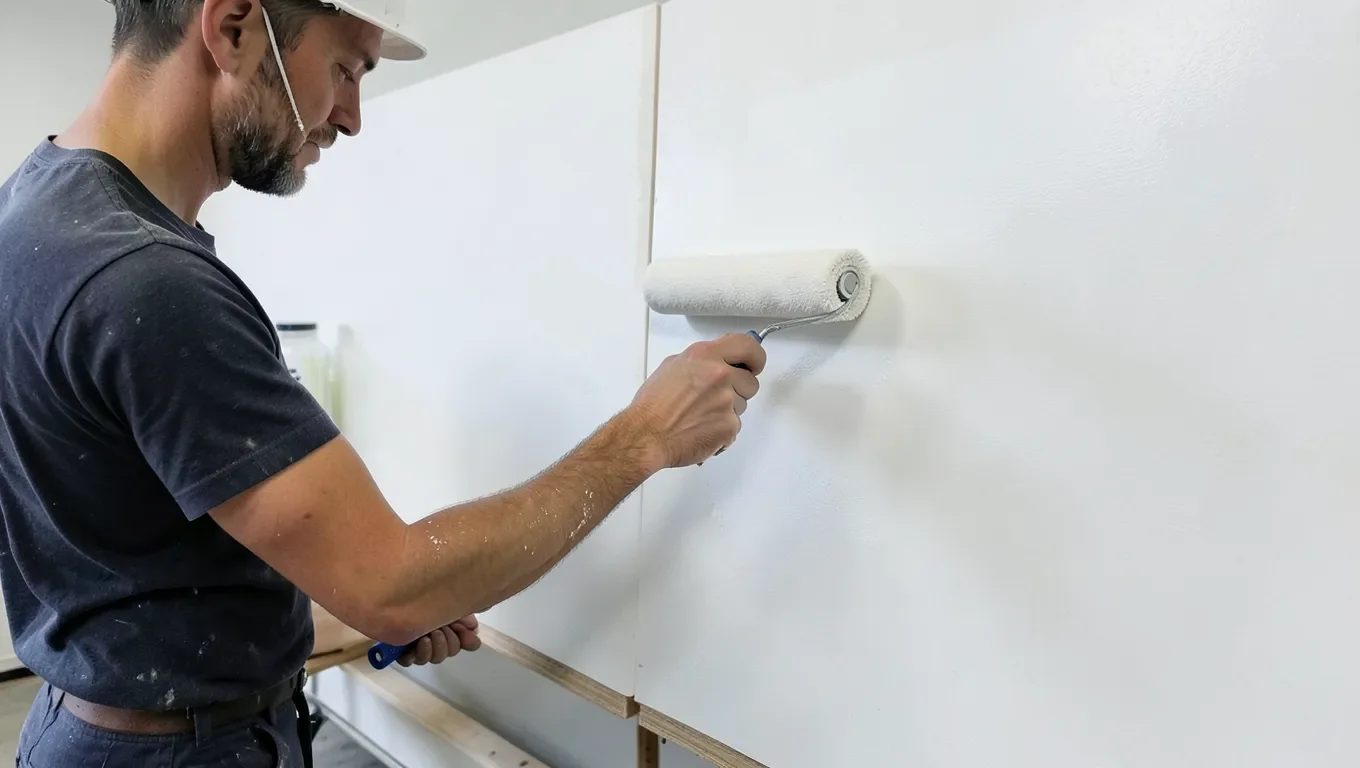
- Prime edges with a brush even if you’re rolling the faces – a roller doesn’t reach into the porous edge fibers as effectively.
- Plan on two coats as standard practice for MDF, not one – the first coat mostly seals the surface, and the second is what actually gives even, durable coverage.
- Let each coat dry fully before the next, and avoid priming in humid conditions, which slows drying and can affect adhesion.
Frequently Asked Questions
How Much MDF Primer Do I Need?
Budget separately for faces and edges: roughly 300-400 sq ft per gallon for smooth factory faces, but only 100-150 sq ft per gallon for raw cut edges on the first coat, since edges are far more porous. Add the two figures together rather than using one blended coverage number.
Do You Need To Prime MDF Twice?
Yes, two coats is standard practice, not optional. The first coat mostly seals the porous surface (especially edges); the second coat is what actually delivers even, durable coverage for the topcoat paint.
Why Does MDF Absorb So Much More Primer At The Edges?
Cut edges expose MDF’s raw, fibrous core, which is far more porous than the smooth, factory-pressed faces. This is the same reason MDF edges swell if they get wet – and it’s why edges can absorb 2-3x more primer per square foot than faces on the first coat.
Is MDF Primer Worth It?
Yes – it seals the surface so paint doesn’t soak in unevenly, protects against moisture swelling (especially at porous cut edges), and gives paint something to actually grip instead of peeling off bare MDF.
Conclusion
Getting MDF primer quantity right comes down to treating faces and edges as two different surfaces, not one blended number – edges are genuinely far more absorbent, especially on the first coat. Budget for that difference, plan on two coats, and you’ll avoid the mid-project primer run that a simple length-times-width calculation almost guarantees on anything with real edge area.
Sponsored / affiliate links. As an Amazon Associate I earn from qualifying purchases. I may earn additional commission from eligible campaigns.