3 Best Glues for Cork Panels (2026): based on specs and reviews
Yes, wood bonds to cork best with contact cement for large panels, yellow PVA or polyurethane for cork-backed assemblies that can be clamped, and epoxy only for small repair work or awkward substrates. Pick the wrong adhesive and you get curled edges, seam lines that show through, or panels that peel when humidity and heat rise. This guide gives a substrate-by-substrate adhesive pick for plywood, MDF, and solid wood, plus where cork-to-wood bonds fail and how I avoid that in the shop.
Can you glue wood to cork?
Yes. Cork bonds to wood, but the adhesive has to suit the assembly. Cork is porous and compressible, so the wrong glue can soak in, leave dry spots, or print every flaw from the board underneath. Flat plywood panels, small backing jobs, and uneven shop parts all need different chemistry and different pressure.
What usually goes wrong first
Edges lift first. Then bubbles show up in the middle. On thin cork, water-heavy glue can also make the sheet swell, curl, or print through after it dries. If the wood substrate is warped, the cork often copies that shape instead of flattening it.
Quick comparison

| Product | Badge | Best for | Price | ||
|---|---|---|---|---|---|
 |
Titebond III Ultimate Wood Glue 4 Oz. – WoodworkingTitebond | Our pick | Type I waterproof · 45°F min · PVA | $4.98
Price as of 26 Sep 2026
|
View |
 |
Gorilla Ultimate Waterproof Wood Glue, Natural Color, 8 ozGORILLA | Budget pick | 15-min open time · natural tan · PVA | $5.97
Price as of 26 Sep 2026
|
View |
 |
Scotch Super 77 Multipurpose Adhesive Spray, Bonds to3M | Also great | Spray · bonds wood/fabric · VOC <30% | $13.98
Price as of 26 Sep 2026
|
View |
 |
UHU Stic Glue Stick – Strong and Fast, Solvent FreeUHU | Also great | Glue stick · 98% natural · 8.2g | $9.49
Price as of 26 Sep 2026
|
View |
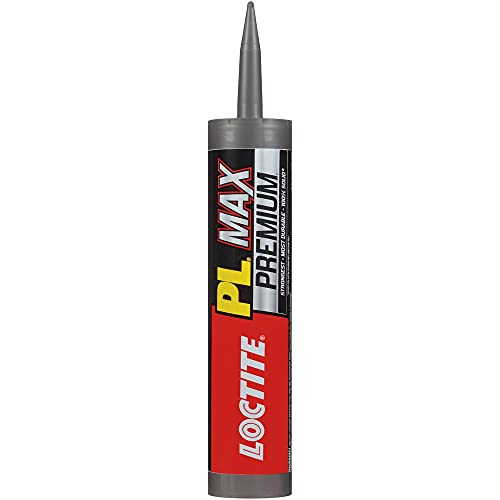 |
Loctite PL Premium Max Construction Adhesive, 9 fl ozLoctite | Our pick | $12.98
Price as of 21 Oct 2026
|
View |
For large flat laminations, contact cement is the safest default because it coats broad areas and grabs cork’s face evenly. For small backing jobs or awkward fit-ups, PVA, polyurethane, or epoxy can make more sense if the pressure, flatness, and cure time suit the part.
How we chose
The adhesive ranking below rests on four things: bond behavior on porous cork, tolerance for flatness problems, moisture risk, and real shop handling such as open time, cleanup, and reworkability. Cork-to-wood success depends more on the assembly than on the brand name.
We also weighed how each adhesive behaves on plywood, MDF, and solid wood. A glue that works on a small backing strip may fail on a full sheet panel.
Finally, failure modes matter here. Curl, bubbles, weak edges, foam-out, and springback are the problems that usually show up after the part leaves the bench.
Contact cement: best for large flat cork panels
Contact cement is the best fit for large-area cork laminations, especially cork board to plywood or MDF where both faces can be coated evenly and pressed once. It is a pressure-sensitive bond, so it wants broad coverage, flat surfaces, and careful alignment more than heavy clamping.
What stands out is how it grips full sheets without adding much moisture to the cork. That helps avoid curl on thin cork sheet or cork roll. The drawback is the one-shot nature of the bond: once the faces meet, repositioning is limited.
It also needs ventilation. Solvent fumes and flammability are real concerns, and dust on either surface weakens the bond quickly. A pressure roller or J-roller matters here because even pressure helps push out trapped air and stops bubbles.
Epoxy and polyurethane: best for uneven or problem substrates
Epoxy is the better choice when the wood is less than flat, the cork sheet is uneven, or the bond needs gap filling. It cures rigid, so it can bridge small voids that would leave contact cement short, especially on older MDF or rough solid wood repairs. The tradeoff is long cure time and mess.
Polyurethane adhesive helps when moisture activation and a bit of expansion are useful. It can fill minor gaps, but that foam-out can push up edges or leave soft spots if too much is used. Cleanup is harder than with PVA, and excess can stain the cork face.
Both are better than forcing a thin cork sheet onto a badly crowned board with water-based glue. Neither should be treated as a fix for poor surface prep. If the substrate is badly warped, clamp strategy and flatness still matter more than the bottle.
PVA wood glue: best for small jobs and light-duty backing
PVA wood glue can work on small backing jobs, edge strips, and light-duty cork-to-wood assemblies that can be clamped well. It is water-based, easy to clean, and gives more open time than many quick grab adhesives, which helps on small parts and simple layouts.
The weak point is moisture. Thin cork can swell or wave if too much liquid hits it, and the panel may dry with a slight curl if only one side gets wet. That makes PVA a poorer choice for large sheets, very thin cork, or any job where clamp pressure is hard to distribute evenly.
One more caution: PVA depends on even clamping, and cork compresses under load. If the clamps are too tight, squeeze-out can starve the joint; if they are too loose, voids remain. I keep it for small, flat, well-fitted work.
How do you glue a cork backing to wood without warping it?
Use the least wet adhesive that still fits the job, keep both surfaces flat, and apply pressure evenly across the full area. Warping usually comes from too much water in the adhesive, uneven glue spread, or clamping only at the edges. Cork board to plywood is much safer when the panel is flat before glue-up.
Surface prep and bond control
Sand wood to roughly 120 to 180 grit, then remove as much dust as possible before bonding. Cork should be dry, clean, and free of crumbs or loose binder. Degrease resinous wood if needed. Test-fit first, because once a cork sheet touches contact cement, correction is limited.
- Dry-fit the cork and mark the layup.
- Check the wood for cup, bow, or twist.
- Sand to 120-180 grit and vacuum dust.
- Spread the adhesive evenly as directed.
- Let solvent or water flash off to the correct tack.
- Set the sheet once, then roll or clamp from the center outward.
- Leave the part undisturbed until full cure.
Can you glue cork board to plywood?
Yes, and plywood is one of the better substrates for cork board because it is more stable than solid wood. A flat, sanded plywood panel paired with contact cement is usually the safest choice for full-sheet backing or facing. The main failure risks are trapped air, edge lift, and dust on the plywood face.
Why plywood behaves well
Plywood moves less across its face than solid wood, so it is less likely to print seasonal grain movement into the cork. That makes it a strong base for panel linings, pin boards, and decorative facing. If the plywood is rough or the cork is thin, epoxy can help on problem spots, but it should not stand in for flatness.
Do you need to seal wood before gluing cork?
Usually no, not before bonding. Sealing can interfere with adhesion if it leaves a slick or nonporous film. Most cork-to-wood bonds work best on clean, sanded wood. Seal after bonding if the project needs moisture protection, edge protection, or a finish compatible with the adhesive.
When sealing helps
Edge sealing matters on panels used in humid spaces or shop fixtures that may see spills. If sealing is planned, keep it off the bond line unless the adhesive maker allows it. On solid wood, sealing end grain after the cork is attached can reduce uneven moisture movement and edge fuzzing.
How long should glue cure on cork to wood?
Full cure depends on the adhesive. Contact cement grabs fast, but the bond still benefits from time before heavy use. PVA may need an overnight clamp or cure time for a reliable bond on cork backing. Polyurethane and epoxy usually need longer, and full cure is not the same as dry to the touch.
Practical cure-time guidance
For small PVA jobs, plan on a full overnight cure before sanding or stressing the joint. Contact cement should be left alone after assembly so the bond can settle. Epoxy often needs at least a full day, sometimes longer, before trimming. Thick assemblies and cool shops stretch every one of those times.
Can you glue wood to cork without warping it?
Yes, if the substrate is flat, the adhesive fits the assembly, and pressure is even. Warping usually comes from moisture imbalance, a bowed board, or pressure applied only in spots. The safest route is to match cork thickness, panel size, and flatness to the adhesive and the pressure method.
Project-type decision table
| Project type | Substrate | Cork thickness | Panel size | Flatness | Safest adhesive | Pressure method | Likely failure mode |
|---|---|---|---|---|---|---|---|
| Backing panel | Plywood | 1/16 in. to 1/8 in. | Full sheet | Very flat | Contact cement | J-roller | Air bubbles or edge lift |
| Small liner | Solid wood | 1/16 in. | Small | Good | PVA wood glue | Clamps and cauls | Curl from moisture swell |
| Panel facing | MDF | 1/8 in. to 1/4 in. | Medium to large | Flat to slightly uneven | Contact cement or epoxy | Roller or light cauls | Telegraphing from dents |
| Edge strip | Solid wood | Thin strip | Small | Fair | Polyurethane or PVA | Clamps with cauls | Springback at corners |
| Uneven repair | Older MDF or patched board | Any moderate thickness | Small | Poor | Epoxy | Clamp where possible | Hard spots, squeeze-out, long cure |
| Shop fixture liner | Plywood | 1/8 in. | Small to medium | Good | Contact cement | Pressure roller | Trapped air or poor alignment |
Which one should you buy
For a large flat cork panel on plywood, contact cement is the safest choice. It handles broad areas well and avoids adding much moisture to the cork. For a small backing on solid wood, a water-based PVA such as Titebond III or Gorilla Ultimate can work if the part can be clamped flat and the cork is not paper thin.
For an uneven board or older MDF, epoxy is the better problem solver because it can fill small gaps and cure rigid. For builds where reworkability matters more than speed, PVA is easier to clean up and adjust before clamp-up than contact cement or polyurethane.
Loctite PL Premium Max can be useful when a moisture-tolerant, gap-filling construction adhesive is needed, but its foam-out and cleanup make it a poorer choice for neat cork faces. UHU glue sticks are not a serious option for structural cork-to-wood bonding. Scotch Super 77 is more useful for lightweight layout or temporary assembly than for a durable panel bond.
Frequently asked questions
What is the best adhesive for cork to wood?
For full-sheet laminations, contact cement is usually the best choice because it works well on broad, flat surfaces and does not add much moisture. For smaller, clampable jobs, a PVA wood glue can be fine. For uneven or damaged substrates, epoxy usually gives the most forgiveness.
Will PVA wood glue stick to cork?
Yes, but only in the right setup. PVA can bond cork to wood on small parts with good clamping and minimal glue spread. It is less suitable for thin cork or large panels because the water in the glue can swell the cork and cause waves or curl.
Is contact cement better than wood glue for cork panels?
For large cork panels, yes. Contact cement is usually better because it handles full-sheet coverage, bonds quickly, and avoids soaking the cork with water. Wood glue is easier to clean up, but it is more likely to cause swelling, squeeze-out issues, and uneven pressure problems on broad panels.
Sponsored / affiliate links. As an Amazon Associate I earn from qualifying purchases. I may earn additional commission from eligible campaigns.