How to Attach Wood Fence to Metal Post: Easy & Durable Methods
Are you struggling with attaching a wood fence to a metal post? You’re not alone.
Mixing these two materials can feel tricky, but it doesn’t have to be. Imagine having a strong, sturdy fence that combines the durability of metal with the natural beauty of wood—sounds perfect, right? In this guide, you’ll discover simple, step-by-step methods to make your fence secure and long-lasting.
Keep reading, and by the end, you’ll have the confidence to tackle this project yourself, saving time and money while boosting your home’s curb appeal.
Choosing The Right Metal Posts
Choosing the right metal posts is key to a strong wood fence. The posts hold the fence steady and must last long. Picking the right type helps prevent problems like rust and weak support. This guide covers types of metal posts, size and strength, and corrosion resistance.
Types Of Metal Posts
Metal posts come in many types. Steel posts are common and very strong. Aluminum posts are lighter but less strong. Galvanized steel posts have a protective zinc coating. This stops rust and lasts longer outdoors. Choose a post type that suits your fence style and ground conditions.
Post Size And Strength
Post size matters a lot. Thicker posts hold more weight and resist bending. For wood fences, 2 to 3 inches wide posts work well. The height of the post should match the fence height. Strong posts prevent sagging and keep the fence upright in wind.
Corrosion Resistance
Metal posts must resist rust to last. Galvanized posts have a zinc layer that protects metal. Powder-coated posts also resist rust with a paint layer. Avoid plain steel posts unless treated. Good corrosion resistance saves money on repairs and keeps your fence looking good.
Selecting Suitable Wood Fence Materials
Choosing the right wood for your fence is key to a strong, lasting structure. The wood must fit well with metal posts and handle weather changes. This section explains how to pick wood that works best for your fence.
Common Wood Types
Cedar is a popular choice for fences. It resists rot and insects naturally. Pine is cheaper but needs treatment to last long. Redwood looks nice and stands up well to weather. Each wood type has good and bad points. Choose one that fits your budget and style.
Wood Treatment Options
Treated wood lasts longer outside. Pressure-treated wood resists decay and bugs. Staining wood adds color and extra protection. Sealing wood stops water from soaking in. Good treatment helps wood stay strong and look good for years.
Wood Size And Thickness
Wood size affects fence strength and look. Thicker boards are stronger but cost more. Common sizes include 1×4, 1×6, and 2×6 inches. Choose size based on fence style and metal post size. Proper thickness keeps your fence steady and safe.
Tools And Supplies Needed
Attaching a wood fence to a metal post needs the right tools and supplies. Proper equipment makes the job easier and the fence stronger. This section lists the main tools and materials you will need.
Basic Hand Tools
You need a tape measure to check lengths and distances. A power drill helps to make holes in metal posts. Screwdrivers are necessary to tighten screws and fasteners. A level ensures the fence is straight and even. A hammer is useful for minor adjustments and securing nails.
Fasteners And Brackets
Use metal brackets designed to connect wood to metal. Galvanized screws or bolts prevent rust and last longer. Self-tapping screws save time by drilling their own holes. U-bolts or pipe clamps can secure wood panels to round metal posts. Choose fasteners that fit the size of your metal posts and wood boards.
Safety Equipment
Wear safety glasses to protect your eyes from flying debris. Gloves keep your hands safe from sharp edges and splinters. Ear protection is important when using power tools. A dust mask helps to avoid breathing sawdust or metal particles. Use sturdy shoes to protect your feet on the worksite.
Preparing Metal Posts
Preparing metal posts is a key step before attaching a wood fence. Proper preparation ensures strong support and longer life for your fence. Metal posts must be clean, drilled, and protected from rust. This prevents damage and helps the wood attach securely. Follow these simple steps to get your metal posts ready for the fence.
Cleaning And Rust Removal
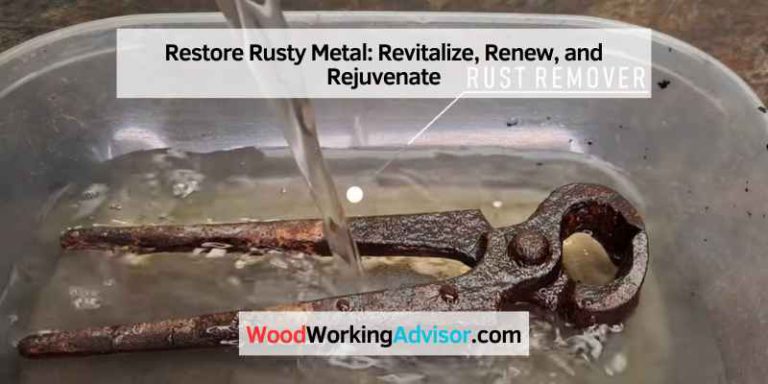
Start by removing dirt and old paint from the metal posts. Use a wire brush or sandpaper to scrub off rust spots. Clean metal helps fasteners hold better. Wipe the posts with a damp cloth to remove dust. Let them dry completely before moving on.
Drilling Holes For Fasteners
Mark spots on the metal posts where you will attach the wood. Use a drill with a metal bit to make holes. Make sure holes match the size of screws or bolts. Drill slowly to avoid bending or damaging the post. Proper holes make wood attachment easier and stronger.
Applying Protective Coatings
Cover the metal posts with a rust-resistant paint or primer. This protects against weather and moisture. Use a brush or spray for even coverage. Let the coating dry fully before attaching wood. Protective coatings extend the life of your fence posts.
Attachment Methods
Attaching a wood fence to a metal post requires careful choice of methods. The right attachment ensures stability and durability. Several techniques fit different needs and skill levels. Some methods are temporary, others are permanent. Each method offers unique benefits for your fence project.
Using Metal Brackets
Metal brackets are popular for attaching wood to metal posts. They are easy to install and provide strong support. Brackets come in various shapes to fit different post sizes. Secure the bracket to the metal post first. Then fasten the wood fence panel to the bracket using screws.
Bolt And Washer Technique
This technique uses bolts and washers for a tight hold. Drill holes through the wood and metal post. Insert bolts through the holes. Place washers on both sides to spread the load. Tighten nuts to secure the wood firmly to the post. This method resists movement and lasts long.
U-bolts For Secure Fit
U-bolts wrap around the metal post and hold the wood tight. Slide the U-bolt over the post and align it with the wood. Attach the wood with nuts on the threaded ends. U-bolts offer flexibility and strong grip. They are ideal for round or square metal posts.
Welding For Permanent Fixation
Welding fuses metal parts for a permanent bond. It works best if the wood frame has metal supports. Weld the metal supports directly to the metal post. This method is strong but needs welding tools and skills. It is best for long-lasting, heavy-duty fence installations.
Step-by-step Installation Guide
Attaching a wood fence to metal posts can seem hard, but it is simple with the right steps. Follow this guide to make your fence strong and neat. Each step focuses on important parts of the job.
Measuring And Marking
Start by measuring the metal posts’ height and width. Mark where the wood panels will attach. Use a pencil or chalk for clear marks. Check twice to avoid mistakes. Correct measurements keep the fence even and tidy.
Aligning Wood Panels
Place the wood panels next to the metal posts. Line them up with the marks you made. Make sure the panels are straight and level. Use a level tool for accuracy. Proper alignment makes the fence look good and last longer.
Securing Wood To Posts
Use screws or metal brackets to fix the wood to metal posts. Drill pilot holes in the wood first to stop splitting. Tighten screws firmly, but do not over-tighten. Secure attachments keep the fence stable and safe.
Checking Stability
After attaching all panels, check the fence’s strength. Push gently on the wood to test movement. Tighten any loose screws. A stable fence stands strong against wind and use. This final check ensures your fence holds well.
Maintenance Tips For Longevity
Maintaining your wood fence attached to metal posts is key to its long life. Small care steps prevent big damage and save money. Consistent upkeep helps keep the fence strong and looking good. Follow these simple tips to protect both wood and metal parts.
Regular Inspection
Check the fence often for signs of wear or damage. Look for rust on metal posts and cracks in the wood. Early spotting of problems stops them from getting worse. Walk along the fence every few months to spot issues.
Re-tightening Fasteners
Fasteners can loosen over time from wind and weather. Tighten screws and bolts regularly to keep the fence stable. Loose fasteners cause wobbling and can lead to damage. Use a screwdriver or wrench to secure all connections firmly.
Protecting Wood And Metal
Apply sealant or paint to the wood to stop water damage and rot. Use rust-resistant paint on metal posts to prevent corrosion. Keep the base of posts clear of dirt and plants. These steps extend the life of your fence components.
Common Issues And Solutions
Attaching wood fences to metal posts can bring some challenges. Common problems may affect the strength and look of your fence. Understanding these issues helps keep your fence strong and neat. Below are common problems and easy solutions for each.
Dealing With Loose Attachments
Loose wood panels can make your fence weak. Screws may loosen over time from metal posts. Tighten screws regularly to keep the fence stable. Use washers with screws to hold wood tight. Consider using metal straps or brackets for extra support.
Handling Rust And Corrosion
Metal posts often face rust problems. Rust can weaken posts and damage wood. Clean rust spots with a wire brush. Apply rust-resistant paint or coating to protect metal. Check posts every year to catch rust early and prevent damage.
Repairing Damaged Wood
Wood can crack or rot near metal posts. Remove damaged wood pieces carefully. Replace with treated wood that resists moisture. Use wood sealant to protect new wood from weather. Regularly inspect wood parts to fix damage fast.
Frequently Asked Questions
How Do You Attach Wood Fence Panels To Metal Posts?
Use metal post brackets or U-brackets to secure wood panels. Screw the brackets into metal posts, then attach wood panels with screws. This method ensures strong, stable attachment and prevents wood from direct contact with metal, reducing corrosion risks.
What Tools Are Needed To Fix Wood To Metal Posts?
You need a drill, metal screws, brackets, measuring tape, and a level. A power drill with metal bits helps make holes in metal posts. Brackets provide secure attachment points for wood panels, ensuring durability and stability.
Can Wood Fence Boards Be Nailed Directly To Metal Posts?
No, nails won’t hold well in metal posts. Use metal brackets and screws instead. Screws offer better grip and durability. Brackets create a sturdy frame to attach wood panels securely without damaging the metal posts.
What Type Of Screws Work Best For Wood To Metal Fencing?
Use self-tapping metal screws or galvanized screws. These resist rust and penetrate metal easily. They provide strong, lasting connections between wood panels and metal posts, preventing loosening over time.
Conclusion
Attaching wood fence to metal posts is simple with the right tools. Choose strong brackets and screws for a secure fit. Measure carefully before drilling to avoid mistakes. Tighten all fasteners firmly to keep the fence stable. Check your work often during the process.
This method saves time and ensures durability. Enjoy a sturdy fence that blends wood and metal well. Keep your yard safe and attractive with this easy technique.