How to Check Moisture Content of Wood Without Meter: Expert Tips
Are you tired of dealing with wood that just won’t cooperate? Whether you’re building, crafting, or simply storing, moisture content can make or break your project.
You might think you need an expensive gadget to get it right, but here’s the secret: you don’t. Imagine confidently handling wood, knowing exactly what you’re working with, without spending a dime on fancy meters. It’s possible, and you can do it with simple techniques and tools you already have at home.
Ready to unlock the mystery of moisture content and take your woodwork to the next level? Let’s dive into how you can check the moisture content of wood without a meter, ensuring your projects stand tall and last long.
Visual Inspection Techniques
Wood changes color as it dries. Fresh wood is often darker. Dry wood becomes lighter. A pale shade can mean less moisture. Notice the color over time. It helps in understanding moisture levels.
Texture tells a lot about wood. Wet wood feels smooth. Dry wood feels rough. Touch the surface gently. See if it’s smooth or rough. Rough texture usually means it’s dry. Look for cracks and splits. Dry wood often has more cracks. It can also be twisted or warped. These signs help in checking moisture.
Touch And Feel Methods
Wood densitygives clues about its moisture. Hard wood usually has less water. Soft wood often has more. Press your fingers into the wood. If it’s easy to press, it might be wet. Dry wood feels hard and firm. Try lifting the wood. Heavy wood might be full of water. Light wood might be dry.
Touch the wood to feel its temperature. Wet wood feels cold. Dry wood feels warm. Run your hands over the surface. Cool spots might mean wet areas. Warm spots can mean dry areas. Compare different pieces. One might feel colder than the other. This helps to understand moisture levels.
Sound Evaluation Methods
Wood makes different sounds. Knocking the wood can help. Dry wood sounds hard. Wet wood sounds soft. Tap the wood gently. Listen carefully. Dry wood may sound sharp. Wet wood may sound dull.
Hollow echoes can help too. Tap the wood at different spots. Dry wood can echo. Wet wood may not echo. Listen for the echo. Echo means dry. No echo means wet. This is simple and easy.

Credit: k-timbers.com
Weight Comparison Techniques
Wet wood is heavier than dry wood. This is because it holds water. You can weigh a piece of wood. Then, dry it completely. Weigh it again. The difference tells how much water was inside.
Dry wood feels lighter. Wet wood feels heavy. You can sense the difference by holding them. Touch and feel are simple ways to notice moisture.
Use a reference weight like a stone or brick. Compare the wood’s weight to these objects. If the wood is heavier, it may be wet. If lighter, it might be dry.
Visual clues help too. Wet wood looks darker. Dry wood seems pale. Check the wood’s color and weight together. This gives clues about moisture.
Smell And Odor Analysis
Musty smells are a sign of wet wood. Wet wood can be a problem. Smell the wood closely. Does it have a damp odor? This can mean too much moisture. Musty smells often mean the wood is not dry. Dry wood should not smell musty. Keep your nose close to the wood. A strong musty smell is a bad sign.
Fresh wood smells nice. It smells like a forest. Fresh scents mean the wood is dry. Dry wood should smell clean and fresh. Sniff the wood for a fresh scent. Fresh scents are good. They tell you the wood is healthy. Fresh wood smells can be a good clue. Always trust your nose.
Credit: swwooddryer.com
Environmental Indicators
Wood reacts to the humidity in the air. If the air feels damp, the wood is likely moist. Dry air makes wood less moist. A simple way to test is to use your senses. Touch the wood. Does it feel damp or dry? Watch how it reacts over time. Changes in the air affect the wood’s moisture.
Weather changes affect wood moisture. Rainy days increase moisture. Sunny days can decrease it. Observe the weather and note the changes in wood. Cold and hot temperatures can also affect moisture. Keep an eye on these weather patterns. They provide clues about wood moisture.
Traditional Methods
Salt can help check wood moisture. First, sprinkle salt over the wood surface. Wait for some time. Salt will absorb moisture if present. Check the salt after a few hours. If it clumps, wood is wet. Dry salt means wood is dry. This test is simple and easy. It costs nothing. But it may not be very accurate. It gives a rough idea of moisture presence.
Rice can also be used to test wood moisture. Place uncooked rice on wood. Leave it for a day. Rice will absorb moisture from wet wood. Check the rice after 24 hours. If rice is soft, wood is damp. Hard rice means wood is dry. This method is easy to use. It helps understand wood’s wetness level. It is not perfect but useful.
Credit: www.woodsure.co.uk
Frequently Asked Questions
How Can You Tell If Wood Is Dry Without A Moisture Meter?
Check wood for cracks and lightness. Knock on it; dry wood sounds hollow. Examine its color; dry wood is often lighter. Feel the wood; it should be warm and not cool to the touch. Observe the wood’s weight; dry wood feels lighter than wet wood.
How Do You Test Wood For Moisture Content?
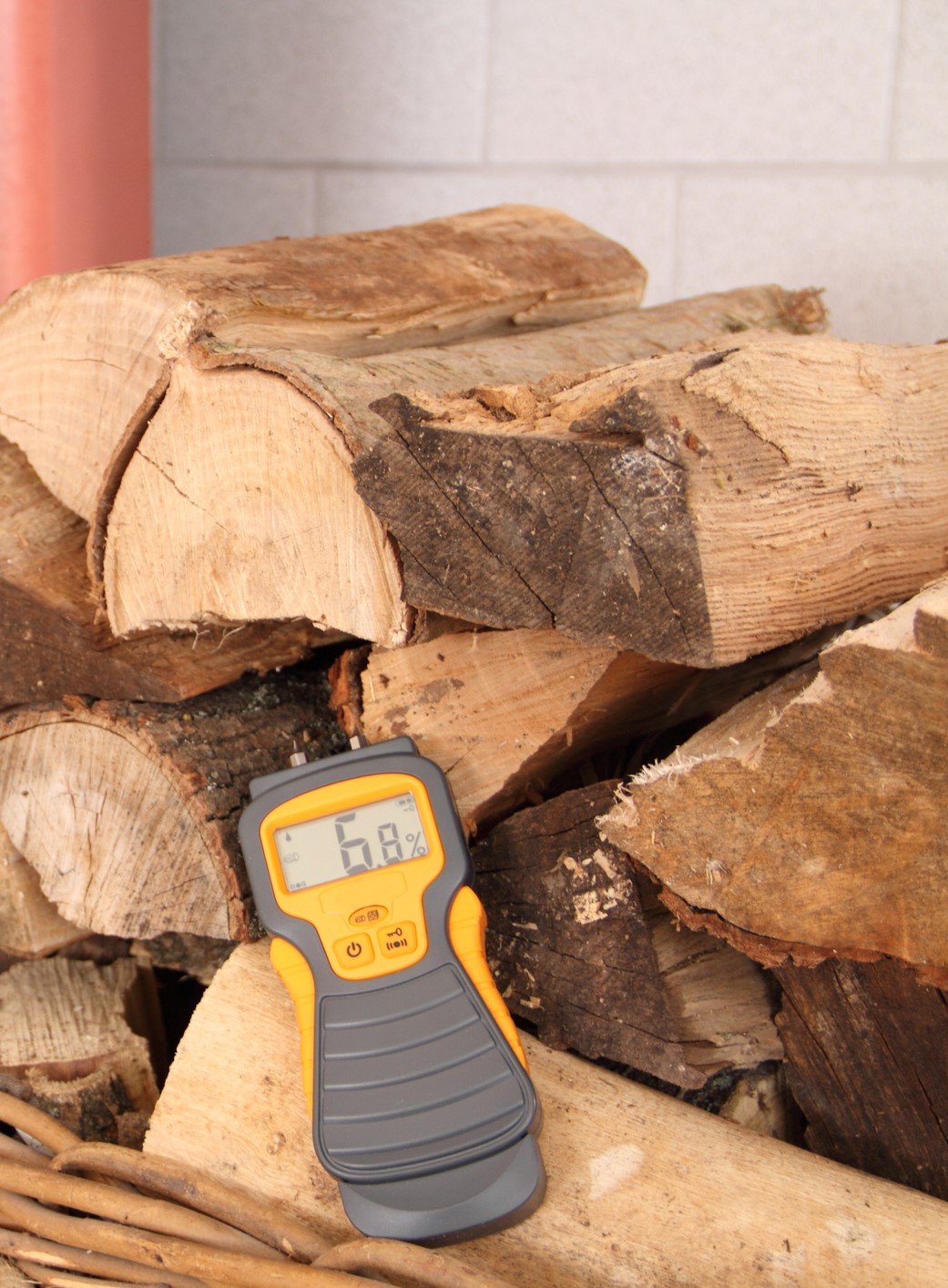
Use a moisture meter to test wood moisture content. Insert its pins into the wood for readings. Ensure accuracy by testing multiple spots. Ideal moisture content is between 6% and 8% for indoor wood. Keep wood dry and store properly to maintain optimal moisture levels.
Are Pinless Moisture Meters Accurate?
Pinless moisture meters are generally accurate for surface moisture measurements. They use electromagnetic technology to detect moisture levels. Accuracy can vary based on material type and thickness. Regular calibration is essential for optimal performance. Always choose a reputable brand for reliable results.
Can I Use A Multimeter To Test Wood Moisture?
No, a multimeter cannot accurately test wood moisture. It measures electrical properties, not moisture levels. Use a moisture meter specifically designed for wood. This tool provides precise readings of moisture content, essential for woodworking and construction projects.
Conclusion
Checking wood moisture is easy without a meter. Use simple methods. Touch the wood surface. Feel the texture. Dry wood feels rough. Wet wood feels smooth. Look for visible signs. Dark spots mean moisture. Try the weight test. Lift the wood.
Heavy wood holds moisture. Light wood is dry. Use the nail test. Drive a nail into the wood. Hard to hammer means dry. Easy means wet. These methods help ensure safe, quality wood. No fancy tools needed. Just simple observation and tests.
Keep your wood project successful and moisture-free.