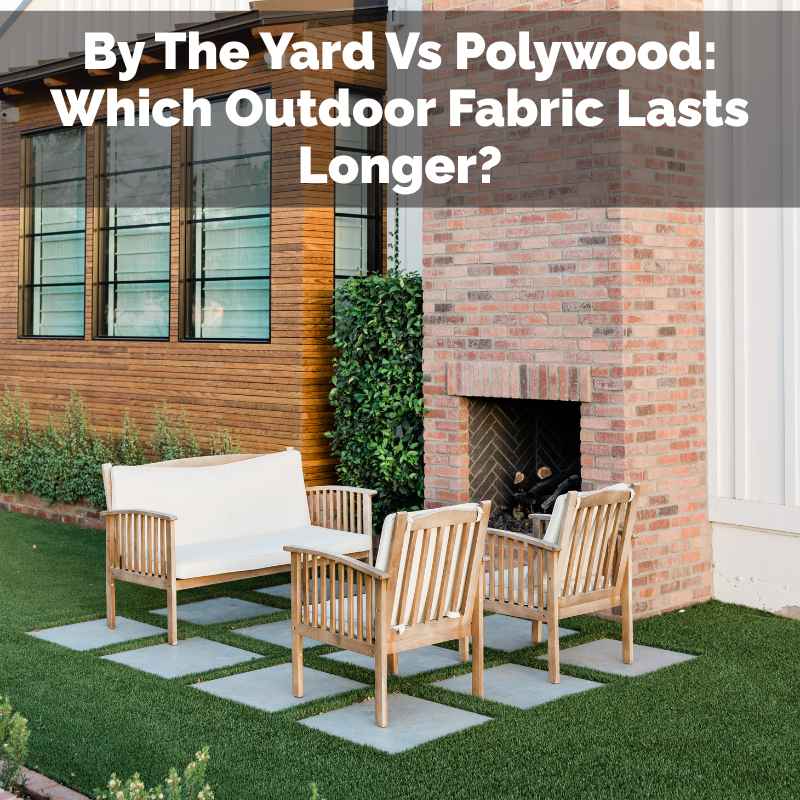
By The Yard Vs Polywood: Which Outdoor Fabric Lasts Longer?
It’s that time of year again. The sun is shining, the birds are singing, and you’re dreaming of lazy afternoons on your patio. But then you look at your outdoor furniture.
The cushions are faded. The fabric is starting to fray. You sigh.
Finding outdoor fabric that actually lasts can feel like a treasure hunt. Many people wonder, “By the yard or Polywood, which will survive my backyard best?”
This is a common worry. You invest in nice outdoor pieces. You want them to look good and feel good for years.
Not just one season. Nobody wants to
For outdoor furniture, By the Yard fabric offers many choices and can be more affordable for custom projects. Polywood furniture is known for its extreme durability and low maintenance. When choosing, consider your budget, desired style, and how much upkeep you’re willing to do. Both can be good options, but they serve different needs.
Understanding Your Outdoor Fabric Options
Extend Either Material’s Life
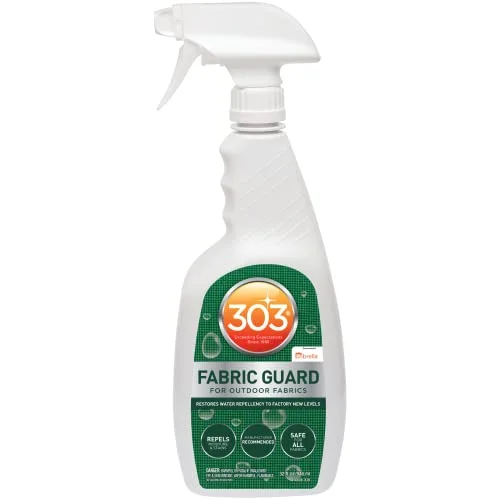 |
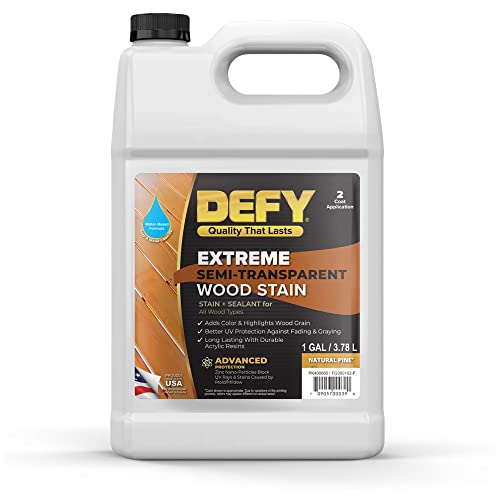
303 Fabric Guard Water Repellent, 32 oz If you go the “by the yard” route, an annual application restores the water and stain resistance factory coatings lose over time – the single biggest factor in how long fabric actually lasts.
|
When we talk about outdoor fabric, we often mean two things. First, there’s the fabric sold “by the yard.” This is the stuff you can buy at a fabric store. You can cut it and sew it into whatever you need.
Think cushions, umbrellas, or even outdoor curtains. It comes in many colors and patterns. This gives you lots of creative freedom.
You can match your decor exactly.
Then, there’s Polywood. Polywood is a brand name. It’s a specific type of recycled plastic lumber.
It’s not really a “fabric” in the way we usually think of it. It’s a solid material. It’s used to make outdoor furniture itself.
So, you’re not buying Polywood fabric. You’re buying furniture made from Polywood. This is a key difference.
One is a material you use. The other is a finished product.
What is “By the Yard” Outdoor Fabric?
Fabric sold “by the yard” covers a wide range of materials. For outdoor use, they must be tough. They need to handle sun, rain, and maybe even snow.
Common types include acrylics, polyesters, and blends. Brands like Sunbrella are very popular. They are known for quality.
But you can also find less expensive options. The price can vary a lot. More expensive ones often last longer.
The key is how they are treated. Good outdoor fabrics have special coatings. These help them resist water.
They also fight off mold and mildew. UV protection is also a must. Without it, colors fade fast.
When you buy by the yard, you have control. You can choose the exact look and feel. You can make your own cushions or covers.
This is great for unique furniture sizes or shapes.
What is Polywood?
Polywood is a bit different. It’s a company that makes outdoor furniture. Their furniture is made from high-density polyethylene (HDPE).
This is recycled plastic. Think of old milk jugs or detergent bottles. They are cleaned and turned into planks.
These planks are then used to build chairs, tables, and more. It’s a very strong material. It doesn’t rot or crack like wood.
Because it’s solid plastic, Polywood furniture doesn’t have fabric cushions as its main feature. Some pieces might have optional cushions. These cushions would use standard outdoor fabric.
But the furniture itself is the plastic material. This makes it super easy to clean. A quick wipe down is usually all it needs.
It’s built to stay outside all year long. It doesn’t need to be brought in during bad weather.
Durability and Weather Resistance
This is where the rubber meets the road. How well do these options handle the elements? Your patio furniture faces a lot.
It gets baked by the sun. It gets soaked by rain. It might even deal with salt spray if you live near the coast.
Choosing a material that can take a beating is important.
We need to look at UV rays. We need to think about water. Mold and mildew are also big enemies.
And of course, general wear and tear matter. We’ll see how each option stacks up.
UV Ray Protection: The Sun’s Battle
The sun is a fabric’s worst enemy. Those UV rays break down fibers. They cause colors to fade.
What was bright red can become a dull pink. Even strong materials can suffer. But some handle it much better than others.
This is a major factor in how long your outdoor items look good.
High-quality “by the yard” outdoor fabrics, like Sunbrella, are made with UV-resistant dyes. They are also often treated with special coatings. These block UV rays.
This means they keep their color for a long time. Cheaper fabrics might fade quickly. You might get a season or two of good color.
Then, they start to look tired. This is a big reason why price matters with fabric.
Polywood furniture, being solid plastic, doesn’t have this problem at all. The color is part of the material itself. It’s not just a surface coating.
It’s mixed all the way through. So, UV rays don’t make it fade. It might get a little duller over many, many years.
But it won’t show the harsh fading you see on fabric. It looks pretty much the same, year after year.
Water and Moisture: Battling the Rain
Water can be a problem for both fabric and furniture. For fabric, the main issue is soaking through. If fabric stays wet, it can lead to mold and mildew.
This is unpleasant and can damage the material. It also makes your furniture smell musty.
Good outdoor fabrics are water-resistant. They have coatings to repel water. They also dry quickly.
Some are even made to be waterproof. This is crucial for cushions. You don’t want them to stay soggy.
Quick drying means less chance of mold. It means your furniture is ready to use sooner after a rain shower. Many outdoor fabrics have a tight weave.
This also helps keep water out.
Polywood furniture is essentially impervious to water. Being plastic, it doesn’t absorb moisture. Rain runs right off it.
This is a huge advantage. It means no soggy cushions to worry about (unless you add separate fabric cushions). It means no mold or mildew growing on the furniture itself.
It’s truly a low-water worry material. This makes it ideal for damp climates or areas with frequent rain.
Mold and Mildew: The Unseen Enemies
Mold and mildew love damp, dark places. Outdoor furniture can become a breeding ground if not cared for. They thrive on organic materials.
This includes some types of fabric. They can grow on the surface. They can also grow within the fibers.
This leads to stains and that unpleasant musty smell. Sometimes, it can even break down the fabric over time.
Many high-end outdoor fabrics are designed to resist mold and mildew. They have antimicrobial treatments. They are also quick-drying, which helps prevent growth.
Regular cleaning can also stop mold before it starts. Wiping down your fabric and letting it air out is good practice.
Because Polywood doesn’t absorb water, mold and mildew have a very hard time growing on it. It’s a non-organic material. The surface is smooth and non-porous.
This makes it easy to wipe clean. Any spores that land on it are unlikely to find the conditions they need to thrive. This is a major plus for people who want minimal maintenance.
Wear and Tear: Everyday Use
Outdoor furniture gets used. People sit on it. They lean on it.
Kids might climb on it. Pets might scratch it. The fabric needs to be strong.
It needs to resist rips and tears. Abrasion is also a factor. This is when fabric rubs against something else.
It can cause fibers to break down.
The strength of “by the yard” outdoor fabric varies greatly. Tightly woven fabrics are generally stronger. Heavier fabrics tend to last longer.
Acrylics and polyesters are usually quite durable. Brands like Sunbrella are known for their robust construction. They are designed to withstand heavy use.
They can last for many years if cared for properly.
Polywood furniture is incredibly robust. It’s made from thick plastic planks. It’s designed to hold weight.
It’s also resistant to scratches and dents. While not impossible to damage, it’s much harder to hurt than fabric. It can handle rough use.
It’s a great choice for families with young children or pets. It doesn’t tear or fray. It’s built for the long haul.
Contrast: Fabric vs. Polywood Durability
Fabric (By the Yard)
- Pros: Can be very durable if high quality. UV resistant dyes and treatments help.
- Cons: Prone to fading from sun. Can absorb water, leading to mold. May fray or tear with heavy use.
- Lifespan: 5-10 years (high quality), 1-3 years (lower quality).
Polywood Furniture
- Pros: Extremely resistant to UV, water, mold, mildew. Does not rot, crack, or splinter.
- Cons: Can be heavy. Initial cost for furniture can be higher.
- Lifespan: 10-20+ years.
Style and Aesthetics
Beyond just lasting, how does it look? Your outdoor space is an extension of your home. You want it to be beautiful.
Style is a big part of the decision. You want furniture and fabrics that fit your personal taste. And that make your outdoor area inviting.
This is where the two options really diverge. One offers endless custom looks. The other offers a distinct, classic style.
The World of “By the Yard” Fabrics
This is where your creativity can really shine. When you buy fabric by the yard, the options are vast. You can find almost any color you can imagine.
There are solid colors, stripes, florals, geometric patterns, and more. You can truly create a unique look.
Want a vibrant turquoise for your cushions? You can find it. Need a classic navy stripe?
It’s available. This is ideal if you have a specific color scheme for your patio. Or if you want to update the look of existing furniture.
You can change the fabric to match the season or your mood. The possibilities are almost endless. You can mix and match patterns too.
The texture of the fabric also plays a role. Some outdoor fabrics have a smooth feel. Others have a more textured, woven look.
You can choose something that feels soft to the touch. Or something that looks very casual and relaxed. This level of customization is hard to beat.
Polywood’s Distinct Style
Polywood furniture has a recognizable look. It often resembles painted wood. It has a rustic or coastal charm.
It’s very popular for a reason. It fits well with many outdoor aesthetics. Think of Adirondack chairs on a beach.
Or a sturdy picnic table on a farm. It has a solid, dependable feel.
The colors available for Polywood furniture are usually muted. Think of whites, grays, browns, and greens. Some bolder colors are available, but the range isn’t as wide as with fabric.
The finish is usually a matte or slightly textured look. It’s not shiny. This helps it blend into natural surroundings.
While you can’t change the color of the furniture itself, you can add cushions and throw pillows. These can bring in pops of color and pattern. This lets you add some personality.
But the underlying furniture material will always have that distinct Polywood look. It’s a style that prioritizes durability and simplicity over endless customization.
Style Comparison: Fabric vs. Polywood
“By the Yard” Fabric
- Endless Customization: Huge range of colors, patterns, textures.
- Flexibility: Can change look easily by replacing fabric.
- Personal Touch: Allows for unique designs.
Polywood Furniture
- Classic Look: Resembles painted wood, rustic/coastal style.
- Limited Color Palette: Mostly neutral, earth tones.
- Adaptable with Accessories: Cushions add personality.
Maintenance and Care
Let’s be honest. Nobody wants to spend their weekends scrubbing outdoor furniture. Low maintenance is a huge selling point for outdoor items.
We want to relax, not work.
The amount of care needed for your outdoor items can really influence your decision. Some materials require constant attention. Others practically take care of themselves.
Caring for “By the Yard” Fabrics
The care for outdoor fabric depends on its quality. Higher-end fabrics like Sunbrella are relatively easy. Most spills can be cleaned with mild soap and water.
You usually just blot the stain. Then rinse with clean water. Air drying is best.
For tougher stains or mildew, you might need a slightly stronger cleaner. Always check the manufacturer’s instructions. Some fabrics are machine washable.
Others require spot cleaning. The key is to act quickly. Don’t let stains sit.
Also, try to keep the fabric as dry as possible. Bring cushions inside during heavy rain or when not in use for long periods.
Regular brushing can help remove loose dirt. This prevents it from setting into the fibers. If you live in a humid area, check for mold and mildew often.
A diluted bleach solution can sometimes help remove mildew. But always test it in an inconspicuous spot first. This ensures it doesn’t damage the color.
Polywood’s Effortless Upkeep
This is where Polywood truly shines. The maintenance is incredibly simple. Because it’s made of plastic, you don’t have to worry about rotting, splintering, or cracking.
It’s incredibly low-maintenance.
Most of the time, a simple rinse with a hose is enough. For dirtier spots or sticky messes, a soft cloth with warm, soapy water will do the trick. You can use a mild detergent.
Rinse thoroughly and let it air dry. It dries very quickly.
You can even use a power washer on a low setting for tough grime. Just be careful not to use too much pressure. This could damage the surface over time.
Unlike wood, you never need to sand, paint, or seal Polywood furniture. It’s designed to look good with minimal effort. This makes it a favorite for busy homeowners.
Maintenance Quick Scan
“By the Yard” Fabric
- Regular Cleaning: Soap and water for spills.
- Mold/Mildew Watch: Needs attention in damp areas.
- Drying Time: Can stay wet longer.
- Seasonality: May need storage in harsh winters.
Polywood Furniture
- Routine Cleaning: Hose down or wash with soap and water.
- Mold/Mildew: Virtually unaffected.
- Drying Time: Dries very quickly.
- Seasonality: Designed to stay outdoors year-round.
Cost and Value
Let’s talk about money. Outdoor furniture and fabrics can be a significant investment. Understanding the costs involved helps you make the best choice for your budget.
It’s not just about the initial price. It’s also about the long-term value.
We need to think about how much you spend now. And how long you expect it to last. This helps calculate the true cost over time.
Sometimes, paying more upfront saves money later.
“By the Yard” Fabric: The Variable Cost
The cost of fabric sold “by the yard” can vary wildly. You can find basic polyester fabrics for under $10 a yard. These might not last very long.
On the other hand, high-performance acrylics like Sunbrella can cost $30 to $100 or even more per yard. The price depends on the brand, the material, and any special treatments.
Remember, this is just the fabric cost. If you’re making cushions, you’ll also need to buy stuffing, zippers, and thread. If you don’t sew yourself, you’ll need to pay for labor.
This can add a significant amount to the total cost. For a full set of outdoor cushions, you could easily spend hundreds of dollars on fabric and labor alone.
The value comes from customization. If you need a very specific size or shape, or a unique pattern, “by the yard” fabric might be the most cost-effective way to achieve that. You can also reupholster existing furniture frames, saving the cost of buying new.
The lifespan of the fabric also impacts its value. A $100 fabric that lasts 10 years is a better deal than a $20 fabric that needs replacing every 2 years.
Polywood Furniture: The Long-Term Investment
Polywood furniture generally has a higher upfront cost than basic outdoor furniture. A single Polywood chair can cost anywhere from $300 to $800 or more. A full dining set can easily run into thousands of dollars.
This can seem like a lot when you compare it to a less expensive fabric set.
However, the value of Polywood is in its longevity and near-zero maintenance. When you buy Polywood, you are buying furniture that is built to last for decades. You won’t need to replace cushions.
You won’t need to repaint or refinish the furniture. The occasional cleaning is all that’s required.
When you factor in the cost of replacing fabric cushions every few years, or the cost of maintaining wood furniture, Polywood can become very cost-effective over time. For many, the peace of mind and the lack of hassle are well worth the initial investment. It’s a buy-it-for-life kind of product.
Cost Breakdown: Initial vs. Long-Term
“By the Yard” Fabric
- Initial Cost: Varies greatly ($10 – $100+ per yard for fabric). Add labor/DIY costs for cushions.
- Long-Term Cost: Can be higher due to fabric replacement every few years.
- Value Proposition: High customization, ability to refresh existing pieces.
Polywood Furniture
- Initial Cost: Higher upfront cost ($300+ per chair, $1000+ for sets).
- Long-Term Cost: Very low, minimal replacement or maintenance costs.
- Value Proposition: Extreme durability, zero maintenance, long lifespan.
When to Choose Which
So, you’ve learned about the differences. Now, how do you decide? The best choice for you depends on your priorities and your lifestyle.
There’s no single right answer for everyone.
Think about what matters most to you. Is it having endless style options? Or is it about having furniture that requires almost no effort?
Your answers will guide you.
Reasons to Choose “By the Yard” Fabric
You might lean towards “by the yard” fabric if:
- You love to change up your decor often. You like having lots of color and pattern choices.
- You have a specific, unique design in mind that you can’t find pre-made.
- You are an experienced sewer or enjoy DIY projects. You want to make your own cushions or covers.
- You have existing furniture frames that are still in good shape. You just want to update their look.
- Your budget for the initial purchase is tighter. You are okay with potentially replacing fabric sooner.
- You want to add comfort and softness to your outdoor seating. Fabric provides that plush feel.
Reasons to Choose Polywood Furniture
Polywood furniture might be the perfect fit if:
- You want the absolute lowest maintenance option. You have little time or desire for upkeep.
- You need furniture that can withstand harsh weather conditions. You live somewhere with extreme sun, rain, or snow.
- You have kids or pets and need furniture that can handle rough and tumble use.
- You prefer a sturdy, solid feel to your outdoor furniture. You don’t want cushions that can blow away.
- You value long-term investment. You want furniture that will last for 20+ years without significant issues.
- You like a classic, natural look that blends well with outdoor settings.
Quick Decision Guide
Choose Fabric By the Yard If:
- Style variety is your top priority.
- You enjoy DIY or custom projects.
- Budget for initial purchase is more flexible.
Choose Polywood Furniture If:
- Low maintenance is essential.
- Extreme durability is needed.
- Long-term value is key.
Real-World Scenarios
Let’s paint a picture. Imagine a few different homes. What would work best for them?
Seeing these scenarios can help you place yourself in one.
Consider the Smith family. They have three young children and a golden retriever. Their backyard is a play zone.
They want outdoor seating that can survive muddy footprints and occasional spills. They also want it to be easy to clean. They don’t have a lot of extra time for upkeep.
For the Smiths, Polywood furniture would likely be the best choice. The furniture itself is tough. It won’t get damaged by the kids or the dog.
A quick wipe-down after playtime is all that’s needed. If they add cushions, they would choose a very durable, stain-resistant fabric. But the furniture itself is the main star for surviving the chaos.
Now, think about Sarah. She’s an interior designer. She loves to entertain.
Her patio is an extension of her stylish home. She wants her outdoor space to reflect her personal aesthetic. She enjoys the process of selecting fabrics and accessories.
She has a specific vision for her patio. She wants it to look magazine-ready.
Sarah would probably opt for high-quality “by the yard” outdoor fabrics. She could choose a luxurious velvet-like texture in a deep emerald green. Or maybe a bold geometric pattern.
She can design custom cushions that perfectly fit her unique lounge chairs. She’s willing to put in a little more effort for the perfect look. She knows that with good quality fabric, it can still last for years.
Lastly, consider David. He lives in a small apartment with a balcony. He wants comfortable seating for himself.
He enjoys reading outdoors. He doesn’t have a lot of space. He also doesn’t want to spend a lot of money or time on maintenance.
He’s looking for something simple and lasting.
David might find a Polywood Adirondack chair to be ideal. It’s comfortable, durable, and requires no upkeep. It can stay out on the balcony year-round.
Or, he might look for a smaller bistro set made from Polywood. If he preferred softer seating, he could buy a good quality outdoor fabric cushion for a metal or wicker chair. The key for David is simplicity and minimal commitment.
What This Means for You
When you’re standing in the store, or browsing online, what’s the takeaway? What should you be thinking about for your own home?
First, assess your lifestyle. Are you someone who enjoys tinkering with your outdoor space? Or do you prefer to set it and forget it?
Your answer is a big clue. If you have young kids or pets, or if you live in a harsh climate, durability and low maintenance are probably high on your list. This points toward Polywood furniture.
If you’re a style enthusiast, someone who loves to experiment with colors and patterns, then “by the yard” fabric offers more freedom. You can create truly custom looks. You can refresh your space whenever you feel like it.
Just be sure to invest in good quality fabric. Look for brands known for their outdoor performance.
Consider the “total cost of ownership.” A cheaper option that needs replacing every year or two might end up costing you more in the long run than a more expensive item that lasts a decade or more. Polywood furniture is a prime example of this. The high initial cost is offset by its incredible lifespan and lack of upkeep.
Finally, think about your comfort needs. Fabric cushions offer a softness and plushness that solid furniture often lacks. If that cozy feeling is important to you, then you’ll want to find the best outdoor fabric you can.
Even with Polywood furniture, you can add comfortable cushions for the best of both worlds.
Quick Fixes & Tips
While we aren’t focusing on specific “fixes” like repairing tears (which is complex for outdoor fabrics), we can offer some tips to make either choice work better for longer.
- For Fabrics: Always check the manufacturer’s cleaning code. Use a soft brush to remove loose debris regularly. Consider applying a fabric protector spray annually for an extra layer of defense against stains and water. Store cushions indoors or in a waterproof container when not in use, especially during off-seasons or extreme weather.
- For Polywood: Avoid using abrasive cleaners or steel wool. These can scratch the surface. If you notice any sticky residue, a bit of Goo Gone (test in an inconspicuous area first) can help. For very stubborn stains, a paste of baking soda and water can sometimes work wonders.
- For Both: If possible, position your furniture in areas that get some shade during the hottest parts of the day. This reduces constant sun exposure, helping fabrics retain color and Polywood stay cooler to the touch.
Frequently Asked Questions
Is Polywood furniture truly weatherproof?
Yes, Polywood furniture is designed to be extremely weatherproof. It is made from recycled HDPE plastic, which means it won’t rot, crack, splinter, or peel. It is resistant to salt spray, chlorine, and all common environmental factors, making it suitable for use in any climate, including coastal areas and harsh winters.
How long does high-quality outdoor fabric like Sunbrella usually last?
High-quality outdoor fabrics such as Sunbrella are engineered for durability and typically come with a warranty of 5 to 10 years against fading and loss of strength. With proper care and maintenance, many users report them lasting even longer, though color vibrancy might decrease over time.
Can I get custom-shaped cushions made for Polywood furniture?
Absolutely! While Polywood furniture itself is solid and non-fabric, you can easily have custom cushions made for it. Many companies specialize in outdoor cushions and can create them to specific dimensions and in a wide array of fabrics to match your style and comfort preferences.
Is Polywood furniture more expensive than buying outdoor fabric and making cushions?
Typically, the upfront cost of Polywood furniture is higher than purchasing raw outdoor fabric. However, when you factor in the cost of quality fabric, thread, stuffing, zippers, and labor (if you don’t sew yourself), plus the potential need to replace fabric cushions every few years, the long-term cost of ownership for Polywood can be significantly lower.
What is the best way to clean mold or mildew off outdoor fabric?
For most outdoor fabrics, a solution of mild soap and water is the first step. For stubborn mold or mildew, a mixture of 1 cup of bleach to every 4 cups of water can be effective. Always test the solution on an inconspicuous area first.
Rinse thoroughly with clean water and allow to air dry completely. Never machine wash or dry high-performance outdoor fabrics unless specifically instructed by the manufacturer.
Does Polywood furniture get too hot in direct sunlight?
Polywood furniture can get warm in direct sunlight, similar to most outdoor furniture materials. However, its construction from recycled plastic lumber tends to dissipate heat better than some materials like metal or dark plastics. Using lighter-colored Polywood and adding fabric cushions can help keep it cooler and more comfortable.
Conclusion
Choosing between “by the yard” outdoor fabric and Polywood furniture really boils down to what you value most. If endless style possibilities and a softer feel are your priority, quality outdoor fabric is a great choice. If you crave ultimate durability and near-zero maintenance, Polywood furniture is hard to beat.
Both options can bring beauty and comfort to your outdoor living space for years to come.
Sponsored / affiliate links. As an Amazon Associate I earn from qualifying purchases. I may earn additional commission from eligible campaigns.