Brick House Vs Wood House Cost: Which Is Cheaper To Build?
Building a new home is a huge step. You want it to be just right. One big choice is what your house will be made of.
Should you pick the classic look of a brick house, or go with the popular choice of a wood house? It’s a question many homeowners wrestle with. Cost is a major factor for most people.
You’re trying to make a smart investment. This article will help you figure out the price differences. We will look at the upfront costs and what to expect over the years.
Let’s get clear on which option might be lighter on your wallet.
Understanding the cost difference between building a brick house and a wood house is key for any new homeowner. This guide breaks down the initial expenses, long-term savings, and factors that influence the final price. It helps you decide which material offers better value for your dream home.
Brick House vs Wood House: The Big Picture on Cost
When you think about building materials, brick and wood come to mind fast. They are two very different choices. Each has its own pros and cons.
For many, the biggest question is about money. Which one costs less to build right now? And which one saves you money over time?
These are the real questions people ask.
Building a house involves many costs. Material is just one part. Labor is another big one.
Then there are things like permits, design work, and site prep. The location of your build also matters. Prices can change a lot from one state to another.
Even within a city, costs can go up or down.
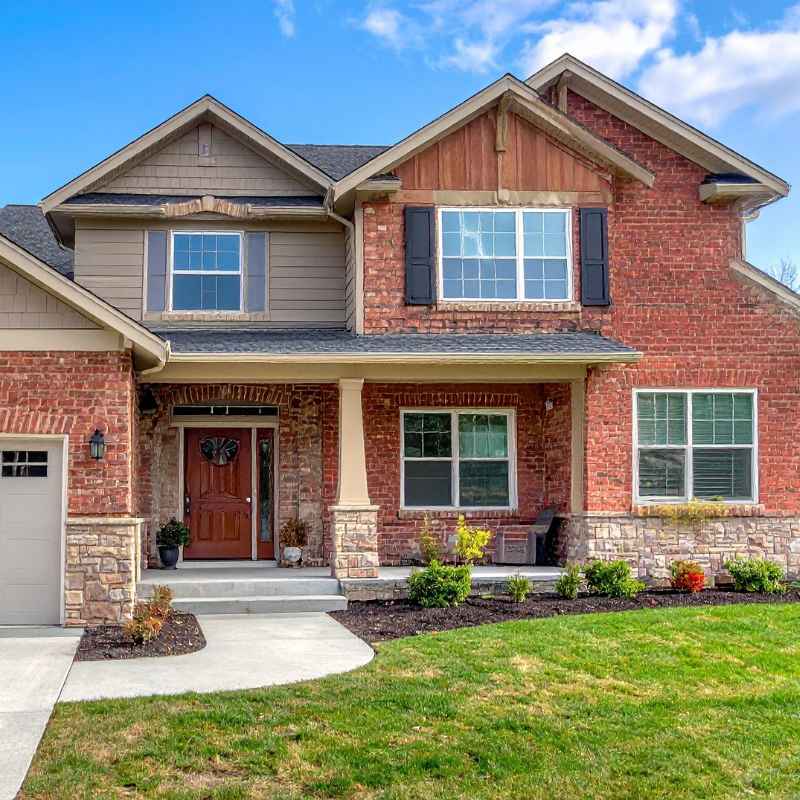
A brick house often has a higher price tag at the start. Bricks themselves can be costly. Laying them takes skilled workers.
This labor cost adds up quickly. The foundation might need to be stronger too. This means more concrete and more work.
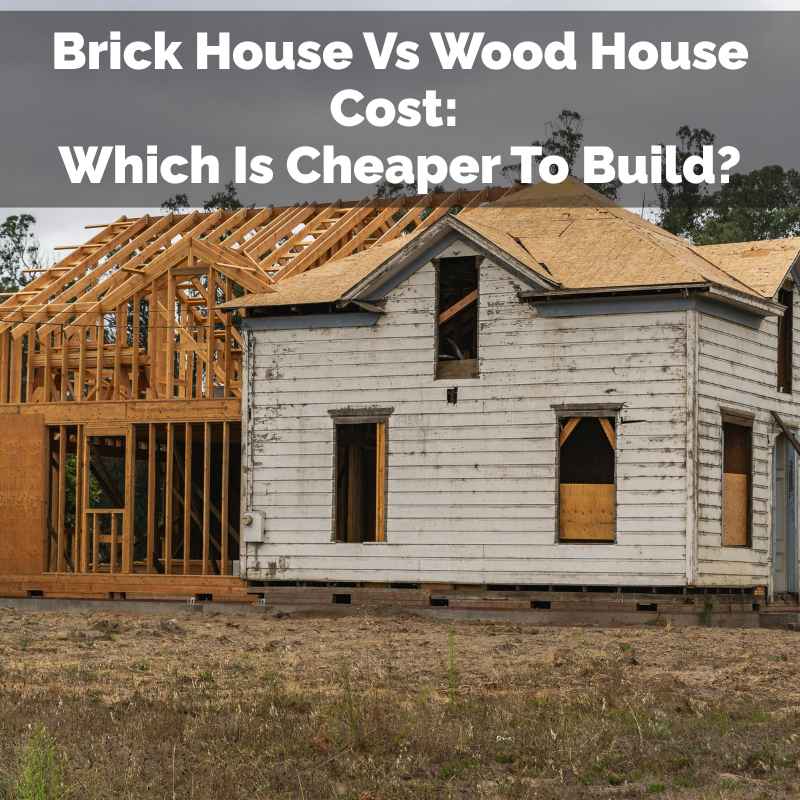
A wood house, often called a wood-frame house, usually costs less to build. The wood is lighter. It’s faster to put up walls.
Many builders are very used to working with wood. This speed and familiarity can lower labor costs. It’s a simpler process in many ways.
But the story doesn’t end with the first nail. You have to think about the future. How long will the house last?
What about repairs? Will you need to heat or cool it more? These ongoing costs can change the total picture.
A house that costs more upfront might save you money later on. Or, a cheaper house might cost you more in repairs and energy bills down the road. It’s a balancing act.
We’ll explore these details further.

My First Home Build: A Costly Lesson
I remember my first time building a home. It was a dream come true. I wanted everything to be perfect.
I had a tight budget, though. My builder pushed me towards a wood-frame house. He said it would be much cheaper.
And it was, at first. The framing went up so fast. The house looked like a house in just a few weeks.
I was so excited.
But then came the siding, the insulation, and all the finishing touches. I started noticing things. My neighbor’s house was brick.
It looked so solid. He told me he spent more upfront. But he also bragged about how little he paid for heating in the winter.
He said his brick walls kept the heat in really well. I felt a little pang of regret. My wood house felt a bit drafty sometimes, even with new windows.
I wondered if I had made the wrong choice just to save money initially. It was a lesson that upfront cost isn’t always the whole story.
The Upfront Cost Breakdown: Brick vs. Wood
Let’s dive into what you pay when the house is being built. This is the money you hand over to the builder. It covers materials and labor to get the house standing and finished.
It’s a big chunk of your budget.
For a brick house, the material cost is higher. Bricks are made from clay. They are heavy and require a lot of energy to produce.
Plus, you need a lot of them to cover a whole house. The mortar that holds them together also adds to the cost.
The labor for bricklaying is also a major expense. A bricklayer needs skill and patience. It’s a slow process.
Each brick must be placed perfectly. The mortar needs to cure properly. This takes time.
A crew of bricklayers costs more per hour than a standard framing crew.
On top of the bricks and labor, the structure needs to be strong. This means a thicker foundation. You might need more steel reinforcement.
This adds to the concrete and rebar costs. So, just the basic structure of a brick house often costs 10% to 20% more than a wood house of the same size.
For a wood house, the materials are usually cheaper. Lumber is more abundant and easier to transport. It’s also lighter, which can sometimes mean a less robust foundation is needed.
The cost of wood itself can vary with market prices, but it’s generally less than brick.
The labor for wood framing is also faster. Carpenters can build walls, floors, and roofs quickly. They are used to standard building codes and methods.
This speed translates to lower labor costs. It’s a significant saving. A wood-frame house can sometimes be built for 5% to 15% less than a comparable brick house.
Consider also the exterior finish. For a brick house, the brick is the finish. You don’t need to add siding.
For a wood house, you need to add siding. This could be wood shakes, vinyl siding, or stucco. The cost of this siding adds to the wood house total.
However, even with siding, the wood house often comes out cheaper upfront.
Upfront Cost Comparison: Quick Glance
Brick Houses:
- Higher material costs (bricks, mortar)
- Higher labor costs (skilled bricklayers, slower process)
- Potentially stronger foundation needed
- No need for separate siding
Wood Houses:
- Lower material costs (lumber)
- Lower labor costs (faster framing, common skills)
- May require less robust foundation
- Requires additional siding costs
So, if your main concern is getting into a new home with the lowest possible initial spending, a wood house generally wins. It’s the more budget-friendly option at the moment of construction. But remember, this is just the beginning of the cost journey.
Long-Term Costs: Where the Money Really Goes
The price you pay on day one is important. But the money you spend over 10, 20, or 30 years is also a big deal. This includes energy bills, repairs, and maintenance.
These ongoing expenses can make a cheap house expensive, or an expensive house a good deal.
Energy Efficiency: This is a huge area where brick can shine. Brick is a dense material. It has a high thermal mass.
This means it absorbs heat slowly. In the summer, brick walls can keep the heat outside longer. They help keep your home cooler.
In the winter, brick can store heat from the sun. It releases it slowly, keeping your home warmer. This can lead to lower cooling and heating bills.
Wood-frame houses are generally less dense. They can lose or gain heat faster. While good insulation is key in any wood house, the walls themselves don’t offer as much thermal resistance as brick.
Modern insulation techniques have improved wood houses a lot. But brick still has an edge in thermal mass. This can save you money on energy bills year after year.
Maintenance and Durability: Brick is known for lasting a very long time. It doesn’t rot. It doesn’t get eaten by insects like termites.
It’s also fire-resistant. A well-built brick house can stand for centuries with minimal upkeep. The main maintenance might be repointing the mortar if it starts to crumble over many decades.
Wood houses need more care. Wood can rot if it gets too wet. It can be damaged by termites and other pests.
It’s also flammable. You need to protect the wood with paint or stain. Siding needs to be checked regularly for damage or wear.
These checks and potential repairs add to the long-term cost of a wood house.
However, repairing a wood house can sometimes be easier and cheaper. If a section of wood siding is damaged, you can often replace just that piece. If a brick gets chipped, replacing it can be a bit more involved to match the color and mortar.
Insurance Costs: Insurance companies often see brick houses as a lower risk. Because brick is fire-resistant and more durable, the chances of major damage from fire or weather might be lower. This can sometimes lead to lower homeowner’s insurance premiums for brick homes.
Wood houses, being more susceptible to fire and pests, might have slightly higher insurance rates. This is not always the case, and many factors influence insurance, but it’s something to consider.
Resale Value: Brick homes often hold their value well. They are seen as a premium, durable choice. This can be good for you if you plan to sell your home in the future.
A well-maintained brick house can command a higher resale price. Wood houses can also have good resale value, especially if they are well-built and in good condition. But the perception of longevity and quality often favors brick.
Let’s look at it this way: A wood house might save you $10,000 to $30,000 upfront. But over 30 years, that could be erased by higher energy bills ($5,000-$10,000 extra), more maintenance and repairs ($5,000-$15,000 extra), and potentially lower resale value. A brick house might cost more initially, but the savings in energy and repairs, plus better long-term value, can make it cheaper in the long run.
It’s a classic “pay now or pay later” scenario.
Long-Term Cost Factors
- Energy Bills: Brick’s thermal mass can lower heating/cooling costs.
- Maintenance: Brick needs less frequent, less costly repairs than wood.
- Durability: Brick homes last longer with less degradation.
- Pest Resistance: Brick is immune to termites and rot.
- Fire Resistance: Brick is a safer material for fire.
- Insurance: Brick homes may have lower premiums due to lower risk.
- Resale Value: Brick often holds value better and commands higher prices.
Key Factors That Affect the Cost
The choice between brick and wood isn’t the only thing that sets the price. Many other elements play a big role. You need to know these to get a true picture of your home’s cost.
Location Matters Most: This is a huge factor. Building in a major city like New York or San Francisco will cost far more than building in a small town in the Midwest. Labor rates, material delivery fees, and permit costs vary wildly by region.
In areas where wood is plentiful and labor skilled in framing is common, wood houses will be even more cost-effective. In areas where brick is a traditional building material and skilled masons are abundant, the cost difference might shrink.
Size of the House: A bigger house costs more, no matter what it’s made of. A 3,000-square-foot brick house will be significantly more expensive than a 1,500-square-foot wood house. When comparing costs, it’s crucial to look at the price per square foot.
This gives you a fairer comparison.
Design Complexity: A simple rectangular house is cheaper to build than one with many corners, angles, and complex rooflines. Complex designs mean more cuts, more waste, and more labor time, especially for intricate brickwork. A simpler design benefits both materials, but a complex one can drive up the cost of brickwork significantly.
Type of Brick or Wood: Not all bricks are the same. There are many types of bricks with different colors, textures, and prices. Some are mass-produced and cheap.
Others are handmade or reclaimed, and very expensive. Similarly, the type of wood used for framing or siding can affect costs. Pine is common and cheaper.
Hardwoods or specialized treated lumber can cost more.
Quality of Workmanship: Even with the best materials, poor workmanship can ruin a house. This applies to both brick and wood construction. A skilled and experienced team will do a better job, leading to a more durable and attractive home.
Their work might cost more upfront, but it saves money on repairs later. Poorly laid bricks or shoddy framing will cause problems down the line.
Energy Efficiency Features: If you opt for high-performance windows, advanced insulation, or solar panels, these will add to the cost of either house type. However, these features often work best with the inherent qualities of the chosen material. For example, excellent insulation in a wood-frame house is vital.
A brick house with upgraded insulation and energy-efficient windows becomes a super-saver on utility bills.
Foundation Type: While brick homes often need a stronger foundation, the type of soil and local building codes dictate foundation needs for all homes. A poorly chosen foundation can be costly for any house. Advanced foundation techniques like basement waterproofing or specialized concrete mixes add expense regardless of the wall material.
Factors Influencing Home Building Costs
Regional Prices: Labor and material costs vary by state and city.
House Size: Larger homes cost more per square foot, but per-square-foot costs can vary.
Architectural Style: Simple designs are cheaper than complex ones.
Material Quality: Premium bricks or lumber cost more than standard options.
Builder’s Skill: Experienced builders cost more but offer better value.
Energy Upgrades: Better windows, insulation, and HVAC systems add cost but save money later.
What This Means For Your Decision
So, after looking at all these points, how do you decide? It really comes down to your priorities. What is most important to you for your new home?
If your budget is very tight RIGHT NOW: A wood-frame house is likely the more affordable choice for the initial build. You can get more house for your money upfront. This might allow you to afford a slightly larger home or a better location than you could with a brick house.
If you plan to stay in your home for a long time: A brick house might be the smarter long-term investment. The savings on energy bills and maintenance over 15-30 years can often offset the higher initial cost. Plus, the durability and lower risk profile can provide peace of mind.
If you live in an area with extreme weather: In hot climates, the thermal mass of brick can be a real comfort and cost saver. In areas prone to termites or high winds, the inherent strength and resistance of brick can be a significant advantage.
If you value low maintenance: Brick is the clear winner here. Less worry about painting, staining, pest control, or rot. You can focus on enjoying your home, not constantly tending to its exterior.
If you are concerned about fire safety: Brick offers superior fire resistance compared to wood. This can be a crucial factor for many homeowners.
It’s also worth noting that there are hybrid options. Some homes use brick for the lower level or just a facade, with wood framing above. This can offer a balance of cost and appearance.
You could also choose a highly insulated wood frame house with excellent siding. Modern building science has made wood-frame homes very efficient. They can be quite competitive on energy use if built correctly.
Don’t forget to get detailed quotes from builders. Ask them to break down the costs for both brick and wood options. Compare these quotes carefully.
Talk to people who live in both types of homes. Their real-world experiences can be invaluable. Ultimately, the “cheaper” option depends on how you define cheap and what you value most in your home.
My Neighbor’s Smart Move
I have a neighbor, Sarah, who built her house about five years ago. She agonized over this exact brick vs. wood decision.
She had heard all the stories about upfront costs. She was leaning towards wood to save money. But she also loved the idea of a solid, low-maintenance home.
She ended up choosing a brick house. She said it was about 15% more expensive upfront. But she got a great deal on the bricks because she chose a common style.
She also decided to put in extra insulation in the attic. She told me, “I figured I’d rather pay the builder a bit more now, than pay the energy company every month for the next 30 years.”
Now, five years later, her heating and cooling bills are remarkably low. Even last summer, when it was scorching hot, her house stayed cool. She hasn’t had any issues with pests or rot.
Her house looks as good as the day it was built. She’s so happy with her decision. She often tells me, “It was worth every extra penny upfront.
It just feels good to live in a house that’s so solid and cheap to run.” Her experience is a great example of how long-term thinking pays off.
Quick Fixes & Tips for Budget-Conscious Building
Whether you choose brick or wood, there are always ways to manage costs. Here are some practical tips:
- Shop Around for Materials: Don’t buy bricks or lumber from the first supplier you find. Get quotes from several. Sometimes local lumber yards have better deals than big box stores.
- Consider Material Choices: For brick, explore different types and colors. Some are more expensive. For wood houses, compare siding options. Vinyl is often cheaper than wood or fiber cement.
- Simplify Your Design: The more complex the house, the more it costs. Stick to simple shapes and rooflines to save on labor and materials.
- Build Smart, Not Big: Focus on efficient use of space. A well-designed smaller home can feel just as spacious as a poorly laid-out larger one.
- DIY Where Possible (Safely!): If you have skills, consider doing some tasks yourself, like painting or landscaping. But only do what you’re qualified to do safely and correctly.
- Get Multiple Quotes: Always get at least three detailed bids from reputable builders. Make sure they are comparing apples to apples.
- Understand Your Contract: Read your building contract carefully. Know what is included and what is not. Avoid surprise costs.
- Negotiate: Don’t be afraid to negotiate prices, especially on materials or labor if you’re getting multiple bids.
These tips can help you keep costs down, no matter which main material you select. The goal is to build a great home that you can afford now and in the future.

Frequently Asked Questions About Brick vs. Wood House Costs
Is a brick house truly more expensive than a wood house?
Yes, generally, a brick house has a higher upfront cost than a wood-frame house. This is due to the cost of bricks, mortar, and the more labor-intensive process of laying them. Wood houses typically use more affordable and faster-to-install materials.
Which type of house is cheaper to heat and cool?
Brick houses tend to be more energy-efficient due to the thermal mass of brick. This means they absorb and release heat slowly, keeping the house cooler in summer and warmer in winter. This can lead to lower heating and cooling bills over time compared to a wood house, especially if the wood house is not well-insulated.
Does a brick house last longer than a wood house?
Yes, brick is a very durable material that is resistant to rot, pests like termites, and fire. A well-maintained brick house can last for many decades, even centuries, with less degradation. Wood houses are susceptible to these issues and require more ongoing maintenance to ensure longevity.
What are the main maintenance differences between brick and wood homes?
Brick homes require less maintenance. The primary upkeep might involve occasional cleaning or repointing mortar joints over many years. Wood homes, on the other hand, need regular painting or staining, checks for pest damage, and potential repairs to siding, trim, or structural wood.
Can a wood house be as energy-efficient as a brick house?
A wood house can be very energy-efficient if built with excellent insulation, high-quality windows, and proper sealing. However, brick’s natural thermal mass provides an advantage that is harder to replicate in a wood frame, particularly in climates with significant temperature swings.
Which type of house has better resale value?
Brick houses often have a perception of higher quality and durability, which can lead to better resale value. They are seen as a long-term investment. While wood houses can also have good resale value, the longevity associated with brick often gives it an edge.
Are there hybrid options that combine brick and wood?
Yes, many homes use a combination. For example, a house might have a brick exterior on the first floor and wood siding on the second floor. Some homes use brick as a decorative facade rather than a full structural exterior.
These hybrids can offer a balance of cost, aesthetics, and performance.
Conclusion: Making the Smart Choice for Your Budget
Deciding between a brick house and a wood house is a big choice. It’s not just about upfront cost. You need to look at the long game.
A brick house often costs more at the start. But it can save you money over time. Think about energy bills and repairs.
Brick homes are built to last. They need less care. Wood houses are usually cheaper to build.
They can be great homes too, especially with modern building techniques. Your final decision should match your budget, your timeline, and what you want from your home for years to come. Weigh all the factors carefully.
},
},
},
},
},
},
}
]
}